
Flowers
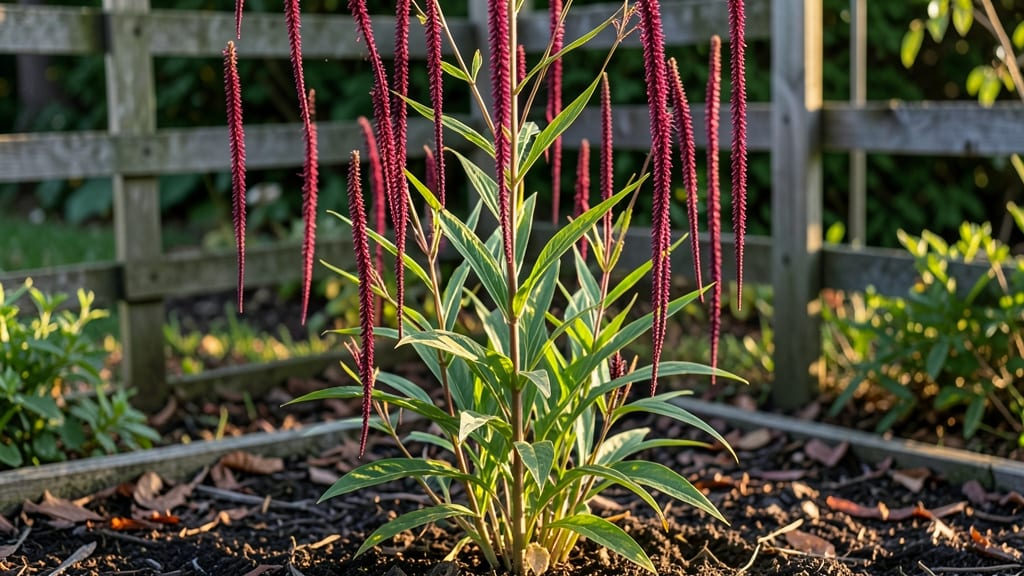
The amaranth flower love lies bleeding creates vertical drama no other plant can match—its deep purple spires cascade like living waterfalls. 🌿 I first fell for it when I spotted it at a local nursery, and within weeks, it transformed my garden’s back corner into a dreamy focal point.
The secret lies in its adaptability: it thrives in hanging baskets, borders, or even tucked into vertical gardens where its weight creates natural movement.
This plant is a gardener’s dream for those who crave low-maintenance beauty. It handles drought like a champ, needs minimal pruning, and keeps its striking color from summer through frost.
Pair it with silver foliage plants or delicate white blooms to make the purple stand out even more—your garden will feel like a romantic painting. The best part? It self-seeds, so you’ll have free plants next year.
Imagine your patio or balcony draped in these velvety plumes, swaying gently in the breeze. Love lies bleeding brings texture, height, and a touch of drama without the fuss of high-maintenance flowers.
Once established, it’s nearly indestructible, making it perfect for busy gardeners or beginners who want to make a bold statement.
Whether you’re designing a whimsical cottage garden or a modern urban oasis, this amaranth variety fits right in. Its drought tolerance and year-round appeal mean you’ll enjoy it long after other annuals have faded. Ready to bring this dreamy plant into your space?
📚 In This Guide
- What you need
- Instructions
- Tips and common mistakes
- Wrapping up and next steps
What you need
- ● Seeds: 10–20 Love Lies Bleeding (Amaranthus caudatus) seeds (choose a variety like 'Black Velvet' or 'Green Garlands' for vibrant colors).
- ● Potting mix: 1 bag (12–18 qt) of well-draining seed-starting mix or garden soil amended with compost (for containers).
- ○ Containers (optional): 5–10-inch pots (if starting indoors) or direct-sow in garden beds.
- ● Watering can or spray bottle: For gentle hydration (avoid soggy soil!).
- ● Fertilizer: Balanced liquid fertilizer (10-10-10 or organic options like fish emulsion).
- ○ Gloves (optional): To protect hands from soil or prickly stems.
- ● Trowel: For transplanting seedlings or loosening soil.
- ● Sunlight access: Full sun (6+ hours/day) for optimal growth (partial shade tolerates but may reduce blooms).
- ○ Stakes or trellis (optional): Tall varieties may need support (1–2 stakes per plant).
- ○ Pruning shears (optional): For trimming spent blooms to encourage more flowers.
- ● 🌡️ Temperature: Start seeds indoors 4–6 weeks before last frost (65–75°F ideal) or direct-sow after soil warms.
- ● ✨ Soil pH: Slightly acidic to neutral (6.0–7.0) for best results.
- ● 💧 Watering: Keep soil consistently moist but not waterlogged (Amaranthus hates soggy roots!).
How to grow amaranth 'Love Lies Bleeding' for stunning year-round color
Here's how to coax those breathtaking purple plumes into your garden—no matter the season.
🌱 Step 1: Choose the Perfect Spot for Sun and Structure
'Love Lies Bleeding' thrives in full sun—at least 6-8 hours daily—so pick a location where it can soak up those rays. I always plant mine where they’ll get morning sun and afternoon shade in hot climates, because the leaves can scorch if baked all day. The dramatic plumes grow upright, so consider planting near a fence or trellis to support their height as they reach 4-6 feet tall.
Here's the thing—this amaranth loves heat, so if you're in a cooler zone, start seeds indoors 8-10 weeks before your last frost date. The reason? It grows fast but needs warmth to really flourish. If you're in a mild winter area, you can even plant in fall for late-season color—just give it a head start indoors.
🪴 Step 2: Prepare Soil and Plant with Confidence
This plant isn’t picky about soil, but it does best in well-draining, fertile soil with a pH between 6.0 and 7.5. I mix in a 2-inch layer of compost into the top 6 inches of soil before planting to give those roots a nutrient boost. If your soil is heavy clay, amend it with sand or perlite to prevent waterlogging, which can rot the roots.
Sow seeds ½ inch deep and 12 inches apart—they won’t appreciate being crowded. Real talk: these seeds are tiny, so I like to sprinkle them lightly and cover just enough to hide them. Water gently after planting, but don’t soak the soil. You’ll see sprouts in 7-14 days, depending on your climate. If you’re planting multiple stems, space them 18 inches apart for full, bushy growth.
☀️ Step 3: Water and Feed for Maximum Dramatic Flourish
Once established, 'Love Lies Bleeding' is drought-tolerant, but young plants need consistent moisture to prevent wilting. Water deeply once a week, giving it about 1 inch of water each time. You’ll know it’s happy when the soil feels dry 1-2 inches below the surface—that’s your cue to water again. Overwatering leads to weak stems and floppy plumes, so let the soil dry out slightly between waterings.
Feed lightly during the growing season with a balanced, water-soluble fertilizer (like 10-10-10) every 4-6 weeks. I skip heavy fertilizers because this plant grows fast and can get leggy if overfed. Instead, I focus on mulching with 2-3 inches of organic mulch to retain moisture and keep roots cool. Watch for the plumes to darken and lengthen—that’s your sign it’s thriving!
✂️ Step 4: Prune and Maintain for Long-Lasting Beauty
Deadheading spent blooms isn’t necessary with 'Love Lies Bleeding'—the plumes last all season—but you can trim back leggy stems to encourage bushier growth. I like to pinch off the tips of young plants when they’re about 6 inches tall to promote branching. This ensures you get a full, dramatic display instead of one long, skinny stem.
If your plant gets too tall or flops over, don’t hesitate to stake it or tie it to a trellis. The plumes are heavy, and without support, they can bend or break. In colder climates, cut back stems to 6 inches tall in late fall, leaving the base. Many growers find the plant regrows from the roots the following spring—just give it a little protection if frost is expected.
⏰ Step 5: Extend the Season with Smart Care
Here’s how to keep 'Love Lies Bleeding' looking its best year-round: in fall, cut back the stems and move potted plants to a sheltered spot before frost. In winter, reduce watering but keep the soil slightly moist. If you’re in a warm climate, it might even bloom lightly in winter with minimal care. In spring, fertilize lightly and watch those plumes return to their glory.
For container growing, use a large pot (at least 12 inches deep) with drainage holes and plant one stem per container. Place pots in full sun and water when the top 1 inch of soil feels dry. The key to container success? Don’t let it sit in soggy soil—this plant hates wet feet. With the right care, your 'Love Lies Bleeding' will be the star of your garden for seasons to come.
Tips & tricks for growing stunning amaranth 'Love Lies Bleeding'
These little-known tricks will help you grow the boldest, most vibrant purple plumes in your garden—no matter your climate or experience level.
Sunlight Strategy: While 'Love Lies Bleeding' thrives in full sun, I've found that in hot climates, morning sun with afternoon shade prevents leaf scorch while still giving those dramatic plumes the light they crave. If you're in a cooler zone, supplement with a grow light for 4-6 hours daily during cloudy stretches—this mimics the plant's natural tropical preferences and prevents leggy growth. The 6-8 hours of sunlight mentioned in Step 1 should include these adjustments for your specific climate.
Seed Starting Secret: Those tiny seeds can be tricky to handle, so I recommend mixing them with a little sand before planting. This helps spread them evenly and prevents clumping. For indoor starts, use small pots (2-3 inches deep) with well-draining soil and keep them at 70-75°F until germination. After the 7-14 day wait for sprouts, thin to the strongest seedling per pot—this gives you a head start on the 12-inch spacing requirement from Step 2.
Watering Wisdom: The once-weekly watering schedule in Step 3 works perfectly, but here's the trick: water at the base rather than overhead. This prevents fungal issues and keeps those stunning purple plumes dry, which is especially important in humid climates. I also recommend using a moisture meter to check that 1-2 inch soil depth—it's more reliable than guessing by feel, especially in clay soils where moisture can pool.
Container Care: When growing in pots as mentioned in Step 5, choose containers with at least 12 inches of depth and width to accommodate the plant's root system. I've had great success with fabric grow bags—they allow for better airflow and prevent root circling. For multiple stems in one container, space them 18 inches apart and use a trellis in the center to support all stems together, saving you from individual staking.
Pro Tips for Amaranth Flower Love Lies Bleeding
- These little-known tricks will help you grow the boldest, most vibrant purple plumes in your garden—no matter your climate or experience level.
- Sunlight Strategy: While 'Love Lies Bleeding' thrives in full sun, I've found that in hot climates, morning sun with afternoon shade prevents leaf scorch while still giving those dramatic plumes the light they crave.
- Seed Starting Secret: Those tiny seeds can be tricky to handle, so I recommend mixing them with a little sand before planting.
Frequently asked questions
How long does it take for Love Lies Bleeding to flower?
With the right care, Love Lies Bleeding typically blooms 8–12 weeks after planting from seed. If you start seeds indoors (6–8 weeks before your last frost), you’ll see those iconic purple cascades even sooner! Patience pays off—these flowers reward consistency with dramatic, long-lasting displays.
Can Love Lies Bleeding survive winter?
In USDA Zones 8–11, these plants thrive year-round as perennials. But in colder climates (Zones 7 and below), they’re usually grown as annuals. For a head start, overwinter seeds indoors or cut back dead foliage in fall—new growth will sprout in spring!
What’s the best way to propagate Love Lies Bleeding?
Seeds are the easiest method! Scatter them ¼-inch deep in well-draining soil after the last frost. For faster results, soak seeds overnight before planting. Pro tip: These flowers self-seed readily, so you might spot volunteers popping up next season!
Why aren’t my Love Lies Bleeding flowers opening?
If your blooms stay tightly curled, check these fixes:
- Light: Ensure they get 6+ hours of sunlight daily—partial shade can delay opening.
- Water: Keep soil consistently moist but not soggy (overwatering stresses roots).
- Heat: These flowers love warmth—if temps drop below 50°F (10°C), growth slows.
- Fertilizer: A balanced, low-nitrogen feed (like 10-10-10) every 4–6 weeks helps.
Are there alternatives to purple Love Lies Bleeding?
Try these stunning amaranthus caudatus varieties:
- ‘Black Velours’ – Deep burgundy-black spikes.
- ‘Green Fountain’ – Unique green tassels (edible!).
- ‘Molten Fire’ – Orange-red cascades for a fiery pop.
For a similar look, celosia or cockscomb flowers offer bold, velvety textures in vibrant hues.
Wrapping up and next steps
The Love Lies Bleeding amaranth flower is more than just a stunning purple spectacle—it’s a resilient, low-maintenance plant that brings drama and beauty to any garden year-round.
Whether you’re drawn to its striking foliage, its ability to thrive in heat, or its symbolic meaning of enduring love, this plant is a game-changer for both beginners and seasoned gardeners alike.
Ready to bring some magic to your outdoor space? Start by grabbing your seeds or cuttings, picking a sunny spot, and giving this hardy beauty the love it deserves. Watch it grow, and let your garden tell its own love story! 🌿✨