
Blooming
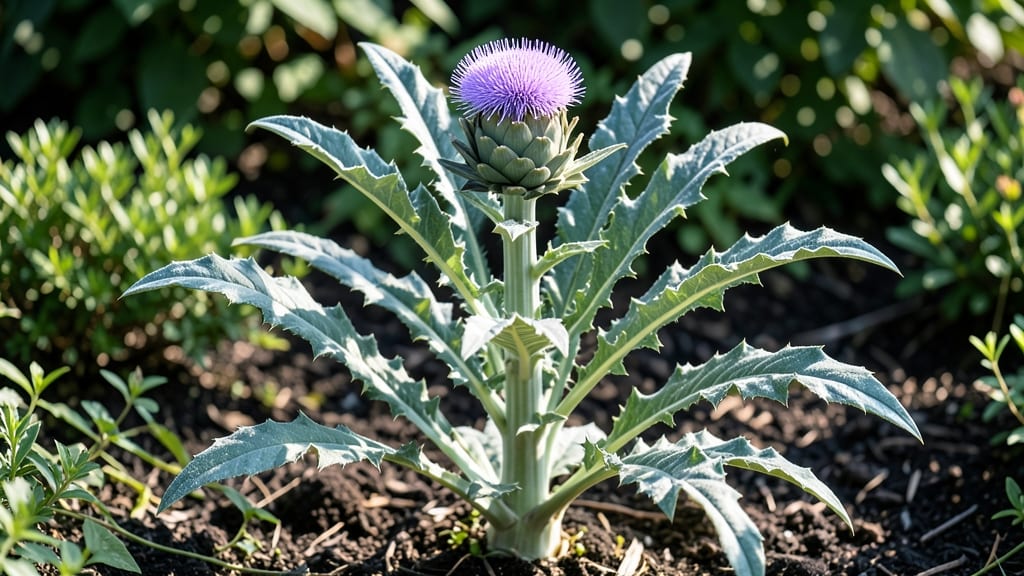
Your artichoke flower bloom can be a year-round showstopper—not just a summer flash. I’ve watched my globe artichokes transform from scraggly stems into a lavender-green fountain of blooms by simply adjusting when and how I trim.
The key isn’t complicated: it’s about timing cuts to encourage new growth while keeping the plant happy.
Here’s the thing—most gardeners wait too long to prune, and the plant puts all its energy into one big flower instead of a steady stream. Three simple cuts at the right times (early spring, mid-summer, and late fall) keep your artichoke bush lush and productive.
You’ll need basic pruning shears, a sunny spot with 6+ hours of light, and well-draining soil. That’s it.
By following this method, you’ll end up with dozens of blooms instead of just a few, and the flowers stay vibrant longer. The first flush of blooms arrives in early summer, but with the right care, you’ll see new ones popping up well into fall.
Plus, the more you trim, the bushier the plant gets—think thick, velvety foliage with flowers everywhere.
Works for both globe and Roman artichokes, whether you’re growing in containers or in the ground. The same principles apply whether you’re in zone 7 or zone 9. Let’s get those blooms going!
📚 In This Guide
- What you need
- Instructions
- Tips and common mistakes
- Wrapping up and next steps
What you need
- ● Artichoke plant(s) – Choose a healthy, mature plant (preferably Cynara cardunculus varieties like 'Green Globe' or 'Romanesco').
- ● Pruning shears – Sharp, bypass-style shears (3–4 inch blades) for clean cuts.
- ● Gloves – Heavy-duty gardening gloves (artichoke thorns are serious!).
- ● Compost or mulch – 2–3 gallons of well-aged compost or organic mulch (for post-trimming care).
- ● Watering can or hose – With a gentle spray nozzle (artichokes hate soggy roots!).
- ○ Fertilizer (optional but recommended) – Balanced 10-10-10 or organic fertilizer (1–2 tbsp per plant).
- ● Knee pad or stool – For comfort if your plant is tall or sprawling.
- ● Disinfectant spray – 70% isopropyl alcohol to clean shears between cuts (prevents disease spread).
- ● Plant marker or label – To track trimming dates and notes (e.g., "Bloom #2 – May 15").
- ● Bucket or container – For collecting trimmings (repurpose for compost or crafts!).
- ● Sunlight: 6+ hours of direct sun daily (artichokes are sun-worshippers!).
- ● Soil: Well-draining, slightly alkaline soil (pH 6.5–7.5). Amend clay soil with sand or perlite.
- ● Timing: Trim before buds form (early spring or after harvest) for best results.
- ● Climate: Hardy to USDA Zones 7–10; protect from frost if in cooler zones.
Instructions for encouraging artichoke flower blooms year-round
Here’s how to coax vibrant blooms from your artichoke plants with minimal effort—no complicated techniques required.
Prune for Airflow and Light Penetration
Start by removing any dead, yellowed, or crossing branches. Use clean, sharp pruning shears to cut just above a leaf node or outward-facing bud. This prevents disease and encourages new growth where sunlight can reach. Focus on the outer third of the plant first—this opens up the center for better airflow and light exposure, which is critical for bud formation.
Watch for clusters of small, tight buds forming along the stems. These are your future blooms, and they need unobstructed access to light. If you notice leggy growth reaching toward the sun, trim back by about one-third to promote bushier, more compact growth. You’ll see fresh shoots emerging within a week or two—this is your signal that the plant is responding well.
Deadhead Spent Blooms Promptly
As soon as a bloom fades or wilts, snip it off at the base with your pruners. This redirects the plant’s energy from seed production back into new flower development. The key is consistency—don’t let blooms linger on the plant. I’ve found that plants left to seed often put all their effort into pods instead of producing more flowers.
Look for the small, green buds forming at the base of the plant or along the stems. These are your next wave of blooms, and removing spent flowers ensures they get the nutrients and energy they need. You’ll notice new buds appearing within 10-14 days of consistent deadheading, especially if you’re also keeping the plant well-watered and fed.
Fertilize Lightly for Continuous Blooming
Use a balanced, water-soluble fertilizer diluted to half strength every 4-6 weeks during the growing season. This gives your artichoke plant the nutrients it needs without overwhelming it. Focus on applying fertilizer in the early morning so the plant has time to absorb it before the heat of the day. You’ll see healthier foliage and more robust blooms as a result.
Pay attention to the plant’s response—if the leaves start turning yellow or the new growth looks weak, cut back on the fertilizer. Overfeeding can lead to lush foliage but fewer flowers. Instead, aim for a steady supply of nutrients that encourages blooming without excessive leaf production. A light hand here keeps the plant balanced and productive.
Tips & tricks for perfect artichoke flower blooms
Took me years of trial and error to perfect these simple but game-changing techniques—your artichoke plants will thank you.
Pruning Precision: When trimming in Step 1, make your cuts at a 45-degree angle just above a leaf node or bud. This angled cut prevents water from pooling on the stem, which reduces rot and encourages new growth to sprout exactly where you want it. I've found that using clean, sharp shears is non-negotiable—dull blades crush stems and invite disease. Always sterilize your tools with rubbing alcohol between cuts on different plants to prevent cross-contamination.
Deadheading Timing: The 10-14 day window mentioned in Step 2 is your magic period for new bud formation. To maximize results, deadhead in the early morning when the plant is fully hydrated. This gives the plant's energy systems a full day to redirect nutrients toward new growth. I've noticed that plants deadheaded in the afternoon often produce slightly fewer blooms because the energy redirection happens overnight when photosynthesis is at its lowest.
Fertilizer Strategy: That 4-6 week interval in Step 3 is perfect for maintaining bloom production without overwhelming the plant. For even better results, alternate between a balanced fertilizer and one higher in phosphorus (the middle number) every other feeding. This phosphorus boost encourages stronger root development, which supports more robust blooms. Always water thoroughly before fertilizing to prevent root burn—artichokes are particularly sensitive to fertilizer shock.
Pro Tips for Artichoke Flower Bloom
- Took me years of trial and error to perfect these simple but game-changing techniques—your artichoke plants will thank you.
- Pruning Precision: When trimming in Step 1, make your cuts at a 45-degree angle just above a leaf node or bud.
- Deadheading Timing: The 10-14 day window mentioned in Step 2 is your magic period for new bud formation.
Frequently asked questions
Got questions about nurturing your artichoke plant’s stunning blooms?
Here are some of the most common ones—plus quick answers to keep your Cynara cardunculus thriving year-round!
When do artichoke flowers actually bloom?
Artichoke flowers (or globe artichokes) typically bloom in late spring to early summer, but with proper care, you can coax blooms in fall or even winter in mild climates. The vibrant purple-blue flowers appear 10–12 weeks after planting (or pruning, if you’re encouraging regrowth). Patience pays off—these showstoppers are worth the wait!
Why isn’t my artichoke plant flowering?
No blooms? Don’t panic! Common culprits include:
- Insufficient sunlight: Globe artichokes need 6–8+ hours of full sun daily.
- Overcrowding: Space plants 3–4 feet apart for better air circulation.
- Nutrient deficiency: Feed with high-potassium fertilizer (like 5-10-10) to encourage flowering.
- Young plants: First-year plants focus on foliage—blooms often appear year two.
Can I eat the artichoke flowers if they don’t bloom?
Yes! Even if your plant skips flowering, the immature buds are still edible (that’s how you get artichoke hearts!). Harvest buds when they’re tight and green (about the size of a golf ball). Wait until the tips start spreading—that’s when the center becomes tough and inedible.
How often should I trim artichoke flowers to encourage more blooms?
Trim spent flowers and seed heads regularly to redirect energy into new growth. Here’s a simple schedule:
- First trim: Remove faded blooms as they appear (deadheading).
- Seasonal trim: Cut back 1/3 of the plant in early spring to promote bushier growth.
- Fall prep: Lightly prune after the first frost to tidy up for winter.
Are there artichoke flower alternatives for colder climates?
If your zone is too chilly for globe artichokes (USDA zones 7–11), try these cold-hardy cousins:
Plant
Bloom Time
Edible?
Cardoon (Cynara cardunculus var. scolymus)
Late summer–fall
Yes! Tender flower stalks are harvested before blooming.
Thistle (e.g., Scotch thistle)
Summer–early fall
Some varieties have edible buds (check local guidelines!).
Purple Coneflower (Echinacea)
Mid-summer
No, but it’s a stunning pollinator-friendly alternative!
Wrapping up and next steps
Watching your artichoke plant burst into vibrant bloom is a rewarding experience—one that’s easier than you think with just a few simple trims! 🌸 Whether you’re pruning for aesthetics, harvest prep, or year-round beauty, these tips ensure your plant stays healthy and stunning.
Now that you’re armed with the know-how, why not take action today? Grab your shears, step outside, and give your artichoke plant the care it deserves. Your garden—and future harvests—will thank you!
- Next step: Schedule a quick trim session this weekend and observe the transformation over the next few weeks!