
Flowers
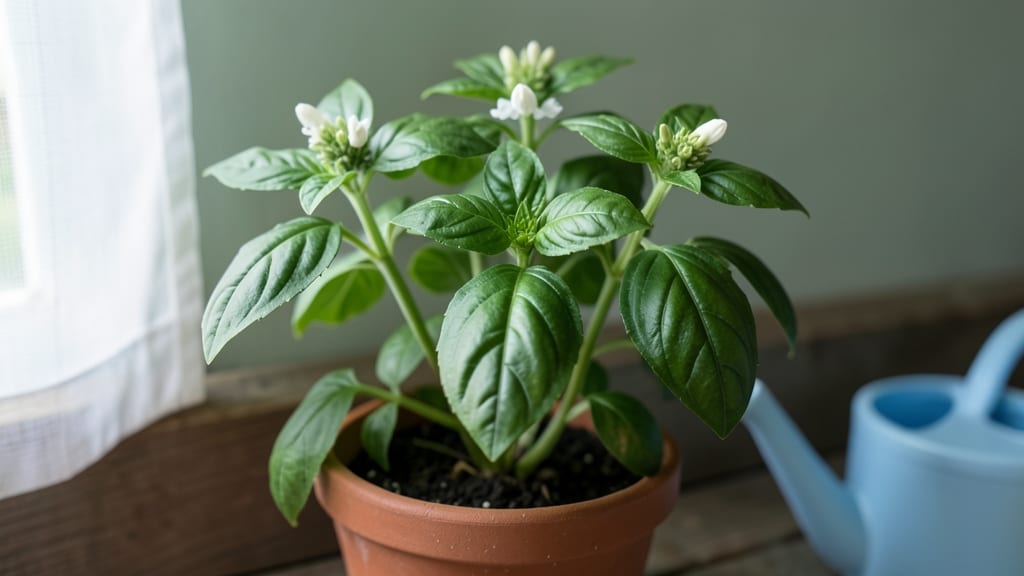
Spotting basil about to flower is my cue to act fast—before those delicate blooms signal the end of my leafy harvest and the start of seed-making mode. 🌱 I’ve watched my kitchen basil bolt twice in one summer, and the difference between pruning early and letting it flower is night and day.
The moment you spot those tiny white buds, your basil’s flavor starts fading, and those big, glossy leaves turn bitter faster than you can say "pesto disaster."
Here’s the good news: you can still save your plant. The fix is simple—snip off the flower stems at the base with clean scissors, and within days, you’ll see fresh new growth pushing out. I’ve revived basil this way even when the flowers were already opening.
Just don’t stop there: move your plant to a shadier spot for a few days to reduce stress, and harvest the largest leaves first to encourage more growth.
What you’ll end up with is a bushier, more productive basil plant that keeps giving you those sweet, aromatic leaves for weeks longer. The flavor stays bright and herbaceous, perfect for your favorite recipes. Plus, you’ll avoid the heartbreak of watching your basil turn woody and useless mid-season.
This trick works for both potted basil on your windowsill and plants in the garden. Just remember: once the flowers are fully open, it’s too late to save the flavor—act fast, and you’ll keep your basil thriving all season long.
📚 In This Guide
- What you need
- Instructions
- Tips and common mistakes
- Wrapping up and next steps
What you need
- ● Basil plant – A healthy (or struggling) basil plant showing early signs of flowering (tiny buds forming at the stem junctions).
- ● Pruning shears or sharp scissors – Clean, sterilized tools to avoid spreading disease (✂️).
- ● Well-draining potting mix – A high-quality, organic blend (e.g., 60% peat moss, 30% perlite, 10% compost). Quantity: Enough to fill a 6-12 inch pot, depending on plant size.
- ○ Container or pot – With drainage holes (8-12 inches in diameter for mature plants). Optional: Self-watering pots for convenience.
- ● Balanced liquid fertilizer – 10-10-10 or 20-20-20 NPK ratio. Quantity: 1 tsp per gallon of water.
- ● Watering can or spray bottle – For gentle hydration (avoid soggy soil!).
- ○ Gloves (optional) – To protect your hands from soil and thorns (if using woody basil varieties).
- ● Rooting hormone – To encourage faster regrowth when propagating cuttings.
- ● Slow-release fertilizer pellets – For steady nutrient supply over 2-3 months.
- ● Grow lights or sunny windowsill – If natural light is limited (12+ hours of light daily).
- ● Mulch (e.g., straw or coconut coir) – To retain moisture and regulate soil temperature.
- ● pH testing kit – To ensure soil pH is between 6.0–7.0 (ideal for basil).
How to revive and rejuvenate basil before it flowers
Here's how I bring basil back from the brink of flowering for weeks of fresh harvests.
🌿 Step 1: Trim the Flowers and Seed Stalks Immediately
The moment you spot those tiny flower buds forming, snip them off cleanly with sharp scissors. You'll see them as small white or purple spikes emerging from the leaf axils. Don't wait—those flowers signal the plant to shift energy from leaves to seeds, and once they open, your basil's flavor fades fast.
Cut the stems at a 45-degree angle just above a leaf node. This prevents water from pooling and encourages new growth from that spot. I like to make a small pile of the trimmed flowers—you can use them in pesto or tea before they go to seed.
💧 Step 2: Give It a Deep Watering and Check the Roots
After pruning, water the basil thoroughly until water runs out the drainage holes. The soil should feel moist 2 inches down—stick your finger in to check. Overwatering now causes root rot, but underwatering stresses the plant and makes it more prone to flowering.
If your basil is in a container, gently tug on the stems to check for rootbound conditions. If you see roots circling the bottom or poking through drainage holes, it's time to repot into a larger container with fresh potting mix. Roots need room to spread when the plant is recovering from stress.
☀️ Step 3: Move to Bright, Indirect Light for Recovery
Basil needs 6-8 hours of bright light daily, but direct midday sun can stress a plant already struggling with flowering. Move your basil to a spot with morning sun and afternoon shade for 7-10 days. You'll see the leaves perk up and turn a deeper green within a few days.
If you're growing indoors, rotate the pot a quarter turn daily so the plant grows straight instead of leaning toward the light. Avoid cold drafts or temperature swings—keep it in a spot where the air stays between 65-75°F. Too much heat or cold makes basil bolt even faster.
✂️ Step 4: Prune for Bushier Growth and Prevent Future Flowering
After 10-14 days, give your basil a second pruning to encourage bushier growth. Cut back the longest stems by about one-third, making your cuts just above a set of leaves. This stimulates branching and gives you more harvestable leaves down the road.
Here's the thing—basil flowers again if it gets too little light or not enough water. To prevent it, pinch off any new flower buds as soon as you spot them. You'll know you're doing it right when you see new leaves forming at the base of the plant within 2-3 weeks.
🌱 Step 5: Fertilize Lightly for a Strong Comeback
Use a balanced liquid fertilizer (like 10-10-10) diluted to half strength. Apply it to the soil after watering, making sure the leaves stay dry to avoid burns. I like to fertilize every 2-3 weeks during the growing season, but cut back to once a month when the plant is recovering from stress.
Watch for signs of over-fertilizing—yellowing leaves or white crust on the soil surface. If you see either, flush the soil with plain water to remove excess salts. A healthy basil plant should have glossy, dark green leaves with no yellowing or spots.
Tips & tricks for reviving basil before it flowers
Here's what nobody tells you about bringing basil back from the brink—these tricks saved my plants when all hope seemed lost.
Pruning Precision: When you trim those flower buds in Step 1, don't just cut at the base—make that cut at a 45-degree angle just above a leaf node. This small detail prevents water from pooling and actually encourages new growth from that spot. I've seen basil regrow like crazy when I do this right, while plants I cut straight across just sat there looking sad.
Root Check Strategy: In Step 2, when you're checking for rootbound conditions, gently tug on the stems rather than digging around. You'll feel resistance if the roots are circling the bottom or poking through drainage holes. If you find this, repot immediately into a container that's at least 2 inches larger in diameter—roots need room to breathe when recovering from stress.
Light Transition Tip: The 7-10 day move to bright, indirect light in Step 3 is crucial, but here's the thing: if your basil starts leaning toward the light, rotate the pot a quarter turn daily. This keeps it growing straight while still getting those 6-8 hours of light. I've had basil plants grow so lopsided they looked like they were doing the hokey pokey trying to reach the sun!
Fertilizer Timing: When you fertilize in Step 5, remember that diluted half-strength fertilizer is your friend—but only after the plant has had time to recover. I wait until I see new leaves forming at the base (usually after that second pruning) before adding any fertilizer. Overdoing it now can burn those tender new growths you're trying to encourage.
Pro Tips for Basil About To Flower
- Here's what nobody tells you about bringing basil back from the brink—these tricks saved my plants when all hope seemed lost.
- Pruning Precision: When you trim those flower buds in Step 1, don't just cut at the base—make that cut at a 45-degree angle just above a leaf node.
- Root Check Strategy: In Step 2, when you're checking for rootbound conditions, gently tug on the stems rather than digging around.
Frequently asked questions
Got questions about saving your basil before it flowers? Here are some of the most common concerns—plus quick fixes to keep your plants thriving!
Why does basil flower so quickly?
Basil flowers as a natural response to bolting—triggered by heat, age, or stress (like drought or poor soil). Varieties like Genovese or Thai basil bolt faster in hot climates. Pinching flowers early can delay this process, but it’s a sign your plant is maturing.
Can I still harvest basil once it starts flowering?
Yes, but focus on leaves below the flowers—they’re still flavorful! Avoid harvesting flower stems, as this encourages more blooms. Prune aggressively to redirect energy to leaf growth. If the plant is woody or bitter, it’s past its prime for cooking.
How do I revive basil that’s already flowering?
Trim all flowers and lower leaves, then give it fresh potting mix (rich in compost) and consistent water. Move to partial shade if outdoors, and fertilize lightly with diluted fish emulsion. With patience, new growth will sprout from the stem!
Is flowering basil still good for cooking?
Floral basil has a sweeter, slightly peppery taste—great for pesto or desserts! Just avoid bitter leaves. For classic recipes, harvest before flowering. Pro tip: Freeze or dry leaves to preserve flavor.
Will cold weather stop basil from flowering?
Cold snaps can pause bolting but won’t reverse it. Basil thrives in temps 60–75°F (15–24°C). If frost hits, bring potted plants indoors. Overwintering indoors? Prune hard and reduce water to prevent rot.
Wrapping up and next steps
Watching your basil about to flower doesn’t mean the end of its life—it’s just a sign to take action! With the right care, you can revive and rejuvenate your plant for even more vibrant regrowth.
Trim those flowers, adjust light and watering, and give it some love to keep your basil thriving for weeks (or months!) to come.
Ready to turn things around? Start with pruning today—your kitchen (and taste buds!) will thank you. 🌱✨