
Flowers
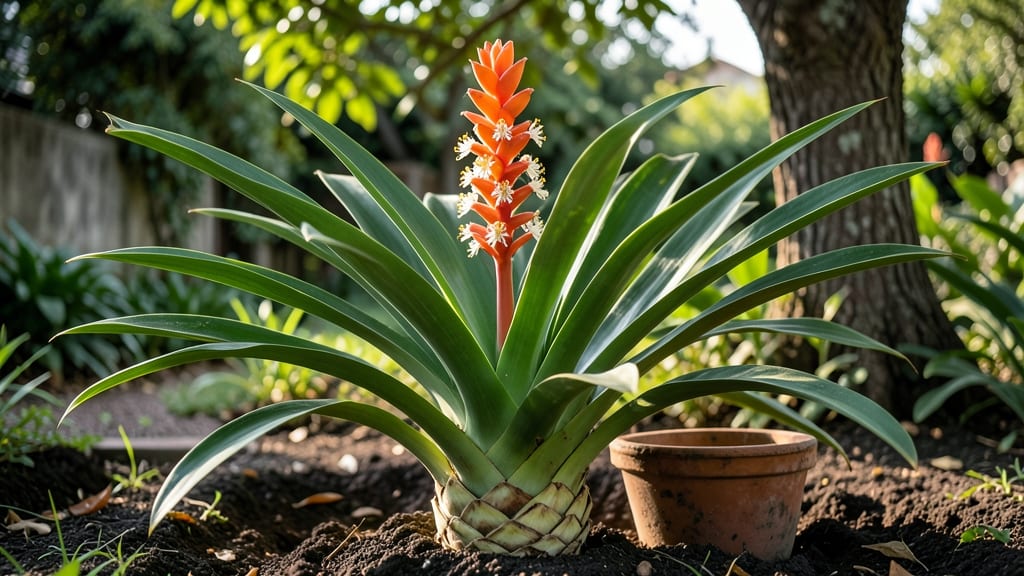
The intoxicating beehive ginger flower—with its velvety petals and vanilla-cinnamon perfume—turns any patio into a lush, tropical haven where summer evenings feel like a dream.
I first fell for this plant when mine burst into six-foot-tall flower spikes after just one year in a 15-gallon container, proving you don’t need a jungle to grow one.
The secret lies in mimicking its native rainforest conditions: rich, well-draining soil, morning sun with afternoon shade, and a watering routine that keeps roots damp but never soggy.
You’ll need three simple supplies to get started: a container with drainage holes (at least 12 inches deep), a mix of 50% potting soil and 50% perlite or orchid bark, and a spot that bakes in sunlight for 4-6 hours daily.
Beehive ginger thrives in zones 9-11, but with the right winter care—like moving pots indoors or wrapping them in burlap—you can coax it through cooler months too. The rhizomes (those thick, knobby roots) are the real workhorses here, storing energy for dramatic spring blooms.
By late summer, you’ll be rewarded with clusters of creamy-white flowers that hum with pollinators and fill the air with a scent like a spiced bakery. The foliage alone—bold, lance-shaped leaves with a waxy sheen—adds tropical drama to borders or mixed containers.
Prune spent flower stalks back to the base in fall, and you’ll encourage next year’s blooms to be even more vigorous. Even my blackest thumb can’t kill this one.
This plant is foolproof for containers, whether you’re on a balcony, deck, or sunny windowsill. Just avoid the temptation to overwater—root rot is the #1 killer—and you’ll enjoy years of low-maintenance, high-impact beauty. Ready to grow yours? Let’s dive into the details that’ll keep your beehive ginger thriving.
📚 In This Guide
- What you need
- Instructions
- Tips and common mistakes
- Wrapping up and next steps
What you need
- ● Beehive Ginger Flower Bulbs: 2–4 mature bulbs (ensure they’re firm, plump, and free of mold or soft spots)
- ● Well-Draining Potting Mix: 1 part orchid bark mix (or chunky pine bark)
- ● 1 part perlite or pumice (for aeration)
- ● 1 part coconut coir or sphagnum moss (for moisture retention)
- ● Container: 6–8 inch terracotta or plastic pot with drainage holes (or a hanging basket for aerial roots)
- ● Drainage Tray or Saucer: To catch excess water and prevent root rot.
- ● Watering Can or Spray Bottle: For gentle hydration (avoid soaking!).
- ● Balanced Fertilizer: 10–10–10 or orchid-specific fertilizer (diluted to half-strength)
- ● Pruning Shears: For trimming dead leaves or spent blooms.
- ○ Humidity Dome or Plastic Wrap: Helps maintain moisture during germination (optional but helpful in dry climates).
- ● Grow Lights (LED or Fluorescent): If natural light is <10 hours/day (e.g., winter).
- ● Moss or Orchid Stakes: For support as stems grow taller.
- ● pH Test Kit: Ideal pH for beehive ginger: 5.5–6.5 (adjust with lime if needed).
Step-by-step guide to cultivating beehive ginger flower in containers
This striking tropical plant thrives with minimal fuss—just follow these precise steps for lush, fragrant blooms.
Select and Prepare the Right Container
Beehive ginger (Dendrobium phalaenopsis or Hedychium coronarium) needs room to spread, so choose a 12-15 inch diameter pot with drainage holes. I prefer unglazed ceramic because it breathes and prevents root rot. If using plastic, add a layer of orchid bark at the bottom to improve aeration.
Fill the container one-third full with a well-draining mix—combine 50% peat moss, 30% perlite, and 20% coarse sand. This mimics its native tropical soil while preventing compaction. Tap the pot gently to settle the mix without packing it down.
Plant the Rhizome Correctly for Optimal Growth
Beehive ginger grows from thick, horizontal rhizomes—never bury them. Instead, place the rhizome just below the soil surface, with the top half exposed. This ensures roots develop where they’ll get airflow and light.
Space multiple rhizomes 6-8 inches apart in the container. Water lightly after planting to encourage root contact with the mix, but avoid soggy soil. Within 2-3 weeks, you’ll see new shoots emerging from the exposed rhizome—this confirms proper planting.
Provide Bright, Indirect Light and Humidity
Beehive ginger loves bright, filtered light—think morning sun with afternoon shade. A south- or east-facing window works well, but avoid harsh afternoon rays that scorch leaves. If indoors, supplement with a grow light kept 12-18 inches away for 12-14 hours daily.
Maintain 60-70% humidity by misting leaves daily or placing the pot on a pebble tray with water. You’ll know humidity is right when leaves stay plump and glossy—drooping or crispy edges mean it’s too dry.
Water Deeply but Infrequently
Water when the top 2 inches of soil feel dry—this prevents root rot while keeping the rhizome hydrated. Stick your finger in; if it comes out clean, it’s time. Water thoroughly until it drains from the bottom, then empty the saucer to avoid soggy roots.
Reduce watering in winter to every 7-10 days, as growth slows. Overwatering is the #1 killer—yellowing leaves or mushy stems signal you’re watering too much. Adjust based on your home’s humidity and temperature.
Fertilize and Prune for Continuous Blooms
Feed monthly in spring and summer with a balanced 20-20-20 fertilizer diluted to half strength. I skip fertilizer in fall and winter when the plant rests. After blooming, trim dead flower stalks at the base to redirect energy to new growth.
Divide crowded rhizomes every 2-3 years in early spring—simply separate sections and repot. This rejuvenates plants and prevents overcrowding. Your container will soon overflow with fragrant, velvety blooms that attract pollinators.
Tips & tricks for perfect beehive ginger flower cultivation
These pro-level insights will help you coax the most vibrant growth and intoxicating fragrance from your container-grown beehive ginger.
Container Selection Wisdom: While the instructions recommend 12-15 inch pots, I've found that wider containers (up to 18 inches) actually work better for mature plants—they allow the rhizomes to spread horizontally without becoming root-bound. Just be sure to use the same well-draining mix regardless of container size. The key is giving those thick rhizomes room to establish an extensive network for water and nutrient uptake.
Planting Technique That Changed Everything: When planting those horizontal rhizomes, I make a small indentation in the soil surface rather than just placing them on top. This gives the emerging roots a tiny head start while keeping the top half exposed for that crucial airflow. Think of it as creating a natural "root cradle" that prevents the rhizome from floating in water during irrigation.
Lighting Strategy for Even Growth: The 12-14 hours of daily grow light mentioned is perfect, but here's the secret: rotate your container 90 degrees every few days. This prevents the plant from leaning toward the light source and ensures even growth across all leaves. I mark the rotation direction with a small sticker on the pot to maintain consistency.
Winter Care That Prevents Shock: When reducing winter watering to every 7-10 days, I've noticed the plants actually appreciate a monthly misting of the leaves with room-temperature water. This maintains the 60-70% humidity they crave without over-saturating the soil. It's like giving them a tropical spa treatment during their dormant period.
Pro Tips for Beehive Ginger Flower
- These pro-level insights will help you coax the most vibrant growth and intoxicating fragrance from your container-grown beehive ginger.
- Just be sure to use the same well-draining mix regardless of container size.
- Planting Technique That Changed Everything: When planting those horizontal rhizomes, I make a small indentation in the soil surface rather than just placing them on top.
Frequently asked questions
Got questions about growing beehive ginger flower (Dendrobium phalaenopsis)? You’re not alone—this stunning epiphyte has a few quirks! Here’s what growers ask most often, plus quick answers to keep your fragrant blooms thriving.
How often should I water my beehive ginger flower?
Water only when the top 1–2 inches of potting mix feel dry—usually every 5–7 days. Overwatering is the #1 killer! Use well-draining mix (orchid bark or coconut fiber) and never let it sit in water. Mist leaves lightly 2x/week in dry climates to mimic humidity.
When does beehive ginger flower bloom, and how do I encourage more flowers?
Blooms appear in late winter to spring (Dec–Mar) with proper care. To trigger flowers:
- Cool nights (55–65°F) for 4–6 weeks before blooming season.
- Bright, indirect light (east/west windows or grow lights).
- Reduce water slightly in fall to stress the plant (encourages buds!).
Can I grow beehive ginger flower in a hanging basket, and what’s the best pot size?
Yes!
Hanging baskets mimic its natural epiphytic habitat. Use a 4–6-inch pot for mature plants (1–2 years old) with drainage holes. For younger plants, a 3-inch pot works. Pro tip: Mount it on a cork slab or tree fern for a low-maintenance, airy setup!
Why aren’t my beehive ginger flowers fragrant, and how can I fix it?
Fragrance fades if the plant lacks stress or proper conditions. Try:
- Warm days (75–85°F) + cool nights (drop below 60°F at night).
- Bright, dappled light (avoid harsh sun).
- Let the roots dry slightly between waterings.
What are good alternatives if beehive ginger is too tricky for me?
If you love fragrant, low-maintenance blooms, try these easier epiphytes:
Plant
Fragrance
Care Level
Vanda (e.g., Vanda Miss Joaquim)
Sweet, citrusy
Moderate (needs bright light)
Paphiopedilum (Lady’s Slipper Orchid)
Light, floral
Beginner-friendly
Bulbophyllum (e.g., B. odoratissimum)
Strong, spicy
Intermediate (needs humidity)
Wrapping up and next steps
The beehive ginger flower isn’t just a stunning addition to your garden—it’s a fragrant, low-maintenance superstar that thrives in containers! With the right soil, sunlight, and care, you’ll enjoy its lush foliage and intoxicating blooms year after year.
Whether you’re a seasoned gardener or just starting out, this plant offers easy rewards for your green thumb efforts.
Ready to bring home your own beehive ginger? Start by picking a healthy plant from a trusted nursery, then follow the steps above to create the perfect growing environment. Watch it flourish—and soon, you’ll be sharing its beauty (and scent!) with neighbors and pollinators alike! 🌿✨