
Flowers
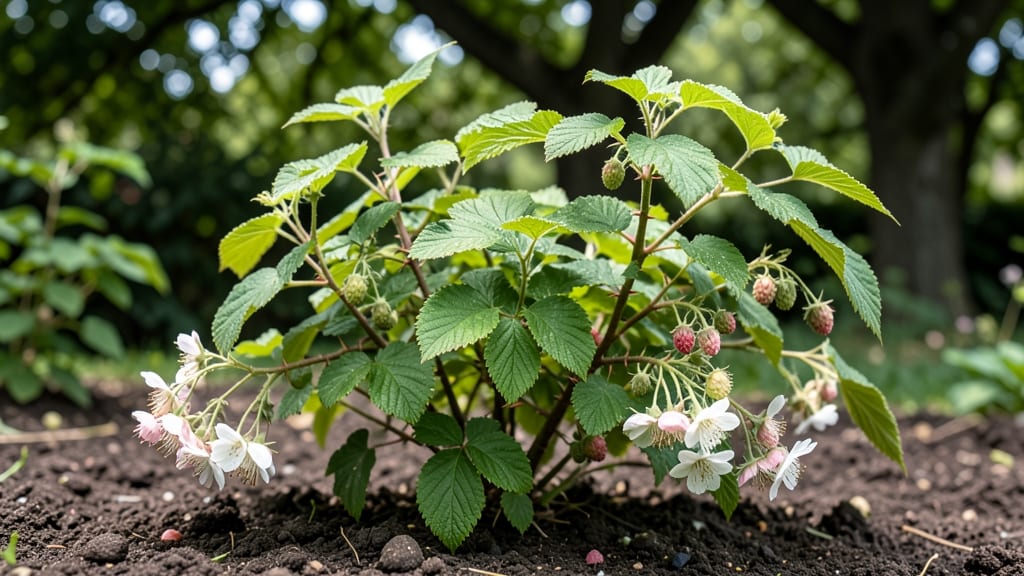
Transform your garden into a four-season pollinator paradise with plants that wear berries in flowers—where every bloom becomes a tiny edible treasure. 🌸 I fell for these plants after my first holly bush burst with red berries against glossy leaves, and the hummingbirds never left.
The magic lies in their dual purpose: fragrant blossoms that lure bees and butterflies, followed by berries that feed birds and add winter color.
These plants thrive as hedges, borders, or focal points, offering year-round interest. Pyracantha’s fiery orange berries contrast beautifully with its white spring blooms, while berry-producing roses like 'The Fairy' deliver blush-pink flowers and tiny red hips.
For layered beds, pair them with evergreens or ornamental grasses—like feathery fountain grass—to create depth and texture. The best part? They’re low-maintenance once established, with most needing only occasional pruning.
Imagine your garden alive with movement: bees sipping nectar from spring flowers, hummingbirds darting between summer blooms, and robins feasting on winter berries. The scent alone—sweet honeysuckle or spicy viburnum—will draw you outside daily.
These plants reward patience with three-dimensional beauty: fragrant blooms, edible berries, and structural interest in every season.
Perfect for small yards, cottage gardens, or urban balconies with containers. Start with one or two showstoppers—like a holly for structure or a pyracantha for color—and watch your garden become a thriving ecosystem. The pollinators will thank you, and so will your neighbors when they ask, "What’s that stunning plant?"
📚 In This Guide
- What you need
- Instructions
- Tips and common mistakes
- Wrapping up and next steps
What you need
- ● Berry-producing flowering shrubs (3–5 plants): 1–2 Viburnum (e.g., Viburnum opulus or Viburnum dentatum) – Fragrant spring blooms + edible berries
- ● 1 Elderberry (Sambucus canadensis) – Clusters of tiny white flowers + dark purple berries
- ● 1 Blueberry bush (Vaccinium corymbosum) – Pink spring blooms + juicy summer berries
- ● 1 Honeyberry (Lonicera caerulea) – Early spring flowers + tart berries
- ○ Climbing or trailing berry plants (optional but stunning): 1–2 Grapes (Vitis vinifera or native varieties) – Delicate flowers + sweet berries
- ● 1 Hardy kiwi (Actinidia arguta) – Fragrant white flowers + edible kiwis
- ● Companion flowering plants (for pollinator buffet): 3–5 Coneflowers (Echinacea purpurea) – Purple blooms + long-lasting seeds
- ● 3 Bee balm (Monarda didyma) – Red/pink flowers + hummingbird magnet
- ● 1 Russian sage (Perovskia atriplicifolia) – Lavender spikes + late-season blooms
- ● Planting tools: 1 garden trowel or transplant spade
- ● 1 pair of pruning shears (bypass, 6–8" blades)
- ● 1 hand pruner (for delicate trimming)
- ● Soil prep: 2–3 bags of compost (or 5–10 lbs of worm castings)
- ● 1 bag of mulch (shredded bark or pine straw)
- ○ Optional: Slow-release fertilizer (10-10-10 or organic option)
- ● Support structures (if needed): 1–2 trellises (for climbing plants, 6–8 ft tall)
- ● 1–2 stakes or cages (for berry bushes, 4–5 ft tall)
- ● A sunny to partially sunny location (6+ hours of sunlight/day for most berries)
- ● Well-draining soil (amend with compost if clay-heavy)
- ● Access to water (drip irrigation or hose for deep watering)
- ● Patience – Some berries take 2–3 years to fruit! 🍒⏳
How to design a pollinator-friendly flowering berry canopy
Here's how to create a fragrant, berry-producing landscape that keeps pollinators buzzing all season.
🌱 Step 1: Select Companion Berry and Flower Species
Choose berry-producing shrubs that also deliver stunning flowers—think elderberry with its creamy blooms, currants with delicate racemes, or gooseberries offering cheerful yellow flowers. Pair them with pollinator magnets like coneflowers, bee balm, and lavender to create a layered, fragrant canopy.
I always opt for native varieties first—they've co-evolved with local pollinators and require less intervention. For example, serviceberry's spring blossoms feed bees while its summer berries feed birds. The key is balancing berry producers with nectar-rich flowers that bloom sequentially to maintain food sources from early spring through fall.
Space plants 12-18 inches apart to allow air circulation and prevent fungal issues. Remember that some berries like elderberry can spread aggressively, so give them room if you want to control their expansion.
☀️ Step 2: Prepare the Planting Site for Season-Long Success
Most berry-producing shrubs thrive in full sun to partial shade (6+ hours of sunlight daily). Test your site by observing how much sun different areas receive throughout the day—morning sun alone often isn't enough for consistent fruiting.
Amend the soil with 2-3 inches of compost before planting to improve drainage and fertility. Berry plants hate soggy roots but also need consistent moisture. I always mix in a handful of slow-release organic fertilizer at planting time to give them a nutrient boost without risking burn.
For container planting (which works beautifully for dwarf varieties), use pots with drainage holes and a well-draining potting mix. The 4-plant serving mentioned suggests you could create a stunning raised bed or container arrangement—just ensure each plant has at least 1 gallon of soil volume to establish strong roots.
💧 Step 3: Plant and Establish for Year-Round Pollinator Support
Dig holes twice as wide as the root balls but only as deep. This encourages outward root growth rather than settling too low, which can lead to stem rot. Gently remove plants from containers and tease apart any circling roots before placing them in the holes.
Backfill with native soil mixed with compost, pressing lightly to eliminate air pockets. Water deeply immediately after planting to help soil settle around roots. The first year is critical—you'll want to water 1-2 times per week during dry spells to establish strong root systems before the flowering and fruiting demands begin.
Here's the thing—mulch matters. Apply 2-3 inches of organic mulch (like wood chips or straw) to retain moisture, regulate soil temperature, and suppress weeds. Just keep mulch 2 inches away from plant stems to prevent rot. You'll notice fewer weeds and more consistent moisture levels once established.
✂️ Step 4: Maintain for Continuous Blooms and Berries
Prune berry-producing shrubs in late winter or early spring before new growth begins. Remove dead or diseased wood first, then shape the plant by cutting back one-third of the oldest stems to the ground. This encourages new growth that will produce more flowers and fruit.
For flowering companions, deadhead spent blooms regularly to encourage continuous flowering. I always make this a habit in early morning when bees are least active to minimize disruption. The goal is to keep nectar sources available as long as possible—throughout the growing season.
Fertilize lightly in early spring and mid-summer with a balanced organic fertilizer. Too much nitrogen will produce lush foliage at the expense of flowers and fruit. Watch for signs of stress—yellowing leaves often mean it's time to check soil moisture or adjust fertilizer amounts.
🪴 Step 5: Create Seasonal Interest and Pollinator Havens
Layer your planting with early bloomers like winter honeysuckle, mid-season stars like butterfly bush, and late-season performers like asters. This creates a continuous bloom sequence that keeps pollinators visiting your garden from spring through fall.
Add vertical elements like trellises with clematis or climbing roses to create three-dimensional interest. Pollinators love these structures as they provide both flowers and shelter. I always include a small water source nearby—a shallow dish with pebbles and fresh water becomes a pollinator oasis.
Finally, consider adding a few evergreen elements like boxwood or hemlock to provide year-round structure and winter interest. The contrast between winter berries and evergreen foliage creates a stunning winter garden that still supports wildlife.
Tips & tricks for perfect pollinator-friendly canopy gardens
A few strategic choices will transform your garden into a buzzing haven that thrives all season long.
Native Variety Advantage: Stick with native berry shrubs and flowers—they've co-evolved with local pollinators, meaning your garden will require less water and maintenance while providing maximum benefit. For example, serviceberry's spring flowers feed early-season bees, while its summer berries support birds. This sequential blooming is what keeps pollinators visiting continuously.
Sunlight Strategy: When selecting your planting site, prioritize areas with at least 6 hours of direct sunlight daily. Morning sun alone often isn't sufficient for reliable fruiting—berry plants need that afternoon sun to power their flowering and fruit production. If your site gets less than 6 hours, consider partial shade varieties like some currants or gooseberries that can tolerate filtered light.
Root Development Tactics: The holes you dig should be twice as wide as the root balls but only as deep—this encourages outward root growth rather than settling too low. When transplanting, gently tease apart any circling roots before placing them in the soil. This simple step prevents girdling, which can strangle new growth and reduce fruiting potential. I've seen plants with circling roots struggle for years after planting.
Mulch Mastery: Apply 2-3 inches of organic mulch (wood chips or straw work beautifully) to retain moisture and regulate soil temperature. Keep the mulch 2 inches away from plant stems to prevent rot. This layering also suppresses weeds, reducing competition for nutrients. The key is to refresh the mulch annually—it breaks down faster than you might expect, especially in hot climates.
Pro Tips for Berries In Flowers
- A few strategic choices will transform your garden into a buzzing haven that thrives all season long.
- Native Variety Advantage: Stick with native berry shrubs and flowers—they've co-evolved with local pollinators, meani...
- Sunlight Strategy: When selecting your planting site, prioritize areas with at least 6 hours of direct sunlight daily...
Frequently asked questions
Got questions about growing berries that double as flowers? You’re not alone! Here are some of the most common queries—and their answers—to help you create a pollinator-friendly paradise.
Why do some berries look like flowers?
Many berries grow from flowers that have already bloomed! Plants like viburnum or blueberries produce edible fruit after their showy blossoms fade. The "berry" is actually the mature ovary of the flower, packed with seeds. Think of it as nature’s way of turning beauty into bounty!
When is the best time to plant berry-bearing flowers?
For most varieties, early spring or fall is ideal—when soil is workable but not freezing. Evergreens like holly or skimmia can handle cooler temps, while tender plants (e.g., gooseberries) need warmer soil. Pro tip: Plant perennials in spring to let roots establish before winter.
Do berries in flowers attract more pollinators than regular flowers?
Flowers that produce berries often have longer bloom times and rich nectar, making them a buffet for bees, butterflies, and hummingbirds. For example, cranberries and huckleberries are pollinator magnets. Pair them with native flowers (like bee balm) for a super magnet effect!
Can I eat the berries if I don’t know the plant?
Never assume!
Some "berry" flowers (e.g., deadly nightshade) are toxic. Stick to edible, labeled varieties like currants, gooseberries, or elderberries. When in doubt, research or consult a local nursery. Safety first!
What’s the easiest berry-flower hybrid to grow for beginners?
Start with blueberries or raspberries—they’re hardy, productive, and their flowers are stunning. For low-maintenance options, try viburnum (like Viburnum opulus) or skimmia, which thrive in partial shade. Bonus: Many require minimal pruning!
Wrapping up and next steps
From vibrant blueberries to delicate honeyberry blossoms, berries-in-flower plants offer a fragrant, pollinator-friendly spectacle that brightens gardens all season long. 🌸 Their dual beauty—edible bounty and alluring blooms—makes them a win-win for both nature lovers and home growers.
Whether you’re a seasoned gardener or a curious beginner, these plants prove that functionality and beauty go hand in hand.
Ready to transform your space? Start small—plant a single berry bush or a few flowering vines—and watch as your garden becomes a buzzing, fragrant haven. Your next step? Pick your favorite variety, grab your gardening gloves, and let the magic unfold! 🌱✨