
Flowers
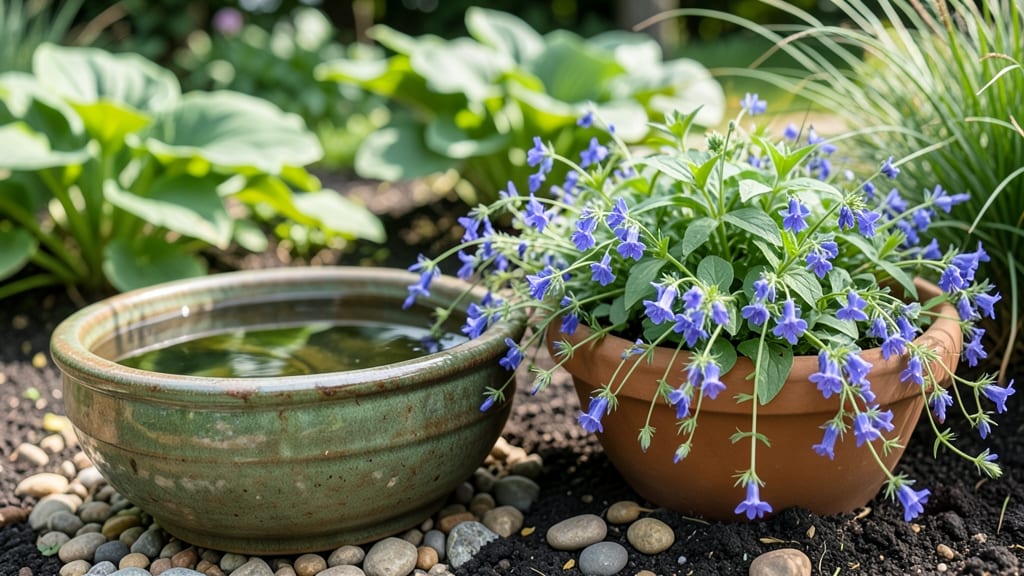
A birdbath surrounded by flowers isn’t just pretty—it’s a buzzing hub for hummingbirds, bees, and butterflies that’ll make your garden the neighborhood hotspot. 🌸 I’ve turned mine into a mini ecosystem where every sip and splash draws more wildlife than my feeders ever did.
The key? Choosing plants that thrive near water and bloom when pollinators are most active.
Start with water-tolerant perennials like asters, irises, or lobelia—they handle damp soil and attract fluttering visitors. Add a few annuals like impatiens or coleus for instant color, and you’ve got a pollinator party waiting to happen.
Place it in partial shade to keep the water cool (and your flowers happier), and position it where you can watch from your porch.
By summer, you’ll see dragonflies darting over the surface, bees buzzing between blooms, and birds taking dramatic baths—all while your garden looks like a postcard. The best part? This setup requires minimal upkeep: just refresh the water every few days and trim spent blooms to keep things tidy.
Whether you’re going for cottage charm or sleek modern lines, the right plant combo makes all the difference. Let’s turn your birdbath into the garden’s star attraction!
📚 In This Guide
- What you need
- Instructions
- Tips and common mistakes
- Wrapping up and next steps
What you need
- ● Birdbath: A shallow, wide basin (10–14 inches in diameter) with a smooth, non-slip bottom. Choose one made of ceramic, stone, or fiberglass for durability.
- ● Water: Fresh, clean water (1–2 gallons, depending on bath size). Change it every 2–3 days to prevent algae.
- ● Flowers: Pollinator-friendly blooms like coneflowers, black-eyed Susans, or milkweed. Select 3–5 plants with varying heights (12–36 inches) for visual appeal.
- ● Potting soil: High-quality, well-draining soil (1 bag, ~2 cubic feet). Mix in compost for extra nutrients.
- ○ Small pebbles or gravel: (Optional but helpful) For drainage and aesthetics. Use ~1–2 pounds.
- ● Garden trowel or small shovel for planting.
- ○ Gloves (optional, but handy for messy soil).
- ● Watering can or hose with a gentle spray nozzle.
- ● Sunlight spot: A partially shaded area (3–6 hours of sun daily) to keep water cool and flowers thriving.
- ● Level ground or stable surface (e.g., a small table, pedestal, or directly in the garden bed).
- ● Decorative stones or mosaic tiles to elevate the birdbath.
- ● Solar-powered fountain pump for a gentle water feature.
- ● Bird-friendly perches (e.g., thin branches or small logs) nearby.
- ● Mulch (e.g., bark chips) to retain moisture around plants.
How to create a pollinator-friendly birdbath with flowers
Here's how to turn a simple birdbath into a buzzing haven for bees and butterflies.
🌿 Step 1: Choose Your Birdbath and Plant Containers
Start with a shallow birdbath—2-3 inches deep works best for pollinators. I like ceramic or stone options because they retain water longer and stay cooler in sun. Place a small floating platform or flat rocks in the center to create perching spots for birds and landing pads for butterflies.
For flowers, select shallow containers like saucers or wide, low pots that won't tip easily. Position them around the birdbath's edge so blooms hang slightly over the water. This creates a natural "landing strip" for pollinators transitioning between drinking and feeding. Avoid deep pots—they're harder for bees to access.
🌱 Step 2: Select Pollinator-Friendly Flowers
Pick flowers with flat, accessible blooms that provide easy landing platforms. My go-to choices are coneflowers, black-eyed Susans, and bee balm—they're tough, bloom for months, and attract a wide variety of pollinators. Avoid double-flowered varieties; their dense petals trap bees inside.
Plant in clusters of 3-5 per container to create visual impact while keeping the center open for pollinators. Space plants 6-8 inches apart so they don't compete for water. Water before planting to settle the soil—this prevents your new additions from sinking too deep when you place them in the containers.
💧 Step 3: Arrange for Maximum Pollinator Access
Position containers so flowers hang 3-6 inches above the water's surface. This creates a "drink-and-dine" zone where pollinators can easily move between water and nectar. Place taller plants toward the back and shorter ones in front to create layers that guide pollinators through the space.
Keep the birdbath filled with 1-2 inches of fresh water daily. Stagnant water breeds mosquitoes, but a daily refresh keeps it clean for birds and beneficial insects. Add a few smooth river rocks to create varied landing spots—some pollinators prefer flat surfaces while others need textured perches.
☀️ Step 4: Position for Sun and Shelter
Place your birdbath in a location that gets at least 6 hours of morning sun. Pollinators are most active in cooler morning temperatures, and this gives them a chance to drink before the heat of the day. Avoid full afternoon sun—it can make the water too warm for some species.
Provide partial shade nearby for butterflies to rest after feeding. A small tree or shrub within 3-5 feet creates a natural cooling spot. I like to position mine where it's visible from a window—it's fascinating to watch the daily pollinator parade!
Tips & tricks for perfect pollinator-friendly birdbaths
A few simple strategies can transform your birdbath into a thriving pollinator paradise. Here's what I've learned after watching my own garden become a buzzing hotspot.
Container Depth Matters: In Step 1, when choosing your birdbath, remember that 2-3 inches deep is ideal for pollinators. Shallower water evaporates faster, reducing mosquito risks while keeping the water cooler for thirsty bees. For containers, shallow saucers prevent tipping and make it easier for bees to access nectar without getting stuck.
Flower Selection Strategy: In Step 2, focus on flowers with flat blooms like coneflowers and black-eyed Susans—they provide perfect landing platforms for bees. I've noticed that bees prefer single-flowered varieties because their open centers give them easy access to nectar. Avoid double-flowered varieties entirely; their dense petals trap bees inside, which can be deadly.
Water Management: The 1-2 inches of fresh water mentioned in Step 3 is crucial. I've found that adding a few smooth river rocks creates micro-landing spots that cater to different pollinator preferences. Some bees prefer flat surfaces while others need textured perches to rest. Refreshing the water daily also prevents algae buildup that can deter visitors.
Sunlight Optimization: For the 6 hours of morning sun requirement in Step 4, position your birdbath where it gets sunlight in the cooler morning hours. This timing is perfect because pollinators are most active when temperatures are mild. I've seen hummingbirds arrive first thing in the morning to drink before the heat sets in.
Pro Tips for Birdbath With Flowers
- A few simple strategies can transform your birdbath into a thriving pollinator paradise.
- Container Depth Matters: In Step 1, when choosing your birdbath, remember that 2-3 inches deep is ideal for pollinators.
- Flower Selection Strategy: In Step 2, focus on flowers with flat blooms like coneflowers and black-eyed Susans—they provide perfect landing platforms for bees.
Frequently asked questions
Got questions about creating a birdbath with flowers? We’ve got answers!
Whether you’re a beginner or a seasoned gardener, these FAQs will help you craft the perfect pollinator paradise.
What’s the best type of birdbath to use for a flower-filled setup?
A shallow, wide birdbath (2–4 inches deep) works best—it’s safer for small birds and easier to fill with flowers. Opt for ceramic, stone, or fiberglass (avoid metal, as it heats up). Look for models with gentle slopes or textured edges to prevent slips. Pro tip: Skip baths with sharp edges or tiny perches that could harm delicate wings!
When is the ideal time to plant flowers around a birdbath?
Plant flowers in early spring (before heatwaves) or late summer (after extreme temps). Choose fast-growing annuals (like marigolds or cosmos) for quick color, or perennials (e.g., coneflowers) for long-term beauty. Avoid planting directly in the bath—keep roots 6+ inches away to prevent root rot and algae buildup.
Which flowers attract birds and pollinators the most?
Go for nectar-rich, low-to-the-ground blooms like:
- Milkweed (monarch magnets)
- Salvia (hummingbird favorite)
- Black-eyed Susan (bright and bird-friendly)
- Lantana (butterfly superstar)
Cluster flowers in groups of 3+ for maximum visibility and landing spots. Bonus: Avoid double-flowered varieties—they often lack pollen!
How often should I clean a birdbath with flowers?
Clean your bath every 3–5 days during warm months to prevent algae and mosquito breeding. Use a 10% vinegar solution or mild soap (rinse thoroughly!), and scrub edges with a stiff brush. Replace flowers weekly or when wilted. Warning: Never use bleach—it’s toxic to birds and pollinators!
What can I do if my birdbath isn’t getting visitors?
Try these fixes:
- Move it to a shady spot (birds prefer dappled light).
- Add a perch (a flat rock or branch nearby).
- Keep it full—birds need 1–2 inches of water.
- Add a splash with a small solar fountain (movement = attraction!).
- Be patient! It can take 1–2 weeks for wildlife to discover it.
If all else fails, place a bird feeder nearby—birds will explore!
Wrapping up and next steps
A birdbath with flowers isn’t just a charming garden addition—it’s a lifeline for pollinators and a burst of natural beauty for you! 🌸 By combining simple materials with thoughtful design, you’ve created a functional, eco-friendly haven that attracts butterflies, bees, and birds while elevating your outdoor space.
Whether you’re a seasoned gardener or just starting, this project proves that small changes can make a big difference.
Ready to take it further? Consider adding a solar-powered fountain nearby for extra appeal or planting native flowers to boost local wildlife. Your garden—and its tiny visitors—will thank you! 🐝✨