
Landscaping
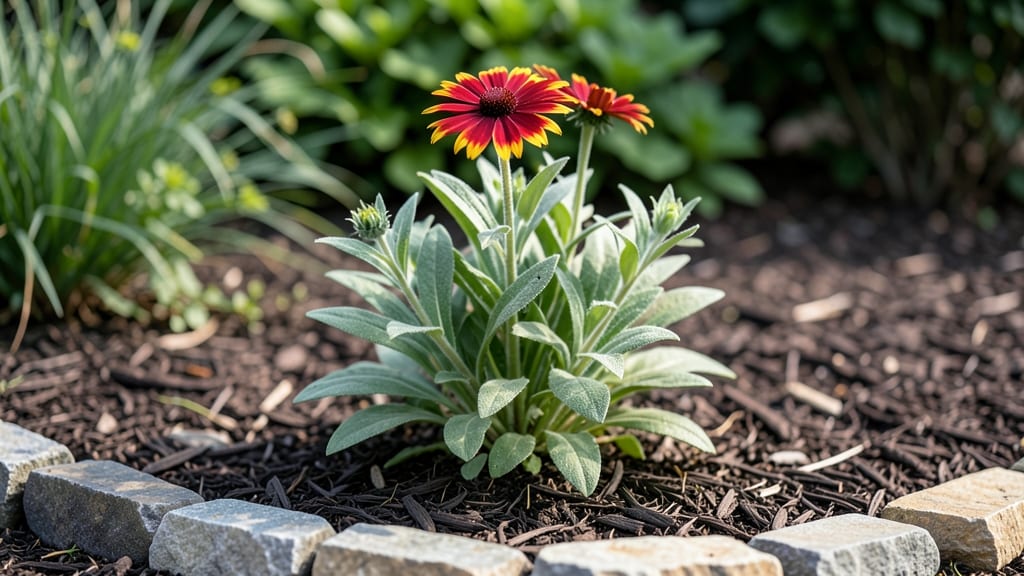
Blanket flower landscaping transforms ordinary borders into showstopping displays with its fiery crimson spikes and golden-yellow daisy centers. 🌻 I remember the first time I planted them along my front walkway—they didn’t just survive the summer heat, they thrived, turning heads every time I walked by.
Their drought tolerance and long bloom season make them the ultimate low-maintenance superstar for any sunny spot.
The secret to their impact lies in how you use them. Pair their bold reds with silvery-blue salvias for contrast, or let them mingle with black-eyed Susans for a wildflower meadow vibe. They work as striking borders, dramatic focal points, or even in mass plantings for a cottage-garden feel.
The key? Well-draining soil and full sun—once established, they’ll reward you with color from early summer through fall.
You’ll love how effortlessly they attract pollinators while keeping maintenance minimal. Just deadhead spent blooms occasionally, and they’ll keep producing those cheerful flowers all season. The best part? Their deep roots make them nearly indestructible once planted—perfect for busy gardeners who want big impact with little fuss.
Whether you’re framing a pathway, brightening a dry slope, or creating a pollinator paradise, blanket flowers deliver drama without the drama. Let’s make your garden the talk of the neighborhood with these fiery, foolproof plants.
📚 In This Guide
- What you need
- Instructions
- Tips and common mistakes
- Wrapping up and next steps
What you need
- ● Blanket Flower Seeds or Plants: 10–20 plants (or 50–100 seeds) per 10 sq. ft. for full coverage
- ● Choose varieties like Gaillardia pulchella (annual) or Gaillardia aristata (perennial)
- ● Well-Draining Soil: Amend heavy clay with compost (1–2 bags per 10 sq. ft.) or sand (for sandy soils)
- ● pH range: 6.0–7.5 (test with a soil kit)
- ● Mulch: 2–3 inches of pine straw or gravel to retain moisture and suppress weeds
- ● Basic Tools: Garden trowel or transplanting spade
- ● Gloves (for handling soil/seeds)
- ● Watering can or hose with adjustable nozzle
- ● Pruners (for deadheading or shaping)
- ● Fertilizer: Slow-release 10-10-10 or balanced organic fertilizer (apply sparingly—blanket flowers prefer lean soil!)
- ● Companion Plants: Pair with salvia, yarrow, or black-eyed Susans for a wildflower meadow vibe
- ● Edging: Landscape fabric or stone borders to define beds (prevents grass from encroaching)
- ● Stakes or Trellis: For vertical gardens (if growing near fences/walls)
- ● Drip Irrigation Kit: For low-maintenance watering (especially in hot climates)
- ● Full-sun location (6+ hours of direct sunlight daily)
- ● Drought-tolerant zone (USDA Hardiness Zones 3–10)
- ● Weekend to prep soil and plant (or 1 hour for seeds)
Step-by-step guide to planting and maintaining stunning blanket flower beds
Here's how to create a showstopping display with these drought-tolerant stars.
🌱 Step 1: Choose the Perfect Location for Maximum Impact
Blanket flowers thrive in full sun—at least 6-8 hours daily—where their crimson spikes will pop against any backdrop. I always scout locations with well-draining soil first; these plants despise soggy roots. Test your spot by digging a 6-inch hole—if water pools after 30 minutes, amend with 2 inches of coarse sand or plant on a slight mound.
For dramatic height contrast, position them behind shorter perennials like black-eyed Susans or Russian sage. The 2-3 foot mature height of blanket flowers creates natural vertical layers. If your garden has hot afternoon sun, choose the 'Prairie Fire' variety—its deep burgundy blooms handle intense light better than standard types.
🪴 Step 2: Prepare Soil and Plant with Proper Spacing
Loosen the soil to a 12-inch depth using a garden fork, breaking up any compacted layers. Work in 2 cups of 5-10-5 fertilizer per 4 square feet of bed to give roots a nutrient boost. Blanket flowers adapt to most soil types but perform best in slightly alkaline conditions (pH 6.0-7.5)—test your soil and add lime if needed.
Space plants 18-24 inches apart in rows 24 inches apart for that signature "blanket" effect when in full bloom. Dig holes twice as wide as the root ball but only as deep as the container's base—planting too deep suffocates the crown. Water each hole thoroughly before inserting plants to eliminate air pockets.
☀️ Step 3: Water Strategically for Long-Lasting Blooms
Water deeply once weekly during establishment (first 4-6 weeks), then taper to every 10-14 days once roots establish. The key is deep soaking—water until it runs 6 inches deep—to encourage strong root growth. You'll know you've nailed it when the top 2 inches of soil feel dry between waterings.
Mulch with 2 inches of shredded bark to retain moisture and suppress weeds. Keep mulch 3 inches away from stems to prevent rot. Here's the thing—blanket flowers are drought-tolerant once established, but consistent moisture during their first summer produces the most vibrant blooms. If your area gets under 1 inch of rain weekly, supplement with drip irrigation for best results.
✂️ Step 4: Prune and Maintain for Season-Long Color
Deadhead spent blooms every 2-3 weeks by snipping stems back to the nearest set of healthy leaves. This encourages continuous flowering through late fall in warm climates. I use clean, sharp pruners to avoid tearing stems—always make cuts at a 45-degree angle just above a leaf node.
In early spring, cut back one-third of the plant's height to remove old growth and stimulate fresh shoots. This also prevents the plants from becoming woody over time. Fertilize lightly in mid-summer with ½ cup of 10-10-10 per 10 square feet to support the energy demands of prolonged blooming.
🌿 Step 5: Extend the Season with Smart Pairings
For year-round interest, plant blanket flowers alongside winter-hardy grasses like fountain grass or sedum. The grasses provide structure when blanket flowers go dormant, while the sedum's early spring blooms bridge the gap. I also interplant with salvia for its complementary purple spikes that bloom at the same time.
In colder zones (below Zone 5), treat blanket flowers as annuals or dig up tubers in fall to store indoors. For perennial performance, choose the 'Indian Summer' variety—it handles Zone 4 winters with proper mulch protection. The secret to long seasons? Layer plants with varying bloom times—start with early spring bloomers, then blanket flowers, then fall asters.
Tips & tricks for stunning blanket flower landscapes
These game-changing insights will help you transform your garden into a showstopping display of bold crimson beauty.
Location Secret: The 6-8 hours of full sun requirement is non-negotiable for vibrant blooms, but here's the thing—morning sun with afternoon shade works too in hot climates. I've seen spectacular displays in partial sun when positioned against north-facing walls that reflect light. For extra drama, plant near reflective surfaces like patios or light-colored fences to amplify those crimson spikes.
Soil Test Hack: That 30-minute water test for drainage is brilliant, but take it a step further: mix a handful of soil with water in a jar. If it separates clearly with sand settling at the bottom, you're golden. If it stays muddy, amend with perlite or coarse sand. Blanket flowers reward you with their best blooms when soil drains like a well-maintained sandcastle—no soggy foundations allowed!
Spacing Strategy: The 18-24 inch spacing recommendation creates that signature "blanket" effect, but here's my pro move: stagger plants in a herringbone pattern rather than straight rows. This not only prevents crowding but also creates natural pathways through your garden. For large beds, use a string line and stakes to maintain perfect spacing—it's worth the effort for that wow factor.
Pruning Technique: When deadheading every 2-3 weeks, I always carry a small pair of pruners in my pocket and do a quick sweep through the garden during my morning coffee. The key is to cut just above the leaf node at a 45-degree angle—this prevents water from pooling on the cut and causing rot. Think of it as giving your plants a little haircut to keep them looking fresh and encourage new growth.
Pro Tips for Blanket Flower Landscaping
- These game-changing insights will help you transform your garden into a showstopping display of bold crimson beauty.
- Location Secret: The 6-8 hours of full sun requirement is non-negotiable for vibrant blooms, but here's the thing—morning sun with afternoon shade works too in hot climates.
- Soil Test Hack: That 30-minute water test for drainage is brilliant, but take it a step further: mix a handful of soil with water in a jar.
Frequently asked questions
Got questions about making blanket flowers the star of your landscape? Here are some of the most common concerns—plus quick answers to help you plant with confidence!
When is the best time to plant blanket flowers for maximum blooms?
Plant Gaillardia in early spring (after the last frost) or late summer (6–8 weeks before the first frost). This gives roots time to establish before winter or heat stress. For container gardening, you can plant year-round in mild climates!
Do blanket flowers thrive in full sun or partial shade?
Blanket flowers love full sun (6+ hours daily) for the most vibrant blooms, but they tolerate partial shade (4–6 hours of sun). In hot climates, afternoon shade prevents wilting. Just avoid deep shade—it leads to leggy stems and fewer flowers.
How do I keep blanket flowers blooming all season?
Deadhead spent blooms regularly (every 2–3 weeks) to encourage new flowers. Cut back 1/3 of the plant in early spring or after blooming to promote bushier growth. Fertilize lightly with low-nitrogen, high-phosphorus fertilizer (like 5-10-5) in spring.
What are some low-maintenance alternatives to blanket flowers?
If you want similar bold colors and drought tolerance, try:
- Black-eyed Susan (Rudbeckia) – Long-lasting yellow blooms
- Coneflower (Echinacea) – Purple/pink flowers, pollinator magnet
- Blanket flower’s cousin: Gaillardia x grandiflora – Hybrid varieties with even bigger blooms
Why are my blanket flowers wilting or turning yellow?
Yellowing leaves often signal overwatering or root rot—blanket flowers hate soggy soil! Wilting can also mean underwatering or heat stress. Check soil moisture (it should be dry 1–2 inches down) and ensure well-draining soil. If leaves curl, it may be pests like spider mites—spray with water or neem oil.
Wrapping up and next steps
Blanket flowers bring vibrant color, low-maintenance beauty, and year-round interest to any garden—whether you’re a seasoned landscaper or just starting out. Their striking crimson spikes, drought tolerance, and pollinator-friendly appeal make them a standout choice for borders, wildflower meadows, or even container gardens.
With the right placement, sunlight, and soil prep, you’ll have a showstopping display that turns heads (and maybe even a few green thumbs jealous!).
Ready to transform your outdoor space? Start small—plant a few this season, experiment with pairings, and watch your garden bloom with confidence! 🌸🌿