
Flowers
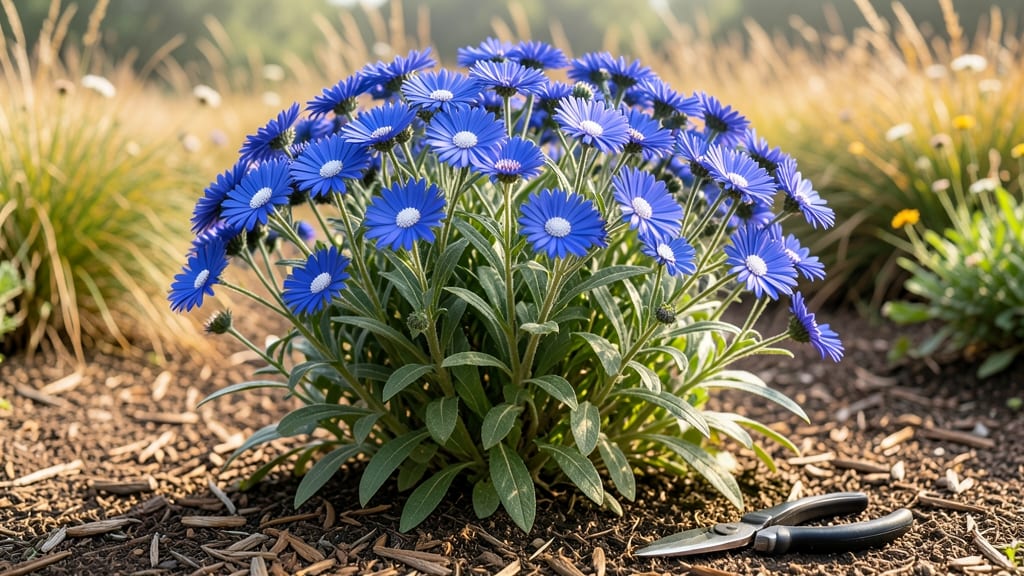
Blue African daisy flowers light up sunny gardens like nothing else—vibrant, cheerful, and impossible to ignore once they bloom from early summer through frost. 🌻 I’ve filled entire borders with them, and the effect is pure magic: a sea of blue-purple petals that catch the light at every angle, turning even an ordinary garden into a showstopper.
They thrive in hot, dry spots where many flowers wilt, making them the perfect low-maintenance superstar for borders, containers, or even mass plantings. Pair them with dusty miller for contrast or yarrow for texture, and you’ll create a display that lasts all season without fuss.
The secret? They love full sun and well-drained soil—basically, they’re the divas who actually want attention.
Imagine walking past your garden in July and having those bright blooms greet you every time, their petals shimmering like scattered sapphires. They even attract pollinators, so you’re not just getting beauty—you’re supporting bees and butterflies too.
Once planted, they’ll self-seed reliably, giving you more color year after year with almost no effort.
Whether you’re refreshing a tired border, brightening a patio container, or adding drama to a sunny corner, these daisies deliver instant impact with minimal work. Let’s make your garden the talk of the neighborhood—starting with these sun-loving stars.
📚 In This Guide
- What you need
- Instructions
- Tips and common mistakes
- Wrapping up and next steps
What you need
- ● Blue African Daisy Seeds: 1 packet (contains ~50 seeds) or 3-5 seedlings (if buying pre-started). Look for Dimorphotheca sinuata or Osteospermum varieties.
- ● Well-draining potting mix: 1 bag (12-18 quarts). Opt for a blend with perlite or sand for aeration.
- ● Containers or garden bed: For pots: 6-inch diameter containers (1 per plant) with drainage holes.
- ● For garden beds: Full sun exposure (6+ hours/day) and loose, rocky soil.
- ● Slow-release fertilizer: 10-10-10 NPK ratio (1 lb) or organic compost (2-3 cups).
- ● Watering can or hose with a gentle spray nozzle: For even moisture without disturbing seeds.
- ○ Mulch (optional): Straw or shredded bark (1-2 inches) to retain moisture.
- ● Fresh blue African daisies: 12-20 stems (cut at an angle for longer vase life).
- ● Floral preservative: 1 packet (or 1 tsp sugar + 1 tsp bleach per quart of water for DIY).
- ● Vase or container: Any size (tall and narrow for single stems, wide for bouquets).
- ○ Floral tape or rubber bands (optional): To secure stems during arranging.
- ● Scissors or floral shears: Sharp and clean for cutting stems.
- ○ Greenery fillers (optional): Eucalyptus, ferns, or baby’s breath for texture.
- ● Gloves (recommended): To protect hands from soil and thorns.
- ● Sunlight access: A south-facing window or outdoor space (critical for blooming!).
- ○ pH test kit (optional):
- ● Pruning shears (for maintenance): For trimming dead blooms to encourage regrowth.
How to grow lush blue African daisy flowers in your garden
These vibrant blooms thrive with the right care—here’s my foolproof approach.
🌱 Step 1: Choose the Perfect Planting Spot
Blue African daisies adore full sun—at least 6-8 hours daily—and well-draining soil. I always scout my yard first for the sunniest, most open area, avoiding spots where water pools after rain. These plants hate soggy roots, so if your soil drains poorly, amend it with 2-3 inches of compost or plant in a raised bed.
Here’s the thing—if your garden gets afternoon shade, don’t stress. These daisies tolerate partial shade (4-6 hours of sun), though their blooms may be slightly less vibrant. Watch for leggy stems or sparse flowers as a sign they need more light. A south- or west-facing spot is ideal, but east-facing works too if you’re in a cooler climate.
💧 Step 2: Plant at the Right Time and Depth
Spring is the best time to plant, after the last frost when soil warms to 60°F or higher. Dig a hole twice as wide as the root ball but only as deep—planting too deep buries the crown, which can rot. Gently loosen the roots if they’re circling tightly in the container.
Space plants 18-24 inches apart to allow airflow and prevent disease. I like to water deeply before planting to settle the soil, then add a 1-inch layer of mulch around the base (but not touching the stems) to retain moisture. Overwatering now is the biggest mistake—wait until the soil feels dry to the touch 1-2 inches down before watering again.
☀️ Step 3: Water and Fertilize for Continuous Blooms
Once established, blue African daisies are drought-tolerant, but consistent moisture keeps them thriving. Water 1-2 times per week, aiming for 1 inch of water per week—more in extreme heat or sandy soil. I always water at the base in the morning to prevent fungal issues from evening dampness.
Feed with a balanced, slow-release fertilizer (10-10-10) at planting, then again in early summer. Deadhead spent blooms regularly—this encourages nonstop flowering. You’ll notice new buds forming within 2-3 weeks of pruning back faded flowers. Skip the heavy hand with fertilizer; these plants prefer lean soil and overdoing it leads to lush foliage but fewer blooms.
✂️ Step 4: Prune and Maintain for Long-Lasting Beauty
Pruning isn’t just about looks—it keeps your daisies bushy and flowering. After the first flush of blooms, cut back stems by one-third to encourage branching. Use clean, sharp shears to avoid crushing stems, and always snip just above a leaf node or set of leaves.
In late summer, give your plants a light trim to remove any leggy or woody growth. This prevents them from looking ragged by fall. I also watch for yellowing leaves—a sign of overwatering or disease—and remove those immediately. With proper care, your blue African daisies will reward you with colorful blooms from early summer until frost.
Tips & tricks for perfect blue African daisy blooms
Real talk: These sun-loving beauties don't tolerate half-measures. Here's how to give them exactly what they need.
Sunlight Strategy: While 6-8 hours of direct sun is ideal, don't assume all sun is equal. Morning sun paired with afternoon shade actually works better in hot climates—it prevents leaf scorch while still delivering the light they crave. If you notice stems stretching toward the light, that's your plant begging for more consistent exposure. I've seen these daisies thrive in east-facing beds where afternoon sun would normally fry other plants.
Soil Science: The 2-3 inches of compost recommendation isn't just about drainage—it's about creating the perfect air-soil balance these roots love. I like to mix in perlite for an extra boost of aeration, especially in heavy clay soils. You'll know you've got it right when water runs through like tea through a strainer rather than pooling like soup. Test your soil's moisture by squeezing a handful—it should crumble easily when dry.
Fertilizer Timing: That early summer feeding window is critical for continuous blooms. I've found the best results come from splitting the second application into two smaller doses—once in late spring and again in early summer. This prevents a sudden nutrient spike that can lead to all foliage and no flowers. Think of it as a slow, steady drip rather than a fertilizer flood.
Pruning Precision: When you cut back those stems by one-third after the first flush, aim to make your cuts just above a set of leaves where new growth naturally emerges. This isn't arbitrary—it's where the plant's energy reserves are concentrated. I always use clean shears and make diagonal cuts to prevent water from pooling on the stem, which can invite disease. The key is to encourage branching without removing too much leaf surface area at once.
Pro Tips for Blue African Daisy Flowers
- Real talk: These sun-loving beauties don't tolerate half-measures. Here's how to give them exactly what they need.
- Sunlight Strategy: While 6-8 hours of direct sun is ideal, don't assume all sun is equal. Morning sun paired with aft...
- Soil Science: The 2-3 inches of compost recommendation isn't just about drainage—it's about creating the perfect air-...
Frequently asked questions
How long do blue African daisies last in a vase?
With proper care, these sun-loving beauties can last 7–10 days in a vase! Change the water every 2–3 days, trim stems at an angle, and keep them away from direct sunlight or heat sources. A splash of flower food (like bleach-free preservative) gives them extra staying power.
When is the best time to plant blue African daisies?
These hardy annuals thrive in spring or early summer after the last frost. They’re heat-tolerant, so planting in full sun (6+ hours daily) ensures vibrant blooms. If you’re in a hot climate, opt for fall planting to avoid peak summer stress.
Can I grow blue African daisies in containers?
They’re perfect for pots, hanging baskets, or window boxes as long as the container has drainage holes and well-draining soil. Use a 12–18 inch pot for 1–2 plants, and fertilize lightly every 4–6 weeks. Just ensure they get plenty of sunlight—even balconies work!
Why aren’t my blue African daisies blooming?
No flowers? Check these fixes:
- Not enough sun? Move to a sunnier spot (they need full sun).
- Over-fertilizing? Too much nitrogen = leafy growth, not blooms. Use a low-nitrogen fertilizer.
- Deadheading? Snip spent blooms to encourage new flowers!
- Stress? Ensure consistent watering (drought or soggy soil can halt blooming).
What’s a good alternative if I can’t find blue African daisies?
Try these similar sun-loving, drought-tolerant blooms:
- Blue salvia – Tall spikes with vibrant blue flowers.
- Lantana – Heat-loving with colorful clusters (some blue varieties!).
- Blue porterweed – Drought-resistant and pollinator-friendly.
- Statice – Dries well for arrangements and loves full sun.
Still stumped? Drop your question below—we’re happy to help your garden bloom brighter!
Wrapping up and next steps
The blue African daisy isn’t just a burst of color—it’s a symbol of resilience, beauty, and effortless charm that brightens any space with minimal fuss. Whether you’re a seasoned gardener or a newbie with a green thumb, these sun-loving blooms prove that stunning flowers don’t require complicated care.
Now that you’re armed with tips on planting, pruning, and troubleshooting, why not take the next step?
🌱 Ready to transform your garden? Grab your gloves, pick a sunny spot, and let these cheerful daisies steal the show—your outdoor oasis (or indoor windowsill) will thank you! Start planting today and enjoy the rewards of nature’s little masterpiece all season long.