
Planting
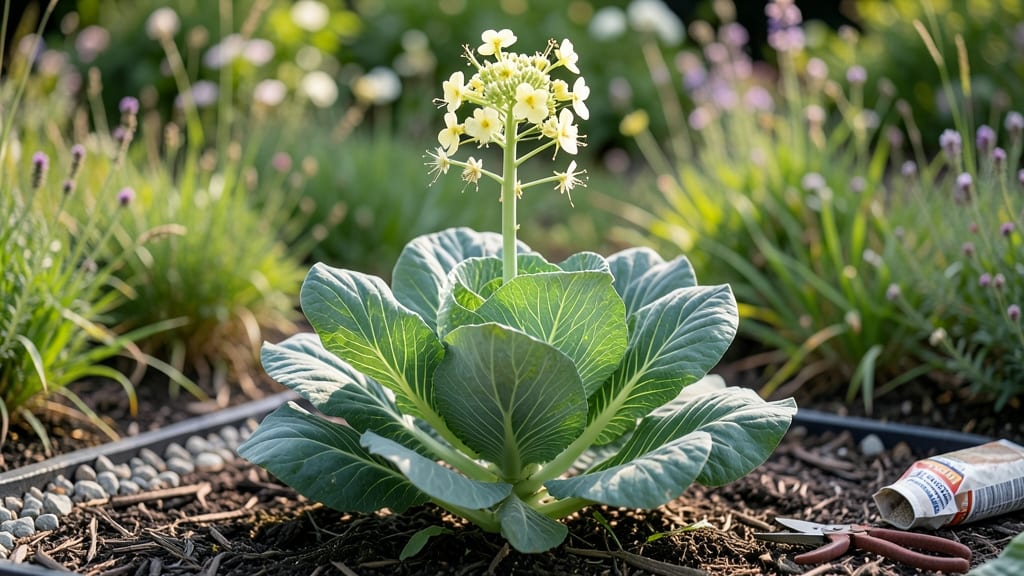
Seeing cabbage plants flower is like witnessing a secret life they never tell you about—those towering stems with yellow blooms are actually the plant’s way of saying, "I’m done producing food." 🌻 The timing and reasons behind it matter more than you’d think, especially if you’re growing cabbage for harvest.
Understanding this shift helps you decide whether to let nature take its course or intervene to keep your plants focused on what you planted them for.
Most gardeners panic when they spot that first flower stalk because it signals the end of the edible phase. But here’s the thing—cabbage plants will bolt (go to flower) eventually, especially in warm weather or if they sense the days are getting longer.
The key is managing when it happens. For head cabbage, you’ll want to remove those flower stalks early, while for leafy varieties like kale or collards, letting them bolt can actually improve flavor. It’s all about what you’re growing and when.
With just three strategic trimming tricks—pinching out early shoots, thinning crowded plants, and adjusting water—you can delay flowering for weeks, sometimes even months. That extra time means bigger, tighter heads or more tender leaves.
The payoff? A harvest that stays productive right up until frost. And once you master this, you’ll spot the warning signs before they become a problem.
This works for both spring and fall plantings, though summer heat is the real enemy of delayed flowering. The same principles apply whether you’re growing in the ground, raised beds, or containers. Let’s get those plants focused on what you planted them for—no surprises, just steady growth.
📚 In This Guide
- What you need
- Instructions
- Tips and common mistakes
- Wrapping up and next steps
What you need
- ● Cabbage plant (Brassica oleracea) – Choose a mature, healthy plant (preferably var. botrytis for ornamental flowers). Pro tip: Look for plants with a sturdy stem and vibrant green leaves!
- ● Well-draining potting mix – 5 gallons of a blend with 50% peat moss, 30% perlite, and 20% compost (or a pre-mixed vegetable garden soil).
- ● Container or garden bed – A 12-inch-deep pot (for containers) or a sunny garden spot with 6+ hours of sunlight daily.
- ● Balanced fertilizer (10-10-10) – 1 cup per plant every 4-6 weeks during the growing season.
- ● Pruning shears – Sharp, clean shears (disinfect with rubbing alcohol before use).
- ● Watering can or hose with a gentle spray nozzle – Avoid soggy soil!
- ● Epsom salt – 1 tablespoon dissolved in water monthly for magnesium boosts.
- ● Mulch (straw or shredded leaves) – To retain moisture and deter weeds.
- ● Garden gloves – For protection while trimming or handling soil.
- ● Support stake (bamboo or metal) – If your cabbage plant grows tall and needs extra stability.
- ● Plant food with calcium – Prevents blossom-end rot if your soil is deficient.
Step-by-step guide to encouraging cabbage plant flowers
Here's how to coax those showy blooms from your cabbage plants—no fancy tools needed.
🌱 Step 1: Identify and Select Healthy Plants
Start with mature cabbage plants showing tight, firm heads. Look for leaves that are deep green and free of yellowing or holes—these are your best candidates for flowering. I always check the undersides of leaves for pests first; a few aphids can stress a plant and delay blooming.
Choose plants that have reached half their full size (about 6-8 weeks old for most varieties). Younger plants won't have the energy to produce flowers, while overmature ones may bolt too quickly. The goal is timing: you want the plant strong but not exhausted from head formation.
☀️ Step 2: Provide Ideal Growing Conditions
Move your cabbage plants to a location with full sun exposure (6-8 hours daily). Flowering requires extra energy, so they'll need more light than they did during head formation. If your plants are currently in partial shade, gradually shift them toward sunnier spots over 5-7 days to avoid shocking them.
Keep soil consistently moist but not soggy—water when the top inch feels dry. Overwatering can cause root rot, while underwatering stresses the plant. I like to water in the morning so leaves dry quickly, reducing fungal risks. Fertilize lightly with a balanced 10-10-10 mix every 2 weeks to support blooming.
✂️ Step 3: Apply the 3 Key Trimming Tricks
Trick 1: Loosen the Head Gently – Use clean scissors to carefully cut away 1-2 outer leaves surrounding the head. This exposes the center to light and signals the plant to shift energy toward flowering. Don’t remove too much—just enough to open the head slightly.
Trick 2: Prune Side Shoots – If your plant develops small side shoots (common in varieties like Napa cabbage), snip them off at the base. This redirects energy to the main head and encourages a single, larger bloom. I do this every 10-14 days until flowering begins.
Trick 3: Top the Plant – When the head reaches 3/4 of its mature size, cut the top 1-2 inches off just above a set of leaves. This shock triggers flowering by forcing the plant to focus on producing flowers rather than expanding the head. Do this in the morning so the plant has the day to recover.
⏰ Step 4: Monitor and Support Flowering
Watch for small flower buds forming at the center of the head—this usually happens 3-6 weeks after trimming, depending on variety and conditions. If buds appear but then wilt, your plant may need more water or protection from direct afternoon sun.
Stake or cage taller plants to prevent them from toppling under the weight of blooms. I use bamboo stakes tied loosely with twine—tight ties can damage stems as they thicken. Once flowers open, deadhead spent blooms regularly to encourage more production.
Tips & tricks for perfect cabbage plant flowers
Here's what nobody tells you about getting those gorgeous blooms—tricks that make all the difference.
Timing is Everything: Those 6-8 hours of full sun per day are non-negotiable, but the quality matters too. I've found that morning sun (6 AM–10 AM) gives the best energy boost for flowering. If you're moving plants from partial shade, do it gradually over 5-7 days—sudden changes can stress them, and stressed plants won't bloom. Watch for leaves curling at the edges; that's your plant's way of saying "slow down."
Pruning Precision: When you're doing Trick 1 (loosening the head), cut just enough to expose the center—think "open the curtain" not "take the roof off." I use sharp scissors and make clean cuts at the base of the leaves. For Trick 3 (topping the plant), that 1-2 inch cut should be just above a set of leaves where new growth can emerge. The goal is to shock the plant just enough to trigger flowering without killing it.
Flowering Support: Once you see those tiny buds forming (usually 3-6 weeks after trimming), switch to deadheading every 3-4 days. This might seem counterintuitive—why remove flowers?—but it forces the plant to keep producing new blooms instead of focusing energy on seed development. I also recommend using soft ties for staking; twine can cut into stems as they thicken with flower weight.
Troubleshooting Wilting Buds: If your buds appear but then wilt, it's usually one of three things: too much afternoon sun (move to partial shade), inconsistent watering (keep that top inch moist but not soggy), or nutrient stress (give them a light dose of that 10-10-10 mix). I've had the most success with morning watering—it gives leaves time to dry before evening, reducing fungal risks.
Pro Tips for Cabbage Plant Flower
- Here's what nobody tells you about getting those gorgeous blooms—tricks that make all the difference.
- Timing is Everything: Those 6-8 hours of full sun per day are non-negotiable, but the quality matters too. I've found...
- Pruning Precision: When you're doing Trick 1 (loosening the head), cut just enough to expose the center—think "open t...
Frequently asked questions
Got questions about those gorgeous cabbage plant flowers? You’re not alone!
Here are answers to the most common queries—from timing to troubleshooting—so you can grow with confidence.
When do cabbage plants flower, and how long does it take?
Cabbage plants typically flower in late spring to early summer, about 60–90 days after transplanting. The timing depends on your variety (e.g., early, mid, or late-season) and climate. If flowers appear too early, it may signal stress—check for pests or nutrient deficiencies!
Should I remove cabbage flowers to keep producing leaves?
Yes!
Pinching off flowers (called bolting) redirects energy to leaf growth, keeping your cabbage lush and edible. Use clean scissors to snip the flower stalk below the first bud. Pro tip: Do this early in the morning for better healing.
What if my cabbage plant flowers but doesn’t form a head?
This usually happens due to heat stress, poor soil, or overcrowding. Move plants to partial shade, ensure consistent watering, and fertilize with a balanced NPK (10-10-10) mix. Some varieties (like Napa cabbage) are more tolerant of bolting—check your seed packet!
Can I eat cabbage flowers, or are they just for show?
Cabbage flowers (and buds) are edible
—they add a mild, slightly peppery flavor to salads, stir-fries, or garnishes. Just avoid sprayed pesticides and harvest young buds for the best taste. Bonus: They’re packed with vitamin C!
Will cold weather stop cabbage flowers from forming?
Cold snaps can delay or prevent flowering, but cabbages are hardy! Plant in cool-season zones (3–7) and use row covers for frost protection. If flowers form but freeze, they’ll likely regrow—just give them time and warmth.
What’s the best alternative if my cabbage bolts too early?
Try bolting-resistant varieties like ‘Golden Acre’ or ‘Red Express’, or opt for Chinese cabbage, which handles heat better. For a quick fix, harvest outer leaves first to extend the plant’s life. Succession planting in fall also works!
Wrapping up and next steps
Growing cabbage plant flowers is a rewarding journey that combines patience, care, and a few clever tricks!
Remember, the key to stunning blooms lies in proper pruning, light exposure, and nutrient balance—especially during the flowering stage. 🌸 With these 3 trimming techniques, you’ll transform your cabbage patch into a vibrant display of color and life.
Now that you’re armed with the know-how, roll up your sleeves and get growing! Start by applying these tips to your current plants, and don’t forget to share your progress with fellow gardeners. Happy planting—and may your cabbage flowers bloom brighter than ever! 🌱✨