
Flowers
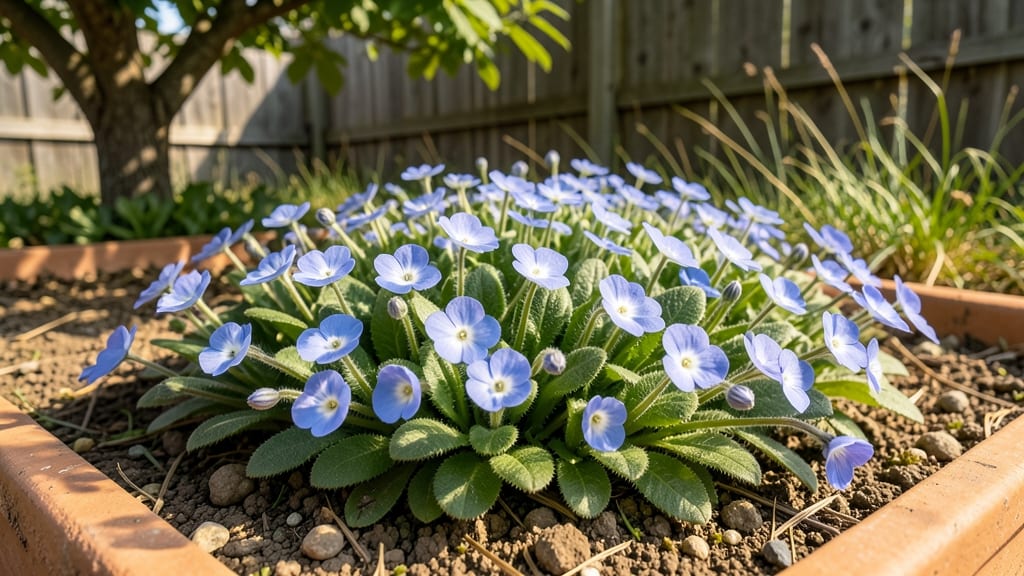
Growing Blue-Eyed Beauty flowers means year-round drama with almost no fuss. 🌿 These striking blue blooms thrive in USDA zones 7-10, and once established, they practically take care of themselves—even through winter. The secret lies in their love for sun, well-draining soil, and a little patience during the first year.
You’ll need a spot with full sun to partial shade, a soil mix that drains well (think sandy loam or amended clay), and moderate watering—never soggy roots.
The plants reward you with bold, globe-shaped clusters of blue flowers that appear from late spring through summer, and sometimes even in fall. Pruning is minimal: just trim back dead foliage in late winter, and you’re done.
What you end up with is a low-maintenance superstar that adds height and color to borders, containers, or even as a dramatic focal point. The dark green, strap-like leaves stay tidy, and the flowers attract pollinators all season long.
Once they’re settled in, they’ll bloom reliably for years with almost no attention.
Perfect for gardeners who want easy impact without the upkeep of fussier perennials. Whether you’re planting in the ground, a large pot, or a mixed border, Blue-Eyed Beauty delivers effortless elegance. Let’s get those roots in the soil!
📚 In This Guide
- What you need
- Instructions
- Tips and common mistakes
- Wrapping up and next steps
What you need
- ● Seeds: 10–20 Blue Eyed Beauty seeds (organic or heirloom for best results).
- ● Well-draining potting mix: 2–3 gallons (ensure it’s light and airy, like a blend of peat moss, perlite, and compost).
- ● Containers or garden bed: For containers: 6–12-inch pots with drainage holes (1–2 plants per pot).
- ● For garden beds: A sunny, slightly shaded spot with loose, rocky soil (they thrive in poor soil!).
- ● Mulch: 1–2 inches of organic mulch (e.g., straw or shredded bark) to retain moisture.
- ● Hand trowel or small shovel for planting.
- ● Watering can or hose with a gentle spray nozzle (they dislike soggy roots!).
- ○ Gloves (optional) for handling soil or seeds.
- ○ Pruning shears (optional) for light deadheading (though minimal pruning is needed!).
- ● Slow-release fertilizer (5–10–10 ratio, 1 tbsp per plant, applied sparingly).
- ● Garden twine or stakes (if growing in windy areas).
- ● Clear plastic domes or cloches (to protect seedlings from cold snaps).
- ● Companion plants: Try pairing with Lupine or Sweet Alyssum for a pollinator-friendly display!
How to cultivate blue-eyed grass for stunning year-round color
This striking ornamental grass thrives with almost no fuss—just a few key steps for vibrant foliage.
🌱 Step 1: Select the Perfect Planting Location
Blue-eyed grass (Sisyrinchium spp.) loves full sun to partial shade—at least 6 hours of direct light daily for best color intensity. In hotter climates, afternoon shade prevents leaf scorch. I plant mine where they’ll get morning sun and afternoon dappled light, especially in zones 5-9 where summer temperatures climb.
Check your site’s drainage first—this grass hates soggy roots. If your soil stays wet for more than 24 hours after rain, amend with 2-3 inches of gritty sand or plant in a raised bed. The roots need air as much as water. Dig a hole just slightly larger than the root ball, then loosen the sides to encourage spreading.
💧 Step 2: Plant and Water for Establishment
Set the plant so the crown sits level with the soil surface—burying it too deep causes rot, while leaving it exposed dries out the base. Backfill with native soil, then water deeply until moisture reaches 6 inches down. You’ll know it’s enough when the soil feels damp but not saturated.
After planting, water every 2-3 days for the first 2 weeks to help roots establish. Then taper to once weekly unless your area sees extreme heat or drought. Blue-eyed grass has shallow roots, so shallow watering (1-2 inches deep) keeps it thriving without waste.
☀️ Step 3: Maintain with Minimal Pruning
This is where the "minimal pruning" promise comes true. Cut back dead or browned foliage in early spring before new growth appears—just snip at the base with clean shears. Avoid heavy pruning; the grass grows in clumps and self-cleans naturally after flowering.
If you notice leggy stems or sparse blooms, it’s likely a light deficiency. Move the plant to a sunnier spot or divide clumps every 3-4 years to refresh vigor. Divide in early spring when shoots are 2-3 inches tall, using a sharp spade to lift and separate root sections.
✂️ Step 4: Encourage Year-Round Interest
Blue-eyed grass blooms in late spring to early summer, but its blue-green foliage stays attractive year-round. In fall, the leaves may turn golden—this is natural and adds seasonal contrast. Never cut back healthy foliage in winter; the texture provides winter interest.
For extended blooms, deadhead spent flowers by snipping off only the faded stems (leave the basal leaves intact). This redirects energy to new growth. In colder zones (below 5), mulch lightly with 1-2 inches of shredded bark to protect roots from freeze-thaw cycles.
Tips & tricks for perfect blue-eyed grass cultivation
Between us, these are the little details that turn good blue-eyed grass into showstopping garden stars—no green thumb required.
Lighting Strategy: That 6-hour minimum of sunlight is non-negotiable for those signature blue-green hues, but here's what nobody tells you—morning sun is your secret weapon. The cooler morning light prevents leaf burn while still delivering the intensity needed for vibrant foliage. In containers, rotate them quarter-turns weekly to ensure even exposure all around the plant.
Drainage Hack: The 24-hour rule for soggy soil is your safety net, but I've found a faster fix: mix in 1 part perlite to 3 parts native soil during planting. This creates instant drainage channels while still holding enough moisture for those shallow roots. For heavy clay soils, consider planting in 1-gallon containers with drainage holes—it's a game-changer for urban gardens.
Pruning Precision: When you're cutting back that dead foliage in early spring, focus on the brown stems only—never trim more than 1/3 of the plant's height at once. The grass stores energy in its basal leaves, and aggressive pruning can shock it into dormancy. I always use clean, sharp shears to make clean cuts just above the crown—this prevents disease and encourages bushier growth.
Seasonal Extension: For those colder zones below 5, the 1-2 inches of mulch is your winter insurance policy. But here's the pro move: apply it after the first hard frost when the soil is still workable. This creates a protective barrier without smothering the plant. In spring, remove the mulch once you see new growth emerging—usually around late April in most climates.
Pro Tips for Blue Eyed Beauty Flower
- Between us, these are the little details that turn good blue-eyed grass into showstopping garden stars—no green thumb required.
- Lighting Strategy: That 6-hour minimum of sunlight is non-negotiable for those signature blue-green hues, but here's what nobody tells you—morning sun is your secret weapon.
- Drainage Hack: The 24-hour rule for soggy soil is your safety net, but I've found a faster fix: mix in 1 part perlite to 3 parts native soil during planting.
Frequently asked questions
How often should I water my Blue Eyed Beauty Flower?
Water your Nemophila menziesii (Blue Eyed Beauty) when the top inch of soil feels dry. Overwatering is the biggest risk—aim for 1-2 times per week in warm weather, but reduce to once every 10-14 days in cooler months. Pro tip: Use well-draining soil and a pot with drainage holes to avoid soggy roots!
When is the best time to plant Blue Eyed Beauty Flowers?
For year-round blooms, plant in early spring or late summer (after the last frost). These cool-season beauties thrive in temperatures between 50°F and 70°F. If you’re in a warm climate, opt for fall planting to avoid summer heat stress. Bonus: They self-seed easily, so you might get surprises next season!
Why aren’t my Blue Eyed Beauty Flowers blooming?
If your plant is leafy but not flowering, it could be due to too much shade, over-fertilizing (especially with nitrogen), or lack of sunlight. Move it to a spot with 4-6 hours of sunlight daily and use a balanced, low-phosphorus fertilizer (like 5-10-5). Deadheading spent blooms also encourages more flowers!
Do Blue Eyed Beauty Flowers need pruning?
Minimal pruning is key! Trim back dead or leggy stems to encourage bushier growth, and snip off faded blooms to promote new flowers. Avoid heavy pruning—these delicate plants prefer a light touch. Fun fact: Their self-seeding habit means you might not need to prune at all if you love a wild, cottage-garden look!
Can I grow Blue Eyed Beauty Flowers in containers?
These flowers thrive in 5-7 inch pots with well-draining soil. Use a mix of potting soil and perlite for best results. Just ensure the container has drainage holes and rotate it occasionally for even sunlight exposure. Container tip: Pair them with other cool-season flowers like snapdragons or lobelia for a pop of color!
Wrapping up and next steps
The Blue Eyed Beauty flower is a stunning, low-maintenance gem that brings year-round charm to any garden with minimal effort—just the right soil, sunlight, and occasional pruning! 🌸 Whether you're a seasoned gardener or a beginner, this resilient bloomer rewards patience with vibrant blue-purple flowers and lush foliage.
Ready to transform your outdoor space?
Your next step? Plant one today! Start with a healthy specimen, follow the care tips shared, and watch your garden flourish effortlessly. Happy gardening—your future blooms are waiting! 🌱