
Flowers
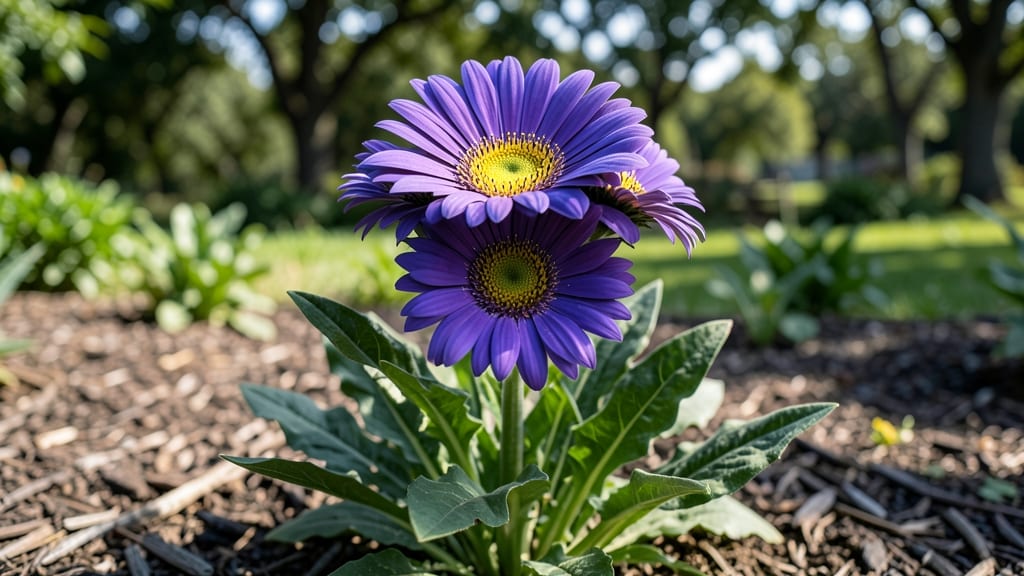
The blue-eyed daisy flower transforms any sunny garden corner into a cheerful, low-maintenance showstopper with its delicate white petals and striking blue centers. 🌸 I remember the first time I saw one in a neighbor’s yard—it looked like a tiny, cheerful sunburst, and I knew I had to grow them myself.
These perennials thrive where many flowers struggle, making them perfect for beginners eager to add easy beauty without fuss.
Blue-eyed daisies love full sun and well-draining soil, but they’re surprisingly adaptable—even tolerating poor soil if it’s not soggy. Plant them in spring or early fall, spacing them about 12-18 inches apart, and watch them spread into cheerful clumps over time.
They’re hardy in zones 3-9, so whether you’re in a cold northern climate or a warm southern one, they’ll reward you with blooms from early summer through fall.
Once established, these daisies need little care beyond occasional deadheading to encourage more flowers. They’re drought-tolerant once rooted, so watering deeply once a week is plenty—just enough to keep the soil lightly moist.
With their cheerful faces turning toward the sun, they’ll bring joy to borders, containers, or even wildflower meadows.
If you’ve ever wanted a flower that’s as easy to grow as it is beautiful, blue-eyed daisies are your answer. They multiply over time, self-seed happily, and attract pollinators—making them a gardener’s secret weapon for effortless charm. Ready to add some sunny brilliance to your garden?
📚 In This Guide
- What you need
- Instructions
- Tips and common mistakes
- Wrapping up and next steps
What you need
- ● Blue-eyed daisy seeds: 1 packet (50-100 seeds) – Choose high-quality, organic seeds for best results.
- ● Well-draining potting mix: 2-3 gallons – A blend of peat moss, perlite, and compost (60% potting soil, 20% perlite, 20% compost) works wonders.
- ● Containers or garden bed: For pots: 4-6 inch diameter containers (2-3 per seedling) with drainage holes.
- ● For garden beds: A sunny spot with 6+ hours of sunlight daily and loose, fertile soil.
- ● Watering can or spray bottle: With a fine rose nozzle for gentle watering.
- ○ Fertilizer (optional but recommended): Balanced 10-10-10 or 5-10-10 granular fertilizer (1 tbsp per plant).
- ● Fish emulsion or compost tea (for organic gardening).
- ● Garden trowel or small shovel – For transplanting seedlings.
- ○ Gloves (optional) – To protect hands from soil and thorns.
- ● Pruning shears – For deadheading spent blooms (encourages more flowers!).
- ○ Mulch (optional) – Straw or shredded leaves (1-2 inches) to retain moisture.
- ○ pH testing kit (optional) – Ideal soil pH: 6.0-7.0 (slightly acidic to neutral).
Step-by-step instructions for cultivating blue-eyed daisy flowers
Here's how to coax these cheerful blooms from seed to showstopper display.
🌱 Step 1: Prepare the Ideal Planting Site
Blue-eyed daisies thrive in full sun with at least 6-8 hours of direct sunlight daily. Choose a location where they'll receive consistent afternoon sun—morning shade works if your summers are scorching. The soil should drain quickly but retain some moisture; amending heavy clay with 2-3 inches of coarse sand or perlite prevents root rot.
Clear the area of weeds and loosen the top 6 inches of soil with a garden fork. These plants dislike competition and need room to spread. If planting in containers, select pots with drainage holes and use a well-draining potting mix—blue-eyed daisies despise soggy roots. I always test drainage by filling a pot halfway with water and watching how quickly it drains; if it takes more than 15 minutes, the mix needs more perlite.
🌱 Step 2: Sow Seeds at the Right Time and Depth
Sow blue-eyed daisy seeds outdoors after the last frost date when soil temperatures reach at least 60°F. Direct sowing is easiest—scatter seeds ¼ inch deep and space them 12-18 inches apart in rows 18 inches apart for proper airflow. Press them lightly into the soil but don't bury them too deeply; they need light to germinate.
Keep the soil consistently moist but not waterlogged until germination, which typically occurs in 10-21 days. I use a fine mist spray bottle to avoid disturbing the seeds. Once seedlings emerge, thin them to 12 inches apart—crowding leads to leggy, weak stems and fewer blooms. This is the moment that matters: healthy seedlings should have two true leaves before thinning.
☀️ Step 3: Provide Consistent Care for Abundant Blooms
Water blue-eyed daisies deeply once a week during dry spells, aiming for 1 inch of water per week. Let the top 2 inches of soil dry out between waterings to prevent fungal diseases. Mulch around the base with 1-2 inches of organic mulch to retain moisture and suppress weeds—just keep it 2 inches away from the stems to avoid rot.
Fertilize lightly in early spring with a balanced, slow-release fertilizer (10-10-10) to encourage lush growth. Too much nitrogen produces foliage at the expense of flowers. Deadhead spent blooms by snipping stems ½ inch above the next set of leaves to encourage continuous flowering. I always use clean, sharp pruners to avoid tearing stems, which invites disease.
✂️ Step 4: Prune and Overwinter for Next Season
After the first frost, cut back stems to 4-6 inches tall to promote new growth in spring. Blue-eyed daisies are perennial in USDA zones 5-10, so they'll return year after year with proper care. In colder climates, add 2-3 inches of mulch around the base to insulate roots through winter.
Divide clumps every 3-4 years in early spring to rejuvenate plants. Dig up the entire clump, separate into sections with 3-4 stems each, and replant immediately. This prevents overcrowding and ensures vibrant blooms for seasons to come. Real talk: dividing is easier than it sounds—just use a sharp spade and go slow.
Tips & tricks for perfect blue-eyed daisy flower cultivation
Here's what nobody tells you about growing these stunning perennials—tricks that'll turn your garden into a blue-eyed daisy paradise.
Sunlight Strategy: The 6-8 hours of daily sunlight is non-negotiable, but here's the secret: position your plants to catch that golden afternoon sun. Morning shade in hot climates actually protects delicate petals from scorching. I've found that placing them slightly east of true south maximizes light exposure without overheating the roots during peak afternoon heat.
Germination Timing: Those 10-21 days for germination might seem like a waiting game, but you can actually speed things up by using a seedling heat mat set to 70°F. Place it under your seed trays for the first week—it'll cut your wait time by nearly half. Just remember to remove it once sprouts appear to prevent leggy growth. The key is consistency: keep that soil moist but never soggy during this critical period.
Thinning Technique: When it's time to thin seedlings to 12 inches apart, I've learned to do it in stages. First thin to 6 inches, let them grow for 2 weeks, then do the final thinning. This two-step process gives roots more time to establish before full spacing. Watch for those two true leaves—once they appear, you know the seedlings are strong enough to handle the final thinning without shock.
Winter Protection: That 2-3 inches of mulch for winter insulation works wonders, but here's my pro move: I add a layer of straw on top of the regular mulch. The straw acts like a blanket, protecting against temperature fluctuations that can stress the roots. In zones 5-6, I even cover the entire plant with frost cloth during extreme cold snaps—it's worth the effort to preserve those stunning blooms for next season.
Pro Tips for Blue Eyed Daisy Flower
- Here's what nobody tells you about growing these stunning perennials—tricks that'll turn your garden into a blue-eyed daisy paradise.
- Sunlight Strategy: The 6-8 hours of daily sunlight is non-negotiable, but here's the secret: position your plants to catch that golden afternoon sun.
- Germination Timing: Those 10-21 days for germination might seem like a waiting game, but you can actually speed things up by using a seedling heat mat set to 70°F.
Frequently asked questions
How do I tell if my blue-eyed daisy seeds are still viable?
These tiny seeds can lose viability after 1–2 years if stored improperly. Test them by placing a few in damp paper towels—if they sprout in 7–14 days, they’re good! Store unused seeds in a cool, dry place (like the fridge) to extend their life. Pro tip: Label seed packets with the date to avoid guesswork!
Why aren’t my blue-eyed daisies blooming?
These delicate annuals need full sun (6+ hours/day) and well-draining soil. Overcrowding or poor light can stunt blooms. Try thinning seedlings to 6–12 inches apart and deadhead spent flowers to encourage more blooms. If planted too late in the season, they may bolt (go to seed) instead of flowering. Troubleshoot: Check for pests like slugs—they love young sprouts!
Can blue-eyed daisies survive winter?
Nope! These are cool-season annuals that thrive in USDA Zones 7–10 but die back in frost. In colder climates, treat them as short-lived perennials—they’ll self-seed if happy. For year-round color, plant them in fall (they’ll bloom early spring) or early spring (for summer blooms). Bonus: Their seeds often reseed naturally, creating cheerful “volunteer” patches!
What flowers pair well with blue-eyed daisies?
These dainty blues love companion plants that mirror their low-growing, airy habit. Try:
- Sweet alyssum (white/purple) – fills gaps with tiny blooms.
- Calendula (orange) – deters pests and adds warmth.
- Lobelia (blue/purple) – creates a “ocean” theme.
- Creeping thyme – drought-tolerant ground cover.
Are blue-eyed daisies toxic to pets or kids?
Great news—they’re non-toxic to cats, dogs, and humans! However, their delicate stems can snap easily, so keep play areas clear. Always supervise young kids near gardens to avoid accidental ingestion of soil or seeds. Safety note: While safe, some pets may nibble—redirect them with pet-safe herbs like catnip nearby!
Wrapping up and next steps
Growing a blue-eyed daisy is a rewarding journey that brings vibrant color and joy to your garden! 🌸 With the right soil, sunlight, and care, these cheerful blooms will thrive and spread their beauty effortlessly.
Whether you're a seasoned gardener or just starting, your dedication will pay off in a stunning display of natural art.
Ready to take the next step? Start by planting your seeds or seedlings this season—and watch your garden transform into a blue-eyed daisy paradise! Share your progress with fellow gardeners or even experiment with companion plants to enhance their growth. Happy gardening! 🌱