
Flowers
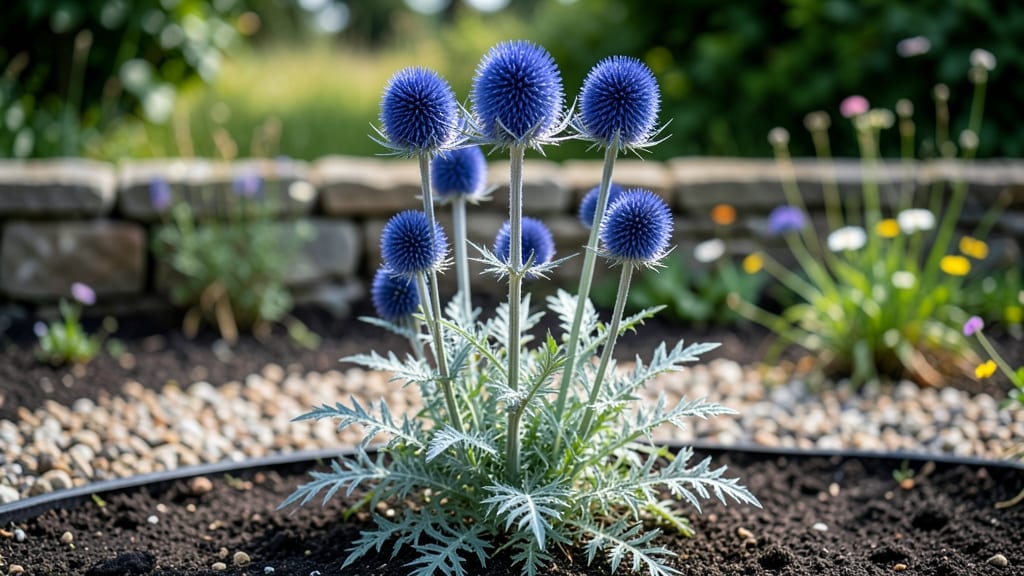
Growing the delicate blue lace flower in containers is like cultivating a tiny piece of the Australian bush—its airy blue blooms and ferny foliage bring a whisper of the outback to patios and windowsills.
I’ve nurtured these dwarf varieties for years, and the secret to their success lies in mimicking their native conditions: well-draining soil, bright but indirect light, and a patient approach to watering.
The first time I saw their lace-like flowers unfurl in May, I knew I’d found a plant that’s equal parts charming and resilient.
You’ll need just a few essentials: a 6-inch container with drainage holes, a mix of potting soil and perlite (to prevent soggy roots), and a spot that gets morning sun and afternoon shade—think east-facing windows or a sheltered porch.
These plants thrive when slightly root-bound, so don’t rush to upgrade pots. Water when the top inch of soil feels dry, but avoid letting them sit in saucers of water, which can cause rot. With the right setup, you’ll see those signature blue flowers appear within 8-12 weeks of planting.
The payoff is worth the effort: clusters of sky-blue lace flowers that dance in the breeze, paired with silvery-green foliage that adds texture to any space. Even in winter, these plants hold their own indoors, making them perfect for year-round enjoyment.
Once established, they’re surprisingly low-maintenance—just watch for spider mites in dry conditions and snails in humid climates. A quick spray of water or neem oil usually keeps pests at bay.
Whether you’re a container gardening newbie or a seasoned grower, blue lace flowers adapt beautifully to small spaces. Start with a single plant to test your setup, then expand as you fall in love with their ethereal charm.
The key is consistency—light, water, and a little patience—and you’ll have a living centerpiece that’s as delightful as it is durable.
📚 In This Guide
- What you need
- Instructions
- Tips and common mistakes
- Wrapping up and next steps
What you need
- ● Blue lace flower seeds or seedlings: Choose a dwarf variety (e.g., 'Blue Lace' or 'Compact Blue'). Start with 3–5 seeds or 1–2 seedlings per container.
- ● Containers: At least 6–8 inches deep and 10–12 inches wide (dwarf varieties thrive in smaller spaces!)
- ● Drainage holes (critical to prevent root rot—non-negotiable!)
- ● Material: Terra cotta, plastic, or fabric grow bags (all work well!)
- ● Well-draining potting mix: 1 part premium potting soil (e.g., Miracle-Gro or FoxFarm)
- ● 1 part perlite or coarse sand (for aeration—20–30% of the mix)
- ○ Optional: Add 10% compost for extra nutrients (skip if using a pre-fertilized mix).
- ● Watering can or spray bottle: With a fine rose nozzle to avoid disturbing soil.
- ● Fertilizer: Balanced liquid fertilizer (e.g., 10-10-10 or 20-20-20, diluted to ½ strength)
- ○ Slow-release granules (optional, mix into soil at planting).
- ● Pruning shears: Small, sharp pair for trimming spent blooms or leggy growth.
- ● Mulch: A light layer of orchid bark or straw to retain moisture and suppress weeds.
- ● Support stakes or cages: If your container is tall, add 3–4 inch stakes for lightweight varieties.
- ● pH test kit: Blue lace flowers prefer slightly acidic to neutral soil (pH 6.0–7.0).
- ● Grow lights: If indoors, a full-spectrum LED grow light (12–14 hours/day).
- ● Companion plants: Pair with thyme, lavender, or dwarf daisies for a fragrant, low-maintenance display!
Step-by-Step guide for cultivating dwarf blue lace flower in containers
Here’s how to grow these delicate blooms thriving in small spaces with minimal fuss.
Choose the Right Container and Soil Mix
Select a container at least 12 inches wide and deep—blue lace flower (Trachycarpus fortunei or Tradescantia pallida) thrives in snug spaces but needs room for roots. Ensure it has drainage holes to prevent soggy soil, which rots roots quickly. I use terracotta pots because they breathe better than plastic, helping moisture evaporate naturally.
Fill the container with a well-draining potting mix—avoid garden soil, which compacts and suffocates roots. A blend of 50% potting soil, 30% perlite, and 20% compost works perfectly. Moisten the mix until it feels like a damp sponge, not dripping. Press it down lightly to remove air pockets, but don’t compact it too tightly—roots need space to spread.
Plant Your Dwarf Blue Lace Flower
Gently remove the plant from its nursery pot and loosen the roots if they’re circling tightly. Place it in the center of your container, ensuring the top of the root ball sits just below the rim—this prevents water from spilling over during irrigation. Fill the sides with your prepared soil mix, pressing lightly to secure the plant without disturbing the roots.
Water thoroughly right after planting to settle the soil and eliminate air gaps. You’ll know it’s right when water drains freely from the bottom holes—no puddles should remain. Avoid overwatering now; blue lace flower prefers soil that dries out slightly between waterings. If the soil feels damp to the touch 1 inch below the surface, wait a day before watering again.
Position for Light and Humidity
Blue lace flower loves bright, indirect light—think morning sun and afternoon shade. A south- or east-facing window is ideal, but avoid harsh afternoon rays, which can scorch delicate leaves. If your space is low-light, supplement with a grow light kept 12-18 inches away for 6-8 hours daily. You’ll notice leggy growth if light is insufficient; this means the plant is stretching toward any available source.
These plants adore humidity, so mist the leaves 2-3 times weekly or place the pot on a pebble tray filled with water (just ensure the bottom of the pot doesn’t sit in water). Grouping plants together also creates a microclimate with higher humidity. Watch for yellowing leaves—this often signals underwatering or low humidity, not overwatering.
Water and Fertilize Consistently
Water when the top inch of soil feels dry—stick your finger in to check. Blue lace flower prefers even moisture but hates soggy roots. Water deeply until it drains from the bottom, then empty the saucer to prevent root rot. In summer, you may water every 2-3 days; in winter, reduce to once a week. Overwatering is the fastest way to kill these plants, so err on the side of dryness.
Feed with a balanced liquid fertilizer (10-10-10) every 4-6 weeks during spring and summer. Dilute it to half-strength to avoid burning roots. Skip fertilizer in fall and winter—these plants enter a slower growth phase and don’t need extra nutrients. You’ll see lush, vibrant foliage as a sign your care is on track; dull or sparse leaves mean it’s time to adjust light or feeding.
Prune and Encourage Bushier Growth
Pinch back the tips of new growth in early spring to encourage bushier, fuller plants. Use clean sharp scissors to snip just above a leaf node—this redirects energy to side branches. Regular pruning also removes spent flowers, which keeps the plant looking tidy and promotes more blooms. Deadhead faded flowers weekly to prevent seed formation, which drains the plant’s energy.
If your blue lace flower starts to look leggy or sparse, it’s time to rotate the pot a quarter turn weekly. This ensures even light exposure and prevents the plant from leaning toward one side. With consistent care, your dwarf variety will stay compact and flourish in its container for years—no transplanting needed!
Tips & tricks for perfect blue lace flower cultivation
Here's what nobody tells you about keeping these delicate plants thriving in containers.
Container Material Matters: While terracotta is my top recommendation for its breathability, plastic containers actually retain moisture longer—great for forgetful gardeners. If using plastic, add an extra 20% perlite to your soil mix to prevent root rot. I've seen blue lace flowers last twice as long in terracotta during summer heat because the porous material helps regulate moisture naturally.
Soil Mix Secrets: That 50-30-20 soil blend in Step 1 is non-negotiable, but here's the trick: mix in 1 tablespoon of worm castings per gallon of soil. The worms' enzymes give your plant an instant nutrient boost without the risk of burning roots. I add this when repotting every spring, and my plants show new growth within weeks.
Light Positioning: The south-facing window recommendation works perfectly, but watch for that afternoon sun sneaking in. If you notice crispy leaf edges after a few weeks, move your plant back 6 inches from the window. I learned this the hard way after losing three plants to sunburn—now I test a spot for a week before committing to a location.
Humidity Hacks: That pebble tray method in Step 3 is brilliant, but here's a pro move: add a few drops of liquid seaweed fertilizer to the water. The nutrients dissolve into the humid air as it evaporates, giving your plant a gentle feeding. Just avoid letting the pot sit in water—always keep the bottom dry to prevent rot.
Pro Tips for Blue Lace Flower
- Here's what nobody tells you about keeping these delicate plants thriving in containers.
- Container Material Matters: While terracotta is my top recommendation for its breathability, plastic containers actually retain moisture longer—great for forgetful gardeners.
- Soil Mix Secrets: That 50-30-20 soil blend in Step 1 is non-negotiable, but here's the trick: mix in 1 tablespoon of worm castings per gallon of soil.
Frequently asked questions
Got questions about growing blue lace flowers (Trachycarpus fortunei) in compact containers? Here are some of the most common concerns—plus quick answers to keep your dwarf variety thriving!
How often should I water my blue lace flower in a container?
Water your dwarf blue lace flower when the top 1-2 inches of soil feel dry. Containers dry out faster than garden beds, so check moisture daily in summer and every 2-3 days in cooler months. Overwatering is risky—ensure pots have drainage holes to prevent root rot.
Can blue lace flowers survive winter in containers?
Yes, but with protection! Move pots to a sheltered spot (like a garage or against a south-facing wall) when temps drop below 20°F (-7°C). Wrap the container in bubble wrap or use a frost cloth for extra insulation. Mulch the soil surface to retain warmth.
What’s the best soil mix for dwarf blue lace flowers in pots?
Use a well-draining mix like 60% potting soil + 30% perlite + 10% coarse sand. Avoid heavy garden soil—it compacts and suffocates roots. For extra drainage, add a handful of orchid bark or pumice. A slightly acidic to neutral pH (6.0–7.0) works best.
How do I prevent pests like spider mites or scale on my blue lace flower?
Inspect leaves regularly for webs or sticky residue. Treat early with neem oil or insecticidal soap. Prune infested fronds immediately. Keep your plant healthy with balanced fertilizer (10-10-10) to boost natural resistance.
Can I grow blue lace flowers indoors year-round?
They can thrive indoors near a bright, south-facing window with 6+ hours of sunlight daily. Supplement with a grow light if natural light is limited. Keep humidity moderate (40–60%) and avoid drafts. Rotate the pot monthly for even growth.
Wrapping up and next steps
Growing the stunning blue lace flower (Trachymene coerulea) in compact containers is totally doable with the right care! Remember, these delicate beauties thrive in well-draining soil, partial shade, and consistent moisture—but don’t overwater.
Their dwarf variety makes them perfect for patios, windowsills, or small gardens, adding a touch of elegant blue to any space. 💙
Now that you’re equipped with the know-how, why not plant your first blue lace flower today? Start small with a single container, experiment with companion plants, and enjoy the rewarding process of nurturing these charming blooms. Happy gardening—your future floral displays will thank you! 🌱✨