
Flowers
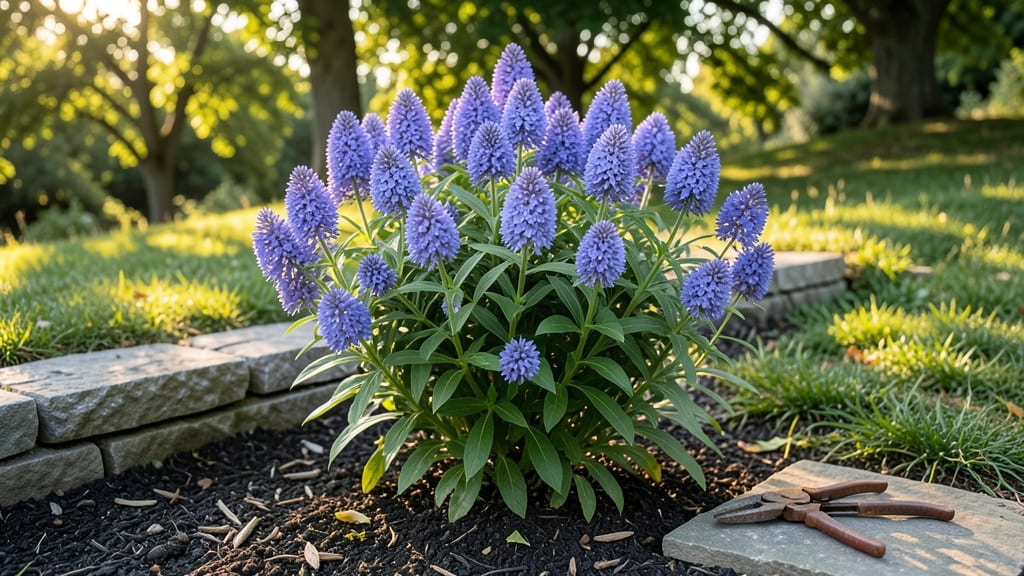
Blue pom pom flowers are the whimsical secret to a cottage garden that feels like a storybook illustration. 🌿 Their fluffy, rounded blooms—whether deep blue, lavender, or sky-hued—bring that effortless charm to borders, containers, and even hanging baskets.
I’ve used them to soften sharp garden edges and tie together color schemes with minimal effort, and they always draw compliments.
The magic lies in their versatility: they thrive in full sun or partial shade, bloom from early summer into fall, and even hold their shape in dried arrangements. Pair them with white daisies for a dreamy contrast or plant them alongside silver foliage to make the blues pop.
In containers, they cascade beautifully over edges, adding movement and texture to patios or porches.
You’ll love how they transform a garden into a living watercolor—soft, romantic, and full of life. Their delicate yet bold presence makes them perfect for cutting gardens too, where they last longer than most blooms in vases.
The key is placing them where you’ll see them often, like near seating areas or along pathways.
Whether you’re designing a new border or refreshing an existing one, these flowers deliver year-round interest with minimal upkeep. Start small with a single pot or go bold with a full border—either way, your garden will feel like a curated escape. Let’s make yours unforgettable.
📚 In This Guide
- What you need
- Instructions
- Tips and common mistakes
- Wrapping up and next steps
What you need
- ● Blue pom pom flowers (e.g., Caryopteris × clandonensis 'Heavenly Blue' or Callistemon varieties): 6–12 plants (depending on garden size)
- ● Choose nursery-grown, healthy specimens (avoid leggy or root-bound)
- ● Well-draining potting mix: 1–2 bags (for containers) or amend garden soil with compost
- ● Organic fertilizer (balanced 10-10-10 or slow-release): 1–2 lbs
- ● Mulch (pine bark or shredded leaves): 2–3 cubic feet (to retain moisture)
- ● Pruning shears: 1 pair (for shaping and harvesting)
- ● Garden gloves: 1 pair (to protect hands from thorns or rough stems)
- ● Watering can or hose with a gentle spray nozzle: 1 (for consistent hydration)
- ○ Optional: Drip irrigation kit (for low-maintenance watering)
- ● Fresh or dried blue pom pom flowers: 1–2 bunches (harvest when fully bloomed)
- ● Floral wire (22–24 gauge): 1 roll (for securing stems)
- ● Hot glue gun & glue sticks: 1 (for quick attachments in wreaths or garlands)
- ● Scissors or floral snips: 1 pair (for trimming stems cleanly)
- ● Cardboard or foam core: 1 sheet (for base structures like wreaths)
- ● Ribbon or twine (blue, white, or neutral tones): 1–2 yards (for finishing touches)
- ○ Optional: Preservative spray (for extending dried flower life)
- ○ Optional: Acrylic paint & brush (for painting stems or accents)
- ● Vase or container (glass, ceramic, or mason jar): 1–2 (choose a shape that complements the pom pom texture)
- ● Floral foam (if using a vase): 1 block (to secure stems)
- ● Blue or neutral filler flowers (e.g., statice, baby’s breath): Small bunch (for contrast)
- ● Greenery (eucalyptus, ferns, or ivy): 1–2 sprigs (to balance the arrangement)
- ○ Optional: Dried lavender or baby’s breath (for long-lasting bouquets)
- ○ Optional: Fairy lights or battery-operated candles (for magical evening displays)
How to cultivate blue pom pom flowers for year-round cottage garden magic
Here's how I turn these playful blooms into a garden's star attraction—simple steps for lush, long-lasting color.
🌱 Step 1: Choose the Right Varieties for Your Climate
Blue pom pom flowers come in annual and perennial types, so pick based on your growing zone. Annuals like Lobelia erinus or Cuphea hyssopifolia deliver instant color but need replanting yearly. Perennials like Echinacea purpurea 'Blue Dawn' or Ageratum houstonianum return every season with minimal fuss.
I always check USDA zone labels—annuals thrive in zones 2-11, while perennials like echinacea prefer zones 3-9. For cooler climates, opt for cold-hardy annuals like Myosotis sylvatica (forget-me-nots), which self-seed reliably. If your summers are scorching, shade-tolerant varieties like Ageratum stay vibrant.
☀️ Step 2: Plant in Well-Draining Soil with Partial Sun
Pom pom flowers despise soggy roots, so amend heavy soil with 2-3 inches of compost to improve drainage. A mix of 50% garden soil, 30% compost, and 20% perlite works perfectly. I test moisture by squeezing a handful—if it holds shape but crumbles when pressed, it's ideal.
Most varieties prefer 4-6 hours of morning sun and afternoon shade, especially in hotter zones. In containers, use well-draining potting mix and place pots where they get dappled light. Watch for leaves yellowing at the edges—this signals overwatering or poor drainage.
💧 Step 3: Water Consistently Without Overdoing It
Keep soil evenly moist but never soggy—blue pom poms wilt dramatically if thirsty but also rot if drowned. I water at the base in the morning, using ½ gallon per plant every 2-3 days during active growth. Reduce to once weekly once established, checking soil moisture by sticking a finger 1 inch deep.
Mulch with 1-2 inches of straw or shredded leaves to retain moisture and suppress weeds. Avoid mulching too close to stems—leave a 1-inch gap to prevent rot. If leaves droop in heat, give a quick drink and watch them perk up within minutes.
✂️ Step 4: Prune and Deadhead for Continuous Blooms
Trim spent flowers every 2 weeks to encourage new buds. Simply snip the stem just above a set of healthy leaves using clean shears. I deadhead Ageratum aggressively—it rewards me with 6-8 weeks of nonstop blooms if I stay on top of it.
For leggy growth, pinch back tips when plants are 6-8 inches tall to promote bushier habits. Avoid cutting into old wood—new growth emerges from tender stems. If flowers fade to brown, it’s time to prune again. This keeps your pom poms looking fresh all season.
🪴 Step 5: Extend the Season with Containers and Cold Frames
For year-round charm, grow in 10-12 inch pots with well-draining mix. Move containers to sheltered spots in fall and cover with frost cloth when temps dip below 30°F. I’ve kept Myosotis blooming through winter with this trick—just water sparingly when soil freezes.
In warmer zones, overwinter perennials with 2-3 inches of mulch and reduced watering. Check soil occasionally—if it’s bone dry, give a light drink. With this care, your blue pom poms will return stronger each spring, ready to steal the show again.
Tips & tricks for perfect blue pom pom flowers
Here's what nobody tells you about keeping these cheerful blooms thriving all year—small details that make a big difference.
Variety Selection: If you're in zone 2-5, prioritize Myosotis sylvatica (forget-me-nots) for their cold hardiness—they self-seed like crazy and come back stronger each spring. For zones 6-9, Echinacea purpurea 'Blue Dawn' is my go-to perennial because it handles both heat and humidity without fuss. I've learned this the hard way after losing delicate annuals to winter freezes.
Soil Mix Secret: That 50-30-20 soil mix (garden soil/compost/perlite) is non-negotiable for blue pom poms. The perlite prevents compaction, which is crucial when you're dealing with shallow-rooted varieties like Ageratum. Pro tip: Sift the mix before planting to eliminate any large clumps that could restrict root growth.
Watering Watch: The "finger test" for soil moisture is your best friend—stick your finger 1 inch deep and if it feels dry, that's your cue to water. I've ruined several batches by either drowning them or letting them get bone dry. Morning watering is key because it gives plants time to dry out before evening, preventing fungal issues.
Pruning Progression: When pinching back leggy growth at 6-8 inches, always cut just above a set of leaves where new buds form. I use clean shears and sanitize them with rubbing alcohol between cuts to prevent spreading disease. This aggressive pruning might seem harsh, but it triggers bushier growth and more flowers—trust me on this.
Pro Tips for Blue Pom Pom Flowers
- Here's what nobody tells you about keeping these cheerful blooms thriving all year—small details that make a big difference.
- Variety Selection: If you're in zone 2-5, prioritize Myosotis sylvatica (forget-me-nots) for their cold hardiness—they self-seed like crazy and come back stronger each spring.
- Soil Mix Secret: That 50-30-20 soil mix (garden soil/compost/perlite) is non-negotiable for blue pom poms.
Frequently asked questions
What are blue pom pom flowers, and where can I find them?
Blue pom pom flowers are often Caryopteris × clandonensis (bluebeard) or Salvia varieties like Salvia leucantha (Mexican bush sage), known for their fluffy, pom-pom-like blooms. You’ll find them at local nurseries, specialty garden centers, or online retailers like Proven Winners or Etsy for dried arrangements.
When is the best time to plant blue pom pom flowers for year-round blooms?
For perennial varieties like Caryopteris, plant in early spring or fall after the last frost. Annuals (e.g., Salvia) thrive when seeded in late spring after soil warms. Prune spent blooms in late winter to encourage fresh growth—just like giving them a little haircut! Pro tip: Mulch in winter to protect roots in colder climates.
How do I care for blue pom pom flowers to keep them blooming all season?
These flowers are low-maintenance but love full sun (6+ hours/day) and well-draining soil. Water deeply but infrequently (about once a week, unless drought-stressed). Deadhead faded blooms to prolong flowering, and fertilize lightly in spring with a balanced 10-10-10. Troubleshooting: Yellow leaves? Check for overwatering or poor drainage!
Can I use dried blue pom pom flowers in arrangements, or do they lose their color?
Dried Caryopteris or Salvia retains its soft blue hue beautifully. Hang stems upside down in a dark, dry place for 2–4 weeks. For arrangements, pair them with eucalyptus or dried grasses for a cottagecore vibe. Bonus: Their texture adds depth to wreaths or potpourri too!
What are some alternatives to blue pom pom flowers for a similar look?
If you’re craving that pom-pom aesthetic but want variety, try:
- Lavender (Lavandula) – Fragrant and drought-tolerant.
- Russian Sage (Perovskia atriplicifolia) – Silvery foliage with lavender-blue blooms.
- Catmint (Nepeta) – Long-blooming and deer-resistant.
- Dusty Miller (Jacobaea maritima) – Silvery foliage for contrast.
Wrapping up and next steps
Blue pom pom flowers are the perfect whimsical touch for any cottage garden, offering year-round charm with their playful blooms and low-maintenance appeal.
Whether you're a seasoned gardener or a beginner, these delightful flowers bring joy, color, and texture to your outdoor space—proving that beauty doesn’t have to be complicated! 🌸✨
Ready to transform your garden? Start small—plant a few in pots or along a pathway, then expand as your love for these cheerful blooms grows. Happy gardening!