
Flowers
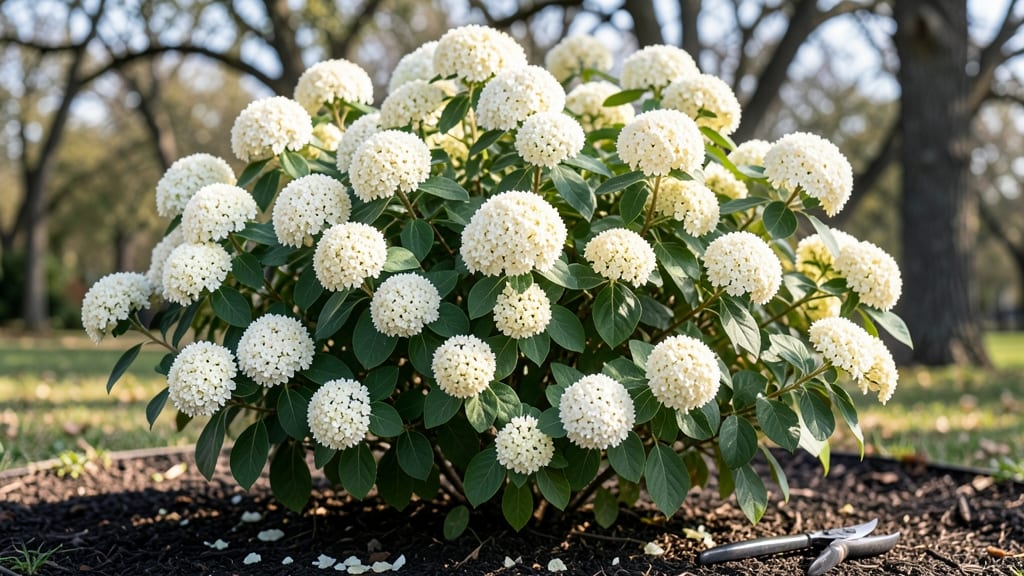
Blue snowball flowers turn your small garden into a dreamy, four-season showpiece with their cloud-like blooms and lush foliage. 🌿 I fell for them the moment I saw how they transform a shady corner into a romantic nook—white clusters that look like snowballs against deep green leaves, and they keep putting on a show from spring through fall.
The best part? They thrive where other shrubs struggle, making them the unsung hero of compact spaces.
These shrubs grow 6 to 8 feet tall but stay narrow, perfect for borders, mixed shrubberies, or as a focal point near patios. Their fragrant spring blooms attract pollinators, while their deep burgundy fall foliage adds late-season drama.
Pair them with hostas for shade, or let them stand alone as a statement piece—they’ll steal the show without needing neighbors.
Imagine stepping into your garden and seeing those snowball clusters glowing against morning light, or feeling the soft petals when you brush past. They’re low-maintenance but high-impact, offering seasonal interest that keeps your garden feeling alive year-round.
The key is giving them space to breathe and complementary plants that highlight their natural elegance.
Whether you’re working with a cozy courtyard or a narrow yard, blue snowball flowers bring effortless charm and structure. They’re the kind of plant that makes your garden feel intentional, even when it’s small. Let’s talk placement and pairings to make the most of their magic.
📚 In This Guide
- What you need
- Instructions
- Tips and common mistakes
- Wrapping up and next steps
What you need
- ● Blue snowball plant: 1-3 nursery-grown saplings (3-5 ft tall, 1-gallon pots). Choose healthy specimens with vibrant foliage.
- ● Well-draining potting mix: 5-10 bags (2-3 cubic feet each). Opt for a blend with peat moss, perlite, and compost for optimal aeration.
- ● Garden soil amendment: 1 bag of composted manure or organic fertilizer (e.g., 10-10-10 NPK ratio).
- ● Mulch: 2-3 bags of wood chips or shredded bark (3-4 inches thick) to retain moisture and suppress weeds.
- ● Garden tools: 1 trowel (for planting)
- ● 1 pruning shears (sterilized)
- ● 1 watering can or hose with a gentle spray nozzle
- ● Sunlight: A spot with partial shade to full sun (4-6 hours of sunlight daily). Avoid harsh afternoon sun in hot climates.
- ● Water source: Reliable access to water for deep watering 1-2 times per week (adjust for drought conditions).
- ○ Optional: 1 slow-release fertilizer (e.g., Osmocote) for seasonal feeding.
- ● 1 plant support stake (if planting in windy areas).
- ● 1 pH testing kit (to ensure soil pH is between 5.0-7.0).
Step-by-step guide for planting and maintaining blue snowball flowers
Here's how I keep these stunning shrubs thriving with minimal fuss in tight spaces.
🌱 Step 1: Choose the Perfect Planting Location
Blue snowball shrubs (Caryopteris × clandonensis) crave full sun—at least 6-8 hours daily—for their signature blue-purple blooms. I always pick a spot where they'll get morning sun and afternoon light, avoiding harsh midday glare in hot climates. Check your garden's microclimates: a south-facing wall or fence provides extra winter protection.
These shrubs tolerate USDA zones 5-9, so confirm your hardiness zone before planting. In colder zones, plant near a south-facing wall to extend the growing season. The soil should drain well—blue snowballs hate soggy roots. If your soil is heavy clay, amend with 2-3 inches of compost mixed into the top 12 inches of soil before planting.
🪴 Step 2: Plant with Proper Spacing and Soil Prep
Dig a hole twice as wide as the root ball but no deeper—planting too deep suffocates roots. Loosen the sides of the hole with a shovel or hands to encourage root spread. For 4 shrubs, space them 3-4 feet apart in a loose cluster to create a natural focal point. I always add a handful of slow-release fertilizer (like 10-10-10) to the bottom of the hole for a nutrient boost.
Backfill with native soil mixed with 1 part compost to improve drainage and fertility. Water deeply to settle the soil, then add a 2-inch layer of mulch around the base (but not touching the stem) to retain moisture and regulate temperature. Use wood chips or shredded bark—they break down slowly and won’t compact like straw.
☀️ Step 3: Water and Prune for Year-Round Blooms
Water deeply once a week during the first growing season to establish roots, then taper to every 10-14 days once established—unless your summer is scorching. You’ll know it’s time when the top 2 inches of soil feel dry. Overwatering leads to root rot, so always check before adding more. In containers, water every 5-7 days in summer, as pots dry out faster.
Prune in late winter or early spring before new growth appears. Cut back one-third of the oldest stems to encourage fresh growth and more blooms. I also shape the shrub lightly to maintain its natural mound form. Deadhead spent blooms in fall to tidy the plant, but leave some seed heads for winter interest if you prefer a rustic look.
✂️ Step 4: Fertilize and Protect for Long-Term Health
Feed in early spring with a balanced fertilizer (like 10-10-10) to support new growth. I use ½ cup per shrub, spread evenly around the base and watered in. Avoid high-nitrogen fertilizers—they promote leafy growth at the expense of flowers. In fall, add a low-nitrogen, high-phosphorus fertilizer (like 5-10-10) to boost root development for winter.
Watch for spider mites in dry conditions—they love the dry foliage. Spray with neem oil if you spot webbing or tiny yellow specks on leaves. Deer and rabbits usually avoid blue snowballs, but in high-pressure areas, wrap young plants with wire mesh until established. These shrubs are tough once rooted, so don’t stress over minor pests.
Tips & tricks for perfect blue snowball flowers
Between us, these shrubs are low-maintenance superstars—but a few key details make all the difference in keeping them thriving year after year.
Sunlight Strategy: While the instructions call for 6-8 hours of full sun daily, I've found that morning sun paired with afternoon shade in hot climates actually preserves more blooms. If your garden gets intense afternoon heat, consider planting near a north-facing wall where they'll get morning sun without midday scorching. The blue-purple blooms will thank you with longer-lasting color.
Soil Science Secret: The 2-3 inches of compost mixed into the top 12 inches of soil isn't just about drainage—it's about creating a sponge-like environment that holds moisture while preventing compaction. I like to add a handful of perlite to this mix if my soil is particularly dense. This little tweak has prevented root rot in my clay-heavy garden during those rare heavy rain periods.
Pruning Precision: When cutting back one-third of the oldest stems in late winter, I always look for stems that are woodier than pencil-thick—these are the ones that need renewal. The key is to make your cuts just above a leaf bud or lateral branch. This encourages bushier growth and more blooms. I mark these stems with a ribbon in late fall so I remember which ones to prune first.
Watering Wisdom: The top 2 inches of soil dry test works perfectly, but I've learned to adjust my watering schedule based on seasonal changes. In summer, I check this moisture level in the morning before watering—this prevents overwatering during humid periods when evaporation is slower. For container-grown blue snowballs, I actually water every 3-5 days in summer because pots dry out faster than in-ground plantings.
Pro Tips for Blue Snowball Flowers
- Between us, these shrubs are low-maintenance superstars—but a few key details make all the difference in keeping them thriving year after year.
- Sunlight Strategy: While the instructions call for 6-8 hours of full sun daily, I've found that morning sun paired with afternoon shade in hot climates actually preserves more blooms.
- Soil Science Secret: The 2-3 inches of compost mixed into the top 12 inches of soil isn't just about drainage—it's about creating a sponge-like environment that holds moisture while preventing compaction.
Frequently asked questions
When is the best time to plant blue snowball flowers?
Plant blue snowball flowers (Viburnum odoratissimum) in early spring or fall, when soil temperatures are mild (50–60°F). This timing gives roots time to establish before summer heat or winter frost. Avoid planting in extreme temperatures—roots are delicate and can struggle to adapt.
How often should I water blue snowball flowers?
Water deeply 1–2 times per week during the first growing season to encourage root growth. Once established, they’re drought-tolerant but thrive with moderate moisture. Overwatering can lead to root rot, so ensure well-draining soil. Mulch around the base to retain moisture and suppress weeds.
Why aren’t my blue snowball flowers blooming?
Several factors can delay blooms: young plants (under 3 years old) may not flower yet, over-fertilizing with nitrogen (promotes foliage over flowers), or poor sunlight (they need full sun to partial shade). Prune dead branches in late winter to encourage new growth and blooms.
Are blue snowball flowers cold-hardy?
Yes! These flowers are highly cold-hardy, thriving in USDA zones 5–9. They tolerate light frost and even snow, making them ideal for year-round interest. However, young plants may need winter protection (like mulch) in colder climates until fully established.
What are some low-maintenance alternatives to blue snowball flowers?
If you want similar beauty with less upkeep, consider:
- Dwarf Korean Lilac (Syringa meyeri): Fragrant, compact, and drought-tolerant.
- Weigela: Fast-growing shrub with vibrant spring blooms.
- Abelia: Evergreen-like foliage and long bloom seasons.
Wrapping up and next steps
Blue snowball flowers bring year-round charm to small gardens with their easy-care beauty and versatile appeal. Whether you're a beginner or a seasoned gardener, their resilience and stunning blooms make them a must-have for any outdoor space.
Now that you’re equipped with the right knowledge, it’s time to roll up your sleeves—plant, nurture, and enjoy the magical transformation your garden will undergo! 🌸
Ready to take the next step? Pick your spot, gather your supplies, and start planting today—your future blooms will thank you!