
Planting
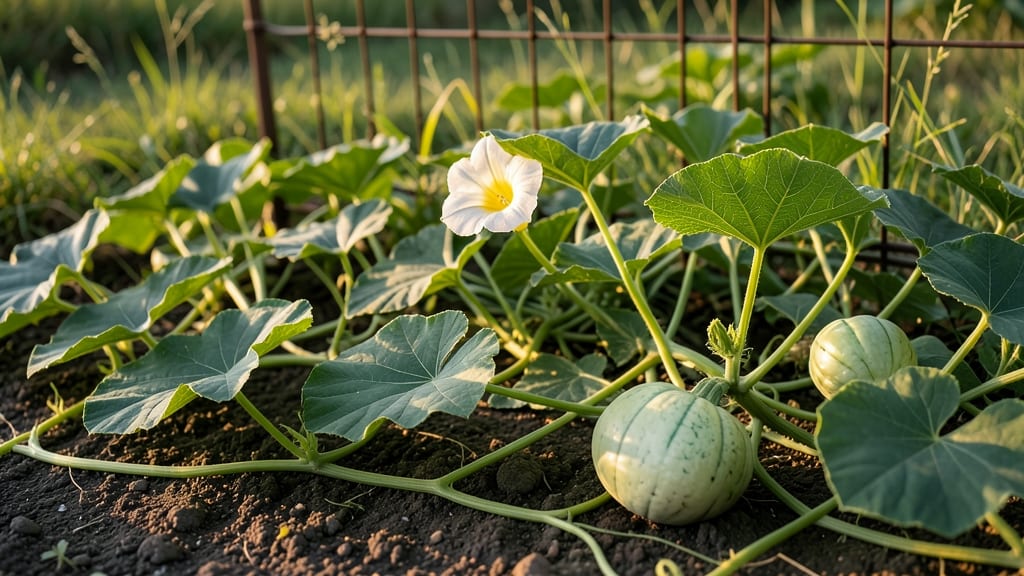
The bottle gourd plant flower transforms your garden into a fragrant, vine-covered paradise—if you know the secret to coaxing those delicate, star-shaped blooms all season long. 🌿 I learned the hard way that pruning isn’t optional; it’s the difference between a handful of fruits and a bountiful harvest.
The flowers themselves are a sight to behold—creamy white with yellow throats, opening wide in the morning sun before wilting by afternoon.
Here’s the thing—these vines thrive in hot, sunny spots with well-draining soil, but they demand consistent care. Too much shade and the flowers won’t open; too little water and they’ll drop before pollinators even arrive.
My plants now produce dozens of blooms weekly by pruning aggressively after each fruit sets, keeping the energy focused on new growth. The key is balance: enough sunlight to fuel those blossoms, but not so much that the vines burn.
What you’ll end up with is a garden that smells like summer—even in cooler months—thanks to their remarkable resilience. The flowers attract bees and butterflies, and when pollinated, they’ll give you those iconic bottle-shaped gourds.
But the real magic? Watching the vines climb, the blooms unfurl, and the harvest grow. It’s not just gardening; it’s a daily show.
Works in zones 3-11, whether you’re training vines on a trellis or letting them sprawl across a fence. Let’s get those flowers blooming reliably—no more missed harvests, just lush, productive vines all season. The first step? Pruning with purpose. Ready to try it?
📚 In This Guide
- What you need
- Instructions
- Tips and common mistakes
- Wrapping up and next steps
What you need
- ● Bottle gourd seeds (Lagenaria siceraria) – 5–10 seeds (organic, non-GMO preferred for best results).
- ● Well-draining potting mix – 5–10 gallons (blend of coconut coir, perlite, and compost for aeration).
- ● Containers or garden bed – Containers: 5–10 gallon pots (with drainage holes) for indoor/patio growing.
- ● Garden bed: Full sun (6+ hours/day) + loamy, slightly acidic soil (pH 6.0–6.8).
- ● Organic fertilizer – Balanced 10-10-10 or compost tea (for nutrient-rich blooms).
- ● Pruning shears – Sharp, sterilized (for precision trimming).
- ● Support structure – Trellis or stakes (3–5 ft tall) to guide vines and flowers.
- ● Watering can or drip irrigation – Gentle spray to avoid damaging delicate flowers.
- ○ pH testing kit – Ensures soil stays in the ideal range (optional but helpful).
- ● Mulch (straw or shredded leaves) – Retains moisture and regulates soil temp.
- ● Grow lights (LED, full-spectrum) – For indoor setups (12–14 hours/day in low-light areas).
- ● Pollination aid (paintbrush or small bee) – Helps hand-pollinate flowers for fruit set (if desired).
Step-by-step guide to encouraging year-round bottle gourd blooms
Pruning isn’t just about shaping—it’s the secret to coaxing continuous flowers from your bottle gourd vines.
🌿 Step 1: Prune for Airflow and Light Penetration
Start by removing any dead or yellowing leaves with clean, sharp pruning shears. Focus on the inner canopy where branches tangle—this is where poor airflow stifles blooms. I like to work in early morning when the plant is hydrated and less stressed. Cut just above a leaf node to encourage new growth.
Next, thin out overcrowded vines by one-third to let sunlight reach the center. Bottle gourds need full sun (6+ hours daily) to set flowers, so don’t be shy about aggressive pruning here. You’ll see new shoots emerge within 7-10 days—these are your future bloom producers.
✂️ Step 2: Target Pruning to Stimulate Flowering
Identify the main vine (the thickest, healthiest stem) and let it grow unchecked. This is your plant’s energy conduit. For side vines, cut back any that exceed 3 feet—long, leggy growth diverts energy away from flowers. Aim to keep side vines 2-3 feet long with 3-4 leaves per branch to balance growth and blooming.
Here’s the trick: prune just after a flower appears. This redirects the plant’s energy toward producing more blooms instead of fruit. Watch for new flower buds forming within 2 weeks—that’s your reward for precise cuts. If buds drop off, your plant is stressed; adjust water or light immediately.
💧 Step 3: Adjust Water and Fertilizer for Continuous Blooms
Bottle gourds need consistent moisture but hate soggy roots. Water deeply every 2-3 days until the top 2 inches of soil feel dry. Overwatering causes blossom end rot, while underwatering stresses the plant into dormancy. I use a soaker hose to deliver water at the base without wetting leaves—this prevents fungal issues that kill flowers.
Feed your plant every 4-6 weeks with a balanced 10-10-10 fertilizer (diluted to half strength). Too much nitrogen = lush leaves, few flowers. Look for small, yellowing leaves as a sign of over-fertilizing—flush the soil with water immediately. You’ll notice more frequent blooms within 3-4 weeks of balanced feeding.
☀️ Step 4: Manage Light and Temperature for Year-Round Blooms
Bottle gourds thrive in warmth (70-90°F) and full sun, but they’ll slow down in temperatures below 60°F. If you’re growing in cooler climates, use row covers or a small greenhouse to maintain warmth. I’ve kept my vines blooming through fall and winter by supplementing with a grow light (12-14 hours daily) when daylight drops below 10 hours.
Rotate the plant every 2 weeks to ensure even light exposure. You’ll see stems growing toward the light—this is a sign to adjust positioning. Leggy growth means your plant is stretching for light; move it closer to the window or grow light. Strong, compact vines produce more flowers and fruit over time.
Tips & tricks for year-round bottle gourd blooms
Mastering the art of pruning transforms your bottle gourd into a nonstop flowering machine—here’s how to maximize every step.
Timing Secret: In Step 1, when you’re pruning for airflow, focus on removing leaves that are blocking sunlight from reaching the center of the plant. I’ve found that working in the early morning is ideal because the plant is fully hydrated and less stressed from daytime heat. This timing also helps prevent fungal infections that can develop from wet leaves later in the day. The goal is to create an open canopy that lets sunlight penetrate to the inner branches—this is where most new flowers will emerge within those critical 7-10 days.
Pruning Precision: Step 2’s instruction about cutting side vines back to 2-3 feet with 3-4 leaves per branch is non-negotiable for flowering. Here’s what I’ve learned: always make cuts just above a leaf node (where new growth emerges). If you cut too close to a node, you risk damaging the bud. Also, when you see a flower appear, prune just after it opens—this redirects the plant’s energy toward producing more blooms instead of fruit. Watch for new flower buds forming within 2 weeks as confirmation you’re on the right track.
Watering Wisdom: The 2-3 day watering schedule in Step 3 is perfect, but consistency is key. I’ve seen blossom end rot (a common issue) when gardeners water on a strict calendar rather than checking soil moisture. Stick to watering when the top 2 inches of soil feel dry—this prevents both overwatering and underwatering. A soaker hose is your best friend here, delivering water directly to the roots without wetting the leaves, which helps prevent fungal diseases that can kill flowers before they even open.
Light Management: In Step 4, the 12-14 hours of light recommendation is spot-on for maintaining blooms during shorter winter days. If you’re using grow lights, position them 12-18 inches above the plant to mimic natural sunlight. I’ve also noticed that rotating the plant every 2 weeks ensures even growth—if you see stems stretching toward the light, it’s time to adjust the position. This simple step keeps your vines compact and productive, leading to more flowers and fruit over time.
Pro Tips for Bottle Gourd Plant Flower
- Mastering the art of pruning transforms your bottle gourd into a nonstop flowering machine—here’s how to maximize every step.
- Timing Secret: In Step 1, when you’re pruning for airflow, focus on removing leaves that are blocking sunlight from reaching the center of the plant.
- Pruning Precision: Step 2’s instruction about cutting side vines back to 2-3 feet with 3-4 leaves per branch is non-negotiable for flowering.
Frequently asked questions
Got questions about bottle gourd plant flowers?
You’re not alone! Here are answers to the most common queries—from pruning to pollination—so you can keep those gorgeous blooms coming all year.
When do bottle gourd flowers bloom, and how long do they last?
Bottle gourd flowers typically bloom 60–90 days after planting in warm climates (like zones 8–11). Male flowers (with a slender stem) appear first, followed by female flowers (with a tiny gourd forming at the base). Each bloom lasts 1–2 days—so check daily for pollination!
How do I prune bottle gourd plants to encourage more flowers?
Prune aggressively but carefully! Trim back 1/3 of the vine after the first harvest to redirect energy to new growth. Remove yellowing or diseased leaves and pinch off excess male flowers if female flowers are scarce. Always use sterilized shears to avoid spreading pests.
Why aren’t my bottle gourd flowers turning into fruit?
Lack of pollination is the #1 culprit! Hand-pollinate by gently transferring pollen from male (long-stemmed) to female (swollen base) flowers with a paintbrush or cotton swab. Heat stress, pests, or weak vines can also hinder fruiting—ensure they get 6+ hours of sunlight and well-draining soil.
Can I grow bottle gourds indoors, and will they still flower?
Yes, but with big limitations! Bottle gourds need full sun (6+ hours daily)—a south-facing window or grow lights are a must. Expect fewer flowers indoors, but container-grown plants can still bloom if given warmth (70°F+), humidity, and regular pruning.
Are bottle gourd flowers edible, and how do I use them?
Both male and female flowers are delicious and nutritious. Stir-fry them like okra, add to curries, or stuff with spiced rice. Harvest in the morning for peak tenderness. Pro tip: Remove the base of female flowers to avoid bitterness!
What do I do if my bottle gourd flowers drop off before fruiting?
Dropping flowers usually signals stress—check for:
- Underwatering (soil should stay consistently moist but not soggy).
- Overcrowding (thin vines to 1–2 main stems).
- Pests (aphids/squash bugs suck sap—spray with neem oil).
- Temperature swings (keep soil above 65°F).
Wrapping up and next steps
Growing bottle gourd plants with vibrant, year-round flowers is a rewarding journey that blends patience with precision! 🌸 By mastering pruning techniques, providing the right care, and understanding their unique needs, you can transform your garden into a blooming paradise.
Whether you’re a seasoned gardener or just starting, these tips will help you nurture healthy plants and enjoy their stunning blossoms.
Ready to take the next step? Start small—try pruning just one plant this season! Observe its response, adjust your approach, and watch as your bottle gourd thrives. Happy gardening! 🌱