
Flowers
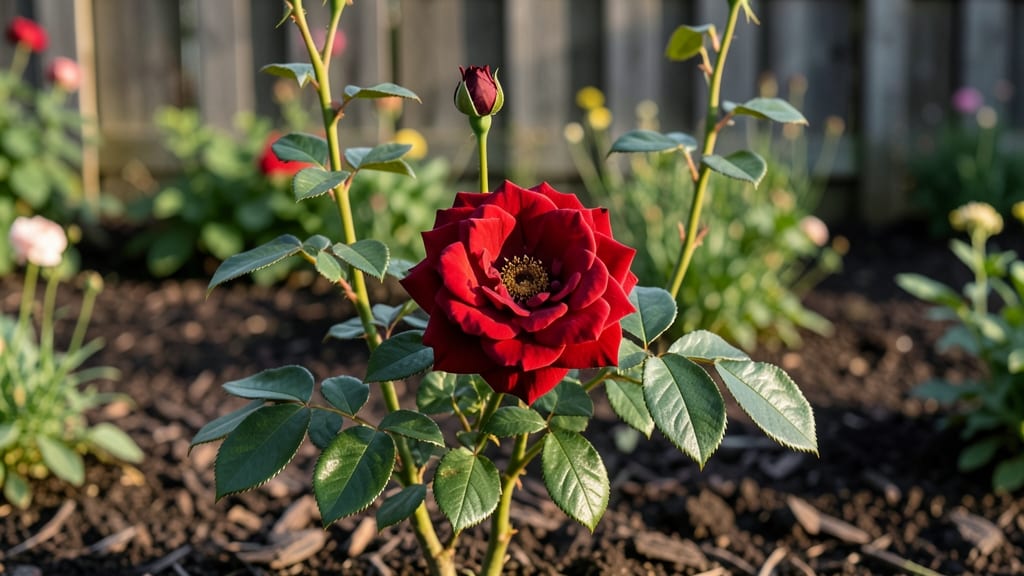
Bouquet rose flowers aren’t just for cutting—they’re the fragrant canopies that turn any garden into a living still life. 🌹 Their velvety petals and intoxicating scent make them the star of cottage gardens, mixed borders, and even wildflower meadows when planted. in drifts.
I’ve designed entire garden rooms around them, pairing their lush blooms with lavender for contrast or letting them spill over trellises for a romantic effect.
The secret to their showstopping presence? Layering them strategically—plant bouquet roses along pathways where you can brush past their blooms, or cluster them near seating areas where their fragrance lingers.
They thrive in full sun and well-drained soil, but their real magic happens when you let them repeat in odd-numbered groupings (think threes or fives) for natural balance. Even in containers, their cascading habit adds drama to patios and decks.
What you’ll end up with is a garden that feels like a perpetual bouquet—season after season of blooms that attract butterflies and bees while filling the air with sweetness.
The color palette is your playground: deep reds pair with silver foliage, soft pinks complement blue hydrangeas, and creamy whites glow against dark evergreens. Their repeat-flowering habit means you’ll have cuttings for arrangements from early summer until frost.
Works for formal gardens, rustic cottages, or even urban courtyards with the right support structure. Here’s how to weave them into your landscape like a pro—no green thumb required.
📚 In This Guide
- What you need
- Instructions
- Tips and common mistakes
- Wrapping up and next steps
What you need
- ● Fresh rose flowers: 10–20 stems (mix varieties for color/texture—try Hybrid Tea, Floribunda, or Climbing Roses)
- ● Pro tip: 💡 Choose roses with tight buds for longevity or slightly open blooms for instant charm.
- ● Floral preservative: 1 packet (or 1 tsp powdered mix per quart of water)
- ● Scissors or floral shears: Sharp, clean pair (dull blades crush stems!)
- ● Vase or container: Medium-sized (8–12 inches wide) for a classic bouquet
- ○ Optional: 🎯 Use a mason jar, glass pitcher, or even a vintage teapot for a unique look.
- ● Water: Fresh, room-temperature (1–2 quarts, depending on vase size)
- ○ Floral foam (optional but helpful): 1 block (if using a heavy vase or extra stems)
- ● Rubber bands or twine: For securing stems during transport or trimming
- ● Newspaper or wet towel: To line your workspace and keep it tidy
- ○ Hydrogen peroxide (3%) or bleach (1 tsp per quart of water): For sterilizing vases (optional but extends vase life!)
- ○ Decorative elements (optional): Greenery (eucalyptus, baby’s breath, or ivy for filler)
- ● Ribbon or lace (for wrapping stems or tying bouquets)
- ● Dried flowers or herbs (lavender, rosemary for a rustic touch)
- ● A clean, well-lit workspace (natural light helps assess colors!)
- ● Patience and a gentle touch—roses are delicate but worth the care! ⏳
- ● Pro tip: 🌡️ Work in a cool room (65–70°F) to prevent wilting while arranging.
Step-by-step guide to planting and caring for bouquet roses
Here's how to create a fragrant, long-blooming rose garden that keeps giving year after year.
🌱 Step 1: Choose and Prepare the Planting Site
Select a location with at least 6 hours of direct sunlight daily—bouquet roses thrive where they get plenty of warmth. The spot should have well-draining soil, as roses hate soggy roots. If your soil feels heavy or compacted, mix in 2-3 inches of compost from your materials list to improve drainage and fertility.
Test the soil pH before planting—bouquet roses prefer a slightly acidic range of 6.0-6.5. If your soil is too alkaline, amend it with sulfur or peat moss to lower the pH. Dig a hole twice as wide and deep as the rose bush’s root ball to give roots room to spread comfortably.
🪴 Step 2: Plant with Proper Spacing and Support
Place the rose bush in the hole so the graft union (the bump where the stem meets the rootstock) sits 2-3 inches below soil level. This prevents the graft from being buried too deep, which can cause the plant to revert to wild, less fragrant growth. Fill the hole with soil, pressing gently to remove air pockets, but don’t pack it down too firmly.
Water deeply right after planting to settle the soil and encourage roots to spread. Install a support stake or trellis immediately—bouquet roses grow tall and need support to stay upright, especially in windy conditions. Space plants 3-4 feet apart to allow airflow, which reduces disease risk and keeps blooms abundant.
☀️ Step 3: Water and Fertilize for Continuous Blooms
Water roses deeply once a week during dry spells, aiming for 1-1.5 inches of water. The soil should be moist 6 inches down—check with your finger. Overhead watering can spread fungal diseases, so water at the base in the morning to let foliage dry quickly. Mulch around the base with 2-3 inches of organic mulch to retain moisture and regulate soil temperature.
Feed roses with a balanced rose fertilizer every 4-6 weeks during the growing season (spring through fall). Look for a formula with higher phosphorus (the middle number) to encourage blooming. Reduce fertilization in late summer to harden off the plant for winter. Prune back dead or diseased stems immediately to keep the plant healthy and blooming.
✂️ Step 4: Prune and Maintain for Long-Term Health
Prune roses in early spring before new growth starts. Remove dead, crossing, or weak stems at the base, cutting at a 45-degree angle just above an outward-facing bud. This encourages strong, outward growth and better airflow. Thin out crowded canes to improve light penetration—bouquet roses need sunlight to produce their signature fragrant blooms.
Deadhead spent blooms regularly to redirect the plant’s energy into producing more flowers. Watch for signs of pests like aphids or Japanese beetles—spray with neem oil or an insecticidal soap at the first sign of trouble. In fall, cut back stems by one-third and apply a thick layer of mulch to protect roots from freezing temperatures.
Tips & tricks for perfect bouquet rose flowers
Here's what nobody tells you about growing roses that keep blooming beautifully year after year.
Sunlight Secret: That 6 hours of direct sunlight is non-negotiable, but here's the thing—morning sun is more valuable than afternoon heat. If your garden gets intense afternoon sun, consider planting near a north-facing wall or fence that provides afternoon shade. Bouquet roses will reward you with more blooms and healthier foliage when they're not struggling through the hottest part of the day.
Soil Prep Strategy: Before you dig that hole twice as wide and deep as the root ball, take a moment to loosen the soil another 6 inches down. Roses have deep roots that need to spread, and compacted soil will strangle their growth. If you're planting in clay soil, mix in sand along with the compost to improve drainage even more. Think of it like giving your roses a spa treatment before they even get planted!
Watering Wisdom: When you're aiming for 1-1.5 inches of water per week, don't just guess—grab a rain gauge or even a tuna can with measurements marked on the side. The 6 inches down moisture check is crucial, but don't let the top inch dry out completely between waterings. Early morning is always best because it gives leaves time to dry before evening, reducing fungal diseases that can ruin your beautiful blooms.
Fertilizer Timing: That 4-6 week feeding schedule is perfect, but here's a pro move: alternate between a balanced rose fertilizer and a low-nitrogen, high-phosphorus fertilizer every other feeding. This phosphorus boost will give you those show-stopping blooms without encouraging too much leafy growth at the expense of flowers. And remember—stop fertilizing by late summer to let your roses prepare for winter dormancy.
Pro Tips for Bouquet Rose Flowers
- Here's what nobody tells you about growing roses that keep blooming beautifully year after year.
- Sunlight Secret: That 6 hours of direct sunlight is non-negotiable, but here's the thing—morning sun is more valuable than afternoon heat.
- Soil Prep Strategy: Before you dig that hole twice as wide and deep as the root ball, take a moment to loosen the soil another 6 inches down.
Frequently asked questions
Got questions about creating or caring for your bouquet rose flowers? You’re not alone! Here are some of the most common queries—plus quick, expert-friendly answers to keep your fragrant canopy thriving.
How often should I water my bouquet rose flowers?
Water your roses deeply 1–2 times per week, depending on your climate. Aim for 1–1.5 inches of water per week—more in hot, dry weather. Avoid shallow watering; instead, soak the soil 6–8 inches deep to encourage strong root growth. Pro tip: Water in the morning to reduce fungal risks.
Can I grow bouquet roses in containers?
Bouquet roses thrive in large containers (at least 15–20 gallons) with well-draining soil. Use a mix of potting soil, compost, and perlite for optimal growth. Ensure the container has drainage holes and place it in a spot with 6+ hours of sunlight daily. Watch out: Container roses may need more frequent watering than ground-planted ones.
When is the best time to prune bouquet rose flowers?
Prune in early spring (before new growth) or late winter to shape your roses and encourage blooms. Remove dead, diseased, or crossing branches first, then cut back 1/3 of the plant’s height. For fall-blooming varieties, do a light prune after the first frost. Avoid pruning in fall—it can stimulate tender new growth that won’t survive winter.
What should I do if my bouquet roses get pests or diseases?
Common issues include aphids, black spot, or powdery mildew. Start with neem oil or insecticidal soap for pests. For fungal diseases, prune infected leaves and apply a copper fungicide or baking soda spray (1 tbsp baking soda + 1 quart water + a drop of soap). Improve airflow by spacing plants properly and avoid overhead watering. Prevention tip: Mulch around the base to deter soil-borne diseases.
Are bouquet roses perennial, or do they die back every year?
Yes! Bouquet roses are perennial in USDA zones 5–10, meaning they’ll regrow each spring if cared for properly. In colder zones, mulch heavily and protect with burlap wraps over winter. Even if they look dormant, don’t prune until spring—the plant is conserving energy underground. Fun fact: Some varieties bloom twice a year with the right care!
Wrapping up and next steps
A bouquet of rose flowers isn’t just a burst of beauty—it’s a fragrant, long-lasting statement that brings joy and elegance to any space. Whether you’re crafting a seasonal centerpiece or gifting a timeless arrangement, these blooms prove that romance and resilience go hand in hand. 🌹
Ready to bring your vision to life? Start by sketching your design, gathering your materials, and letting your creativity bloom—one petal at a time! 🌸