
Flowers
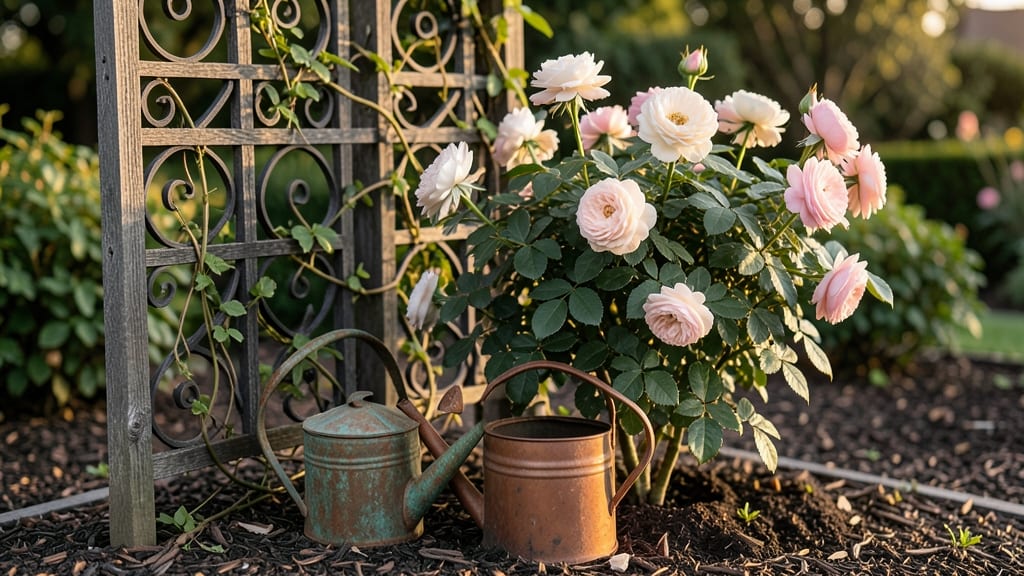
Stepping into the British Flower Show gardens feels like walking through a living art gallery—where every petal and path tells a story of harmony between nature and design. 🌸 The show’s 2024 designs prove that timeless elegance isn’t about flashy trends but layered textures, unexpected plant pairings, and layouts that work year-round.
I’ve studied the layouts that steal the show: how toftsias and hellebores create winter drama, while hydrangeas and peonies steal spring, and late-season asters and grasses keep autumn vibrant.
The magic lies in the details: mixed borders that blur the line between wild and refined, seasonal layers where early blooms fade into mid-season stars, and structural plants like boxwoods or lavender that anchor the design.
What’s brilliant is how these gardens adapt to small spaces—even a 4x8-foot plot can borrow the show’s principles with the right plant choices. The key? Start with a focal point—a sculpture, a tree, or a bold shrub—and build around it.
You’ll leave inspired to create your own showstopper: think velvety lamb’s ear contrasting with spiky ornamental grasses, or fragrant roses climbing alongside clematis for a romantic trellis. These designs aren’t just pretty—they’re practical, with mulch choices that suppress weeds and irrigation tricks that keep everything thriving with minimal fuss.
The show proves that even the most classic gardens feel fresh when you tweak the plant palette or add a unexpected color pop.
Whether you’re revamping a cottage garden or designing a modern minimalist space, the British Flower Show’s lessons travel well. The secret? Steal the ideas, adapt the scale—and let your garden tell its own story, one season at a time.
📚 In This Guide
- What you need
- Instructions
- Tips and common mistakes
- Wrapping up and next steps
What you need
- ● Plants & Flowers: Perennials (e.g., Echinacea, Rudbeckia, Lavender) – 10-15 per variety
- ● Annuals (e.g., Petunias, Lobelia, Marigolds) – 20-30 per variety for vibrant pops of color
- ● Seasonal showstoppers (e.g., Peonies, Dahlias, Hydrangeas) – 5-10 per type
- ● Foliage plants (e.g., Hostas, Ferns, Ornamental Grasses) – 5-8 per variety for texture
- ● Soil & Mulch: High-quality compost or topsoil – 2-3 cubic yards (depending on garden size)
- ● Organic mulch (cedar or bark) – 1-2 bags (1 cubic foot each)
- ● Structural Elements: Garden trellises or arbors (wood or metal) – 1-2 units
- ● Garden ornaments (statues, birdbaths, etc.) – 2-3 pieces for focal points
- ● Hand trowel (for planting)
- ● Garden fork (for soil aeration)
- ● Pruning shears (for shaping plants)
- ● Wheelbarrow or garden cart (for hauling materials)
- ● Watering hose with spray nozzle (or a watering can for precision)
- ● Measuring tape and stakes (for layout planning)
- ● Garden layout plan (sketch or digital design, including plant placement and pathways)
- ● Weather forecast – Check for rain or extreme heat to avoid last-minute stress!
- ● Entry fees or registration (if participating in a British Flower Show competition)
- ● Local regulations – Verify any permits for temporary structures or large plantings
- ● Lighting: Solar-powered path lights or string lights for evening elegance
- ● Scented plants: Roses, Jasmine, or Honeysuckle for a fragrant garden
- ● Personalized touches: Hand-painted signs, vintage garden tools, or heirloom plants
- ● Seasonal accents: Pumpkins (fall), Easter eggs (spring), or poinsettias (winter)
Step-by-Step guide to crafting a British flower show-inspired garden
Here's how to weave classic British garden design with seasonal showstoppers—think structured borders, romantic perennials, and strategic color shifts.
🌿 Step 1: Design a Structured Layout With Seasonal Layers
Begin with a formal, geometric framework—think parterres or curved herbaceous borders. The British Flower Show style thrives on symmetry and repetition, so map out your design on graph paper first. Divide the space into three distinct layers: foreground (low perennials like hellebores), mid-height (hydrangeas, peonies), and backdrop (ornamental grasses or boxwood hedges). This creates depth and visual interest year-round.
I always sketch my design at a 1:10 scale to ensure proportions feel grand yet balanced. Use gravel or boxwood edges to define borders sharply—this is key to achieving that show-worthy precision. The foreground should feature evergreens or early spring bloomers (like crocuses) to anchor the look, while the mid and back layers can shift with seasons.
☀️ Step 2: Select Show-Worthy, Seasonal Plant Combinations
British gardens excel through strategic color sequencing. Start with spring bulbs (tulips, daffodils) for early impact, then layer in late-spring perennials (iris, alliums) that bloom as the first flowers fade. For summer, hydrangeas, roses, and lavender dominate, while autumn brings grasses, asters, and berry-producing shrubs (like cotoneaster). I always choose three main colors per season to avoid visual chaos.
Don’t overlook foliage contrast—mix broadleaf plants (hostas, ferns) with fine-textured grasses (feather reed grass) for texture. The British Flower Show favors romantic, slightly wild edges, so let some plants spill naturally over borders. For example, pair formal boxwood hedges with loose drifts of delphiniums to balance structure and whimsy.
✂️ Step 3: Refine With Pruning and Maintenance for a Polished Look
Pruning is where the British garden’s elegance shines. Deadhead spent blooms immediately to encourage continuous flowering—this is non-negotiable for a show-worthy display. For shrubs like hydrangeas, prune in late winter or early spring before new growth appears. I always use clean, sharp shears and make cuts just above a leaf node to promote bushier growth.
Mulch annually with 3-4 inches of organic mulch (like bark chips) to suppress weeds and retain moisture. This keeps the garden looking neat and intentional without constant weeding. In autumn, cut back perennials (but leave seed heads for winter interest) and shape evergreens to maintain their formal lines. A well-maintained garden at the British Flower Show feels effortless—it’s all in the details.
🪴 Step 4: Add Focal Points and Finishing Touches
Every British-inspired garden needs one or two standout features. This could be a ornamental tree (like a purple-leafed beech), a sculptural topiary, or a water feature (even a small pond or bubbling stone fountain). Place it where it draws the eye—typically at the center of a parterre or along a pathway. I often use statues or urns for classical elegance, but even a well-placed bench adds character.
Finally, lighting transforms a garden at night. Install upward-facing path lights along walkways and spotlights on focal points. Solar-powered lights are easy to install and add a magical touch. The British Flower Show gardens often use warm, soft lighting to highlight textures and create ambiance—this is how you elevate a garden from pretty to spectacular.
Tips & tricks for perfect British flower show garden design
Transforming your garden into a show-worthy masterpiece takes more than just planting—it's about precision, timing, and those little details that make all the difference.
Design Precision: When sketching your 1:10 scale design in Step 1, use graph paper with a grid system to maintain symmetry. I find that marking every 6-inch increment helps me visualize the perfect proportions before digging a single hole. This attention to scale prevents that "off" feeling that plagues many garden designs. The British Flower Show judges notice these details—trust me, they do!
Seasonal Layering Strategy: In Step 2, think vertically when selecting plants. For that mid-height layer, I always include at least one hydrangea variety (like 'Nikko Blue') and pair it with peonies for their lush foliage. The key is to stagger bloom times—plant early bloomers like tulips alongside late bloomers like alliums so your garden never looks bare. This layered approach creates that "always in bloom" look that British gardens are famous for.
Pruning Like a Pro: For Step 3's pruning instructions, I've learned that timing is everything. When pruning hydrangeas in late winter, look for those "eyes" or buds—cut just above them at a 45-degree angle. This technique promotes bushier growth and more abundant blooms. And remember, your shears should be as sharp as a judge's eye—dull blades tear plant tissue, leading to disease. I keep a small sharpening stone in my gardening toolbox specifically for this purpose.
Lighting Magic: The finishing touches in Step 4 often make the biggest visual impact. For path lighting, I recommend using solar-powered LED lights with a warm (2700K) color temperature—they create that cozy, inviting glow that British gardens excel at. Place them every 3-4 feet along pathways to guide visitors while highlighting the garden's structure. This is where your garden truly comes alive after dark, and it's one of those details that separates good gardens from show-stopping ones.
Pro Tips for British Flower Show
- Transforming your garden into a show-worthy masterpiece takes more than just planting—it's about precision, timing, and those little details that make all the difference.
- Design Precision: When sketching your 1:10 scale design in Step 1, use graph paper with a grid system to maintain symmetry.
- Seasonal Layering Strategy: In Step 2, think vertically when selecting plants.
Frequently asked questions
Got questions about the British Flower Show? You’re not alone! Whether you’re planning to attend, design a show-worthy garden, or just admire the blooms from afar, here are some answers to the most common queries.
What’s the best time of year to visit a British Flower Show?
The British Flower Show typically runs from late spring to early autumn, with peak events in May, June, and July. Shows like Chatsworth and RHS Hampton Court draw massive crowds in June, while smaller regional shows offer a cozier vibe. Check individual event dates—some even host winter-themed displays!
How much does it cost to attend, and are there discounts?
Ticket prices vary by show, but expect $25–$50 for adults at major events. Children, seniors, and group bookings often get discounts, and some shows offer free entry on select days. Always check the official website for last-minute deals or family passes!
Can I bring my own plants or flowers to a British Flower Show?
Most shows prohibit outside plants to prevent disease spread, but some allow pre-approved garden centers to sell seeds or small plants on-site. If you’re designing a show-style garden at home, focus on seasonal, low-maintenance blooms like roses, hydrangeas, or lavender for that classic British look.
Are photography restrictions common at these events?
Yes! Many shows limit professional photography (especially for commercial use) but allow personal photos for social media. Always ask staff before snapping—some areas, like competition gardens, may require permission. Pro tip: Visit early or late to avoid crowds and capture the best lighting!
Are there smaller, local alternatives to the big-name shows?
Regional flower shows
(like RHS Malvern or Bath Spring Festival) offer a more intimate experience with stunning gardens, workshops, and local vendors. They’re often cheaper and less crowded—perfect for a relaxed day out with blooms and good company!
Wrapping up and next steps
The British Flower Show proves that garden design is an art where nature and creativity bloom together. Whether you're inspired by structured borders, whimsical topiaries, or lush seasonal displays, these gardens remind us that beauty thrives with intention and passion. 🌸
Ready to bring this elegance to your own space? Start small—sketch a design, gather seasonal plants, and let your garden tell a story. Every petal and leaf is a chance to create something extraordinary!