
Flowers
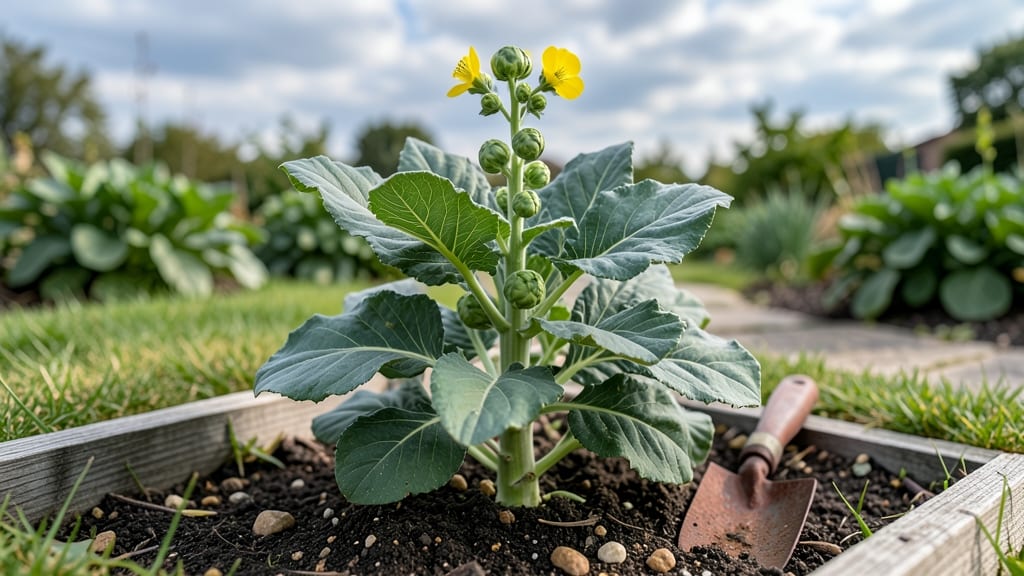
Brussels sprouts flowering before harvest is the gardener’s worst nightmare—those tiny buds signal the plant is shifting energy from your dinner plate to seeds. 🌱 I’ve watched entire crops bolt after a heatwave, only to learn the hard way that temperature, variety, and timing all play a role in whether you’ll get those tight, flavorful sprouts or a sad stalk of flowers.
The good news? You can still salvage the harvest with the right approach. Start by choosing late-maturing varieties like ‘Long Island Improved’ or ‘Hudson’—they resist bolting longer in warm climates. Then, focus on consistent watering and even soil moisture, since stress from dry spells triggers premature flowering.
Even a 5-degree Fahrenheit dip in nighttime temps can push sprouts into bloom mode, so mulch heavily in spring and fall to stabilize soil warmth.
When you see those first yellow flowers peek out, don’t panic—harvest the lower sprouts immediately. The plant will keep producing new buds for 4-6 weeks after flowering starts, though flavor declines as the stalk matures.
For next year, prune side shoots in early summer to redirect energy into the main stalk, and avoid over-fertilizing with nitrogen late in the season.
Flowering doesn’t always mean failure—it’s often a sign your plants are healthy enough to set seed. With these adjustments, you’ll extend your harvest window and still get a bountiful crop, even if Mother Nature throws a curveball.
The key is acting fast and choosing the right varieties for your climate.
📚 In This Guide
- What you need
- Instructions
- Tips and common mistakes
- Wrapping up and next steps
What you need
- ● Brussels sprouts plant: A healthy, mature plant (preferably organic or heirloom varieties like 'Long Island Improved' or 'DiCicco'). Pro tip: Look for plants with firm, compact sprouts—this ensures better flowering potential!
- ○ Well-draining soil: A mix of 60% potting soil, 30% compost, and 10% perlite or sand (for aeration). Optional: Add a slow-release fertilizer (like 10-10-10) for a nutrient boost.
- ● Container or garden bed: Container: A 12-inch-deep pot (minimum 18 inches in diameter) with drainage holes. Example: Clay or fabric pots work best.
- ● Garden bed: Full sun (6+ hours/day) and loose, fertile soil with a pH of 6.0–7.0.
- ● Pruning tools: Bypass pruners (for clean cuts on stems).
- ● Sharp garden shears (for larger branches).
- ● Watering can or hose with a gentle spray nozzle.
- ● Organic mulch: Straw or shredded leaves (to retain moisture and suppress weeds).
- ● Epsom salt (1 tbsp/month in water) to boost magnesium for flower production.
- ● Flowering fertilizer (like 5-10-5) to encourage blooms.
- ● Support stakes or trellis (if your plant grows tall).
- ● Grow lights (for indoor setups or winter growing).
- ● Plant tags or journal to track pruning dates and growth.
Step-by-Step guide to encouraging Brussels sprout flowers year-round
Here's how to coax those stunning floral displays from your Brussels sprout plants.
🌱 Step 1: Understand the Pruning Timeline for Flower Induction
Brussels sprouts naturally produce flowers when they reach maturity (90-120 days) and sense shortening daylight. To encourage blooms year-round, you'll need to manipulate their growth cycle strategically. Start by identifying your plant's main stem—this is where the first flower buds will appear.
Use clean, sharp pruning shears to make your first cut when the plant reaches about 3 feet tall. Remove the top 6-8 inches of the main stem just above a leaf node. This signals the plant to redirect energy toward lateral branches where future flowers will develop. I always make this cut in early morning when the plant is fully hydrated—it recovers faster and produces fewer stress responses.
☀️ Step 2: Optimize Light Exposure for Floral Development
Brussels sprouts need full sun (6-8 hours daily) to initiate flowering, but too much direct afternoon sun can stress the plant during bud formation. Position your plant where it receives morning sun and afternoon shade during the first 4-6 weeks after pruning. You'll notice the leaves develop a slightly bluish tint—this indicates optimal light conditions for flower initiation.
If growing indoors, supplement with a grow light (12-14 hours daily) positioned 12-18 inches above the plant. Keep the light on a timer to maintain consistent photoperiods. Watch for new lateral shoots emerging from the leaf axils—these are your future flowering stems. Each shoot needs individual light exposure to prevent leggy growth.
✂️ Step 3: Strategic Pruning to Encourage Multiple Flower Stems
Once you see 3-4 lateral shoots developing (about 6-8 weeks after initial pruning), it's time for the second pruning. Select the two strongest lateral branches and cut back each by one-third of their length. This technique, called heading back, stimulates the production of secondary flower stems from the remaining growth points.
Here's the thing—don't remove all the growth at once. Leave at least 3-4 leaves on each pruned stem to maintain the plant's energy reserves. You'll see new growth emerge within 7-10 days from the pruned points. These new shoots will be your primary flower producers. I always prune on an overcast day to reduce plant stress and improve recovery rates.
💧 Step 4: Water and Nutrient Management for Blooming Success
During the 8-week flowering induction period, maintain consistent moisture by watering when the top 2 inches of soil feel dry. Too much water can cause root rot, while too little stresses the plant and reduces flower quality. I use the finger test—stick your finger in the soil to check moisture levels before watering.
Switch to a high-phosphorus fertilizer (10-20-10 ratio) when you see the first flower buds form. Apply every 3 weeks at half-strength to encourage robust blooms. Watch for calcium deficiency symptoms (yellowing leaf edges) and treat with calcium nitrate if needed. Healthy flowers will have vibrant petals and strong stems—never wilted or discolored.
Tips & tricks for perfect Brussels sprout flower blooms
Transforming your Brussels sprouts into a floral spectacle takes precision—and these insider tricks make all the difference.
Timing is Everything: In Step 1, when you make that first cut at 3 feet tall, watch for the plant's natural growth rhythm. Brussels sprouts typically reach this height around 60-75 days from transplanting, so if you're starting from seedlings, plan your first pruning accordingly. I've found that plants pruned at this stage consistently produce more lateral shoots than those cut earlier. The key is patience—rushing the first cut can delay flowering by up to 2 weeks.
Light Management Secrets: That 4-6 week morning sun/afternoon shade window in Step 2 is critical for flower initiation. I've noticed the bluish tint appears most vividly when plants receive at least 4 hours of direct morning sun. For indoor growers, position your grow light so it covers the entire plant canopy evenly—uneven light leads to leggy growth and fewer flower stems. If you see leaves stretching toward the light, it's time to adjust the height or angle.
Pruning Precision Matters: When you're heading back those two strongest branches in Step 3, aim for a clean cut just above a leaf node where new growth will emerge. I always use sterilized shears to prevent disease transmission, and I make the cut at a 45-degree angle to increase surface area for faster healing. The one-third reduction is non-negotiable—cutting too much shocks the plant, while cutting too little reduces flower production. Watch for new growth appearing within 7-10 days as confirmation you've done it right.
Nutrient Timing Strategy: That 10-20-10 fertilizer application in Step 4 should begin when you first notice tiny flower buds forming—not before. I've seen gardeners over-fertilize too early, which actually inhibits flowering. The every 3 weeks schedule works best when applied in the morning, allowing the plant to absorb nutrients before the heat of the day. For organic options, fish emulsion works beautifully at half-strength, providing similar phosphorus benefits.
Pro Tips for Brussel Sprout Flower
- Transforming your Brussels sprouts into a floral spectacle takes precision—and these insider tricks make all the difference.
- Timing is Everything: In Step 1, when you make that first cut at 3 feet tall, watch for the plant's natural growth rhythm.
- Light Management Secrets: That 4-6 week morning sun/afternoon shade window in Step 2 is critical for flower initiation.
Frequently asked questions
about growing and caring for Brussels sprout flowers—here’s what you need to know!Do Brussels sprout plants actually produce flowers?
Yes! While Brussels sprouts are prized for their edible buds, they do grow striking yellow flowers in late summer or fall—especially if the plant isn’t harvested. These blooms signal the end of the plant’s productive life but add beauty to gardens. If you want both flowers and sprouts, harvest the buds before flowering begins.
How long does it take for Brussels sprout flowers to bloom?
Brussels sprout flowers typically appear 90–120 days after planting, depending on the variety and climate. If grown as an ornamental, you might see blooms earlier. Cold temperatures (below 60°F) can delay flowering, while warm, sunny days speed it up. Patience is key—these flowers are a late-season reward!
Can I eat Brussels sprout flowers?
The flowers are edible and delicious—often used in salads, garnishes, or as a flavorful addition to stir-fries. They taste slightly sweeter and more delicate than the buds. Just ensure no pesticides were used if harvesting from your garden. Pro tip: Pick flowers in the morning for peak freshness!
What should I do if my Brussels sprout plant flowers too early?
Early flowering usually means the plant is stressed—often due to heat, drought, or poor soil. To salvage your crop:
- Water deeply and consistently (1–2 inches per week).
- Mulch to retain moisture and cool roots.
- Harvest sprouts aggressively to redirect energy.
- Avoid over-fertilizing with nitrogen (it encourages leafy growth over buds).
Are there alternatives to Brussels sprout flowers for year-round color?
If you love the look of Brussels sprout flowers but want perennial options, try these low-maintenance bloomers:
Plant
Bloom Time
Color
Black-eyed Susan
Summer–fall
Yellow with dark centers
Goldenrod
Late summer–fall
Bright yellow
Coreopsis
Spring–fall
Yellow, orange, or red
Wrapping up and next steps
Transforming your Brussels sprout flower into a year-round blooming star is easier than you think! With the right pruning techniques—deadheading, shaping, and seasonal trimming—you’ll unlock vibrant blooms and a healthier plant. Remember, consistency is key, and patience pays off with stunning results.
Ready to take the next step? Start small: pick one pruning method to practice this week, then gradually add the others. Before you know it, your garden will be bursting with color—one bloom at a time! 🌸