
Aphids
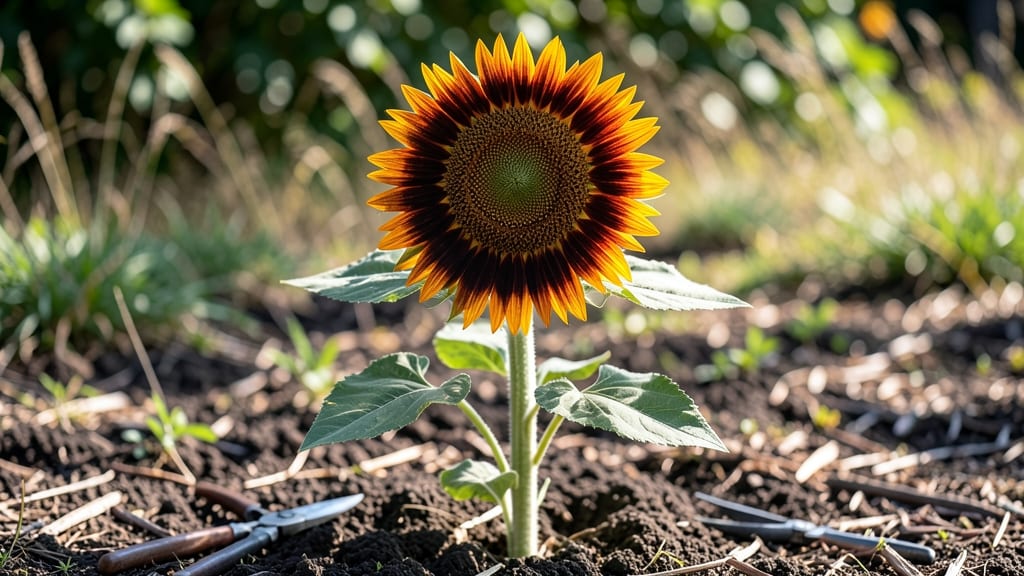
Burnt orange sunflowers aren’t just plants—they’re fiery statements in your garden that turn heads from spring until frost. 🌻 I’ve seen them transform drab corners into vibrant focal points, their deep copper hues clashing beautifully with purple salvias and silver foliage.
The secret lies in their height and boldness: plant them in clusters along pathways or as a dramatic backdrop for seating areas.
These sunflowers thrive in full sun and well-drained soil, making them low-maintenance stars for borders, cutting gardens, or even container arrangements. Their towering stems (some reaching 6 feet) create natural vertical interest, while their large blooms attract bees and butterflies all season long.
Pair them with lavender or black-eyed Susans for a high-impact, pollinator-friendly display.
Imagine a sunlit border where burnt orange sunflowers sway against a backdrop of deep green foliage—it’s the kind of scene that makes neighbors stop and ask, “What’s that?” The color pops against blues and purples, while their rustic charm softens modern landscapes.
For maximum drama, plant them near patios or entryways where their fiery glow is impossible to miss.
They’re also versatile performers: use them as a living room divider, a summer-long cut-flower source, or even in large pots to elevate decks and balconies. The key is placement—give them room to shine, and they’ll reward you with year-round color that feels intentional, not accidental.
📚 In This Guide
- What you need
- Instructions
- Tips and common mistakes
- Wrapping up and next steps
What you need
- ● Burnt orange sunflower seeds (e.g., Helianthus annuus ‘Scorpion Orange’ or ‘Autumn Beauty’): Quantity: 50–100 seeds (or 1–2 seed packets, depending on desired coverage)
- ● Type: Non-GMO, heirloom, or organic seeds for best results
- ● Well-draining potting soil or garden soil amended with: Compost (2–3 cups per planting hole)
- ● Perlite or vermiculite (1 part per 5 parts soil, for aeration)
- ○ Sunflower-specific fertilizer (optional but recommended): Balanced formula (10-10-10) or high-phosphorus (5-10-10) for blooming
- ● Follow package instructions for application rates
- ● Gardening gloves (to protect hands from thorns and soil)
- ● Trowel or hand shovel (for planting and soil prep)
- ● Watering can or hose with a gentle spray nozzle
- ● Measuring tape or ruler (to space seeds properly)
- ○ Stake or trellis (optional): For tall varieties (e.g., ‘Moulin Rouge’), use 6–8 ft stakes to support stems
- ● Sunlight: Full sun (6+ hours daily). Burnt orange sunflowers thrive in hot, sunny spots!
- ● Climate: Cold-hardy: Sow seeds 2–4 weeks before the last frost (Zone 2–11)
- ● Heat-tolerant: Ideal for summer planting in warmer zones
- ● Water access: Consistent moisture (1–2 inches per week) until established, then drought-tolerant.
How to grow striking burnt orange sunflowers that draw pollinators all season
Sunflowers thrive with the right approach—here's how to cultivate bold, fiery blooms that keep bees buzzing.
🌱 Step 1: Choose the Right Variety and Plant at Peak Time
Select a burnt orange sunflower variety like 'Moulin Rouge' or 'Autumn Beauty' for their rich, warm hues. These cultivars handle cooler temperatures better than classic yellow types, extending your blooming season. Plant seeds 4-6 weeks before your last frost date for spring blooms or late summer for fall color—just as summer heat begins to fade.
Direct sow seeds ½ inch deep in well-drained soil with full sun exposure (at least 6-8 hours daily). I always plant mine after the soil warms to 60°F—cold, wet soil slows germination and invites rot. Space seeds 12-18 inches apart in rows 2 feet apart to allow for mature plant width.
☀️ Step 2: Provide Consistent Sun and Water for Strong Stems
Sunflowers are sun worshippers—no compromise here. Place them where they’ll receive unfiltered sunlight all day. If your garden gets afternoon shade, supplement with a reflective surface (like white garden markers) to bounce extra light onto the plants. You’ll know they’re getting enough light when stems stay thick and sturdy, not stretching toward the sun.
Water deeply once a week (about 1 inch total) rather than frequent light sprinkles. This encourages deep root growth, which prevents floppy stems. The soil should feel dry 1-2 inches down before watering again. Mulch around the base with 2-3 inches of straw to retain moisture and suppress weeds—this is where many gardeners fail, leading to weak stems that can’t support heavy blooms.
💧 Step 3: Fertilize and Monitor for Pests Early
Feed sunflowers with a balanced fertilizer (10-10-10) at planting and again when stems reach 12 inches tall. I use ½ cup per plant mixed into the soil at each feeding. Avoid high-nitrogen fertilizers—they promote leafy growth at the expense of those dramatic blooms you’re after. Over-fertilizing also attracts aphids, which love the sweet sap of sunflowers.
Watch for sunflower moths, beetles, or powdery mildew as plants mature. If you spot chewed leaves or white powder on stems, spray with neem oil (mix 1 tablespoon per gallon of water) in the evening to avoid harming pollinators. Healthy plants develop rough, hairy stems—this natural defense deters many pests, so don’t strip it away with rough handling.
✂️ Step 4: Deadhead and Support for Extended Blooms
When the center disc of a bloom turns brown and papery, snip the entire flower head with clean shears. This redirects the plant’s energy into producing new side buds, extending your blooming season by 4-6 weeks. I always deadhead in the morning when dew is present—it keeps the plant hydrated for the day ahead.
Tall varieties (over 5 feet) need staking. Insert 3-foot bamboo stakes at planting and tie stems loosely with soft garden twine as they grow. Avoid tight bindings—they can girdle the stem as it thickens. You’ll know your sunflowers are happy when they develop multiple side branches bearing smaller but equally vibrant blooms.
🌿 Step 5: Harvest Seeds or Enjoy Cut Blooms
For seed saving, leave 2-3 mature heads on the plant until they turn completely brown and the back of the petals splits open. Twist the head gently to release seeds—if they’re still green inside, wait another week. Store dried seeds in a cool, dark place for up to 2 years. The burnt orange varieties produce seeds just as viable as yellow types, so you can replant reliably for seasons to come.
To enjoy cut blooms, harvest when petals are fully open but still firm (usually in the early morning). Place stems in lukewarm water immediately—they’ll last 7-10 days in a vase. For pollinator appeal, leave at least 30% of blooms on the plant. You’ll see bees, butterflies, and hummingbirds flock to them within minutes of opening, making your garden a true magnet for wildlife.
Tips & tricks for growing vibrant burnt orange sunflowers
Here's what I've learned after growing these fiery beauties for years—small details make all the difference.
Soil Temperature Secret: That 60°F soil temperature in Step 1 is non-negotiable for germination. I test with a soil thermometer—if it's cooler, wait. Cold soil slows germination and invites rot, which is why so many beginners struggle. Pro tip: Use black plastic mulch to warm soil faster if you're in a cooler climate. The 6-8 hours of daily sun requirement isn't just about light—it's about maintaining that soil warmth throughout the day.
Watering Wisdom: The 1 inch weekly watering in Step 2 might seem generous, but it's crucial for those deep roots. I use a rain gauge to measure—sunflowers hate soggy soil but need consistent moisture. Water in the morning so leaves dry quickly, preventing fungal issues. The 2-3 inches of straw mulch isn't just for moisture—it creates a microclimate that keeps roots cooler in summer heat, which burnt orange varieties particularly appreciate.
Fertilizer Timing: That second feeding at 12 inches tall in Step 3 is when things get interesting. I mix the ½ cup of 10-10-10 fertilizer right into the soil around the base, not on top. The key is to avoid high-nitrogen fertilizers—they'll give you leafy monsters instead of those dramatic blooms. Watch for nitrogen burn (yellowing leaves) if you accidentally overdo it, and adjust future feedings accordingly.
Deadheading Technique: When you deadhead those brown centers in Step 4, don't just snip—cut back to the next set of leaves. This redirects energy to side buds and prevents the plant from putting effort into seed production too early. I always carry a small pair of shears with me when the blooms start opening, so I can deadhead immediately. The morning dew timing isn't just about hydration—it helps prevent the plant from wilting during the heat of the day after pruning.
Pro Tips for Burnt Orange Sunflowers
- Here's what I've learned after growing these fiery beauties for years—small details make all the difference.
- Soil Temperature Secret: That 60°F soil temperature in Step 1 is non-negotiable for germination.
- Watering Wisdom: The 1 inch weekly watering in Step 2 might seem generous, but it's crucial for those deep roots.
Frequently asked questions
Got questions about growing burnt orange sunflowers? You’re not alone—these vibrant pollinator magnets spark curiosity! Below, we’ve rounded up the most common queries to help you cultivate stunning blooms with confidence.
Why do my burnt orange sunflowers look scorched or brown?
Sunflowers can develop burnt edges or discoloration due to aphid infestations, underwatering, or sun scorch (especially in hot climates). Check the undersides of leaves for aphids—spray with soapy water if needed. Ensure consistent moisture (1–1.5 inches per week) and mulch to retain soil dampness.
How long does it take for burnt orange sunflowers to bloom?
From seed to bloom, count 60–90 days for most varieties. Start seeds indoors 4–6 weeks before the last frost, or direct-sow after soil reaches 55°F (13°C). Tall varieties (like ‘Moulin Rouge’) may take slightly longer—plan ahead for fall color if sowing late!
Can I grow burnt orange sunflowers in containers?
Choose dwarf or semi-dwarf varieties (e.g., ‘Teddy Bear’ or ‘Autumn Beauty’) for pots. Use a 5-gallon container minimum with drainage holes, and mix in compost for nutrients. Place in full sun (6+ hours daily) and rotate pots weekly for even growth.
Are burnt orange sunflowers better for pollinators than yellow ones?
Both attract pollinators, but burnt orange sunflowers offer unique advantages: Their deep hue absorbs more heat, extending bloom seasons in cooler climates. Plus, aphids (a common pest) are less drawn to orange varieties—making them a low-maintenance choice for bees and butterflies!
What can I plant alongside burnt orange sunflowers?
Pair them with companion plants like:
- Basil or marigolds (repel pests)
- Dill or cosmos (attract beneficial insects)
- Nasturtiums (trap aphids away from sunflowers)
Wrapping up and next steps
Burnt orange sunflowers aren’t just a stunning addition to your garden—they’re a powerhouse for pollinators and year-round color! 🌻 Their vibrant hue attracts bees, butterflies, and hummingbirds while standing out against any backdrop. Whether you’re a seasoned gardener or just starting, these sunflowers are low-maintenance and packed with personality.
Ready to transform your outdoor space? Start by selecting your favorite burnt orange variety and grab your supplies—then dive in! Planting just a few can make a big difference for local wildlife and your garden’s curb appeal. Happy growing! 🌱