
Flowers
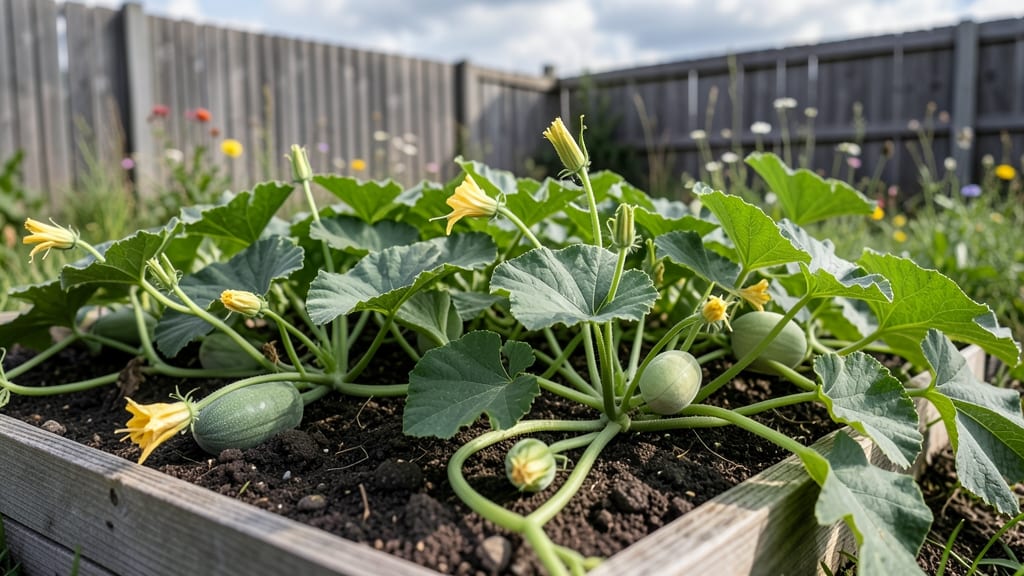
Spotting cantaloupe male and female flowers is the secret to doubling your harvest. 🌱 Those tiny blooms might look identical at first glance, but one holds the key to sweet, heavy fruit while the other plays a supporting role.
I learned this the hard way after years of watching my vines produce flowers but few melons—until I finally understood the difference.
The female flowers give themselves away with a tiny, swollen ovary at their base, looking like a miniature melon. Male flowers have long, skinny stems and no ovary—just pollen. Once you spot the females, focus on protecting them from pests and encouraging pollinators to visit.
A gentle shake of the vine or a soft brush with a paintbrush can help if bees aren’t doing their job.
You’ll know you’re on the right track when those female flowers start swelling into fruit within days. The first harvests arrive sweeter and more abundant when you prioritize the right blooms. This isn’t just theory—it’s the trick that transformed my garden from disappointing to downright productive.
Works for all cantaloupe varieties, whether you’re growing in ground or containers. The key is patience and attention to detail—once you master it, you’ll never second-guess your flowers again.
📚 In This Guide
- What you need
- Instructions
- Tips and common mistakes
- Wrapping up and next steps
What you need
- ● Cantaloupe plants: Healthy, mature vines (preferably with visible flowers or buds). Tip: Look for varieties like Hale’s Best or Athena for reliable blooms! 🌿
- ○ Magnifying glass or hand lens: A 10x magnification tool to inspect flower structures up close. Optional: A smartphone with a macro camera app for photos.
- ● Notebook & pen: To log observations (e.g., flower locations, dates, and gender). Pro tip: Use a waterproof notebook if gardening outdoors! ✨
- ● Pruning shears: Sharp, clean shears (sterilized with rubbing alcohol) to trim spent blooms or vines.
- ○ Gloves (optional): Lightweight gardening gloves to protect hands from thorns or sap.
- ● Basic botany knowledge: Familiarity with flower anatomy (e.g., stamens vs. pistils) helps—but don’t worry, we’ll break it down!
- ● Sunlight & warmth: Cantaloupes thrive in full sun (6–8+ hours/day) and temperatures above 70°F (21°C). Check your local frost dates! ❄️🔥
- ● Watering schedule: Consistent moisture (1–2 inches per week) but avoid soggy soil to prevent disease.
- ● Patience: Female flowers appear ~30–40 days after planting, so keep an eye out! 👀
- ● Grow lights: For indoor growers or early-season starts.
- ● Pollination aid: A small paintbrush or soft-bristle brush to hand-pollinate if bees are scarce.
- ● Soil test kit: To check pH (ideal: 6.0–6.8) and nutrient levels.
- ● Stakes or trellis: For vining varieties to save space and improve airflow.
How to identify cantaloupe male and female flowers for bigger harvests
Here's the simple trick I use to spot the flowers that matter most—no guesswork, just clear visual cues.
🌿 Step 1: Learn the Key Difference in Flower Structure
Male flowers grow on long, slender stems and have a smooth, rounded base where they attach to the vine. They're usually the first to bloom and look like little cups without any bulges. Female flowers, on the other hand, have a tiny fruit beginning at their base—a little bump that's about the size of a pea when first visible.
This is the moment that matters: when you see that small swelling, you've found your future melon. I always say, "If it's got a bump, it's got potential." The male flowers won't have this—just a clean stem attachment. Real talk: those first few blooms are often male, so don't get discouraged if you don't spot females right away.
🌱 Step 2: Observe Flower Position and Growth Habits
Female flowers typically appear slightly later in the season and often grow in leaf axils (where the leaf meets the stem) rather than on the main vine. They're also slightly larger than male flowers, with thicker petals. I like to check the vine's growth pattern: new growth near the center of the plant usually produces female flowers first.
Here's the thing—male flowers tend to open earlier in the morning, while female flowers often bloom later in the day. If you're checking your plants around noon, you might miss the males but catch the females. I've found that keeping a small notebook by my plants helps track which flowers appear when—it's surprising how predictable cantaloupes get once you start paying attention.
☀️ Step 3: Confirm with a Gentle Touch Test
For absolute certainty, give the flower base a very light touch. If you feel a small, firm swelling (about the size of a marble when mature), it's female. Male flowers will feel completely smooth. Don't press too hard—you're just checking for that tiny bump, not trying to harvest the fruit yet.
This is where patience pays off. The swelling grows quickly once pollination occurs, so check your plants every other day during peak blooming season. I know it seems tedious, but spotting those female flowers early means you'll know exactly where to look for your first melons in about 30-40 days. Don't skip this step—I learned the hard way that missing these early signs means missing early fruit.
✂️ Step 4: Hand-Pollinate for Maximum Fruit Set
Once you've identified your female flowers, give them a helping hand. Use a small paintbrush or cotton swab to transfer pollen from male flowers to the female flower's stigma (the fuzzy center). Do this in the morning when flowers are fresh. I've found that cantaloupes pollinated this way develop more uniformly and ripen faster.
Watch for the flower to wilt and drop within 24-48 hours after successful pollination—that's your signal the process worked. The tiny swelling at the base will grow rapidly, and you'll see new leaves forming nearby. This is the moment you'll know your efforts paid off. Real talk: even with perfect identification, some flowers won't set fruit, but you'll maximize your chances by hand-pollinating the ones you've carefully selected.
Tips & tricks for perfect cantaloupe flower identification
Mastering this skill means knowing exactly where to look—and when to act. Here's what I've learned after years of growing cantaloupes.
Timing Secret: Check your plants in the late afternoon when female flowers are most likely to be open. Male flowers often bloom early and close by mid-morning, while females tend to open later and stay open longer. This is when you'll spot that crucial little bump at their base. I've found that between 3 PM and 5 PM is the sweet spot for identification.
Visual Cues That Don't Lie: Pay attention to the leaf axils—those spots where leaves meet the vine. This is where about 70% of female flowers appear. The male flowers typically grow on the main vine or side branches. I keep a small magnifying glass handy to spot those tiny pea-sized bumps that signal female potential.
Hand-Pollination Hack: After identifying your female flowers, use a clean paintbrush to collect pollen from male flowers first thing in the morning. Brush the brush gently against the fuzzy center of female flowers. The 24-48 hour window after pollination is critical—the flower should wilt and drop within that timeframe if successful.
Growth Pattern Tracking: Keep a simple garden journal to track which flowers appear when. I've noticed that after the first flush of male flowers, female flowers tend to appear in waves about every 7-10 days. This helps me predict when to expect fruit development and plan my harvest schedule accordingly.
Pro Tips for Cantaloupe Male And Female Flowers
- Mastering this skill means knowing exactly where to look—and when to act.
- Timing Secret: Check your plants in the late afternoon when female flowers are most likely to be open.
- Visual Cues That Don't Lie: Pay attention to the leaf axils—those spots where leaves meet the vine.
Frequently asked questions
Got questions about cantaloupe flowers? You’re not alone! Here are answers to the most common queries to help you grow bigger, sweeter melons.
Why do cantaloupe plants have male and female flowers?
Male and female flowers serve different roles in pollination and fruit production. Male flowers (with long stems and no fruit base) produce pollen to fertilize female flowers (with tiny melon bulges at the base). This system ensures efficient energy use—only female flowers develop into fruit!
How do I know when female flowers will appear?
Female flowers typically emerge 4–6 weeks after planting, once the plant is 12–18 inches tall. Look for small, swollen bases at the flower stem—this is your clue! Warmer soil and consistent watering speed up this process. Pro tip: Use a grow light if your climate is cool.
What if my cantaloupe has only male flowers?
Don’t panic! Male flowers appear first to kickstart pollination. If you see no female flowers after 6+ weeks, check these fixes:
- Age: Wait longer—some varieties bloom later.
- Light: Ensure 6+ hours of sunlight daily.
- Fertilizer: Add phosphorus (look for a "5-10-10" label) to boost flowering.
Do I need to hand-pollinate cantaloupe flowers?
Bees usually handle it, but hand-pollination helps in these cases:
- Bad weather: Rain or wind can keep bees away.
- Greenhouse growing: Limited pollinators indoors.
- Low bee activity: Early morning is best—gently transfer pollen with a soft brush.
How many female flowers should one plant have?
A healthy cantaloupe vine can support 3–5 female flowers at once, but limit to 2–3 per plant for larger fruit. Remove extras by twisting gently at the base. Overloading weakens the plant and reduces melon quality. Pro tip: Harvest small melons early if they’re crowding!
Wrapping up and next steps
Mastering the difference between cantaloupe male and female flowers is your secret weapon for a bountiful harvest! 🌱 By identifying the female flowers—those with tiny fruits at their base—you can focus pollination efforts and boost your yield.
Now that you’re armed with this knowledge, why not take the next step? Experiment with hand-pollination or plant companion flowers like borage to attract more bees. Happy gardening—your cantaloupes will thank you!