
Flowers
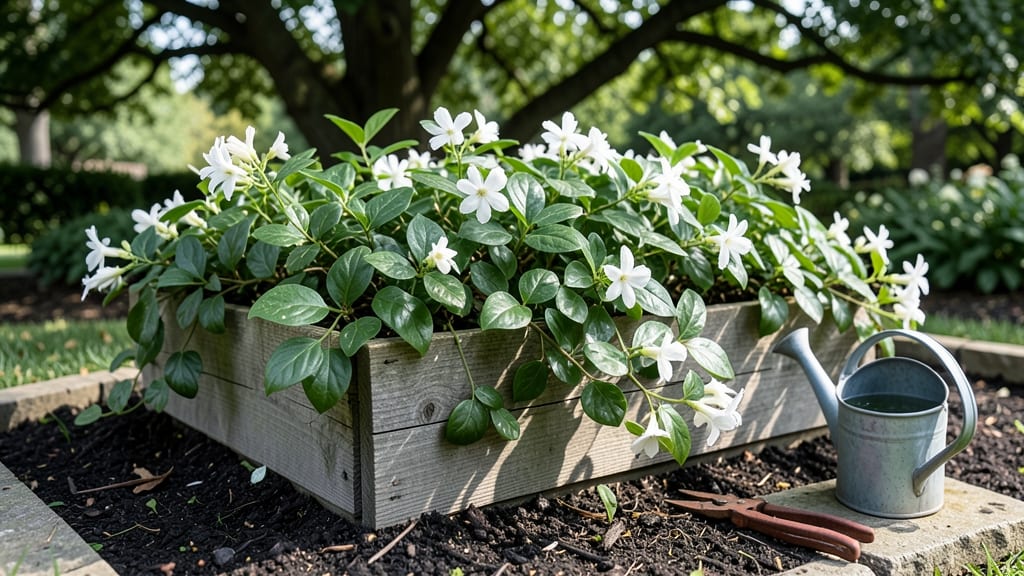
The dwarf cape jasmine flower turns even the smallest balcony into a fragrant haven with its delicate, star-shaped blooms and intoxicating nighttime scent. I learned the hard way that this plant isn’t just another pretty face—it’s a high-maintenance diva that rewards patience with months of creamy-white flowers.
My first attempt nearly died from overwatering, but after adjusting, it’s now the star of my patio, blooming from late spring until frost.
This plant thrives in partial shade (morning sun, afternoon shade works best) and rich, well-draining soil—think of it as a tropical escapee that hates soggy feet. In warmer climates, it grows as a shrub or vine, while cooler zones treat it as a houseplant or potted treasure.
The dwarf variety stays compact, making it perfect for containers, hanging baskets, or small gardens where space is at a premium.
You’ll love the velvety petals that unfold at dusk, filling the air with a sweet, jasmine-like fragrance that lingers until morning. With the right care—consistent moisture but not wet soil, occasional pruning to shape it, and protection from harsh winds—you’ll enjoy blooms for months.
The key is balancing its tropical needs with your growing conditions, and I’ll show you exactly how.
Whether you’re growing it as a shrub, vine, or houseplant, this guide covers everything from planting to troubleshooting common issues like yellowing leaves or sparse blooms. Let’s get your cape jasmine thriving so you can enjoy that intoxicating scent year after year.
📚 In This Guide
- What you need
- Instructions
- Tips and common mistakes
- Wrapping up and next steps
What you need
- ● Dwarf cape jasmine plant: A healthy, 1–3 gallon container-grown specimen (look for labeled varieties like 'Little Darling' or 'Petite' for compact growth).
- ● Well-draining potting mix: 5–10 gallons of a blend designed for semi-evergreen vines (e.g., 60% peat moss/perlite, 30% compost, 10% sand). Pro tip: Avoid heavy clay soils—cape jasmine hates soggy roots! 💡
- ● Container or garden bed: For containers: A 10–15 gallon pot with drainage holes (terracotta or fabric pots work best).
- ● For in-ground planting: A sunny spot with at least 4–6 hours of direct light daily and loose, well-amended soil.
- ● Slow-release fertilizer: A balanced 10-10-10 or 20-20-20 granular fertilizer (1–2 tbsp per plant).
- ● Pruning shears: Sharp, sterilized shears (or small bypass pruners) for shaping and maintenance.
- ● Watering can or hose with a gentle spray nozzle: For consistent moisture without over-saturating the roots.
- ● Mulch: 2–3 inches of organic mulch (e.g., shredded bark or pine needles) to retain moisture and suppress weeds.
- ● Trellis or obelisk: A small, lightweight trellis (4–6 feet tall) to train vines vertically in containers.
- ● Liquid fertilizer: A diluted fish emulsion or seaweed extract (every 4–6 weeks during growing season).
- ● Grow lights: A full-spectrum LED grow light (for indoor growing or low-light spaces).
- ● Pest control: Neem oil or insecticidal soap (preventative measure against aphids or spider mites).
Step-by-step instructions for cultivating dwarf cape jasmine in containers
Here’s how to coax those intoxicating blooms from a compact, fragrant shrub perfect for patios and small gardens.
Select the Right Container and Soil Mix
Choose a 5-gallon container with drainage holes—Cape jasmine roots need room to spread but hate soggy feet. I opt for terracotta pots because they wick away excess moisture while retaining enough humidity for the tropical roots. Fill the bottom third with 3 inches of coarse perlite to improve drainage and prevent root rot.
Next, blend 2 parts potting mix with 1 part coconut coir for better aeration. This lightweight mix mimics the well-draining, slightly acidic soil Cape jasmine thrives in. Avoid garden soil—it compacts and suffocates roots. Moisten the mix until it feels like a damp sponge, then fill the pot to 1 inch below the rim, leaving space for mulch later.
Plant Your Dwarf Variety with Care
Gently remove the plant from its nursery pot and tease the roots apart if they’re circling. Position it in the center of the container, ensuring the root flare (where the roots meet the stem) sits just above the soil line. This prevents the stem from rotting underground.
Backfill around the roots with your prepared mix, pressing lightly to eliminate air pockets. Water deeply until it drains from the bottom hole, then wait 10 minutes before adding a 1-inch layer of orchid bark mulch on top. This mimics the plant’s natural habitat and keeps roots cool in summer.
Position for Sunlight and Humidity
Cape jasmine demands full sun—at least 6 hours of direct light daily—but tolerates partial shade in hot climates. Place your container where it gets morning sun and afternoon shade if temperatures exceed 85°F. South-facing patios or balconies work well, but avoid harsh afternoon sun in desert regions.
Mist the foliage daily for the first week to replicate tropical humidity. After that, water when the top 2 inches of soil feel dry—usually 2-3 times per week in summer, less in winter. Overwatering is the fastest way to kill this plant, so always check moisture before adding more.
Prune and Fertilize for Continuous Blooms
After the first flush of flowers fades, prune back one-third of the longest stems to encourage bushier growth. Use clean, sharp shears to make cuts just above a leaf node. This also prevents the plant from becoming leggy and improves air circulation, reducing fungal risks.
Feed every 4-6 weeks during spring and summer with a balanced 10-10-10 fertilizer diluted to half strength. In fall, switch to a low-nitrogen, high-phosphorus formula to support bud formation. Stop fertilizing in winter—Cape jasmine enters dormancy and needs rest to rebloom vigorously.
Overwinter for Next Season’s Fragrance
When temperatures drop below 50°F, move your container to a bright, cool indoor space like a sunroom or near an east-facing window. Reduce watering to once every 2-3 weeks, allowing the top 3 inches of soil to dry completely between waterings.
Prune lightly in late winter to remove dead or crossing branches. This is also the time to check for pests—mealybugs love Cape jasmine. Wipe leaves with a damp cloth and inspect stems for webbing or sticky residue. A neem oil spray applied every 2 weeks keeps pests at bay without harming the plant.
Tips & tricks for perfect dwarf cape jasmine growth
To keep your fragrant dwarf Cape jasmine thriving in containers, these insider tricks will help you avoid common pitfalls and maximize those intoxicating blooms.
Container Selection Matters: While a 5-gallon container is ideal, if you're working with smaller spaces, a 3-gallon pot will work for the first year—just be prepared to upgrade within 2 years as the roots outgrow it. For colder climates, consider using insulated grow bags during winter months to protect roots from temperature fluctuations below 50°F. The extra insulation helps maintain root zone warmth when indoor spaces can't provide consistent heat.
Soil Mix Precision: When blending your 2 parts potting mix with 1 part coconut coir, add a handful of perlite to the mix itself (not just at the bottom) for even distribution. This prevents compaction in the root zone where new growth emerges. I also recommend adding a slow-release fertilizer like osmocote at planting time—just sprinkle a handful into the bottom third of your soil mix before adding the prepared blend. This gives your plant a nutritional head start without risking root burn from concentrated fertilizers.
Light Positioning Strategy: The 6 hours of direct sunlight requirement can be tricky in urban settings. If your space only gets 4-5 hours of direct sun, supplement with a grow light for 2-3 hours in the evening. Position the light 12-18 inches above the plant and use a timer for consistency. The key is to mimic the plant's natural photoperiod—it needs that full light exposure to trigger proper flowering cycles.
Watering Technique: The 10-minute wait after watering before adding mulch is crucial—it allows excess water to drain completely through the bottom hole. For container plants, I've found that using a moisture meter (inserted 1 inch deep) is more reliable than the finger test, especially in terracotta pots which dry out faster. Aim to water when the meter reads below 3 on the moisture scale—this prevents both overwatering and underwatering while maintaining the perfect balance for tropical roots.
Pro Tips for Cape Jasmine Flower
- To keep your fragrant dwarf Cape jasmine thriving in containers, these insider tricks will help you avoid common pitfalls and maximize those intoxicating blooms.
- Container Selection Matters: While a 5-gallon container is ideal, if you're working with smaller spaces, a 3-gallon pot will work for the first year—just be prepared to upgrade within 2 years as the roots outgrow it.
- Soil Mix Precision: When blending your 2 parts potting mix with 1 part coconut coir, add a handful of perlite to the mix itself (not just at the bottom) for even distribution.
Frequently asked questions
Got questions about growing your own fragrant cape jasmine? You’re not alone! Here are some of the most common queries—plus quick, practical answers to help you cultivate a thriving dwarf variety in your small space.
How fast does cape jasmine grow, and when can I expect flowers?
Cape jasmine (also called Gardenia jasminoides) grows at a moderate pace—expect 6–12 inches per year under ideal conditions. With proper care (sunlight, moisture, and occasional pruning), you can see first blooms in 1–2 years, though some dwarf varieties may flower sooner. Patience pays off—those intoxicating white blossoms are worth the wait!
Why aren’t my cape jasmine leaves turning green, and what’s wrong?
Yellowing leaves (chlorosis) usually signal iron deficiency or poor drainage. Cape jasmine thrives in acidic, well-draining soil (pH 5.0–6.5). Try these fixes:
- Amend soil with peat moss or sulfur to lower pH.
- Water deeply but avoid soggy roots—ensure pots have drainage holes.
- Fertilize with an acid-loving plant formula (like citrus mix) every 4–6 weeks in spring/summer.
Can I grow cape jasmine in a pot, and what’s the best container size?
Dwarf cape jasmine loves containers. Start with a 5–7 gallon pot for mature plants, but 3–5 gallons works for younger dwarf varieties. Use a fast-draining mix (50% peat moss, 30% perlite, 20% compost) and upgrade pots by 1–2 sizes every 2–3 years. Just remember: more roots = more blooms!
What pests should I watch for, and how do I treat them naturally?
Cape jasmine attracts aphids, spider mites, and scale insects, but you can tackle them without chemicals:
- Aphids: Spray with a soapy water mix (1 tsp mild soap + 1 quart water) or introduce ladybugs.
- Spider mites: Wipe leaves with neem oil (1 tsp per quart of water) weekly.
- Scale: Scrape off with a soft brush or use horticultural oil in dormant seasons.
Are there fragrant alternatives to cape jasmine for small spaces?
If cape jasmine feels tricky, try these low-maintenance, fragrant small-space friends:
- Sweet alyssum (Lobularia maritima): Tiny white/purple blooms, honey-scented, thrives in pots.
- Dwarf gardenia (Gardenia augusta ‘Radicans’): Similar care, more compact (1–2 ft tall).
- Jasmine polyanthum: Fast-growing vine with intense nighttime fragrance (great for trellises).
- Lemon thyme: Edible, citrus-scented ground cover—bonus for cooking!
Wrapping up and next steps
Growing cape jasmine in small spaces is not only possible—it’s a rewarding way to bring lush, fragrant beauty into your life! 🌸 Whether you’re a beginner or a seasoned gardener, this dwarf variety thrives with minimal effort and delivers stunning blooms and intoxicating scent.
Now that you’re armed with the right materials, tips, and troubleshooting advice, it’s time to roll up your sleeves and create your own fragrant oasis.
Ready to take the next step? Pick a sunny spot, grab your cape jasmine cutting or seedling, and start planting! Share your progress with fellow plant lovers—your garden (and nose) will thank you.