
Flowers
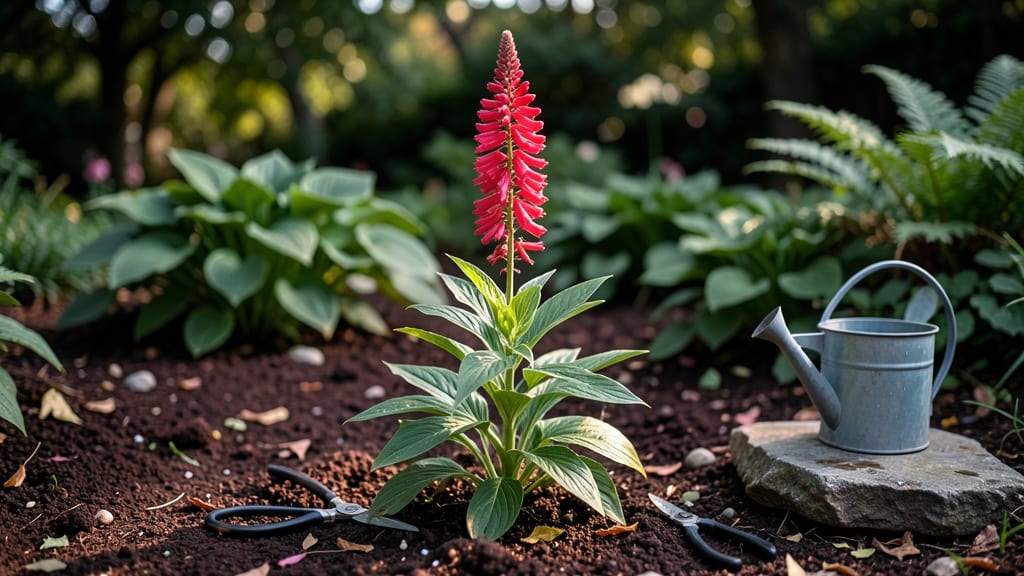
Growing cardinal flower in Minnesota means embracing its native toughness and dramatic purple spikes that catch every bee’s eye. 🌿 I’ve watched mine thrive in my Zone 4 garden, where most flowers wilt by July—but these bold beauties wait until August to burst into color, turning my shady edges into a hummingbird magnet.
The secret? Planting in moist, well-draining soil along pond edges or rain gardens, where they mimic their wild Minnesota habitat. Start seeds indoors by March 1st for transplants by May 15th, or sow directly after last frost—just don’t let the soil dry out.
These plants reward patience with 4-foot-tall spikes that last until frost, even in our short summers.
Once established, cardinal flowers need minimal fuss—just consistent moisture and occasional deadheading to prolong blooms. Deer usually leave them alone (a win for MN gardens), but watch for powdery mildew in humid summers. Prune back in early spring to encourage fresh growth, and they’ll bounce back stronger than ever.
For Minnesota gardeners, this is a low-maintenance, high-impact perennial that pairs perfectly with native grasses, asters, or goldenrods. Check the University of Minnesota Extension for regional pest alerts, and get ready for a late-summer show that turns heads—and hummingbirds—your way.
📚 In This Guide
- What you need
- Instructions
- Tips and common mistakes
- Wrapping up and next steps
What you need
- ● Seeds or nursery-grown plants: Seeds: 1–2 packets (each packet typically contains 50–100 seeds)
- ● OR 3–5 nursery plants (for quicker results)
- ● Well-draining soil: Native soil amended with 2–3 inches of organic compost (Cardinal Flower loves moisture but hates soggy roots!)
- ○ Peat moss or coco coir (optional, for moisture retention in sandy MN soils)
- ● Sunlight access: Partial shade to full sun (at least 4–6 hours of sunlight daily)
- ● Watering supplies: Garden hose with adjustable nozzle or watering can
- ○ Drip irrigation system (optional, for consistent moisture)
- ○ Fertilizer (optional but helpful): Balanced 10-10-10 fertilizer or fish emulsion (apply lightly at planting and mid-season)
- ● Mulch: 2–3 inches of organic mulch (straw, shredded leaves, or wood chips) to retain moisture
- ● Pruning shears (for deadheading or shaping plants)
- ● Garden stakes or small trellis (if growing in windy MN areas)
- ● pH testing kit (ideal soil pH: 6.0–7.0)
- ● Companion plants (e.g., monarda or astilbe) for a pollinator-friendly garden
Step-by-Step instructions for planting and cultivating cardinal flower in Minnesota
This hardy perennial thrives in Minnesota's climate when planted correctly—here's how to coax those signature red blooms.
🌱 Step 1: Select the Perfect Planting Site
Cardinal flower loves moisture and partial shade, making it perfect for Minnesota's humid summers. Choose a spot with 4-6 hours of morning sun and afternoon shade, especially in southern Minnesota where heat can stress plants. The soil should stay consistently damp but never waterlogged—this native plant mimics its wetland origins.
I always test the soil first by digging a small hole. If water pools after 30 minutes, you've got ideal conditions. In drier northern regions, consider planting near a rain garden or along a pond edge where natural moisture lingers. The roots will thank you with vigorous growth.
🪴 Step 2: Prepare the Soil and Plant Bare-Root Starts
Amend the soil with 2-3 inches of compost to improve drainage while retaining moisture—cardinal flower hates dry spells. Work the compost into the top 6 inches of soil, breaking up any compacted layers. The roots need room to spread, so space plants 18-24 inches apart in rows 2 feet apart for full, dramatic spires.
Dig a hole twice as wide as the root ball but only as deep as the roots themselves. Gently tease out any circling roots before placing the plant—this encourages outward growth rather than girdling. Backfill with native soil, pressing lightly to eliminate air pockets. Water immediately to settle the roots.
☀️ Step 3: Provide Consistent Moisture and Light Balance
Water deeply twice weekly during Minnesota's dry spells (late summer is critical), aiming for 1 inch of water per week. The soil should feel damp 2 inches below the surface—never soggy. I use a rain gauge to track moisture, adjusting for natural rainfall. Mulch with 2 inches of shredded bark to conserve water and suppress weeds.
Watch for yellowing leaves—this usually means either too much sun or inconsistent watering. In hot years, afternoon shade becomes essential to prevent leaf scorch. The plant will reward you with 4-6 foot tall spikes of vibrant red blooms from mid-July to September, just as Minnesota's summer wanes.
✂️ Step 4: Deadhead and Prepare for Winter
After flowering, snip spent blooms back to encourage a second, smaller flush of flowers in late summer. This also prevents self-seeding, which can become invasive. I leave the seed pods for natural propagation if desired, but remove them by mid-October to prevent volunteer seedlings.
In Minnesota's winters, cardinal flower's semi-evergreen foliage often survives, but cut back stems to 4 inches in early spring before new growth emerges. The roots are hardy to -20°F, so no special winter protection is needed unless you're in an exposed microclimate.
🌿 Step 5: Divide and Maintain for Long-Term Growth
Every 3-4 years, divide clumps in early spring to prevent overcrowding. Dig up the entire plant and separate sections with a sharp knife, ensuring each division has 3-4 healthy stems. Replant immediately in fresh soil. This rejuvenates blooms and prevents the center from dying out.
Fertilize lightly in early spring with 5-10-10 at half strength—cardinal flower doesn't need much. Too much nitrogen produces lush foliage but fewer flowers. The key to Minnesota success is patience: it may take 2-3 years for established plants to reach their full, dramatic height.
Tips & tricks for perfect cardinal flower cultivation in Minnesota
Minnesota's climate can be tricky for cardinal flower, but these pro tips will help you grow those show-stopping red spikes with confidence.
Site Selection Secret: The 4-6 hours of morning sun in Step 1 is non-negotiable—this mimics the plant's native wetland conditions. If your yard gets intense afternoon sun, consider planting near a northern-facing fence or under deciduous trees that provide natural shade during the hottest hours. I've seen cardinal flower struggle in full sun gardens where afternoon temperatures exceed 85°F.
Soil Prep Strategy: When amending with 2-3 inches of compost in Step 2, mix in a handful of perlite or coarse sand to improve drainage while maintaining moisture retention. The goal is to replicate the bog-like conditions cardinal flower thrives in. I always test the soil's moisture level after amending by squeezing a handful—it should hold together but not be sticky.
Watering Wisdom: The twice-weekly watering in Step 3 works best when done in the morning to prevent fungal issues. Use a rain gauge to track your 1-inch weekly total, but adjust during Minnesota's unpredictable weather. I've found that early morning watering also encourages deeper root growth, making plants more drought-tolerant once established.
Winter Prep: The -20°F hardiness mentioned in Step 4 is impressive, but don't assume your plants will survive unprotected in exposed areas. I've seen cardinal flower suffer in windy sites despite the cold tolerance. A light layer of mulch (2-3 inches) after cutting back to 4 inches helps insulate roots during our harshest winters.
Pro Tips for Cardinal Flower Minnesota
- Minnesota's climate can be tricky for cardinal flower, but these pro tips will help you grow those show-stopping red spikes with confidence.
- Site Selection Secret: The 4-6 hours of morning sun in Step 1 is non-negotiable—this mimics the plant's native wetland conditions.
- Soil Prep Strategy: When amending with 2-3 inches of compost in Step 2, mix in a handful of perlite or coarse sand to improve drainage while maintaining moisture retention.
Frequently asked questions
Got questions about growing cardinal flowers in Minnesota?
You’re not alone! Here are answers to the most common queries—from timing to troubleshooting—so you can cultivate these vibrant blooms with confidence.
When is the best time to plant cardinal flowers in Minnesota?
Plant cardinal flower seeds in early spring (April–May) or late summer (August–September). Seeds need cold stratification to germinate, so sow them directly in the garden—don’t start indoors. For transplants, wait until after the last frost (mid-May) to avoid heat stress.
How long does it take for cardinal flowers to bloom after planting?
With patience! Seeds may take 1–2 years to flower, but established plants reward you with bold red blooms from July to September. For faster results, buy nursery-grown plants (they’ll bloom the first year).
Do cardinal flowers need full sun, or can they grow in shade?
They thrive in partial shade (4–6 hours of sun daily) but tolerate full shade in hot Minnesota summers. Avoid scorching afternoon sun, especially in clay-heavy soils. A moist, well-drained spot near ponds or rain gardens is ideal!
Why aren’t my cardinal flowers blooming? Troubleshooting tips.
No blooms? Check these fixes:
- Not enough light: Move to a sunnier spot (but avoid harsh afternoon sun).
- Over-fertilizing: Cardinal flowers prefer poor soil—too much nitrogen = leafy growth, no flowers. Use a low-phosphorus fertilizer or none at all.
- Young plants: Seeds need time (1–2 years). Transplants may bloom sooner.
- Pests/disease: Yellow leaves? Check for aphids or fungal issues (prune affected stems).
What can I plant with cardinal flowers for a Minnesota-friendly garden?
Pair them with native companions like:
- Joe Pye weed (Eutrochium) – attracts butterflies!
- Astilbe – adds texture and thrives in shade.
- Swamp milkweed (Asclepias incarnata) – supports monarchs.
- Hostas – for lush foliage contrast.
Wrapping up and next steps
The cardinal flower in Minnesota isn’t just a stunning addition to your garden—it’s a hardy, low-maintenance beauty that thrives in the Northwoods’ conditions. With its vibrant red blooms and ability to attract hummingbirds, it’s a must-have for pollinator-friendly landscapes.
Whether you’re a seasoned gardener or just starting out, planting this native gem is a rewarding way to bring color and life to your outdoor space.
Ready to grow your own? Start by checking your local nursery for cardinal flower seedlings or seeds, then mark your calendar for late spring or early summer planting. Happy gardening! 🌸🌿