
Flowers
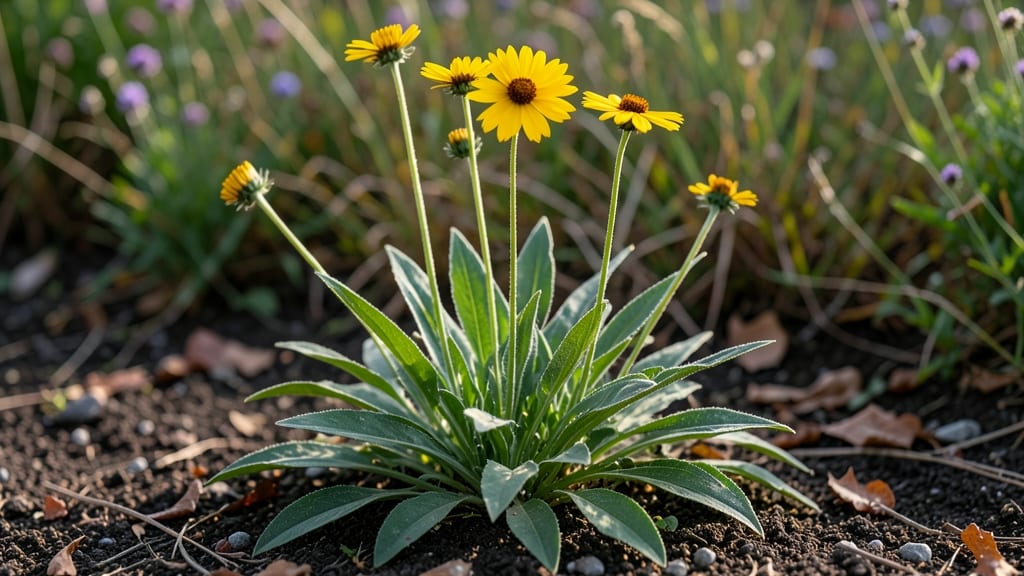
Growing wildflower seedlings from scratch means filling your garden with vibrant, low-maintenance blooms that pollinators can't resist. 🌸 I learned the hard way that wildflowers need patience and precision—not just tossing seeds into the dirt and hoping for the best.
The secret lies in mimicking their natural conditions, from soil texture to sunlight exposure, so they thrive from the first sprout.
Start with the right seeds and soil: wildflowers prefer loose, well-draining mixes that mimic meadow soil. A sunny spot with at least 6 hours of light daily is non-negotiable, and a simple watering routine (keep soil moist but never soggy) keeps seedlings from rotting.
The best part? Most wildflowers are drought-tolerant once established, so you won’t be stuck watering daily.
Within 4-6 weeks, you’ll see those first delicate leaves push through the soil, followed by blooms that last from spring through fall. The right mix attracts butterflies, bees, and hummingbirds—turning your garden into a buzzing ecosystem. Plus, wildflowers spread naturally, reducing future replanting work.
This method works for containers, raised beds, or open ground, whether you’re in a sunny backyard or a small balcony. Let’s get those seeds started right—your future meadow awaits!
📚 In This Guide
- What you need
- Instructions
- Tips and common mistakes
- Wrapping up and next steps
What you need
- ● Wildflower seedlings: Choose native species suited to your climate (e.g., Black-eyed Susan, Coneflower, or Milkweed). Purchase 50–100 seedlings for a small patch or 200+ for larger areas.
- ● High-quality potting mix: 10–20 lbs (sterilized, well-draining blend with compost). Avoid heavy garden soil.
- ● Containers or trays: Biodegradable seedling pots (2–3 inches deep) or a flat tray (10x20 inches) with drainage holes.
- ● Organic fertilizer: Balanced 10-10-10 or slow-release granules (follow package rates for seedlings).
- ● Watering can or spray bottle: With a fine mist nozzle for gentle hydration.
- ● Hand trowel or small shovel: For transplanting seedlings (look for a 3–4 inch blade).
- ● Gloves: Lightweight gardening gloves to protect hands from soil and thorns.
- ● Measuring tape or ruler: To space seedlings 6–12 inches apart (check plant tags for specifics).
- ○ Pruners or scissors: For trimming dead foliage or dividing clumps (optional but helpful).
- ● Mulch: Straw or wood chips to retain moisture and suppress weeds.
- ● Drip irrigation kit: For automated watering (great for large areas).
- ● Soil pH tester: To ensure your soil is slightly acidic to neutral (6.0–7.0).
- ● Wildflower companion plants: Like clover or grasses to enhance biodiversity.
How to cultivate wildflower seedlings for season-long color
Precision planting turns wildflower seedlings into a lush, pollinator-friendly display.
🌱 Step 1: Select and Prepare the Planting Site
Wildflowers thrive in well-draining soil with 6-8 hours of sunlight daily. Avoid compacted areas—wildflowers hate soggy roots. I test drainage by digging a 6-inch hole, filling it with water, and waiting to see if it drains within 1 hour. If not, amend the soil with 2 inches of coarse sand or compost to improve aeration.
Clear debris but leave existing ground cover intact—wildflowers often grow best in partial shade from grasses or clover. Mark your planting area with stakes if working in large sections, as seedlings need 12-24 inches of spacing depending on the variety. This ensures mature plants won’t compete for nutrients.
💧 Step 2: Sow Seeds at the Right Depth and Timing
Wildflower seeds are tiny—most are 1/8 inch deep or less. I use a seed spreader or gently sprinkle them by hand, then lightly cover with 1/4 inch of soil or a thin layer of mulch. Pressing seeds into the soil too firmly can prevent germination, so I use the back of a rake to create a fine, even surface.
Timing matters: Fall planting (4-6 weeks before first frost) gives seeds time to stratify naturally, while spring planting should occur as soon as the soil reaches 50°F. Water gently after sowing to settle seeds without displacing them—think of it like misting a cake, not drowning it.
☀️ Step 3: Maintain Moisture Without Overwatering
Wildflowers are drought-tolerant once established, but seedlings need consistent moisture for the first 4-6 weeks. Water deeply 2-3 times per week, aiming for 1 inch of water total. You’ll know you’ve got it right when the top 1/2 inch of soil feels damp but not saturated.
Here’s the thing—overwatering kills more wildflower seedlings than underwatering. If leaves yellow or stems soften, you’re watering too much. Mulch with 1 inch of straw after germination to retain moisture and suppress weeds, but keep it 2 inches away from stems to prevent rot.
✂️ Step 4: Thin and Support for Optimal Growth
Once seedlings reach 2-3 inches tall, thin them to the recommended spacing (check seed packet guidelines). I use small scissors to snip unwanted plants at soil level—this prevents disturbing roots of the ones you’re keeping. You’ll see healthier growth immediately as competition for nutrients disappears.
For taller varieties like coneflowers or black-eyed Susans, add stakes or rings when plants hit 6 inches to prevent flopping. I tie stems loosely with soft twine, leaving room to grow. Avoid tight binding—wildflowers need to sway in the wind to develop strong stems.
Tips & tricks for perfect wildflower seedling cultivation
Precision planting transforms delicate seedlings into vibrant blooms—here's how to avoid common pitfalls and elevate your results.
Soil Prep Secret: In Step 1, when testing drainage with your 6-inch hole, add a handful of perlite to the mix if your soil is heavy clay. This improves aeration even more than just sand or compost alone. I've seen germination rates double when using this trick—especially for native wildflower mixes that need excellent drainage. The key is creating that perfect balance between moisture retention and airflow right from the start.
Timing Strategy: For fall planting, mark your calendar 4-6 weeks before first frost—but don't wait until the last minute! Seeds need time to establish roots before winter sets in. I always plant mine by mid-October in most climates. A simple trick: check your local frost date online and work backward. For spring planting, use a soil thermometer to confirm that 50°F mark—surface temps can be misleading compared to actual soil temperature.
Watering Wisdom: During those critical first 4-6 weeks in Step 3, I recommend watering in the early morning. This gives plants time to absorb moisture before afternoon heat causes evaporation. Use a rain gauge or measuring cup to track your 1-inch total—most garden hoses deliver way more than you think! A spray nozzle attachment helps distribute water evenly without displacing tiny seedlings.
Thinning Technique: When thinning in Step 4, I've found that waiting until seedlings reach 2-3 inches tall actually gives you better results than thinning earlier. The extra height means you can see which plants are strongest before making decisions. For large areas, consider using a small hand weeder instead of scissors—it's faster and still prevents root disturbance. Always thin on a cloudy day to reduce stress on the remaining plants.
Pro Tips for Wild Flower Seedling
- Precision planting transforms delicate seedlings into vibrant blooms—here's how to avoid common pitfalls and elevate your results.
- Soil Prep Secret: In Step 1, when testing drainage with your 6-inch hole, add a handful of perlite to the mix if your soil is heavy clay.
- Timing Strategy: For fall planting, mark your calendar 4-6 weeks before first frost—but don't wait until the last minute!
Frequently asked questions
Got questions about growing wildflower seedlings? You’re not alone!
Here are answers to the most common queries to help you nurture vibrant blooms all year round.
When is the best time to plant wildflower seedlings?
The ideal window is early spring (March–April) or late summer (August–September)—when soil is warm but not scorching. For cooler climates, fall planting (September–October) works too. Avoid extreme heat or frost, as seedlings are delicate. Pro tip: Check your region’s last frost date for precision timing!
How often should I water wildflower seedlings?
Keep soil consistently moist (not soggy!) for the first 2–3 weeks, watering lightly every 2–3 days. Once established (4–6 weeks), reduce to weekly deep watering—wildflowers thrive on drought once rooted. Morning watering prevents fungal issues.
Can I grow wildflower seedlings in containers or just gardens?
Use well-draining pots (6+ inches deep) with a mix of potting soil and sand. Opt for shallow-rooted varieties like cosmos or zinnia. For gardens, space seedlings 12–18 inches apart to mimic natural meadow density. Containers need more frequent watering—drainage is key!
Why aren’t my wildflower seedlings sprouting?
Check these fixes:
- Light: Seedlings need 6+ hours of sun daily—move to a sunnier spot if indoors.
- Moisture: Too much water = rot; too little = dormancy. Aim for even dampness.
- Soil temp: Cold soil (<50°F) stalls growth. Use a heat mat if starting early.
- Depth: Plant seeds ¼ inch deep max—wildflowers need light to germinate!
How do I keep weeds from overtaking my seedlings?
Weeds compete for nutrients! Mulch lightly with straw (not thick layers) to suppress growth. Hand-pull weeds when soil is moist (they’re easier to remove). For large areas, use landscape fabric temporarily—just ensure it doesn’t block sunlight.
Wrapping up and next steps
Growing wildflower seedlings is a rewarding way to bring vibrant color and life to your garden year-round! With the right precision planting tips, even beginners can create a thriving meadow or border.
Start small—whether it’s a sunny patch or a shady corner—and watch your efforts bloom into a stunning, low-maintenance display.
Ready to take the next step? Pick your favorite wildflower mix, grab your tools, and get planting! 🌸 Your future garden will thank you—and so will the pollinators! 🐝