
Flowers
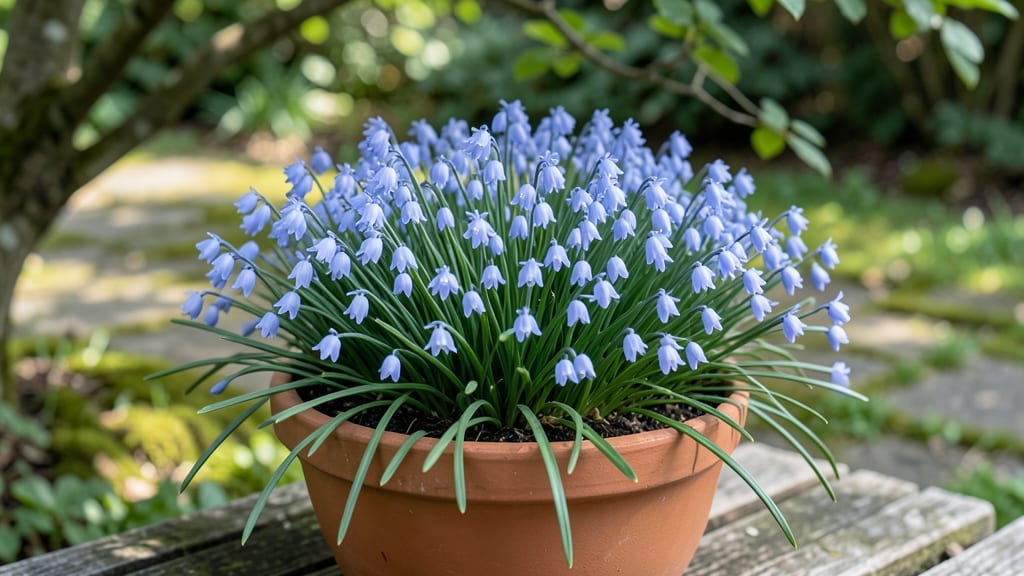
Growing carpet snow flowers (Alyssum spp.) means your garden will always smell like spring—even in winter. 🌿 These tiny, honey-scented blooms thrive when you prune them just right, turning what looks like a delicate mat of flowers into a year-round fragrance machine.
The secret isn’t complicated: it’s about timing, light, and knowing when to give them a haircut.
You’ll need well-draining soil, at least 6 hours of sun daily, and a spot where they can spill over edges or fill gaps between rocks. They’re tough little survivors—drought-tolerant once established—and bloom from early spring until frost if you keep them trimmed.
The key is pruning after each flush of flowers to encourage dense, continuous growth.
Imagine stepping into a cloud of sweetness every time you brush past them. That’s what you’re building: a fragrant groundcover that stays lush, even through heat waves or light frosts.
With the right care, these flowers will spread like a living carpet, filling your garden with scent and texture without the fuss.
Perfect for borders, rock gardens, or as a living mulch between perennials. Let’s get yours growing strong—no matter the season.
📚 In This Guide
- What you need
- Instructions
- Tips and common mistakes
- Wrapping up and next steps
What you need
- ● Bulbs: 5–10 Leucojum vernum bulbs (choose firm, plump bulbs for best results).
- ● Potting soil: 1–2 bags of well-draining, moisture-retentive potting mix (add perlite or sand for aeration if needed).
- ● Container or garden bed: For containers: 6–12" pots with drainage holes (1–2 bulbs per 6" pot).
- ● For gardens: A partially shaded spot with rich, humusy soil (amend with compost if needed).
- ● Fertilizer: Balanced, slow-release granular fertilizer (5-10-5 ratio) or organic compost.
- ● Watering can or hose: With a gentle spray nozzle for even moisture.
- ● Pruners or sharp scissors: For trimming spent foliage and stems.
- ○ Mulch (optional): 1–2 inches of shredded bark or straw to retain moisture and suppress weeds.
- ● Garden gloves for handling soil/bulbs.
- ● Trellis or stakes (if growing in containers to support taller stems).
- ● pH test kit to ensure soil is slightly acidic to neutral (6.0–7.0).
- ● Slow-release bulb food for extra nourishment.
- ● Decorative stones or pebbles to enhance container aesthetics.
Step-by-Step instructions for cultivating carpet snow flower
Transform your garden into a fragrant haven with this simple, foolproof approach.
🌱 Step 1: Select and Prepare the Planting Site
Choose a location with partial shade to full sun—carpet snow flowers thrive where they get morning sunlight but afternoon shade in hotter climates. The soil should drain well but retain moisture, so amend heavy clay with 2-3 inches of compost mixed into the top 6 inches of soil.
Here's the thing—these plants love consistency. If your soil is sandy, add 1 inch of organic matter like leaf mold or well-rotted manure to help retain moisture. Test the pH too; they prefer slightly acidic to neutral soil between 6.0 and 7.0. A simple soil test kit from your local garden center will tell you everything you need to know.
🪴 Step 2: Plant at the Right Time and Depth
Spring is ideal for planting, but you can also establish them in early fall before the first frost. Dig holes twice as wide as the root ball and just as deep. Gently remove the plant from its container and loosen any circling roots with your fingers—this encourages outward growth.
Place the plant in the hole so the top of the root ball sits 1 inch below the soil surface. The reason we bury it slightly is that it helps stabilize the plant and prevents it from drying out too quickly. Fill the hole with soil, then water deeply to settle everything in place. You'll know it's right when the soil surface looks slightly domed around the base.
☀️ Step 3: Water and Mulch for Consistent Moisture
Water immediately after planting, then keep the soil evenly moist but not soggy for the first 2-3 weeks. You'll see the leaves perk up and the plant start to settle in—this is your signal that it's taking root. After that, water when the top 1-2 inches of soil feel dry to the touch.
Spread 2-3 inches of mulch around the base of the plant, keeping it 2 inches away from the stem to prevent rot. I like to use shredded bark or pine needles because they break down slowly and improve the soil over time. This mulch layer keeps moisture in and weeds out, which means less work for you and happier plants.
✂️ Step 4: Prune for Year-Round Fragrance and Shape
Pruning is where the magic happens for carpet snow flowers. In early spring, cut back any dead or damaged stems to ½ inch above the ground. This encourages fresh, vigorous growth. Throughout the growing season, trim back leggy stems to maintain a compact shape—you'll notice new side shoots forming within 2-3 weeks.
Here's the trick: After flowering, cut back the spent blooms to just above a set of healthy leaves. This redirects the plant's energy into producing more flowers instead of seed pods. Don't skip this step—it's what keeps your carpet snow flower blooming and fragrant all season long. I also do a light pruning in late summer to tidy up the plant before winter.
Tips & tricks for perfect carpet snow flower cultivation
Real talk: These little details make all the difference between a struggling plant and a fragrant, thriving carpet snow flower that keeps giving all season.
Soil Preparation Insight: When amending your soil with 2-3 inches of compost in Step 1, focus on mixing it into the top 6 inches of soil—not just sprinkling it on top. This ensures consistent moisture retention throughout the root zone. For sandy soils, I've found that adding 1 inch of organic matter like leaf mold creates a sponge-like texture that holds moisture beautifully without compacting.
Planting Depth Secret: That 1 inch below soil surface rule in Step 2 isn't just about stability—it's about creating a microclimate. The buried portion helps regulate temperature and moisture at the crown, which is especially important during hot afternoons. After planting, I like to gently press the surrounding soil to create that slight dome shape—it helps channel water directly to the roots during irrigation.
Pruning Precision: When you're cutting back spent blooms in Step 4 to just above a set of healthy leaves, look for leaves that are about 1/3 the size of mature ones. This ensures you're redirecting energy to new growth rather than removing too much foliage. I've noticed that plants pruned this way produce 2-3 weeks of continuous new blooms—it's like hitting the reset button on their flowering cycle.
Mulch Magic: That 2-3 inches of mulch in Step 3 serves multiple purposes beyond moisture retention. I've found that pine needles (my personal favorite) create a slightly acidic environment that carpet snow flowers love, while also suppressing weeds more effectively than bark mulch. Just remember to keep it 2 inches away from the stem—this prevents rot while still protecting the roots.
Pro Tips for Carpet Snow Flower
- Real talk: These little details make all the difference between a struggling plant and a fragrant, thriving carpet snow flower that keeps giving all season.
- Soil Preparation Insight: When amending your soil with 2-3 inches of compost in Step 1, focus on mixing it into the top 6 inches of soil—not just sprinkling it on top.
- Planting Depth Secret: That 1 inch below soil surface rule in Step 2 isn't just about stability—it's about creating a microclimate.
Frequently asked questions
Got questions about growing and caring for your carpet snow flower? You’re not alone!
Here are some of the most common queries—and their answers—to help you keep your plant thriving year-round.
When is the best time to prune my carpet snow flower for maximum blooms?
The ideal time to prune is late winter or early spring, just as new growth begins. This encourages bushier, fuller plants and more abundant flowers. Avoid heavy pruning in fall, as it can stress the plant before winter. For year-round fragrance, light trims after each bloom cycle (every 6-8 weeks) work too!
Can carpet snow flowers survive winter outdoors, or do I need to bring them inside?
Most carpet snow flowers (like Sarcococca varieties) are hardy to USDA zones 7-9 and tolerate light frost. However, in colder climates (zones 6 or below), mulch heavily and protect with burlap or a frost cloth. If your plant is potted, move it to a sheltered spot or indoors (where temps stay above 30°F) for the season.
Why aren’t my carpet snow flowers blooming this year?
Lack of blooms often stems from over-fertilizing with high-nitrogen feeds, which promotes leafy growth over flowers. Switch to a balanced 10-10-10 or phosphorus-rich fertilizer in early spring. Also, check for poor drainage or root-bound pots—these can stress the plant. Ensure it gets partial shade (too much sun = fewer blooms).
What’s a good alternative if I want a low-maintenance, fragrant ground cover?
If carpet snow flowers feel too fussy, try these fragrant, shade-tolerant alternatives:
- Daphne (Daphne odora): Sweetly scented in winter, but needs well-draining soil.
- Sweet box (Sarcococca confusa): Nearly identical care but slightly hardier.
- Winter daphne (Daphne burkwoodii): Thrives in zones 6-8 with minimal pruning.
- Creeping myrtle (Vinca minor): Evergreen, fragrant, and drought-tolerant (but not winter-blooming).
How do I fix yellowing leaves on my carpet snow flower?
Yellow leaves usually signal overwatering or nutrient deficiencies. Let the top 1–2 inches of soil dry out between waterings, and test for chlorosis (yellowing between veins), which may mean iron or magnesium deficiency. Apply a chelated iron supplement or switch to acidic fertilizer (pH 5.0–6.0). Avoid soggy soil—these plants hate "wet feet"!
Wrapping up and next steps
The carpet snow flower isn’t just a burst of winter beauty—it’s a year-round companion when nurtured with the right pruning precision. From selecting the perfect spot to mastering seasonal trims, every step unlocks its fragrant, lush charm and keeps it thriving.
Whether you’re a gardening newbie or a green thumb, this guide gives you the confidence to cultivate a snow-kissed oasis that blooms with intention.
Ready to transform your garden? Start small: plant one this season and watch how pruning transforms its growth. Your future self—and your nose—will thank you! 🌸✨