
Flowers
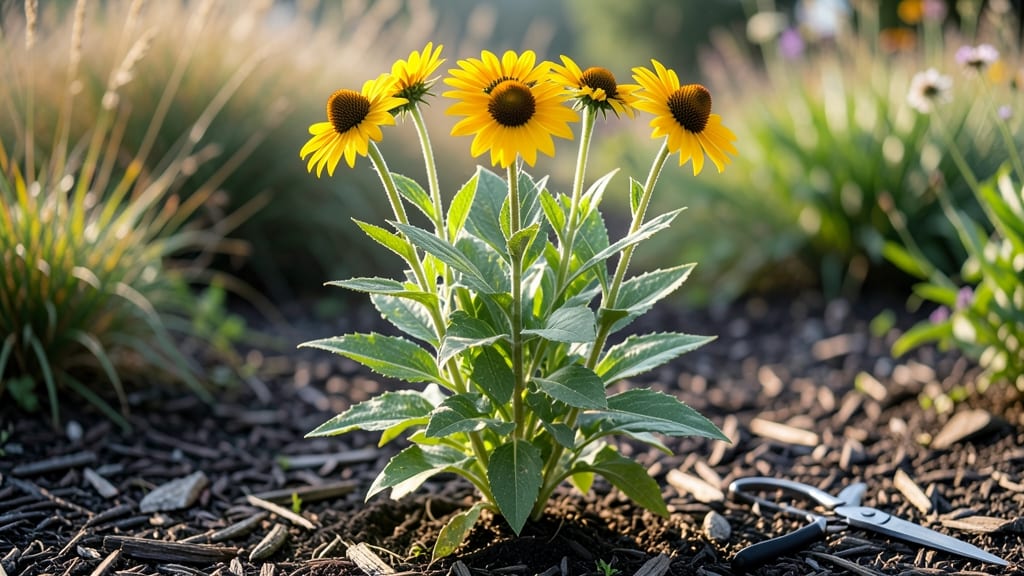
The cavi cone flower Cheyenne, a compact coneflower with bold, sunlit blooms, transformed how I garden in containers. This dwarf variety stays under 18 inches tall while delivering butter-yellow petals that hummingbirds adore, proving big impact doesn’t need big yards.
The secret lies in its adaptable roots and drought-smart habits, making it the perfect plant for balconies, window boxes, or crowded borders where taller perennials would flop.
Start with well-draining soil—it tolerates poor conditions but thrives when amended with compost—and plant in full sun (at least 6 hours daily). Space plants 12-18 inches apart to avoid crowding, and water deeply once a week after establishment; its deep roots make it drought-tolerant once established.
Prune back spent blooms in early summer to encourage nonstop reblooming until frost, and watch as your small-space garden becomes a pollinator magnet.
This coneflower handles zone 3-9 winters with ease, so no fuss comes spring. Pair it with catmint, black-eyed Susans, or salvia for a low-maintenance, high-reward combo that blooms from July to October.
The velvety centers age to rusty brown, adding texture long after petals fade—proof that small plants can steal the show. Ready to transform a corner into a year-round bloomer?
Bonus: Deer-resistant and pest-proof (thanks to its bitter foliage), Cheyenne Cavity requires zero chemicals to stay healthy. For container growers, use 5-gallon pots with drainage holes, and fertilize once in spring with balanced 10-10-10.
The results? More blooms, less effort, and a garden that works as hard as you do.
📚 In This Guide
- What you need
- Instructions
- Tips and common mistakes
- Wrapping up and next steps
What you need
- ● Cavi Cone Flower Cheyenne Seeds or Plants: 1–3 plants (or seeds) – Opt for young plants for faster blooms!
- ● Well-Draining Potting Mix: 1–2 bags (10–15 lbs each) – Look for a blend labeled for perennials or wildflowers.
- ● Container or Garden Bed: For Containers: 1–2 pots (5–7 inches deep) with drainage holes.
- ● For Garden Beds: A spot with 6+ hours of sunlight and loose, fertile soil.
- ● Basic Gardening Tools: 1 trowel (for planting)
- ○ 1 pair of gardening gloves (optional but recommended!)
- ● Watering Can or Hose: With a gentle spray nozzle for even watering.
- ● Slow-release fertilizer (for nutrient boost)
- ● Mulch (to retain moisture and suppress weeds)
- ● Stakes or small supports (if growing in windy areas)
- ● Plant markers (to label your Cheyenne beauties!)
Step-by-step blueprint for growing Cheyenne Coneflower in compact gardens
This dwarf variety thrives in tight spaces—here’s how to coax its vibrant blooms with precision.
Select the Perfect Planting Site
Cheyenne Coneflower adores full sun—at least 6 hours daily—but tolerates morning sun with afternoon shade in hotter climates. I always scout the spot first: look for areas where other perennials have thrived, as this signals well-draining soil. Avoid low spots where water pools after rain, as soggy roots lead to rot.
For small spaces, prioritize containers or raised beds if your yard has heavy clay. The dwarf variety stays under 2 feet tall, making it ideal for borders or window boxes. If planting directly in the ground, space 18-24 inches apart—this prevents overcrowding as roots spread.
Prepare Soil for Optimal Growth
Coneflowers hate soggy feet but love fertile, well-draining soil. Amend native soil with 2-3 inches of compost and a handful of slow-release fertilizer (like 10-10-10) per planting hole. I mix in a light layer of perlite if my soil compacts easily—this mimics the airy texture they prefer.
Test soil pH before planting; Cheyenne thrives in slightly acidic to neutral (6.0-7.0). If your soil runs alkaline, add sulfur or peat moss to adjust. Dig holes twice as wide as the root ball but no deeper—this encourages roots to spread horizontally rather than sink too low.
Plant and Water for Strong Establishment
Gently remove the plant from its container and tease apart roots if they’re circling. Place it in the hole so the top of the root ball sits level with the soil surface—burying too deep suffocates stems. Backfill with native soil, pressing lightly to eliminate air pockets.
Water deeply immediately after planting to settle roots, then every 2-3 days until new growth appears. Use a soaker hose or drip irrigation to avoid wetting foliage, which reduces disease risk. Mulch with 2 inches of shredded bark to retain moisture and suppress weeds—just keep it 3 inches away from stems to prevent rot.
Maintain Through the Growing Season
Once established, Cheyenne Coneflower is drought-tolerant, but deep watering weekly during dry spells keeps blooms vibrant. Fertilize again in early summer with a balanced 10-10-10—half the recommended rate—to avoid leggy growth. Deadhead spent blooms in late summer to encourage a second flush of flowers before frost.
Watch for powdery mildew in humid climates—this shows as white dust on leaves. Improve airflow by thinning crowded plants and avoid overhead watering. If mildew appears, spray with neem oil at dusk for organic control. In winter, cut back stems to 2-3 inches tall and add extra mulch to protect roots from freeze-thaw cycles.
Overwinter and Plan for Next Year
Coneflowers are hardy perennials, but early spring is the time to refresh. Remove old mulch and reapply compost around plants in late winter before new shoots emerge. Prune back any dead or damaged stems with clean, sharp shears, cutting just above a healthy bud.
This dwarf variety rewards patience—by year two, it’ll spread 12-18 inches wide and burst with deep pink-purple blooms from mid-summer to frost. Mark its location now; you’ll want to divide clumps every 3-4 years to maintain vigor. Simply dig up the root mass in early spring, separate sections with a knife, and replant.
Tips & tricks for perfect Cheyenne Coneflower in small gardens
These essential strategies will help you maximize your compact garden's potential with this stunning dwarf variety.
Sunlight Optimization: While Cheyenne thrives on at least 6 hours of direct sunlight daily, I've found that positioning it near a south-facing wall can extend its sun exposure by 1-2 hours in cooler climates. This wall reflection creates what I call "bonus sunlight" that makes all the difference for those late afternoon blooms. For containers, place them on a sunny patio or balcony where they'll receive maximum exposure throughout the day.
Container Selection: If you're growing in containers, choose pots with drainage holes that are at least 12 inches deep to accommodate the root system. I recommend terracotta or fabric pots because they allow excess moisture to evaporate more quickly, preventing root rot. For extra stability, place larger containers on casters so you can easily rotate them to ensure even sun exposure on all sides.
Soil Preparation: The 2-3 inches of compost and perlite mixture mentioned in Step 2 is non-negotiable for optimal growth. I've learned that adding a handful of worm castings to this mix provides additional beneficial microbes that help the plant establish stronger roots. This extra step can make the difference between a struggling plant and one that thrives in your small space.
Watering Strategy: While the instructions suggest watering every 2-3 days initially, I've found that morning watering is more effective than evening watering. This gives the foliage time to dry completely before nightfall, reducing the risk of fungal diseases. For containers, I recommend using a moisture meter to check soil moisture—this helps prevent both underwatering and overwatering, both of which can stress your Cheyenne Coneflower.
Pro Tips for Cavi Cone Flower Cheyenne
- These essential strategies will help you maximize your compact garden's potential with this stunning dwarf variety.
- Sunlight Optimization: While Cheyenne thrives on at least 6 hours of direct sunlight daily, I've found that positioning it near a south-facing wall can extend its sun exposure by 1-2 hours in cooler climates.
- Container Selection: If you're growing in containers, choose pots with drainage holes that are at least 12 inches deep to accommodate the root system.
Frequently asked questions
Got questions about growing Cavi Cone Flower Cheyenne in small spaces? You’re not alone! Here are answers to the most common queries—from planting tips to troubleshooting—so you can enjoy these stunning blooms with confidence.
When is the best time to plant Cavi Cone Flower Cheyenne?
The ideal planting window is early spring (after the last frost) or early fall (4–6 weeks before your first frost). Cheyenne thrives in cooler weather, so avoid planting in scorching summer heat. For container growing, you can also start seeds indoors 8–10 weeks before the last frost for a head start!
Can I grow Cavi Cone Flower Cheyenne in containers or small spaces?
This dwarf variety (12–18" tall) is perfect for containers, window boxes, or even balcony gardens. Use a pot at least 12" deep with drainage holes and well-draining soil. Pair it with herbs or succulents to maximize space while keeping it happy. Just ensure it gets 6+ hours of sunlight daily.
How often should I water Cavi Cone Flower Cheyenne?
Water when the top 1–2 inches of soil feel dry—typically 1–2 times per week, depending on your climate. Dwarf varieties like Cheyenne are drought-tolerant once established, so avoid soggy soil to prevent root rot. Mulching helps retain moisture and keeps roots cool.
Why aren’t my Cheyenne blooms lasting long?
Short-lived blooms often signal over-fertilizing (especially with high-nitrogen feeds) or poor air circulation. Try these fixes:
- Use a balanced, low-nitrogen fertilizer (like 5-10-5) every 4–6 weeks.
- Deadhead spent blooms to encourage more flowers.
- Space plants 12–18" apart (or prune leggy growth) for better airflow.
What are some low-maintenance alternatives if Cheyenne is too fussy?
If you’re after easy-care, small-space perennials with similar charm, try:
- Blackfoot Daisy (Melampodium leucanthum) – Drought-tolerant, 12–18" tall, and blooms all summer.
- Shasta Daisy (Leucanthemum × superbum) – Classic, long-lasting, and thrives in partial shade.
- Dwarf Coneflower (Echinacea ‘White Swan’) – Disease-resistant and attracts pollinators like Cheyenne.
Wrapping up and next steps
Growing the Cavi Cone Flower Cheyenne in small spaces is not just possible—it’s a rewarding way to bring bold, drought-tolerant blooms to your garden! 🌸 With its compact size and vibrant colors, this dwarf variety is perfect for containers, balconies, or even tight garden beds.
Whether you’re a beginner or a seasoned gardener, the key is patience, proper care, and a little creativity.
Ready to transform your space? Start by planting your Cavi Cone Flower Cheyenne this season and watch your garden thrive! Share your progress or tips with fellow plant lovers—every bloom makes a difference. 🌿