
Flowers
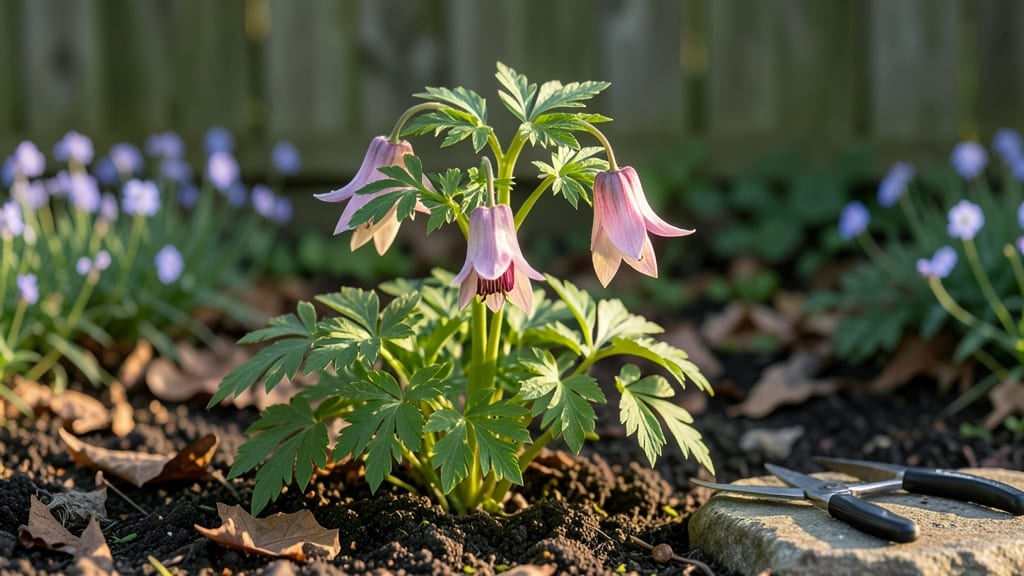
Columbine flowers as perennials bring that whimsical, fairy-tale charm to gardens—spiky blooms dangling like nature’s chandeliers, and they keep coming back year after year. 🌿 I’ll never forget the first time I saw a hummingbird hover over mine, its tongue curled just right to sip the nectar.
These plants thrive where others falter, asking for little but giving so much: bold color, pollinator traffic, and effortless beauty that lasts from spring through summer.
Here’s the secret: columbines love well-draining soil and partial shade, making them perfect for woodland edges or under trees. They’re tough enough to handle dry spells once established but appreciate consistent moisture while getting settled.
Plant seeds in early fall or early spring, just barely covering them—they need light to germinate. In just 6-8 weeks, you’ll see those signature nodding flowers appear, a sign you’ve won the garden’s most elegant race.
What makes them magical is how they multiply and self-seed, creating drifts of color that look intentional but require zero effort. Prune spent blooms to encourage more flowers, and leave the seed pods for winter interest—they’re like nature’s own dried arrangements.
Even in winter, the fuzzy seed heads add texture, proving columbines are year-round stars that outshine many annuals.
They’re also disease-resistant and deer-resistant, which is a win for any gardener. Whether tucked into a cottage garden, a shady border, or a container, columbines deliver high-impact drama with almost no fuss. Ready to grow a pollinator magnet that keeps coming back? Let’s get those seeds in the ground.
📚 In This Guide
- What you need
- Instructions
- Tips and common mistakes
- Wrapping up and next steps
What you need
- ● Columbine plants: 5–10 Aquilegia perennial plants (choose varieties like Aquilegia canadensis, Aquilegia vulgaris, or hybrid cultivars for diversity).
- ● OR 1–2 packets of columbine seeds (for spring/fall sowing).
- ○ Well-draining soil: Amend clay or heavy soil with 2–3 inches of compost or peat moss (optional but recommended for poor soil).
- ● Fertilizer: Balanced 10-10-10 granular fertilizer (1 tbsp per plant at planting).
- ● OR Slow-release organic fertilizer (e.g., fish emulsion or bone meal).
- ● Mulch: 1–2 inches of organic mulch (e.g., shredded bark, straw, or pine needles) to retain moisture.
- ● Garden trowel or hand shovel (for transplanting).
- ● Pruning shears (for deadheading or shaping).
- ● Watering can or hose with a gentle spray nozzle (columbines dislike soggy roots!).
- ○ Gloves (optional but helpful for handling seeds or soil).
- ○ Optional: Soil pH tester (columbines prefer 6.0–7.5; adjust with lime or sulfur if needed).
- ● Sunlight: Partial shade to full sun (3–6 hours of sunlight daily; afternoon shade in hot climates).
- ● Spacing: 12–18 inches apart (check variety tags for specifics).
- ● Watering schedule: Keep soil consistently moist (not waterlogged) for the first 2 weeks post-planting.
- ● Pollinator-friendly location: Plant near other nectar sources (e.g., bee balm, lavender) to attract hummingbirds and bees!
Step-by-Step guide to planting and cultivating columbine flowers
Here's how to establish these pollinator magnets for bold, seasonal blooms.
🌱 Step 1: Choose the Perfect Planting Location
Columbine thrives in partial shade to full sun, but I've found they perform best with morning sun and afternoon shade—especially in hotter climates. Look for a spot with well-draining soil that gets at least 4-6 hours of sunlight daily. The reason? Too much direct afternoon sun can scorch their delicate foliage, while too much shade reduces flowering intensity.
Test your soil's drainage by digging a 6-inch hole and filling it with water. If it drains within 30 minutes, your spot is ideal. If water pools after an hour, amend the soil with 2-3 inches of compost mixed into the top 12 inches of soil. Columbine roots are shallow but sensitive to waterlogged conditions.
🪴 Step 2: Prepare the Soil and Plant Bare-Root Columbine
Loosen the soil in a 12-inch diameter circle around your planting spot to encourage root spread. Work in 2-3 inches of organic matter (like compost or well-rotted manure) to improve fertility and drainage. Columbine prefers slightly acidic to neutral soil (pH 6.0-7.5), so test your soil if your area tends toward alkaline conditions.
Dig a hole twice as wide as the root ball but only as deep as the roots themselves. Gently spread the roots outward before placing the plant so they don't circle inward—a common mistake that strangles growth. Backfill with native soil, pressing lightly to eliminate air pockets. Water deeply until moisture reaches 6 inches down.
☀️ Step 3: Provide Consistent Moisture and Light Adjustments
Keep the soil evenly moist but not soggy for the first 4-6 weeks after planting. Water at the base (not overhead) to prevent fungal diseases like powdery mildew, which columbine are prone to. You'll know you're nailing moisture when the soil feels damp 2 inches down but not wet. Mulch with 2-3 inches of shredded bark to retain moisture and suppress weeds.
Watch for leggy growth (thin stems with widely spaced leaves) as a sign of insufficient light. If this happens, gradually move plants to a sunnier spot over 7-10 days to avoid transplant shock. Mature columbine can handle more sun, but seedlings need gentle acclimation. Once established, they'll reward you with bold spikes of blooms from late spring through summer.
✂️ Step 4: Prune and Maintain for Year-Round Interest
Deadhead spent blooms by snipping stems back to the nearest leaf after flowering to encourage more blooms and prevent self-seeding (which can become invasive). I like to do this in early afternoon when humidity is lower to reduce disease risk. Leave some seed pods for pollinators—they're a vital food source for bees and hummingbirds.
In late fall, cut back dead or damaged foliage to 2-3 inches above the ground. This tidies the plant and prevents pests from overwintering in debris. Columbine is cold-hardy in USDA zones 3-9, so minimal winter care is needed. Just remove any ice buildup on stems in freezing climates to prevent breakage.
Tips & tricks for perfect columbine flower planting
These practical insights will help you transform your garden into a vibrant pollinator paradise with thriving columbine.
Site Selection Secret: While columbine tolerates partial shade, the 4-6 hours of sunlight mentioned in Step 1 should ideally include morning sun for optimal blooming. In hotter climates, I've found that positioning plants on the north side of structures provides natural afternoon shade while still capturing those crucial morning rays. The key is observing your garden's microclimates—what seems like full sun in summer may become partial shade in winter.
Soil Test Strategy: Before amending your soil with 2-3 inches of compost as suggested in Step 2, conduct a simple pH test. Columbine prefers slightly acidic to neutral soil (pH 6.0-7.5), and if your soil tests higher, mix in 1 pound of sulfur per 100 square feet to lower the pH gradually. I've seen dramatic improvements in plant health after this adjustment, especially in alkaline regions.
Transplanting Technique: When planting bare-root columbine, the 12-inch diameter circle recommendation in Step 2 is perfect for root spread, but here's a pro move: soak the roots in water for 15-20 minutes before planting to revive them. This simple step significantly improves survival rates, especially when transplanting in hot weather. Just be sure to plant immediately after soaking to prevent root stress.
Watering Wisdom: The 4-6 weeks of consistent moisture in Step 3 is critical, but timing matters just as much. Water in the early morning to allow foliage to dry before evening—this prevents fungal issues like powdery mildew. I've also found that using a drip irrigation system set to deliver 1/2 inch of water per week maintains perfect moisture without overwatering.
Pro Tips for Columbine Flower Perennial
- These practical insights will help you transform your garden into a vibrant pollinator paradise with thriving columbine.
- Site Selection Secret: While columbine tolerates partial shade, the 4-6 hours of sunlight mentioned in Step 1 should ideally include morning sun for optimal blooming.
- Soil Test Strategy: Before amending your soil with 2-3 inches of compost as suggested in Step 2, conduct a simple pH test.
Frequently asked questions
How do I know when to plant Columbine flowers for best results?
Plant Columbine perennials in early spring or fall when soil temperatures are cool (50–60°F). This gives roots time to establish before summer heat. If planting in summer, keep soil moist and provide afternoon shade to reduce stress. Columbine thrives in well-draining soil—amend heavy clay with compost for optimal growth.
Are Columbine flowers truly perennial, or do they die back every year?
Yes! True Columbine perennials (like Aquilegia species) return year after year, though they may go dormant in winter in colder climates. Their foliage dies back, but the roots survive. In USDA Zones 3–8, they’ll regrow in spring. Pro tip: Deadhead spent blooms to encourage more flowers and prevent self-seeding if you prefer controlled growth.
Why aren’t my Columbine flowers blooming this year?
Several factors can delay blooms: overcrowding (thin plants if needed), excess nitrogen (use a balanced fertilizer), or too much shade (they need partial sun). If your plant looks healthy but isn’t flowering, try cutting back dead stems in early spring to encourage new growth. Columbine often blooms in spring and again in fall—patience pays off!
What pests or diseases should I watch for with Columbine?
Columbine is generally pest-resistant, but watch for aphids (spray with water or neem oil) and slugs (use beer traps or diatomaceous earth). Powdery mildew can occur in humid conditions—improve airflow and avoid overhead watering. Rust fungus (orange spots) may appear; remove infected leaves and space plants for better circulation.
Can I grow Columbine in containers, or is it better in the ground?
Columbine does well in containers (12–18" pots) with well-draining soil and partial sun. Choose compact varieties like Aquilegia canadensis for pots. Key tip: Water containers regularly—they dry out faster than garden beds. Add a slow-release fertilizer in spring to support blooms.
What are some Columbine alternatives for pollinators if I want different colors?
If you love Columbine’s pollinator appeal but want variety, try:
- Lupine (Lupinus) – Blue/purple blooms, nitrogen-fixing.
- Delphinium – Tall spikes of blue, white, or pink.
- Penstemon – Drought-tolerant with tubular flowers.
- Monarda – Bee-balms with vibrant red/purple blooms.
Wrapping up and next steps
The columbine flower perennial is a stunning, low-maintenance addition to any garden, offering vibrant blooms and a haven for pollinators year-round. 🌸 With its resilience and adaptability, it’s perfect for gardeners of all skill levels—whether you’re a seasoned pro or just starting out.
Ready to transform your outdoor space? Start by selecting your favorite varieties, gathering the right tools, and planting with confidence. Soon, you’ll be enjoying a dramatic, colorful display that keeps bees, butterflies, and hummingbirds buzzing with joy!