
Flowers
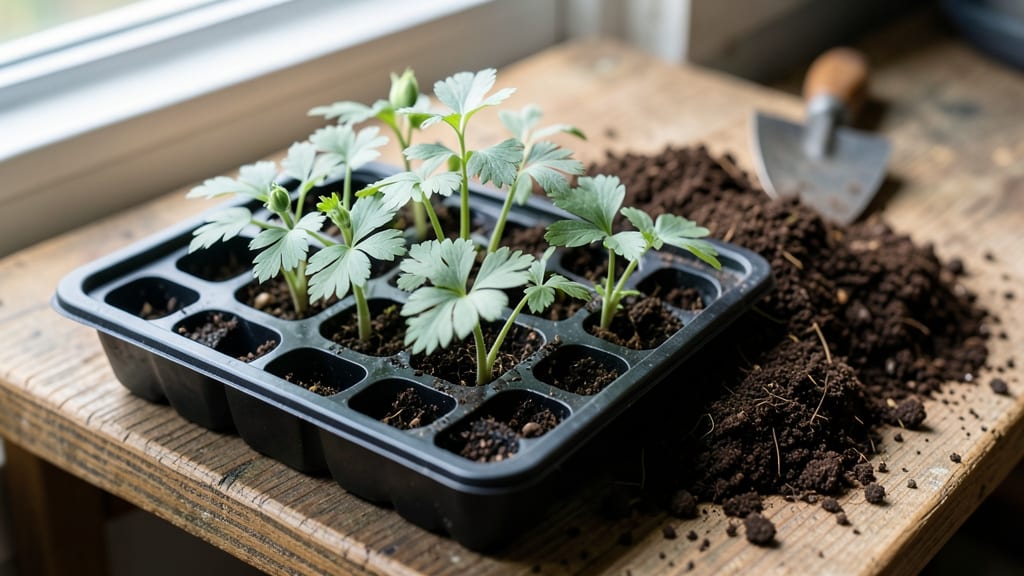
The delicate columbine flower seedlings start with a trick most gardeners miss: stratification—the secret to breaking their stubborn dormancy. 🌱 I’ve watched these blue and white blooms emerge from seeds that refused to sprout until I mimicked winter’s chill, and the results are worth the patience.
The process is simpler than it sounds, but timing matters—plant too early, and you’ll end up with leggy, weak seedlings; too late, and frost will nip them before they take hold.
You’ll need just three things: a plastic bag, a damp paper towel, and a freezer. The soil mix should be light and well-draining—think half potting soil, half perlite—to prevent those tiny roots from rotting.
Once the seeds have been chilled for 4-6 weeks, they’ll pop up faster than you can say “hummingbird magnet,” and you’ll have sturdy seedlings ready for transplant by early spring. No fancy equipment required, just a little winter magic.
What you end up with is a border bursting with vibrant, nodding blooms that hummingbirds can’t resist. These plants thrive in rocky soil and partial shade, making them perfect for wildflower meadows or the edges of your garden where other flowers struggle.
The key is keeping them evenly moist but never soggy—columbines hate wet feet, and overwatering is the fastest way to lose them before they even bloom.
Even in Zone 3, where winters are brutal, these seedlings bounce back with surprising resilience. The first year might be slow, but by year two, they’ll spread and self-seed like crazy—just don’t let them go to seed too early, or you’ll lose that classic columbine shape.
Here’s how to set it up without the guesswork.
📚 In This Guide
- What you need
- Instructions
- Tips and common mistakes
- Wrapping up and next steps
What you need
- ● Columbine seeds: 1 packet (approx. 50-100 seeds) – choose a cold-hardy variety like Aquilegia canadensis or Aquilegia vulgaris.
- ● Seed-starting mix: 1 bag (1-2 cubic feet) – opt for a sterile, well-draining mix (e.g., Pro-Mix or FoxFarm Seedling Mix).
- ● Seed trays or pots: 1-2 trays (with drainage holes) or 4-6 individual pots (3-4 inches deep).
- ● Grow lights or sunny windowsill: 1-2 LED grow lights (12-16 inches above seedlings) or a south-facing window with 6+ hours of sunlight.
- ● Plastic wrap or humidity dome: 1 sheet (to retain moisture during germination).
- ● Spray bottle: 1 (for gentle watering).
- ○ Fertilizer (optional but helpful): 1 bottle of balanced liquid fertilizer (5-10-5 or 10-10-10, diluted to half-strength).
- ● Small hand trowel or spoon: 1 (for planting seeds).
- ● Labels & markers: 1 pack (to track seed varieties).
- ● Patience & a cool spot: Columbine seeds thrive in cold stratification (40-50°F / 4-10°C) for 2-4 weeks before planting.
- ● Transplanting tools (later stage): Small shovel or spoon (for moving seedlings outdoors).
Step-by-step instructions for growing columbine seedlings
Here’s how to coax those delicate seedlings into strong, cold-tolerant plants—no fuss.
🌱 Step 1: Start Seeds in Moist, Well-Draining Soil
Fill your seed-starting containers with the seed-starting mix (never garden soil—it’s too heavy). Moisten it until damp but not soggy; you want it to hold together when squeezed but not drip. Press the mix down lightly to remove air pockets, then tap the container gently to settle everything evenly.
Sprinkle columbine seeds on the surface—don’t bury them. They need light to germinate, and pressing them just ¼ inch deep is plenty. Space them ½ inch apart so they don’t crowd as they grow. A light mist with a spray bottle keeps them moist without washing them away.
Here’s the thing—columbine seeds are tiny, so I use a toothpick to place each one carefully. If you’re sowing more than a few, a shallow tray makes this easier. Just don’t skip the misting; dry soil means failed germination.
💧 Step 2: Keep Soil Consistently Damp and Cool
Cover the tray with a clear plastic lid or plastic wrap to trap humidity. Columbine seeds germinate best at 60-65°F, so if your home runs warmer, place the tray on a seedling heat mat set to 55-60°F. You’ll see tiny sprouts in 10-21 days—patience is key here.
Check the soil daily but resist watering until the surface looks dry. Overwatering now causes rot before seeds even sprout. Once you spot the first green shoots, remove the cover immediately. Trapped moisture after germination invites damping-off, a fungal disease that collapses seedlings overnight.
Real talk: If your seeds take longer than three weeks, don’t panic. Some batches are slower, especially in cooler rooms. Just keep the soil damp and the light indirect until they appear.
☀️ Step 3: Provide Bright, Indirect Light for Strong Growth
Move seedlings to a spot with bright, indirect light as soon as they emerge. A south-facing window works, but if the light is harsh, place sheer curtains between the plants and the glass. Direct sun at this stage burns tender leaves.
You’ll know they’re getting enough light when the stems stay short and sturdy, not stretching toward the window. If they grow leggy (long and pale), your light is too weak. Adjust the position within 6 inches of the window or add a grow light for 12-14 hours daily. LED bulbs work best—they’re energy-efficient and mimic sunlight.
Water from the bottom of the tray to avoid disturbing the roots. Let the top ½ inch of soil dry out between waterings, but never let it stay bone-dry. Weak seedlings often mean inconsistent moisture. After 4-6 weeks, when they have 2-3 sets of true leaves, they’re ready to transplant outdoors.
Tips & tricks for perfect columbine flower seedlings
These simple tricks will help you avoid the most common pitfalls when growing cold-hardy columbine seedlings.
Seed Placement Precision: Columbine seeds are microscopic, so precision matters. After sprinkling them on the surface, use a toothpick to gently press each seed just ¼ inch deep—this ensures consistent contact with the moist soil without burying them too deeply. I find a shallow tray works best for organizing multiple seeds at once, and it prevents them from washing away during misting.
Temperature Consistency: Maintaining that 60-65°F range is critical for germination. If your home runs warmer, invest in a seedling heat mat set to 55-60°F—this mimics their natural cold-hardy conditions. I place my tray on the mat during the day and remove it at night to prevent overheating, which can cause damping-off disease.
Light Transition Strategy: When moving seedlings to bright, indirect light after germination, do it gradually over 3-4 days. Sudden exposure can shock tender leaves. Start with 2-3 hours daily near a north-facing window, then increase as they strengthen. This gradual approach prevents sunburn while ensuring they develop sturdy stems rather than stretching toward the light.
Watering Technique: Bottom-watering is your secret weapon for consistent moisture. Fill a shallow tray with ½ inch of water, place your seedling tray inside, and let it absorb from below. This method prevents disturbing delicate roots and ensures even moisture without over-saturating the surface. I check the top ½ inch of soil daily—if it's dry, it's time to water again.
Pro Tips for Columbine Flower Seedlings
- These simple tricks will help you avoid the most common pitfalls when growing cold-hardy columbine seedlings.
- Seed Placement Precision: Columbine seeds are microscopic, so precision matters.
- Temperature Consistency: Maintaining that 60-65°F range is critical for germination.
Frequently asked questions
Got questions about nurturing your columbine flower seedlings? You’re not alone! Here are some of the most common concerns—and their straightforward solutions—to help you grow thriving plants with confidence.
How long does it take for columbine seedlings to germinate?
Patience is key! Columbine seeds can take anywhere from 2 weeks to 3 months to sprout, depending on temperature and moisture. Keep soil consistently damp (not soggy) and place trays in a cool spot (60–70°F). If you’ve waited 4 weeks with no signs of life, gently check for mold or rot—sometimes seeds need a little coaxing!
Can I plant columbine seedlings outdoors too early in spring?
Columbine seedlings are cold-hardy, but they thrive when soil temperatures are consistently above 40°F. If frost is still a risk, wait until after the last frost date in your zone. Harden off seedlings gradually (7–10 days) by exposing them to outdoor conditions for a few hours daily. Pro tip: Mulch lightly to protect tender roots!
Why are my columbine seedlings turning yellow or leggy?
Leggy or yellow seedlings usually mean too much light or not enough. If they’re stretching toward the window, move them to bright, indirect light (a north-facing window works well). Yellow leaves often signal overwatering—let the top inch of soil dry out between waterings. Fix it fast: Trim leggy stems and repot if roots are crowded!
What’s the best alternative if my columbine seeds won’t germinate?
Don’t toss those seeds just yet! Try stratification—mix seeds with damp sand, refrigerate for 4–6 weeks, then replant. If that fails, opt for transplants from a nursery. Popular cold-hardy alternatives include lupines, penstemon, or aquilegia (another type of columbine). Just ensure they match your zone and sunlight needs!
How often should I fertilize columbine seedlings?
Hold off on fertilizer until seedlings have 2–3 true leaves (about 4–6 weeks old). Then, use a balanced, water-soluble fertilizer (10-10-10) at half-strength every 4–6 weeks. Over-fertilizing can burn delicate roots. Once transplanted outdoors, switch to a low-nitrogen, high-phosphorus formula to encourage blooms!
Wrapping up and next steps
Growing columbine flower seedlings is a rewarding journey that brings vibrant color and resilience to your garden—even in cooler climates! 🌸 With the right prep, patience, and these three simple steps, you’ll soon be watching delicate blooms emerge from tiny seeds. Don’t let challenges deter you: adjust your approach based on your zone, and soon, your garden will be a haven for hummingbirds and pollinators alike.
Ready to take the next step? Start by selecting a sunny spot in your garden and mark it for your seedlings. Once they’re thriving, share your progress with fellow gardeners—your success might inspire someone else to try! Happy planting! 🌱