
Watering
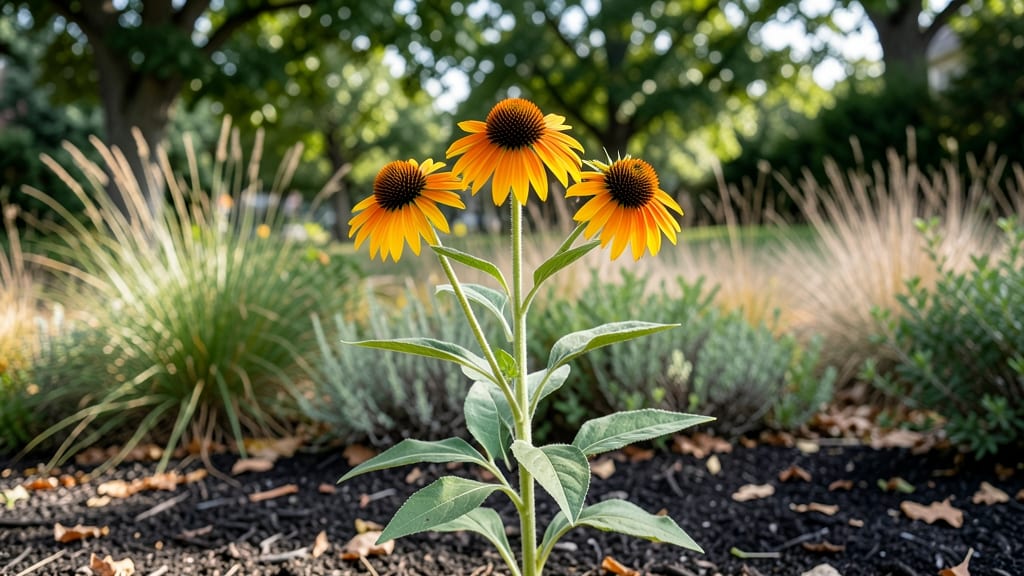
Growing Cheyenne Spirit coneflowers transforms even the tiniest yard into a pollinator paradise. This compact perennial blooms from early summer through frost, with daisy-like flowers that hummingbirds adore. I’ve watched mine thrive in a 12-inch-wide pot on my balcony, proving you don’t need a big garden for big impact.
The secret to its success lies in partial sun and well-draining soil—it tolerates drought once established but hates soggy roots. Plant in spring or fall, spacing 12-18 inches apart, and you’ll get 3-foot-tall stems packed with pink-purple blooms that last for months.
Even in my zone 6 garden, it rebounds every year with minimal fuss.
Water deeply once a week after planting, then taper off as flowers appear. Deadhead spent blooms to encourage more flowers, and watch butterflies and bees flock to your space. The foliage stays attractive even after blooming, adding year-round texture to borders or containers.
Troubleshoot powdery mildew with neem oil sprays and watch for Japanese beetles—handpick them early for the best results. With proper care, this coneflower becomes a low-maintenance superstar that outperforms many larger perennials in small spaces.
📚 In This Guide
- What you need
- Instructions
- Tips and common mistakes
- Wrapping up and next steps
What you need
- ● Coneflower Cheyenne Spirit plants: 1–3 dwarf perennial plants (12–18 inches tall at maturity). Choose healthy, well-established specimens from a reputable nursery.
- ● Well-draining potting mix: 1–2 gallons of high-quality, organic potting soil (e.g., Miracle-Gro Potting Mix or FoxFarm Ocean Forest).
- ● Container or garden bed: For containers: 1–2 pots (10–12 inches in diameter) with drainage holes.
- ● For in-ground planting: A sunny spot (6+ hours of light) with loose, slightly rocky soil (they thrive in poor soil!).
- ● Watering can or hose with gentle spray: For consistent moisture without over-saturating roots.
- ○ Pruning shears: Sharp, clean shears for deadheading spent blooms (optional but recommended for prolonged flowering).
- ● Slow-release fertilizer: A balanced 10-10-10 or organic option (e.g., Espoma Organic Plant Food) to boost growth.
- ● Mulch: 1–2 inches of shredded bark or straw to retain moisture and deter weeds.
- ● Peat moss or perlite: To improve drainage if your soil is heavy clay.
- ● Stakes or supports: If planting in windy areas (though Cheyenne Spirit is generally sturdy!).
- ● Compost or worm castings: For nutrient-rich soil amendments.
Step-by-step guide for planting and cultivating coneflower Cheyenne Spirit
This compact variety thrives in tight spaces while delivering bold color and pollinator appeal.
🌱 Step 1: Select the Perfect Planting Location
Coneflower Cheyenne Spirit flourishes in full sun to partial shade, with at least 6 hours of direct sunlight daily for optimal blooming. Choose a spot with well-draining soil—this variety tolerates drought once established but despises soggy roots. If your soil is heavy clay, amend it with 2-3 inches of compost before planting to improve aeration.
Test your site by observing how sunlight moves across it throughout the day. The ideal location will receive morning sun and gentle afternoon shade, especially in hotter climates. Avoid low-lying areas where water pools after rain, as this can lead to root rot. If your garden has poor drainage, consider planting in a raised bed or container with drainage holes.
🌿 Step 2: Prepare the Soil and Plant with Care
Dig a hole twice as wide as the root ball but only as deep as the container’s base. Gently remove the plant from its container and loosen any circling roots with your fingers—this encourages outward growth. Place the plant in the hole so the top of the root ball sits level with the surrounding soil, as burying the crown too deeply can cause rot.
Backfill the hole with the native soil, pressing lightly around the edges to eliminate air pockets. Water deeply to settle the soil and remove any remaining air gaps. Mulch around the base with 1-2 inches of organic mulch, keeping it 2-3 inches away from the stem to prevent moisture bucketing. This helps retain soil moisture and regulates temperature.
☀️ Step 3: Water and Maintain for Lush Growth
Water newly planted Cheyenne Spirit deeply once a week during the first growing season, providing 1-1.5 inches of water per week. Check soil moisture by sticking your finger 1-2 inches deep—if it feels dry, it’s time to water. Overwatering is a common mistake; this variety is drought-tolerant once established and prefers slightly dry conditions between waterings.
Fertilize lightly in early spring with a balanced, slow-release fertilizer (10-10-10 ratio) to encourage robust growth. Avoid high-nitrogen fertilizers, which promote leafy growth at the expense of flowers. Deadhead spent blooms in late summer to encourage a second flush of flowers and maintain the plant’s neat, compact form. This variety rarely needs pruning but benefits from occasional trimming to remove any leggy stems.
✂️ Step 4: Enjoy Year-Round Interest and Seasonal Care
Coneflower Cheyenne Spirit’s dark foliage and upright habit provide winter interest, so leave the stems standing until late winter or early spring. In early spring, trim back any dead or damaged stems to 2-3 inches above the ground to encourage fresh growth. This variety is deer-resistant and thrives in urban environments, making it a low-maintenance choice for small gardens.
Watch for powdery mildew in humid climates, especially during hot, muggy summers. Improve airflow by spacing plants 12-18 inches apart and avoid overhead watering. If mildew appears, treat with a neem oil solution or a fungicide labeled for ornamental plants. With minimal care, Cheyenne Spirit will reward you with 3-4 inches tall blooms in shades of pink, purple, or white, attracting pollinators all season long.
Tips & tricks for perfect coneflower Cheyenne Spirit cultivation
These essential insights will help you coax the most vibrant, resilient growth from this compact perennial—without the common pitfalls that trip up even experienced gardeners.
Lighting Strategy: While the instructions call for 6 hours of direct sunlight daily, I’ve found that positioning Cheyenne Spirit to receive morning sun and afternoon shade in hot climates yields even more robust blooms. The key is avoiding midday sun exposure during peak summer heat, which can stress the plant. If your garden lacks natural shade, consider using a sheer fabric shade cloth (30-50% coverage) during the hottest hours. This approach preserves the plant’s drought tolerance while preventing leaf scorch that can compromise its compact form.
Soil Preparation Secret: The instructions mention amending heavy clay soil with 2-3 inches of compost, but I’ve discovered an even more effective method for urban gardeners: mix in one part perlite or coarse sand to three parts compost. This creates a looser, more aerated medium that mimics the well-draining conditions Cheyenne Spirit craves. For container growing, use a blend of 50% potting mix, 30% compost, and 20% perlite—this combination prevents the moisture retention issues that often plague containerized perennials.
Watering Wisdom: The once-weekly watering guideline works beautifully, but I’ve learned to adjust based on seasonal conditions. During the first growing season, I check soil moisture at 1-2 inches deep every 3-4 days in extreme heat (90°F+), even if it’s not yet the scheduled watering day. The plant’s drought tolerance kicks in after establishment, but young roots need consistent moisture to establish themselves. A simple soil moisture meter makes this check effortless and prevents both underwatering and overwatering.
Pruning Precision: When trimming back dead stems in early spring to 2-3 inches above ground, I make one critical adjustment: I always use clean, sharp pruners and make cuts at a 45-degree angle just above a leaf node. This angled cut prevents water from pooling on the stem, reducing the risk of rot. For particularly leggy stems, I’ll make a second cut further down to encourage bushier growth. This technique transforms what could be a messy pruning job into a shaping opportunity that enhances the plant’s compact form.
Pro Tips for Coneflower Cheyenne Spirit
- These essential insights will help you coax the most vibrant, resilient growth from this compact perennial—without the common pitfalls that trip up even experienced gardeners.
- Lighting Strategy: While the instructions call for 6 hours of direct sunlight daily, I’ve found that positioning Cheyenne Spirit to receive morning sun and afternoon shade in hot climates yields even more robust blooms.
- This creates a looser, more aerated medium that mimics the well-draining conditions Cheyenne Spirit craves.
Frequently asked questions
Got questions about growing Coneflower Cheyenne Spirit in your small space? You’re not alone—this stunning dwarf perennial is beloved, but it does have its quirks! Here are answers to the most common queries to help you nurture a thriving garden feature.
How often should I water Cheyenne Spirit coneflower?
Once established (after the first year), Cheyenne Spirit is drought-tolerant, but young plants need consistent moisture. Water 1-2 times per week during the first growing season, ensuring the soil is evenly damp but not soggy. In extreme heat, a weekly deep watering keeps it happy without overdoing it.
Can Cheyenne Spirit grow in containers or small pots?
This dwarf variety thrives in 5-7 gallon containers with well-draining soil. Use a mix of potting soil and perlite/sand to prevent root rot. Ensure pots have drainage holes, and place them in full sun (6+ hours daily). Just be mindful—containers dry out faster, so monitor soil moisture closely.
When is the best time to plant Cheyenne Spirit?
Plant in early spring or early fall for optimal success. This timing allows roots to establish before summer heat or winter frost. If planting in summer, water deeply and mulch to retain moisture and reduce stress. Avoid transplanting during extreme temperatures!
Why aren’t my Cheyenne Spirit blooms as vibrant as expected?
Dull or sparse blooms often signal over-fertilizing or poor sunlight. Coneflowers prefer low-phosphorus fertilizer (like 5-10-5) in early spring. Ensure they get full sun—partial shade can reduce color intensity. Deadhead spent blooms to encourage more flowers, but avoid cutting back until late winter.
Are there alternatives if Cheyenne Spirit struggles in my climate?
If your area has harsh winters or intense humidity, consider these drought-tolerant dwarf perennials:
- Blackfoot Daisy (Melampodium leucanthum) – Similar sun-loving, low-maintenance charm.
- Dwarf Shasta Daisy (Leucanthemum × superbum) – Classic blooms with minimal upkeep.
- Lavender (Lavandula) – Fragrant, drought-resistant, and compact.
Wrapping up and next steps
Coneflower Cheyenne Spirit isn’t just a plant—it’s a low-maintenance, high-impact addition to your small garden that thrives with minimal fuss. Whether you’re drawn to its vibrant blooms, drought tolerance, or pollinator-friendly charm, this dwarf perennial delivers beauty and resilience year after year. Ready to elevate your space? Start by planting one today—your future garden (and local bees!) will thank you. 🌸🐝
- Next step: Grab a Cheyenne Spirit from a local nursery and find that perfect sunny spot in your garden!