
Pruning
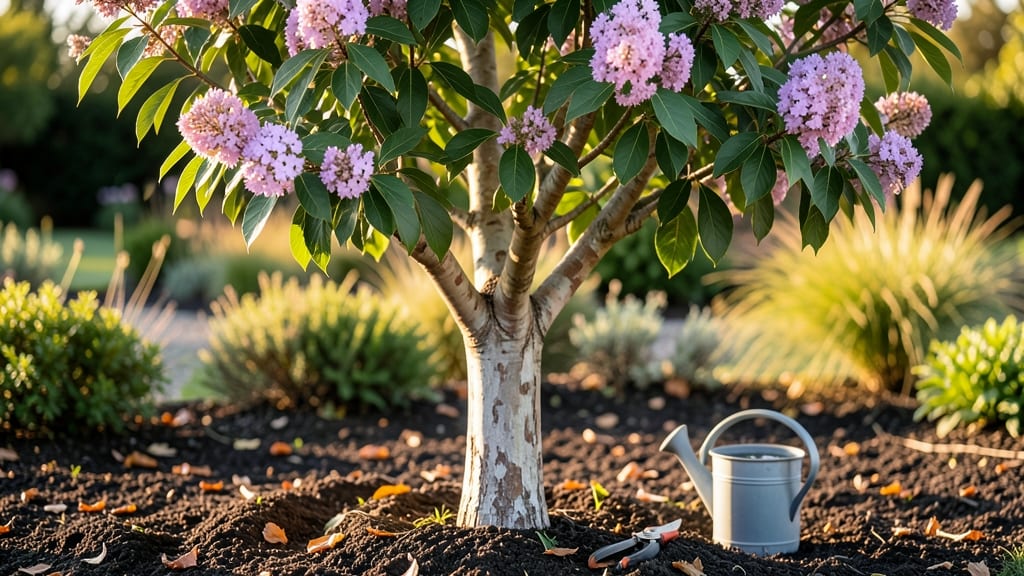
Your crape myrtle flowering tree could bloom nonstop with just three strategic trims each year—something I learned after my first over-pruned disaster. 🌸 The key isn't shearing like a hedge but understanding how these trees naturally flower on new growth, which means less work and more vibrant blooms.
These trees thrive in full sun with well-draining soil, and while they handle drought once established, consistent watering in their first year keeps roots strong.
The secret to their famous blooms lies in timing: prune lightly in late winter, shape in early spring, and clean up after flowering—no heavy cuts needed.
You'll end up with a tree covered in clusters of delicate flowers from summer through fall, and sometimes even into winter. The bark becomes a stunning winter feature too, with peeling layers that add texture to your landscape. With these techniques, your crape myrtle becomes a low-maintenance showstopper.
Works perfectly in Southern landscapes but adapts well to other warm climates too. The same principles apply whether you're dealing with a small patio specimen or a large landscape tree—just scale the tools accordingly.
📚 In This Guide
- What you need
- Instructions
- Tips and common mistakes
- Wrapping up and next steps
What you need
- ● Pruning shears – Bypass pruners (sharp, 6-8" blades) for clean cuts on small branches.
- ● Loppers – 18-24" extended handles for thicker branches (½" to 1½" diameter).
- ● Pruning saw – For branches over 1½" thick (avoid bolt cutters—they crush wood).
- ● Disinfectant (70% isopropyl alcohol or bleach solution) – 1 part bleach to 9 parts water to sterilize tools between cuts and prevent disease.
- ○ Gloves – Heavy-duty, cut-resistant (optional but handy for thorns or rough bark).
- ● Ladder or stump – Sturdy, tall enough to reach the tree’s highest branches safely.
- ● Trash bags or bucket – For collecting pruned branches and debris.
- ● Permanent marker – Waterproof for marking cuts if needed.
- ● Hand pruners with ratcheting mechanism – Easier on wrists for long sessions.
- ● Pole pruner – For high branches without a ladder.
- ○ Tree wound dressing (optional) – Only use if the tree has large wounds (controversial—research first!).
- ● Camera or phone – To document the tree’s shape before/after trimming.
- ● Safety glasses – If working near the ground or with heavy branches.
- ● Check the best time to prune—late winter or early spring (just before new growth starts).
- ● Review your tree’s growth habits (upright, weeping, or multi-stemmed) to plan cuts.
- ● Have a clear day (no rain or wind) for safety and precision.
- ● Wear comfortable clothing—long sleeves/pants protect from thorns and sun.
How to prune a crape myrtle for continuous blooms
Here's the pruning system I've used for years to keep my crape myrtles flowering like crazy all season.
✂️ Step 1: Clean Up Winter-Damaged Wood in Late Winter
Wait until mid-February when new growth has just started but before buds swell. Grab your pruning shears and remove any dead, broken, or crossing branches first—these compete with healthy growth. I look for branches that are completely brown inside when I cut them open with my knife.
Cut just outside the branch collar where it meets the trunk. The collar looks like a slight swelling—this is where the tree naturally heals. Never leave stubs; they invite disease. Remove no more than 25% of the tree's total branches in this first cut, or you'll stress the plant before bloom season.
🌿 Step 2: Shape and Thin in Early Spring Before Bud Break
Once all the buds have swollen but haven't opened yet, it's time to shape. I step back and look at the tree's natural form, removing branches that grow inward or cross others. The goal is to let light and air reach the center. Cut back any branches that are growing straight up—these rarely flower well.
For each branch you remove, make your cut at a 45-degree angle just above an outward-facing bud. This encourages new growth to angle outward, creating a fuller tree. Never cut more than 1/3 of the tree's height in one season, or you'll sacrifice next year's blooms.
☀️ Step 3: Light Summer Pruning After First Bloom Fade
About 6 weeks after your first flowers fade, do a final light pruning. This is where the magic happens for continuous blooms. Remove any branches that have finished flowering—they won't rebloom. Look for spent flower clusters and cut back to the nearest leaf node or outward bud.
I also remove any suckers growing from the base or trunk. These steal energy from the flowering branches. Use clean, sharp shears to make quick cuts—don't linger on any branch. This final trim keeps the tree focused on producing new flowers rather than supporting weak growth.
⏰ Step 4: Fall Cleanup to Prepare for Next Season
After the final bloom of the year, remove all dead flowers and seed pods. These can harbor pests over winter. I also take out any branches that grew too leggy or didn't produce well. The goal is to enter winter with a clean, well-shaped tree that's ready to burst into bloom next spring.
Apply a fresh layer of mulch around the base but keep it 3 inches away from the trunk. This protects roots from temperature swings. Water deeply before the first hard frost if your area gets dry winters. A well-prepared tree will reward you with even more spectacular blooms next season.
Tips & tricks for perfect crape myrtle pruning
Here's what nobody tells you about keeping your crape myrtle blooming like a showstopper all season.
Timing is Everything: The mid-February window for Step 1 is critical—wait until you see tiny green shoots but before buds swell. I learned this the hard way after pruning too early and losing potential blooms. If you're in a warmer climate, adjust to late January. Watch for those first signs of new growth, and you'll know you're ready.
The 25% Rule in Step 1: Never remove more than 25% of branches in your first cut, even if your tree looks overgrown. I've seen people hack away half the tree thinking they're helping, but this stresses the plant and can delay blooming. Think of it as giving your tree a spa day—not a haircut. The goal is to stimulate, not shock.
Summer Pruning Secret: That 6-week mark after your first flowers fade is your golden opportunity for continuous blooms. I always mark my calendar because I've missed this window before, and the difference in flowering is dramatic. Look for those spent flower clusters—they're like little red flags telling you where to cut. This is when your tree decides whether it will give you more blooms or focus on growing leaves.
Tool Maintenance: Your pruning shears are more important than you think. I clean mine with rubbing alcohol after each use and sharpen them annually. Dull blades tear branches instead of making clean cuts, which invites disease. A little maintenance goes a long way in keeping your tree healthy and blooming beautifully year after year.
Pro Tips for Crape Myrtle Flowering Tree
- Here's what nobody tells you about keeping your crape myrtle blooming like a showstopper all season.
- Timing is Everything: The mid-February window for Step 1 is critical—wait until you see tiny green shoots but before buds swell.
- The 25% Rule in Step 1: Never remove more than 25% of branches in your first cut, even if your tree looks overgrown.
Frequently asked questions
Got questions about keeping your crape myrtle flowering tree in top shape? Here are some of the most common ones—plus quick answers to help you grow a stunning, long-blooming beauty!
When is the best time to prune my crape myrtle for maximum blooms?
Prune your crape myrtle right after flowering (late summer to early fall) to encourage next year’s blooms. Avoid pruning in late winter or early spring, as this can remove flower buds and reduce blooms. Light trimming in early spring to clean up dead wood is fine, but save heavy pruning for post-bloom!
Can crape myrtles survive winter frost, and how do I protect them?
Crape myrtles are generally cold-hardy (USDA Zones 5-9), but young trees or tender varieties may need protection. Wrap the trunk with burlap or use a tree guard to shield it from harsh winds. Mulch the base with 2-3 inches of organic mulch to insulate roots. Most varieties bounce back beautifully after winter!
What should I do if my crape myrtle isn’t flowering?
Lack of blooms often stems from over-pruning (especially in late winter) or poor nutrition. Ensure you’re pruning correctly—never cutting into old wood. Fertilize lightly in early spring with a balanced, slow-release fertilizer (10-10-10). Also, check for pests like aphids or scale, which can stress the tree.
Are there any alternatives to crape myrtles with similar blooms?
If you love crape myrtles but want variety, consider these stunning alternatives:
- Japanese Snowbell – Delicate white bells in summer.
- Lagerstroemia ‘Natchez’ – A white-blooming crape myrtle hybrid.
- Oakleaf Hydrangea – Long-lasting blooms with vibrant fall foliage.
- Coralberry – Pinkish-white clusters and glossy leaves.
Why are my crape myrtle leaves turning yellow or brown?
Yellowing leaves often signal overwatering or poor drainage, while brown edges can mean underwatering or heat stress. Check soil moisture—crape myrtles prefer well-draining soil and hate soggy roots. If leaves curl or drop prematurely, it could also indicate spider mites or fungal issues. Treat with neem oil or adjust watering habits!
Wrapping up and next steps
The crape myrtle flowering tree is a stunning, low-maintenance addition to any landscape, offering vibrant blooms and year-round beauty with just a few smart trims! 🌸 Whether you’re a seasoned gardener or a beginner, mastering the art of pruning ensures your tree thrives and stays healthy.
With the right tools, techniques, and timing, you can enjoy its show-stopping flowers for seasons to come.
Ready to give your crape myrtle the care it deserves? Grab your pruners and get started today! Your tree—and your garden—will thank you! 🌿