
Flowers
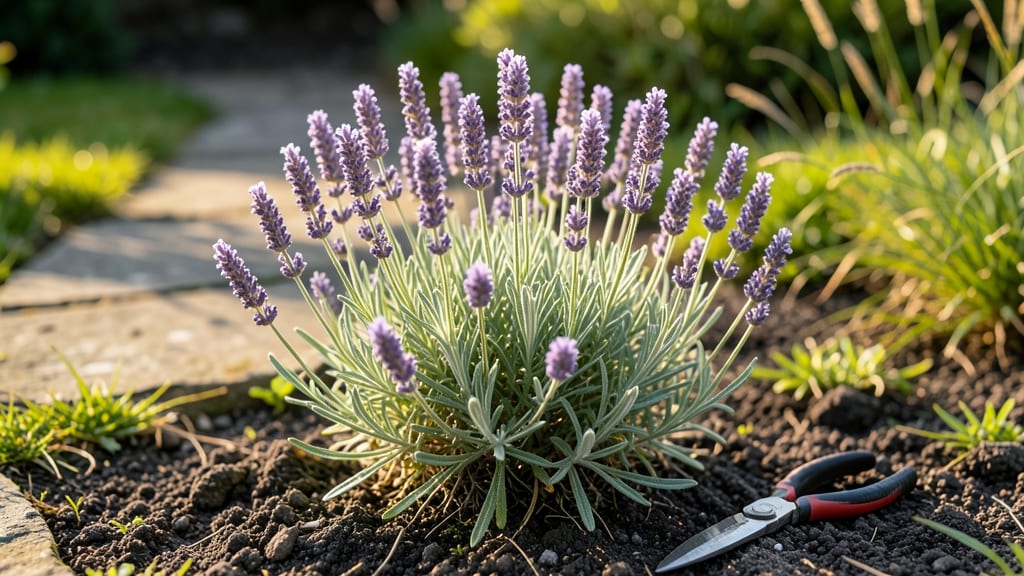
Nothing beats the charm of spotting those cute bees sleeping in flowers at dusk—these tiny pollinators turn your yard into a whimsical, living garden decor. ✨ The secret lies in choosing plants that double as cozy overnight lodgings, like lavender, coneflowers, and bee balm, while arranging them in ways that feel both functional and enchanting.
Creating this bee-friendly haven starts with selecting the right plants—those with tubular shapes, evening blooms, or fuzzy textures that bees adore. Pair them with shallow water sources and rocky edges where bees can rest, and suddenly your garden becomes a bustling nighttime hotel.
The best part? You'll see more bees, more blooms, and a garden that feels alive even after the sun sets.
Imagine waking up to bees already at work, their fuzzy bodies dusted with pollen as they sip nectar from your morning-glory vines. This isn't just about aesthetics—it's about supporting the ecosystem while adding charm to your outdoor space.
The result is a garden that hums with activity, looks effortlessly beautiful, and plays a vital role in your local environment.
Whether you have a small balcony or a sprawling yard, these ideas adapt easily. Start with just a few bee-friendly plants, and watch as your garden transforms into a haven that's as functional as it is delightful.
The bees will thank you—and so will your neighbors when they see your garden come alive with pollinators!
📚 In This Guide
- What you need
- Instructions
- Tips and common mistakes
- Wrapping up and next steps
What you need
- ● Fabric or faux flowers: 1–2 yards of soft, lightweight fabric (cotton, linen, or felt) in pastel colors (yellow, pink, lavender) or 3–5 artificial flowers (daisies, roses, or wildflower clusters) with petals wide enough for "bees."
- ● Stuffing/filler: Polyester fiberfill or shredded foam (1–2 small bags) for bulking up petals.
- ● Bee decorations: 3–5 small plastic or ceramic bees (available at craft stores or online).
- ● OR 1–2 sheets of bee-shaped stickers (for a no-sew option).
- ● Adhesives: Fabric glue or hot glue gun (with glue sticks).
- ● Double-sided tape (for lightweight attachments).
- ● Base for display: Small wooden dowels, twigs, or a mini floral foam block (to mimic flower stems).
- ● Scissors: Sharp fabric scissors or craft knife for precise cuts.
- ● Measuring tape/ruler: For sizing petals and bee placements.
- ○ Paintbrush (optional): Acrylic paint to customize bees or flowers (e.g., adding polka dots or glitter).
- ○ Wire or pipe cleaners (optional): To shape petals or secure bees in place.
- ● Camera/phone with macro mode (for photography): To capture those ultra-cute sleepy bee shots!
- ● A sunny or well-lit workspace (natural light works best for crafting and photography).
- ● Basic sewing skills or patience for glue-based assembly (no sewing required!).
- ● Access to a garden, balcony, or indoor space to display your decor (bonus points for real flowers nearby to attract real pollinators!).
How to create a bee-friendly sleeping nook in your garden
Transform your garden into a cozy haven for pollinators with these simple, nature-inspired designs.
🌿 Step 1: Choose the Right Flowers for Nighttime Visitors
Bees don't just need daytime forage—they also seek safe spots to rest at night. Opt for late-blooming perennials like evening primrose or night-blooming jasmine, which release sweet scents after sunset. These flowers provide both nectar and shelter while their ruffled petals create natural crevices for tiny pollinators to curl up in.
I like to plant lavender and coneflowers near seating areas—their woolly stems and dense foliage offer hidden spots for bees to nestle down. Place these 3-4 feet apart to create a thick, textured border that mimics wildflower meadows, where bees naturally seek refuge.
🪴 Step 2: Build Simple Bee "Hotels" from Natural Materials
Gather hollow bamboo stakes, drill holes ⅛-¼ inch wide, and bundle them in a clay pot filled with the 2 gallons of potting mix. This mimics the natural nesting habits of solitary bees, who prefer these snug cavities. The potting mix stabilizes the structure while keeping it grounded—don’t skip this, or wind will topple it.
Leave one side open so bees can enter and exit easily. Place the "hotel" near morning sun but with afternoon shade—bees wake early to gather nectar but need cool retreats by midday. You’ll see them zipping in and out at dawn, their fuzzy bodies dusted with pollen.
☀️ Step 3: Create Shady Resting Spots with Dappled Light
Bees avoid direct midday sun, so weave ornamental grasses like maiden grass or switchgrass around seating areas. Their feathery fronds cast gentle shadows while providing windbreaks for resting bees. Plant these 12-18 inches apart in clusters of three to create a natural canopy effect.
Add a few flat stones or slate tiles near the flowers—bees often perch on smooth, elevated surfaces to bask in the morning sun before flying. Place them where they catch dappled sunlight but stay cool to the touch. Within a week, you’ll spot bees clinging to edges, their wings folded neatly at their sides.
💧 Step 4: Offer Water Sources for Nighttime Hydration
Bees need water even after dark, so place a shallow dish filled with 1 inch of water and pebbles near the sleeping area. The pebbles prevent drowning while giving bees a safe landing spot. Position it where evening light lingers, so bees can find it easily as daylight fades.
Add a drip irrigation line set to low flow near the flowers—bees are drawn to moving water, and the sound of trickling water signals safety. Keep the water clean and fresh, changing it every 3-4 days to prevent mosquito breeding. You’ll notice bees sipping at dusk, their tiny legs gripping the pebbles as they drink.
⏰ Step 5: Monitor and Maintain the Sleeping Sanctuary
Check your bee nooks weekly for signs of activity—look for tiny mud cells (solitary bees’ nests) or pollen-covered flowers near resting spots. Avoid disturbing these areas unless you see signs of pests like wasps or ants, which can disrupt bee habitats. If needed, gently brush away intruders with a soft brush.
Trim spent blooms in early fall to encourage new growth in spring, but leave seed heads standing—they provide extra shelter for overwintering bees. By next season, your garden will hum with morning visitors and evening loungers, turning your yard into a living pollinator retreat.
Tips & tricks for whimsical pollinator retreats
Here's what nobody tells you about creating a truly inviting sanctuary for your tiny garden guests.
Flower Selection Strategy: Focus on plants with ruffled petals and woolly stems—these features naturally create cozy nooks where bees can curl up at night. I've found that evening primrose and night-blooming jasmine are absolute game-changers because their scent peaks after sunset, signaling to bees that it's time to rest. For maximum effect, plant these 3-4 feet apart in clusters rather than evenly spaced rows, which mimics how they grow in wild meadows.
Bee Hotel Placement: The morning sun/afternoon shade location is crucial—this mimics bees' natural behavior of waking early to gather nectar but seeking cooler retreats by midday. I recommend positioning your bamboo bee hotels within 10 feet of your water source (Step 4) so bees don't have to travel far after their night's rest. You'll notice the most activity when the hotels face eastward, catching the morning sun while staying in shade by late afternoon.
Dappled Light Design: When creating shady spots with ornamental grasses, aim for 50% coverage rather than full shade—bees need some sunlight to warm up in the morning. I use maiden grass because its feathery fronds create perfect dappled patterns. For extra whimsy, add flat stones near these areas—bees love perching on elevated surfaces where they can bask in morning sunlight while staying cool to the touch.
Water Source Enhancement: The pebbles in your shallow water dish aren't just for safety—they create perfect landing platforms that bees can grip with their tiny legs. I've found that adding a second water source with different sized pebbles (some smooth, some textured) attracts a wider variety of bees. Change the water every 3 days in hot weather to prevent mosquito breeding while keeping your pollinators hydrated. The trickling sound from the drip irrigation line works like nature's alarm clock for bees!
Pro Tips for Cute Bees Sleeping In Flowers
- Here's what nobody tells you about creating a truly inviting sanctuary for your tiny garden guests.
- Flower Selection Strategy: Focus on plants with ruffled petals and woolly stems—these features naturally create cozy nooks where bees can curl up at night.
- Bee Hotel Placement: The morning sun/afternoon shade location is crucial—this mimics bees' natural behavior of waking early to gather nectar but seeking cooler retreats by midday.
Frequently asked questions
Got questions about those adorable bees snoozing in your flowers? We’ve got answers!
Here are some of the most common queries about creating a cozy, pollinator-friendly space in your garden.
Why do bees sleep in flowers?
Bees often rest in flowers to stay hidden from predators, regulate their body temperature, and access nectar or pollen. Some species even curl up inside blooms for a quick nap—especially on warm, sunny days. It’s not just cute; it’s survival!
When is the best time to plant flowers for sleeping bees?
Plant flowers that bloom spring through fall (like lavender, coneflowers, or sunflowers) to provide year-round shelter. Early spring bloomers (e.g., crocus) give bees a head start, while late-season flowers (e.g., asters) offer respite as temperatures drop.
What if I don’t have a big garden? Can I still attract sleeping bees?
Even a small balcony or windowsill can work with potted pollinator-friendly flowers like thyme, nasturtiums, or dwarf sunflowers. Hang a bee house or leave a shallow dish of water nearby to boost their comfort.
Will bees sleep in my flowers if I use pesticides?
Unfortunately, most pesticides are harmful to bees, even when they’re “sleeping.” Opt for organic, bee-safe alternatives or skip chemicals entirely. If pests are an issue, try handpicking or companion planting (e.g., marigolds repel aphids).
Can I design a “bee hotel” for sleeping bees?
Yes! A simple bee hotel can be made with hollow stems (like bamboo or elderberry), drilled holes, and a roof to shield from rain. Place it near flowering plants for easy access. Just avoid using wood treated with chemicals!
Pro Tip:
For extra cozy vibes, choose double-blooming flowers (like peonies or roses) with layered petals—bees love the extra nooks for napping!
Wrapping up and next steps
Watching cute bees sleeping in flowers isn’t just adorable—it’s a reminder of how simple changes can make your garden a thriving haven for pollinators! 🌸 With the right materials and a little creativity, you can turn your outdoor space into a whimsical retreat that benefits both beauty and biodiversity.
Ready to take the next step?
🌿 Your Action Plan:
- Start small: Pick one flower or decor piece to transform this weekend.
- Share the joy: Snap photos of your bee-friendly garden and tag us—we’d love to see your creations!
- Spread the word: Inspire others by sharing tips with fellow gardeners.
Every little effort helps—your garden (and the bees!) will thank you. 🐝✨