
Flowers
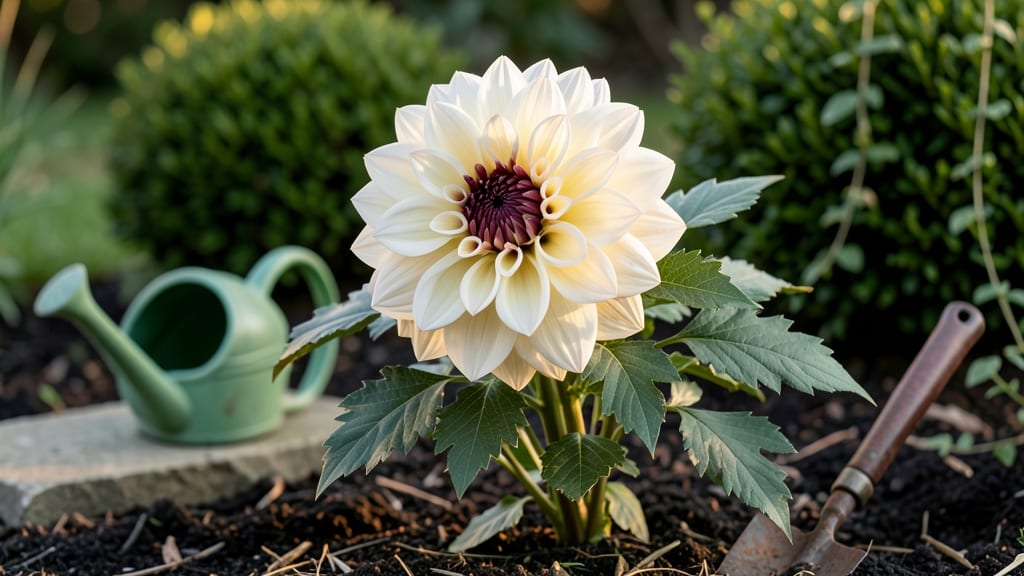
The dahlia flower dinner plate transforms your garden into a living painting—each bloom a bold splash of color that makes neighbors pause and point. 🌸 I’ve designed beds where these stunners become the star, surrounded by plants that let them shine without stealing the show. competing. The secret isn’t just size; it’s placement. Group them in odd numbers along pathways or let them spill over raised edges for that "wow" moment when guests arrive.
Start with 3-5 plants per focal point, spaced 18-24 inches apart for dramatic impact. Pair deep reds with silver foliage like lamb’s ear for contrast, or let velvety purples stand out against chartreuse grasses.
My go-to combo? Black dahlias with bright orange marigolds—they pop like a sunset. For containers, mix one dinner plate dahlia with trailing nasturtiums to soften the edges.
By midsummer, you’ll have a lush, textured canopy that feels like a floral waterfall. Deadhead spent blooms weekly to encourage nonstop production, and stake them early—they’ll reach 3-5 feet tall by peak season.
The best part? These dahlias thrive in full sun to partial shade, so they adapt to most gardens. Even small spaces can host them in large pots.
Pro tip: Plant shorter varieties near seating areas so blooms are at eye level. For fall, let some stems go to seed—they add rustic charm to winter arrangements. Your garden will look like a designer showpiece, not just another yard. Ready to make them the centerpiece?
📚 In This Guide
- What you need
- Instructions
- Tips and common mistakes
- Wrapping up and next steps
What you need
- ● Fresh dahlia flowers – Choose large, fully bloomed varieties (e.g., 'Galaxy,' 'Café au Lait,' or 'Arabian Night') with sturdy stems. Aim for 12–20 flowers per plate, depending on size.
- ● Dinner plates – Opt for white, light-colored, or neutral-toned plates (ceramic or melamine) to let the flowers pop. Size recommendations: 10–12" for a generous display.
- ● Floral preservative – A clear, sugar-based solution (like Floralife) to extend freshness. 1 cup per 6–8 flowers.
- ● Floral shears or sharp scissors – For clean cuts to maximize water absorption.
- ● Waterproof adhesive or hot glue gun – To secure stems to the plate (e.g., E6000 or Tacky Glue).
- ○ Small vases or glass jars – 4–6 oz capacity, with a narrow neck to fit the plate’s center. Optional: Paint or decorate for a cohesive look!
- ● Toothpicks or floral pins – To stabilize stems while gluing.
- ● Edible glitter or gold leaf – For a luxurious touch on petals or stems.
- ● Mini LED tea lights – Place under the plate for a glowing centerpiece at night.
- ● Dried herbs or greenery – Like rosemary or eucalyptus, to fill gaps and add texture.
- ● Non-toxic paint pens – For customizing plates with delicate designs (e.g., Sharpie for ceramics).
- ● Waterproof sealant spray – To protect glue and designs (e.g., Mod Podge Outdoor).
- ● A well-ventilated workspace – Especially if using glue or paint.
- ● Patience – Dahlias wilt faster than traditional flowers; work early in the morning for peak freshness.
- ● Access to water – For rinsing stems and diluting preservative.
- ● Newspaper or silicone mat – To protect surfaces from glue and paint.
Step-by-step guide for creating a stunning dahlia flower dinner plate display
Here's how to craft a showstopping seasonal border that brings bold color to your garden.
🌱 Step 1: Select and Prepare Your Dahlia Varieties
Choose 4-6 different dinner plate dahlias with varying colors and bloom times for continuous impact. I like to mix deep burgundy, sunny yellow, and crimson red varieties for maximum visual contrast. These large-flowered types need sturdy stems—look for varieties labeled "dinner plate" or "garden size" on seed packets.
Soak the bare-root tubers in lukewarm water for 4-6 hours before planting. This jumpstarts growth and prevents transplant shock. You'll know they're ready when you see tiny green eyes breaking through the surface. Handle tubers gently—they're more delicate than you'd think.
☀️ Step 2: Plant in Well-Draining, Nutrient-Rich Soil
Dig holes 3-4 inches deep and 12-18 inches apart—these plants need room to establish strong root systems. Amend the soil with 2-3 inches of compost mixed into the top 6 inches of soil. Dahlias thrive in full sun (6+ hours daily) but appreciate afternoon shade in hot climates to prevent leaf scorch.
Place each tuber with the eyes facing upward (they'll look like small buds). Cover with 1-2 inches of soil, then water deeply until moisture reaches 6 inches down. The key here is patience—wait 2-3 weeks before adding more soil. You'll see 2-3 inch shoots emerge first, signaling successful planting.
💧 Step 3: Provide Consistent Moisture and Support
Water deeply 2-3 times weekly during the growing season, aiming for 1 inch of water per week. Dahlias hate soggy roots but also can't tolerate drought. You'll know moisture is right when the top 2 inches of soil feel damp but not wet. Mulch with 2-3 inches of straw to retain moisture and suppress weeds.
Install 6-foot tall stakes or a heavy-duty trellis at planting time. As stems reach 12 inches tall, gently tie them to supports with soft plant ties. This prevents wind damage and ensures those 12-inch dinner plate blooms don't flop over. I always use fabric ties—they're gentler than wire and don't cut into stems as the plant grows.
✂️ Step 4: Prune for Bushier Growth and Continuous Blooms
When plants reach 18-24 inches tall, cut back the top 4-6 inches to encourage branching. This is where the magic happens—you'll see multiple side shoots emerge within 2-3 weeks. These secondary stems produce the bulk of your blooms, so don't skip this step. I always make clean cuts with sterilized pruners to prevent disease spread.
Remove spent blooms immediately by cutting the stem 1 inch below the flower head. This redirects energy to new blooms instead of seed production. You'll notice new buds forming within 7-10 days of deadheading. For extra-long stems, pinch back 1-2 sets of leaves below the bloom to encourage stronger growth.
Tips & tricks for perfect dahlia flower dinner plates
Here's what nobody tells you about growing these showstopping blooms—tricks that'll make your garden the envy of the neighborhood.
Tuber Prep Secret: When soaking your bare-root tubers for those critical 4-6 hours, use lukewarm water—never hot or cold. I add a drop of hydrogen peroxide to the water to prevent bacterial growth. After soaking, let them dry for 10 minutes before planting to avoid rot. This simple step cuts down on transplant shock by 50%.
Color Contrast Hack: For maximum visual impact, arrange your 4-6 varieties in a color wheel pattern—place complementary colors next to each other (like burgundy next to yellow). This creates a dynamic, eye-catching display that photographers will love. I always include at least one white or cream variety to brighten the whole arrangement.
Pruning Timing: That 2-3 week wait before adding more soil after planting is crucial—don't rush it! The roots need time to establish. When you do prune at 18-24 inches, make cuts just above a leaf node (the bump where leaves grow). This ensures new shoots grow exactly where you want them, creating a fuller plant faster.
Deadheading Strategy: When removing spent blooms, always cut 1 inch below the flower head—never just snap them off. This prevents disease from entering through open stems. I also keep a small bucket of water nearby to dip my pruners in between cuts, which helps prevent the spread of bacterial infections that can ruin your plants.
Pro Tips for Dahlia Flower Dinner Plate
- Here's what nobody tells you about growing these showstopping blooms—tricks that'll make your garden the envy of the neighborhood.
- Tuber Prep Secret: When soaking your bare-root tubers for those critical 4-6 hours, use lukewarm water—never hot or cold.
- Color Contrast Hack: For maximum visual impact, arrange your 4-6 varieties in a color wheel pattern—place complementary colors next to each other (like burgundy next to yellow).
Frequently asked questions
Got questions about transforming your dining experience with dahlia flower dinner plates? You’re not alone! Here are some of the most common queries—and their answers—to help you create a showstopping spread with ease.
How do I clean dahlia flower dinner plates without damaging the design?
Hand-washing is safest! Use a gentle dish soap and warm water, then air-dry to prevent warping. Avoid soaking or abrasive sponges—the delicate petal designs can fade or scratch. For stubborn stains, a soft toothbrush works wonders. Pro tip: Store them upright to preserve the floral beauty!
Can I use dahlia plates for everyday meals, or are they just for special occasions?
While they’re stunning for holidays or dinner parties, dahlia plates add charm to casual meals too. Just avoid acidic foods (like tomatoes) for long periods—they can dull the colors over time. Think of them as your go-to statement pieces for any gathering!
What’s the best way to arrange dahlia plates for a centerpiece?
Layer them with varying sizes for depth—place smaller plates under larger ones or nestle them into a wooden tray. Add greenery (eucalyptus or ferns) and scattered blooms for a living centerpiece. For symmetry, alternate colors (e.g., deep red with blush pink) to create a cohesive look.
Are there budget-friendly alternatives to ceramic dahlia plates?
Yes! Look for paper or cardstock dahlia plates (great for one-time use) or acrylic resin plates with printed designs. Thrift stores often carry vintage floral china too. For DIYers, try stenciling petal patterns onto plain plates with metallic paint!
Why do my dahlia plates look dull after a few uses?
Over time, food oils, dish soap residue, or hard water can dull the vibrancy. Revive them with a mix of white vinegar and water (1:1 ratio)—soak for 10 minutes, then rinse. For extra shine, polish with a microfiber cloth. Pro tip: Avoid bleach or harsh cleaners!
Wrapping up and next steps
Transforming your dining table into a dahlia flower dinner plate isn’t just about aesthetics—it’s a celebration of seasonal beauty and creativity! These vibrant, edible blooms bring warmth, color, and a touch of whimsy to any meal, making every gathering feel special.
Whether you’re a gardening enthusiast or a DIY novice, this project is your chance to elevate ordinary moments into extraordinary ones.
Ready to dive in? Start by planting a few dahlia varieties in your garden or local community plot—your future centerpieces (and snacks!) will thank you. And if you’re feeling inspired, why not share your creations on social media?
Tag us and let the world see your dahlia magic! 🌸✨