
Plants
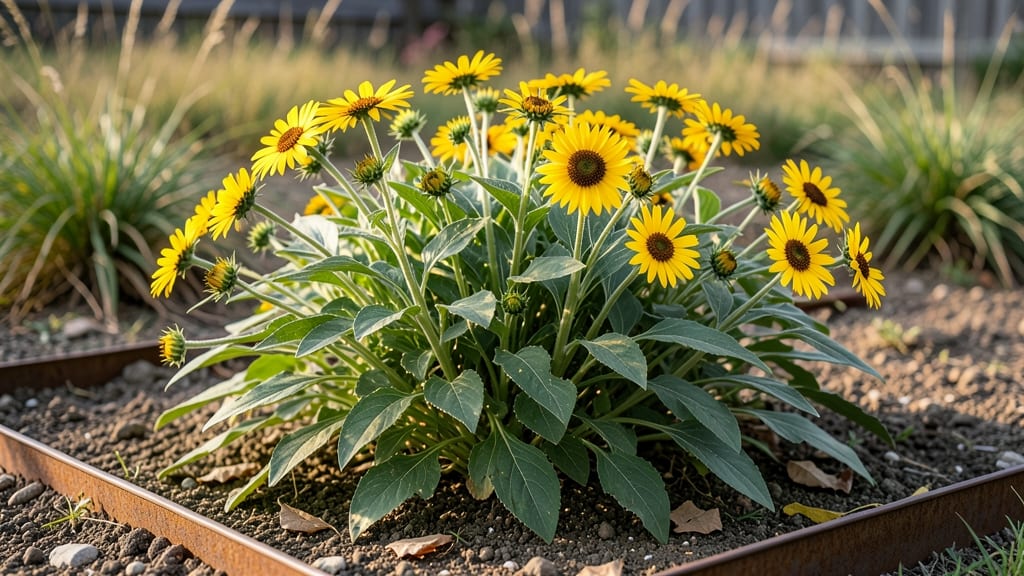
That daisy that looks like a sunflower delivers jaw-dropping color in compact packages—perfect for borders, containers, or cutting gardens without the towering stems. 🌻 Their bold, layered petals mimic sunflowers' cheerful vibrancy but stay at a manageable 12-24 inches tall.
The secret lies in their sun-loving nature and vibrant hues that brighten any space like a summer afternoon.
These daisies thrive in full sun with well-draining soil, making them ideal for gardeners who want low-maintenance, high-impact blooms. Unlike true sunflowers, they rebloom all season long with proper care, giving you continuous pops of red, orange, yellow, or pink.
The key to their sunflower-like allure? Their ruffled, layered petals that catch light like tiny mirrors—transforming even modest gardens into showstoppers.
Imagine a front yard bursting with sunflower-inspired color but without the towering stems that need staking. Gerbera daisies solve that problem beautifully, offering the same cheerful energy in a more manageable size.
They pair perfectly with salvias, coneflowers, or even dwarf sunflowers for a layered, sun-kissed display that lasts from early summer through frost.
For best results, plant them in groups of three or more for maximum impact, and deadhead spent blooms to encourage nonstop flowering. Their versatility extends to containers, where they spill over edges like a living bouquet.
Once you see them in person, you'll understand why they're the secret weapon of garden designers everywhere.
📚 In This Guide
- What you need
- Instructions
- Tips and common mistakes
- Wrapping up and next steps
What you need
- ● Sunflower-like daisy plants: Choose Gerbera daisies (e.g., 'Gerbera jamesonii') or African marigolds (e.g., 'Tagetes erecta') for a sunflower-inspired look. Pro tip: Opt for double-flowered varieties for extra drama!
- ● Seeds or nursery plants: 5–10 plants (or seeds) to ensure a full, vibrant display.
- ● Well-draining potting mix: 2–3 bags (10–15 cubic feet each) for containers or garden beds.
- ● Organic compost: 1–2 bags (to enrich soil and boost blooms).
- ● Garden trowel or transplanter: 1 (for planting seeds/roots gently).
- ● Gloves: 1 pair (to protect hands from thorns or soil).
- ● Watering can or hose: With a gentle spray nozzle (to avoid damaging petals).
- ● Pruning shears: 1 (for trimming dead blooms or shaping plants).
- ○ Stakes or cages (optional): 3–5 (if your daisies grow tall, like sunflowers!).
- ● Sunlight: 6+ hours of full sun daily (these beauties thrive in bright light!).
- ● Spacious planting area: At least 12–18 inches between plants for airflow and growth.
- ● Watering schedule: Keep soil consistently moist (but not soggy) during the first 2 weeks.
- ● Patience: Seeds may take 8–12 weeks to bloom—worth the wait!
Step-by-step guide to growing Gerbera daisies for sunflower-like impact
These vibrant blooms deliver sunflower drama with half the effort. Here's how to coax their bold, cheerful faces into your garden.
🌱 Step 1: Select the Right Variety and Planting Location
Gerbera daisies—especially the 'Sunflower Series' varieties—bring that sunflower-like punch with their large, multi-petaled blooms in fiery reds, oranges, and yellows. Choose a spot with full sun exposure (6-8 hours daily) and well-draining soil. These tropical natives won't tolerate soggy roots, so amend heavy clay with 2-3 inches of compost to improve drainage.
Here's the thing—gerberas thrive in warm climates but can be finicky in cooler zones. If your area dips below 50°F at night, plant them in containers you can move indoors or under cover during frost. I've found that even a single cold snap can blacken their leaves overnight, so plan ahead.
☀️ Step 2: Prepare Soil and Plant at the Right Time
Loosen the soil to a depth of 12 inches and mix in 3-4 cups of 10-10-10 fertilizer per 100 square feet to give your gerberas a nutrient boost. These plants are heavy feeders, and they'll reward you with continuous blooms if you keep their soil rich. Plant in early spring after the last frost or in late summer for fall blooms—just avoid planting when temperatures are still dropping.
Space your plants 12-18 inches apart in rows 18-24 inches apart to allow airflow and prevent fungal diseases. Dig holes just deep enough to accommodate the root ball, then water deeply to settle the soil. You'll see new growth emerge within 2-3 weeks if conditions are right—that's your signal everything's off to a good start.
💧 Step 3: Water and Feed for Continuous Blooms
Gerberas demand consistent moisture, especially during their first growing season. Water 1-2 inches per week, aiming for the soil rather than the foliage to prevent mildew. Let the top 1-2 inches of soil dry out between waterings—this prevents root rot while keeping the plants hydrated. Mulch around the base with 2-3 inches of organic mulch to retain moisture and regulate soil temperature.
Feed every 4-6 weeks with a balanced liquid fertilizer (like 20-20-20) mixed at half-strength. I swear by this routine—my gerberas produce nonstop blooms from early summer until frost if I stay on top of it. If you notice leaves yellowing between veins, that's a classic sign of iron deficiency, and a chelated iron supplement will fix it fast.
✂️ Step 4: Deadhead and Prune for Larger Blooms
Here's where it gets fun—gerberas reward deadheading with even bigger, showier blooms. Snip off spent flowers at the base with clean pruners, cutting just above a set of healthy leaves. This encourages the plant to redirect its energy into producing new buds rather than setting seed. I deadhead every 2-3 days during peak bloom season, and my plants never miss a beat.
Prune leggy stems back by one-third in early summer to encourage bushier growth. Avoid cutting into old wood—gerberas are tender perennials in warm climates, and they won't regrow from mature stems. Watch for signs of stress like wilting or yellowing leaves, which can signal overpruning or underwatering. Real talk: if you skip deadheading, your plants will still bloom, but the flowers will be smaller and less vibrant.
⏰ Step 5: Overwinter and Extend the Season
In colder climates, gerberas are typically grown as annuals, but with a little effort, you can overwinter them. After the first frost blackens the foliage, cut back stems to 2 inches above the ground and mulch heavily with 4-6 inches of straw or leaves. Move potted gerberas to a frost-free location with bright light, and reduce watering to keep the soil barely moist. They'll go dormant but often bounce back in spring.
For a longer season, start new plants indoors 8-10 weeks before your last frost date using seed-starting mix and a heat mat to keep soil temperatures above 65°F. Transplant outdoors after the last frost, and you'll enjoy continuous blooms from early summer right through fall. The key is consistency—these sunflower-like daisies demand attention, but they repay it with drama you can't ignore.
Tips & tricks for perfect sunflower-like Gerbera daisies
Common pitfalls—and how to sidestep every one—when growing gerbera daisies that pop like sunflowers.
The Sunlight Factor: Those 6-8 hours of full sun are non-negotiable for sunflower-like impact. If your garden gets afternoon shade, opt for the eastern exposure side of your yard—the morning sun gives them the energy boost they need. I've seen gerberas in partial shade grow leggy and produce smaller blooms, so don't skimp on sunlight. Position them where they'll get the most direct rays, especially during their peak growing season from late spring to early fall.
Soil Science: The 2-3 inches of compost you mix into heavy clay isn't just about drainage—it's about creating the perfect air-soil balance gerberas crave. Test your soil first: if it's sandy, add 20% organic matter like peat moss to help retain moisture. I've found that gerberas in pure garden soil often struggle because they need that slightly looser texture to prevent root suffocation. Think of it as giving your plants a spa treatment—they'll reward you with bigger, bolder blooms.
Frost-Proofing: That 50°F nighttime threshold is critical—any colder and you risk leaf burn. I've learned this the hard way after losing entire patches overnight. For container gerberas, move them to a sheltered spot like a garage with windows or under a patio cover. If you're in a colder zone, consider using frost cloths—these lightweight fabrics let sunlight through while protecting leaves from frost damage. The investment is worth it for those dramatic sunflower-sized blooms.
Deadheading Discipline: The 2-3 day deadheading schedule might seem frequent, but it's what transforms ordinary gerbera blooms into showstoppers. I used to think weekly was enough, but my flowers never reached their full potential. When you remove spent blooms, you're essentially telling the plant, "Make me more!" This redirecting of energy leads to those larger-than-life flowers that rival sunflowers in impact. Grab a pair of sharp pruners and make it part of your weekly garden routine.
Pro Tips for Daisy That Looks Like Sunflower
- Common pitfalls—and how to sidestep every one—when growing gerbera daisies that pop like sunflowers.
- The Sunlight Factor: Those 6-8 hours of full sun are non-negotiable for sunflower-like impact.
- Soil Science: The 2-3 inches of compost you mix into heavy clay isn't just about drainage—it's about creating the perfect air-soil balance gerberas crave.
Frequently asked questions
Got questions about growing or caring for daisies that resemble sunflowers? You’re not alone! Here are some of the most common queries—and their answers—to help you nail that bold, sunflower-like drama in your garden.
What’s the best daisy variety that looks like a sunflower?
Look for Gerbera daisies (especially the ‘Sunflower’ or ‘Double Sunflower’ varieties) or Oxeye Daisy (Leucanthemum vulgare) for a sunflower-like appearance. Giant Gerbera varieties can reach 4-6 inches wide, mimicking sunflower petal flares! For true sunflower vibes, try Mexican Sunflower (Tithonia rotundifolia), though it’s technically a different plant.
How long does it take for these daisies to bloom?
Most sunflower-like daisies bloom 8-12 weeks after sowing seeds, depending on conditions. Gerberas, for example, may take 10-14 weeks to flower, while Oxeye Daisies can bloom as early as 6-8 weeks in warm climates. Pro tip: Use germination mats or keep soil 70-75°F to speed things up!
Can I grow these daisies from seed, or should I buy seedlings?
Both work! Seeds are cheaper and fun for kids, but seedlings (especially Gerberas) give you faster blooms. Start seeds indoors 6-8 weeks before last frost or direct-sow after soil warms. For Mexican Sunflowers, seeds are easy to grow but may need staking as they mature.
Why aren’t my sunflower-like daisies opening fully?
Common culprits: overcrowding (thin plants to 12-18” apart), underwatering (keep soil evenly moist but not soggy), or lack of sunlight (they need 6+ hours of direct sun). Gerberas also droop in heat—try afternoon shade in hot climates.
What’s a good alternative if I want sunflower-like flowers but no daisies?
Try these easy, sunflower-esque picks:
- Black-Eyed Susan (Rudbeckia) – Bold yellow/orange blooms, drought-tolerant.
- Coneflower (Echinacea) – Daisy-like with sunflower-like height (2-4’).
- Zinnia ‘Benary’s Giant’ – Giant, sunflower-like blooms in vibrant colors.
- Cosmos ‘Bright Lights’ – Airy, sunflower-like petals with striped foliage.
All thrive in full sun and average soil!
Wrapping up and next steps
Transforming your garden into a vibrant sunflower oasis doesn’t require actual sunflowers—these sunflower-like daisies bring the same bold drama with less fuss! 🌻 Whether you’re drawn to Gerbera daisies, Oxeye Daisies, or African Marigolds, their cheerful blooms are perfect for adding height, texture, and a pop of color.
With the right care, these plants thrive effortlessly, making them ideal for beginners and seasoned gardeners alike. Ready to elevate your garden’s impact? Start by choosing your favorite variety, then grab your gardening tools and get planting! 🌱 Head back to our planting guide for a step-by-step refresher—or snap a photo of your progress and tag us for inspiration. Your garden’s star turn is just a bloom away!