
Flowers
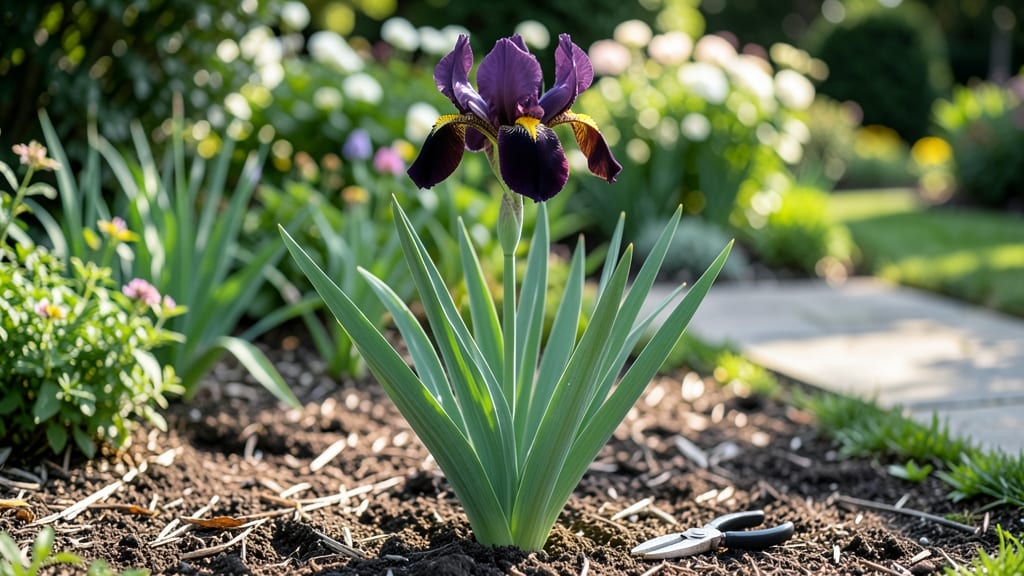
There’s nothing quite like the dark purple iris flower to turn a garden from ordinary to unforgettable—its velvety petals command attention while adding depth to borders, ponds, or themed beds.
I remember the first time I saw one in a friend’s garden: it stood out like a jewel against the green, drawing every eye toward it. That’s the power of this dramatic bloom, and it works just as well in a formal border as it does beside a still pond.
The key to making dark purple irises shine lies in their placement—pair them with silvery foliage like lamb’s ear or dusty miller for striking contrast, or let them anchor a moody purple-and-black color scheme with heuchera and black mondo grass.
They even thrive in containers for patio drama, proving they’re not just for large gardens. The secret? Give them full sun and moist, well-drained soil, and they’ll reward you with bold, long-lasting blooms that start in early spring and often return in fall.
What you’ll love most is how these irises elevate any space with their year-round presence—even when not in bloom, their sword-like foliage adds architectural interest. Imagine them lining a walkway, framing a water feature, or anchoring a cottage garden corner.
They’re the kind of plant that makes neighbors pause and ask, “What’s that stunning purple?”—and you get to say, “That’s my garden’s secret weapon.”
Whether you’re designing a formal garden or a relaxed retreat, dark purple irises bring drama without fuss. They’re low-maintenance, drought-tolerant once established, and their striking color works in everything from romantic gardens to modern landscapes. Let’s make your garden the talk of the neighborhood with this showstopper.
📚 In This Guide
- What you need
- Instructions
- Tips and common mistakes
- Wrapping up and next steps
What you need
- ● Dark purple iris rhizomes: 3–5 healthy, firm rhizomes (choose Iris germanica or Iris xiphium varieties for deep purple hues).
- ● Well-draining soil: 1–2 cubic yards of a mix of 60% garden soil, 30% compost, and 10% coarse sand/perlite (critical for preventing rot!).
- ● Sunlight: A full-sun location (6+ hours/day)—irises thrive in bright light.
- ● Watering can or hose: With a gentle spray nozzle (irises hate soggy roots!).
- ● Organic mulch: 1–2 inches of pine bark or straw (keeps soil moist but well-aerated).
- ● Garden trowel or spade: For digging trenches (6–8 inches deep).
- ● Pruning shears: Sharp, clean pair for trimming dead foliage post-bloom.
- ● Gloves: Heavy-duty work gloves (rhizomes can be sharp!).
- ● Measuring tape or ruler: To space rhizomes 12–18 inches apart.
- ○ Fertilizer (optional but helpful): Balanced 10-10-10 granular fertilizer (1 tbsp per plant at planting time).
- ● Slow-release rose/bulb fertilizer (spring and fall feedings).
- ● Timing: Plant rhizomes in early fall (Zone 5–8) or late winter (Zone 9–10) for best root establishment.
- ● Climate: Hardy in USDA Zones 3–9 (choose cold-hardy varieties for colder regions).
- ● Patience: Irises take 2–3 years to reach full bloom potential—worth the wait!
How to grow stunning dark purple iris flowers for season-long color
Here's how I create bold, long-lasting iris displays that steal the show from spring through fall.
🌱 Step 1: Choose the Right Location and Prepare the Soil
Iris thrives in full sun—at least 6 hours daily—where their dramatic blooms get maximum impact. Pick a spot with well-draining soil; iris roots hate soggy conditions. If your soil is heavy clay, mix in 2-3 inches of coarse sand or perlite per square foot to improve drainage.
Test your soil's pH—iris prefers slightly acidic to neutral (6.0-7.0). If your soil runs alkaline, amend with sulfur or peat moss before planting. The key is loose, fertile soil that mimics their natural meadow habitats. I always dig in a 2-inch layer of compost to feed the roots without compacting the soil.
🪴 Step 2: Plant Iris Rhizomes at the Correct Depth and Spacing
Plant iris rhizomes in early fall or late winter for best results. Position them so the top third of the rhizome sits above soil level—this prevents rot. Spread the roots out horizontally in a 12-inch-wide trench, spacing rhizomes 12-24 inches apart for mature plants.
Press the soil gently around the rhizomes but don't bury them too deep. The exposed portion helps prevent disease and allows for proper airflow. I like to mound soil slightly around the base to encourage strong root establishment. Water lightly after planting to settle the soil without displacing the rhizomes.
☀️ Step 3: Provide Consistent Water and Minimal Maintenance
Water iris deeply once a week during the first growing season, keeping the soil evenly moist but not soggy. Once established, iris is drought-tolerant—water only during prolonged dry spells. The secret is letting the soil dry slightly between waterings to prevent root rot.
Fertilize lightly in early spring with a balanced, low-nitrogen fertilizer (10-10-10). Too much nitrogen produces lush foliage but fewer blooms. I skip fertilizer after midsummer to encourage dormancy. Deadhead spent blooms to redirect energy into next year's flowers, but leave the seed pods if you want natural propagation.
✂️ Step 4: Divide and Renew Every 3-4 Years
Iris forms dense clumps over time, which reduces flowering. In early fall, dig up the rhizomes when foliage yellows. Separate the clumps with a sharp knife, keeping 3-5 fans of leaves per division. Discard old, woody rhizomes—they won't rebloom well.
Replant the divisions immediately in fresh soil, spacing them properly. This rejuvenation step ensures vibrant blooms year after year. I always mark new plantings with small stakes to avoid disturbing them while they establish.
Tips & tricks for perfect dark purple iris growth
Here's what I've learned to make dark purple iris thrive and bloom spectacularly year after year.
Sunlight Strategy: That 6 hours of daily sun is non-negotiable for dark purple iris. If your garden gets afternoon shade, plant them where they'll get morning sun instead—those first rays are most important. I've seen iris in partial shade produce fewer blooms, and they'll often be smaller and less vibrant. Consider adding a reflective surface like a light-colored wall or mulch to maximize light exposure for your plants.
Soil Preparation Secret: The 2-inch layer of compost I mentioned isn't just about nutrients—it's about creating the perfect air pockets around those rhizomes. I like to mix in a handful of perlite with the compost to prevent compaction. This loose soil structure is crucial because iris roots need oxygen just as much as they need water. Think of it like giving your iris a well-ventilated root system that mimics their natural meadow habitat.
Planting Depth Visual: When positioning your rhizomes with the top third exposed, imagine you're creating a tiny hill with the rhizome on top. The exposed portion should be about the size of a golf ball—no bigger, no smaller. This exposed section acts as a natural barrier against rot while allowing the plant to absorb heat during the day. I always use a small ruler to check depth after planting to ensure consistency across all my iris.
Watering Wisdom: That weekly deep watering during the first season is critical, but timing matters too. Water in the morning so the foliage has all day to dry out, preventing fungal diseases. Once established, I let the soil dry completely between waterings—you'll know it's time when the top inch of soil feels dry to the touch. Overwatering is the #1 reason iris fail to thrive, so resist the urge to keep the soil constantly moist.
Pro Tips for Dark Purple Iris Flower
- Here's what I've learned to make dark purple iris thrive and bloom spectacularly year after year.
- Sunlight Strategy: That 6 hours of daily sun is non-negotiable for dark purple iris.
- Soil Preparation Secret: The 2-inch layer of compost I mentioned isn't just about nutrients—it's about creating the perfect air pockets around those rhizomes.
Frequently asked questions
Got questions about adding dark purple iris flowers to your garden? You’re not alone! Here are some of the most common queries—and their answers—to help you grow these showstoppers with confidence.
How long does it take for dark purple iris flowers to bloom after planting?
A freshly planted dark purple iris (like the stunning Iris germanica) typically takes 1–2 years to establish and bloom. Patience pays off—once mature, they’ll reward you with bold, vertical blooms for weeks each season! For faster results, plant potted irises (already 1–2 years old) in early fall or spring.
Can dark purple iris flowers grow in full sun or do they need shade?
Dark purple irises thrive in full sun (6+ hours daily) but tolerate partial shade in hot climates. Too much shade? Fewer blooms. Too much scorching sun? Wilting leaves. Aim for morning sun + afternoon shade in extreme heat zones. Mulch with gravel or bark to regulate soil temp—irises hate soggy roots!
Why aren’t my dark purple iris flowers blooming this year?
No blooms? Check these fixes:
- Age: Young plants (under 2 years) focus on roots. Wait it out!
- Over-fertilizing: Too much nitrogen = leafy monsters, no flowers. Use low-phosphorus fertilizer (like 5-10-10) in early spring.
- Dormant period: Irises need 6–8 weeks of cool weather to rebloom. If temps stay warm, blooms may skip a season.
- Crowding: Dig up and divide clumps every 3–4 years to prevent bloom fatigue.
What are some dark purple iris varieties that bloom later in the season?
Want drama beyond spring? Try these reblooming varieties:
Variety
Bloom Time
Height
Iris ‘Florence Sullivan’
Spring + Fall
30–36"
Iris ‘Sheila’
Late Spring/Early Summer
28–32"
Iris ‘Blue Flag’ (dark purple form)
Spring
24–30"
Pro tip: Deadhead spent blooms (but leave seed pods for pollinators!) to encourage reblooming.
Are dark purple irises deer-resistant? What about other pests?
Deer usually avoid irises thanks to their bitter rhizomes, but hungry critters might nibble. For extra protection:
- Plant near rosemary, lavender, or allium (deer-deterrent companions).
- Use physical barriers (chicken wire) for young plants.
- Watch for iris borers (sawdust-like frass on leaves). Treat with neem oil or Bt spray if you spot holes.
Slugs? Handpick them at dusk or use copper tape around pots.
Wrapping up and next steps
The dark purple iris isn’t just a stunning addition to your garden—it’s a symbol of elegance, resilience, and year-round beauty. Whether you’re drawn to its bold color, its ability to thrive in various climates, or its symbolic meaning, this flower promises drama and grace with minimal fuss. 🌸
Ready to bring this captivating plant into your outdoor space? Start by choosing the right variety for your climate, then gather your supplies and follow the planting tips shared earlier. With a little care, your garden will soon be a breathtaking showcase of dark purple magic!