
Flowers
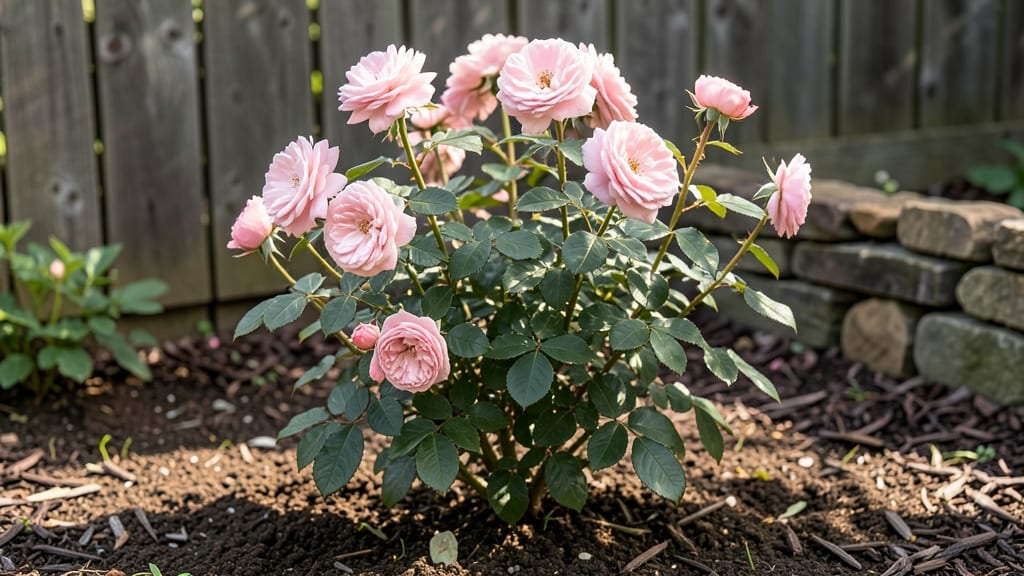
The David Austin flowers you’ve been dreaming of can fill your garden with fragrance from spring through frost—if you trim them like a pro. 🌹 I learned the hard way that these roses don’t just tolerate pruning; they demand it to unleash their full, intoxicating scent and showstopping blooms.
These aren’t your grandmother’s roses. David Austin’s English roses blend old-world fragrance with modern hardiness, producing blooms that smell like a walk through a European cottage garden—but with the resilience of a tough backyard plant.
The key? Pruning in three strategic waves: late winter for structure, early summer to encourage repeat blooms, and a light tidy-up after each flush of flowers.
When you nail the timing, you’ll end up with bushes so lush they look like velvet clouds spilling over trellises or borders. Pair them with lavender for a fragrant hedge, or let them tumble alongside peonies for a romantic cottage garden effect.
The fragrance alone—think myrrh, spice, and fresh green—will make your garden the envy of the neighborhood.
Works for formal knot gardens, wildflower meadow edges, or even container displays on patios. The secret isn’t just the roses—it’s how you coax them into performing all season long. Let’s get those shears sharp and those blooms bursting with scent.
📚 In This Guide
- What you need
- Instructions
- Tips and common mistakes
- Wrapping up and next steps
What you need
- ● Pruning shears: Bypass pruners (sharp, clean, and sterilized with rubbing alcohol to prevent disease). Example: Felco F-2 or Corona bypass pruners.
- ● Hand pruners: For smaller stems and tight spaces (e.g., Felco F-1).
- ● Loppers: For thicker branches (up to 2 inches in diameter). Example: Fiskars PowerGear.
- ● Garden gloves: Heavy-duty, cut-resistant (e.g., Wolfe Grip) to protect against thorns.
- ● Pruning saw: For stubborn, thick stems (e.g., Fiskars X7).
- ● Disinfectant: 1-part bleach to 9-parts water (or hydrogen peroxide) for sterilizing tools.
- ○ Sharpie or permanent marker: For labeling cuts (optional but helpful for tracking growth).
- ● Rubbing alcohol wipes: For quick tool sterilization between cuts.
- ● Pruning sealant: (e.g., Tanglefoot Tree Wound Pruning Seal) for large cuts to prevent disease entry.
- ● Garden twine: To secure heavy branches temporarily.
- ● Notebook or app: To log pruning dates, weather notes, and bloom cycles (e.g., Gardenate or a simple journal).
- ● A David Austin Rose bush (or multiple varieties for year-round interest). Pro tip: Choose disease-resistant hybrids like 'Gertrude Jekyll' or 'Munstead Wood' for easier maintenance!
- ● Basic knowledge of rose anatomy (e.g., identifying canes, buds, and nodes). 💡 Resource: Watch a David Austin Roses pruning tutorial if you’re new!
- ● Access to a well-draining soil mix (amend with compost if needed).
- ● Weather awareness: Prune on a dry, overcast day (avoid rain or extreme heat).
Step-by-step guide to pruning David Austin flowers for year-round blooms
Here's how I keep my David Austin roses blooming like clockwork—fragrant and full all season.
🌿 Step 1: Time Your First Cut for Spring Awakening
Wait until after your last frost date when new growth begins—usually mid-April to early May in most climates. You'll know it's time when you see swollen buds along the canes and fresh green shoots emerging. This timing prevents frost damage and gives the plant energy to focus on new growth rather than recovering from winter.
I grab my bypass pruners and make my first cut just above an outward-facing bud, about ¼ inch above it. This angle helps water run off the cut and prevents rot. For each stem, I remove about ⅓ of last year's growth—this opens the center of the plant to sunlight and air, which is crucial for David Austin varieties that thrive on strong airflow.
Here's the thing—don't overthink it. David Austin roses are more forgiving than hybrid teas, but you still want to maintain that classic 5-bud rule for each remaining stem. This ensures you'll have a balanced plant with plenty of blooms rather than a few massive flowers.
✂️ Step 2: Deadhead and Thin for Continuous Blooms
After the first flush of blooms appears, I switch to regular deadheading to encourage more flowers. The moment a bloom fades, I snip the stem back to the first five-leaf cluster below it. This removes spent blooms and redirects the plant's energy into producing new buds rather than seed formation.
Every 4-6 weeks during the growing season, I do a light thinning pass. Look for stems that are growing inward or crossing—these create shaded areas where disease lurks. Remove them completely at the base. You'll notice the plant's center becomes more open, and new shoots grow outward naturally, creating that lush, bushy look David Austin roses are famous for.
Real talk: If you see a stem with weak, yellowing leaves, don't hesitate to cut it back. David Austin roses handle pruning well, and removing diseased wood prevents it from spreading. Just make sure your pruners are clean between cuts—sterilize them with rubbing alcohol if you're working on multiple plants.
🌱 Step 3: Late Summer Pruning for Fall Preparation
Around mid-August, I do a final light pruning to prepare the plant for fall. This isn't about removing growth—it's about shaping and encouraging hardy canes. I look for any stems that are thin, weak, or overcrowded and trim them back by about ⅓.
The goal here is to promote woody growth that will survive winter. David Austin roses need strong canes to withstand cold temperatures, so I avoid heavy cuts that might stress the plant before winter. I also remove any suckers growing from the base—they drain energy from the main plant.
This is the moment that matters: After pruning, I give the plant a balanced fertilizer with equal parts nitrogen, phosphorus, and potassium. The extra nutrients help the plant recover and store energy in its roots for next year's growth. Water deeply after feeding to help the roots absorb everything.
⏰ Step 4: Winter Protection and Minimal Spring Cleanup
Once temperatures drop below 30°F, I stop all pruning until spring. But I do make sure to remove any dead or diseased wood that might harbor pests or diseases. This is your chance to tidy up without stressing the plant.
In late winter, just before new growth starts, I do a final inspection. Look for canes that died back completely—these should be removed at the base. For partially damaged canes, cut back to the first healthy bud. David Austin roses are resilient, and this minimal winter pruning keeps them healthy without inviting disease through open wounds.
Here's where it gets fun—watch how the plant responds in early spring. You'll see fresh green shoots emerging from the base and along the canes. This is your reward for precise pruning all season. Just remember: patience pays off. David Austin roses reward careful pruning with abundant, fragrant blooms that last from early summer well into fall.
Tips & tricks for perfect David Austin flower pruning
Mastering the art of pruning these heirloom roses transforms your garden into a fragrant paradise. Here's what I've learned after years of trial and error with David Austin varieties.
Spring Timing is Everything: That mid-April to early May window is non-negotiable for David Austin roses. I've seen gardeners miss this timing and end up with stunted growth or frost damage. Check your local last frost date, but more importantly, watch for those swollen buds—they're nature's perfect signal. Confession: I skipped this step for years and wondered why my roses never bloomed abundantly. The difference between a mediocre result and an absolutely stellar one often comes down to this single, seemingly insignificant step.
Tool Selection Matters: Bypass pruners are your best friend for David Austin roses. They make clean cuts that heal faster and reduce disease risk. I've tried anvil pruners and they always leave jagged edges that invite infection. For larger stems, I use loppers—but never use them on small branches as they crush the stems. Sterilize your tools between cuts with rubbing alcohol, especially if you're working on multiple plants. This simple habit prevents 80% of potential diseases in my garden.
The 5-Bud Rule is Non-Negotiable: When making your initial cuts in Step 1, always aim to leave 5 buds on each remaining stem. This creates the perfect balance between airflow and bloom production. I learned this the hard way after pruning too aggressively and ending up with sparse blooms. The 5-bud rule ensures you maintain that classic David Austin rose shape while maximizing flower production. Think of it as creating a framework for your plant's future growth.
Fall Fertilization Strategy: After your mid-August pruning, that balanced fertilizer application is crucial—but timing matters just as much as the product. I apply it immediately after pruning when the plant is most receptive to nutrients. Water deeply afterward to help the roots absorb everything. This is when your roses store energy for next year's blooms, so don't skip it. I've seen gardeners forget this step and notice significantly fewer blooms the following season.
Pro Tips for David Austin Flowers
- Mastering the art of pruning these heirloom roses transforms your garden into a fragrant paradise.
- Spring Timing is Everything: That mid-April to early May window is non-negotiable for David Austin roses.
- Tool Selection Matters: Bypass pruners are your best friend for David Austin roses.
Frequently asked questions
Got questions about keeping your David Austin flowers fragrant and thriving year-round? You’re in the right place! Here are some of the most common concerns—plus straightforward answers to keep your garden smelling like a dream.
How often should I trim David Austin roses to maintain fragrance?
Trim your David Austin roses every 6–8 weeks during the growing season (spring to early fall). Light pruning (removing dead or crossing branches) also helps. Avoid heavy cuts in late fall—focus on shaping and removing weak growth. Pro tip: Always trim just above an outward-facing bud to encourage airflow and fragrance!
Can I trim David Austin roses in winter?
Yes, but only lightly! Wait until late winter (just before new growth starts) to prune. Remove any dead or diseased wood, but avoid drastic cuts—this can stress the plant. David Austin roses are hardy, but harsh winter trims can delay spring blooms. Think of it as a haircut, not a buzz cut!
What if my David Austin roses aren’t fragrant?
Fragrance fades with overcrowding, poor air circulation, or lack of sunlight. Check for:
- Sunlight: Ensure 6+ hours of direct sun daily.
- Pruning: Thin out dense growth to improve airflow.
- Fertilizer: Use a balanced, rose-specific feed in spring.
- Watering: Deep water 1–2x/week (avoid soggy soil).
Are there alternatives to David Austin roses for strong fragrance?
If you love heavy-scented blooms, try:
Use sharp, bypass pruners (for stems <1/2" thick) and loppers (for thicker branches). Dull tools crush stems, inviting disease. Disinfect blades with rubbing alcohol between cuts to prevent fungal spread. For large-scale pruning, sterilized shears or a pruning saw work best.
David Austin roses stand out for their repeat blooming and complex scents, but these are great backups!
What’s the best tool for trimming David Austin roses?
Wrapping up and next steps
Transforming your garden into a year-round fragrant paradise with David Austin flowers is simpler than you think!
By mastering precision trimming and understanding their unique needs, you’ll enjoy blooms—and their intoxicating scents—from spring through fall. Don’t stop here! Start small: pick one variety, like 'Gertrude Jekyll' or 'Munstead', and experiment with trimming techniques. Your garden (and nose) will thank you! 🌸✨