
Pruning
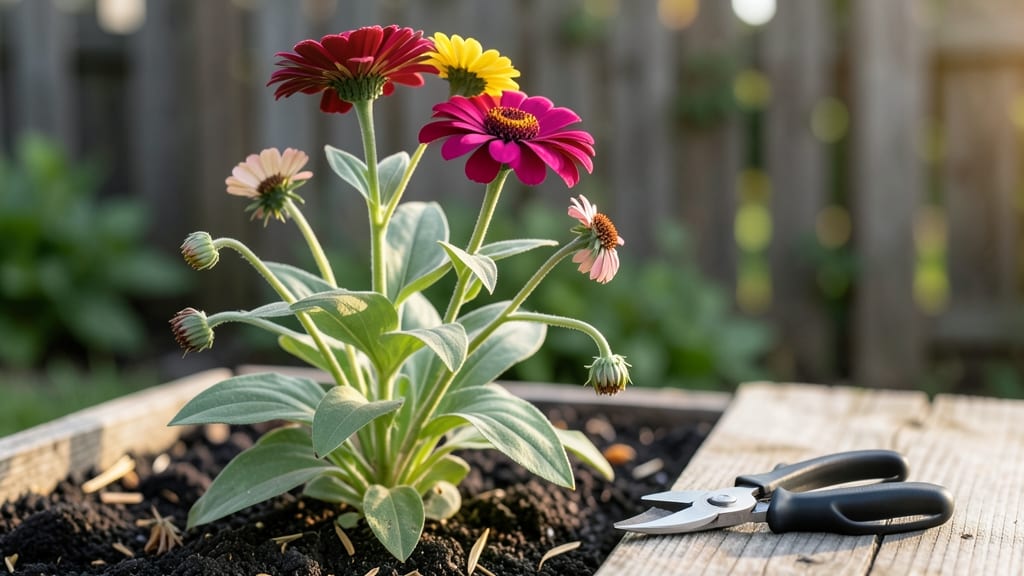
Deadheading flowers in July isn’t just tidying up—it’s a way to double your blooms before summer slips away. 🌸 I’ve seen wilted roses and spent zinnias burst back to life with just a few snips, and the difference is night and day.
The secret? Removing faded blooms redirects the plant’s energy from seed production to new growth, keeping your garden vibrant longer.
You’ll need sharp pruners or even clean fingernails, plus a sunny afternoon when blooms are dry. Focus on annuals like petunias, zinnias, and cosmos—they respond best, but perennials like black-eyed Susans and daylilies benefit too. Just avoid deadheading spring-blooming perennials (like peonies) unless you want next year’s flowers to disappear.
Timing matters: do it every 3–5 days for heavy bloomers, or weekly for slower growers. The payoff? Your garden stays lush and colorful for weeks longer, with fewer leggy stems and more compact, bushier plants. Plus, you’ll skip the late-summer droop that makes gardens look tired.
This works for containers, borders, and cutting gardens alike—just adjust how often you check. And if you’re worried about over-pruning, start with one plant and watch how it responds. You’ll be hooked by the first flush of new blooms.
📚 In This Guide
- What you need
- Instructions
- Tips and common mistakes
- Wrapping up and next steps
What you need
- ● Pruning shears or bypass pruners: Sharp, clean, and sterilized (7-inch blades work best for most flowers). Aim for one pair per gardener to avoid cross-contamination.
- ● Hand pruners or scissors: For delicate stems (e.g., roses, petunias). Choose ergonomic designs to reduce hand fatigue.
- ● Gloves: Heavy-duty gardening gloves (nitrile-coated for grip) to protect from thorns or sap. 1 pair per person is ideal.
- ● Disinfectant (70% isopropyl alcohol or bleach solution): 1 part bleach to 9 parts water. Sterilize tools between cuts to prevent disease.
- ○ Garden twine or rubber bands: For bundling spent blooms (optional but handy for compost piles).
- ● Bucket or wheelbarrow: A 5-gallon capacity for collecting debris. Line with a trash bag for easy disposal.
- ● Knee pads: For comfort during long sessions (especially for low-growing plants like impatiens).
- ● Hose or spray bottle: To rinse tools and refresh tired plants post-deadheading.
- ● Compost bin or bag: For recycling flower debris (if not diseased).
- ● Sun hat & sunscreen: July sun is no joke—protect that skin!
Step-by-Step guide to deadheading flowers for prolonged summer blooms
Here's how to keep your garden vibrant through late summer with minimal effort.
🌿 Step 1: Identify Flowers Ready for Deadheading
Focus on blooms that have fully opened and begun to fade—look for petals curling back or color loss. I always check in the morning when flowers are fully hydrated and easier to assess. Avoid cutting healthy buds or half-open blooms, as these will become your next wave of flowers.
For annuals like zinnias and petunias, deadhead daily if possible. Perennials like coneflowers and black-eyed Susans only need attention after the main bloom cycle. The key is timing: remove spent blooms before seed heads form, which signals the plant to redirect energy to seed production instead of new flowers.
✂️ Step 2: Use the Right Tools and Technique
Sharp, clean pruners or your fingers work best—never use dull shears, as they crush stems and invite disease. I carry small hand pruners in my gardening apron for quick touch-ups between watering sessions. For delicate stems like snapdragons, pinch or twist blooms off by hand to avoid stem damage.
Cut just above a set of healthy leaves or a leaf node where new growth can emerge. This ensures the plant has energy reserves to produce new blooms. If you're unsure where to cut, look for the small bump where leaves attach—the stem right below that is your target. Angle cuts slightly downward to prevent water pooling.
🌱 Step 3: Encourage Bushier Growth Patterns
After deadheading, check the plant's overall shape. If stems look leggy or bare at the base, it's time to prune back lightly. For woody perennials like lavender, trim back by about one-third to encourage compact, bushier growth. The goal is to maintain an open center that allows air circulation and prevents fungal issues.
For annuals like marigolds, a light pinch of the growing tips after deadheading stimulates branching. You'll see new side shoots emerge within two weeks—that's your signal the plant is responding well. Avoid heavy pruning in late summer, as new growth won't have time to harden off before fall.
💧 Step 4: Maintain Post-Deadheading Care
Water deeply after deadheading to help plants recover and prevent stress. Focus on the root zone rather than overhead watering, which can spread fungal spores. I always water in the early morning so foliage has time to dry before evening. This simple habit keeps your garden looking fresh and reduces disease pressure.
Add a balanced, water-soluble fertilizer to the soil after deadheading for a quick nutrient boost. I use a 10-10-10 mix diluted to half strength—just enough to support new growth without burning roots. Avoid high-nitrogen fertilizers, which encourage leafy growth at the expense of flowers.
☀️ Step 5: Monitor for Regrowth and Adjust as Needed
Watch for new buds forming within 7-10 days after deadheading. Healthy plants will show increased vigor with darker green leaves and tighter growth patterns. If you notice yellowing leaves or wilting, it's a sign of over-pruning or stress—scale back and focus on hydration and shade during hot afternoons.
For late summer bloomers like asters and goldenrods, reduce deadheading frequency as the season progresses. These plants rely on their seed heads for winter interest and next year's growth. The key is balance: keep removing spent blooms while preserving the natural cycle of your garden's most resilient plants.
Tips & tricks for deadheading flowers in July
Here's what I've learned after years of fighting summer garden burnout—these tricks will keep your blooms thriving when the heat peaks.
Timing Secret: The morning is your best friend for deadheading in July's intense heat. Flowers are fully hydrated then, making it easier to spot which blooms are truly spent. I've noticed that waiting until afternoon can lead to missed opportunities—some blooms wilt faster in the heat, and you might accidentally remove buds that could still open.
Tool Technique: For delicate stems like roses or snapdragons, I've found that using your fingers works better than pruners. The gentle pinch method prevents stem damage that can invite fungal infections. When using pruners, always sterilize them with rubbing alcohol between plants to prevent cross-contamination of diseases like powdery mildew.
Regrowth Strategy: After deadheading, look for the plant's natural growth pattern. If you see leggy stems, it's time for a light pruning to encourage bushier growth. For woody perennials like lavender, I trim back about one-third of the previous year's growth—this creates a compact shape that's more resistant to late-summer heat stress.
Post-Care Wisdom: The 7-10 day regrowth window mentioned in Step 5 is your green light to monitor plant health. I always check for new buds at this stage and adjust my watering schedule accordingly. If you notice yellowing leaves, it's often a sign of overwatering rather than stress—let the soil dry out slightly between waterings during July's heat.
Pro Tips for Deadheading Flowers In July
- Here's what I've learned after years of fighting summer garden burnout—these tricks will keep your blooms thriving when the heat peaks.
- Timing Secret: The morning is your best friend for deadheading in July's intense heat.
- Tool Technique: For delicate stems like roses or snapdragons, I've found that using your fingers works better than pruners.
Frequently asked questions
Got questions about deadheading in July? You’re not alone! Here are answers to the most common concerns—plus tips to keep your garden thriving.
Why should I deadhead flowers in July?
Deadheading in July extends the blooming season by redirecting the plant’s energy toward new flowers instead of seed production. It also keeps your garden looking tidy and encourages stronger growth before summer’s end. Think of it as giving your plants a second wind!
How often should I deadhead in July?
Check your flowers weekly—especially for heavy bloomers like roses, zinnias, or petunias. For annuals, deadhead every 3–5 days if flowers fade quickly. Perennials may need less frequent attention (every 1–2 weeks), but always remove spent blooms before seed heads form.
What if I cut too much by mistake?
Don’t panic! Most plants are resilient. If you accidentally trim into fresh growth, stop immediately—you won’t harm the plant. For woody perennials (like lavender), avoid cutting into old wood. For annuals, a little over-pruning is forgiven, but focus on removing only dead or fading blooms moving forward.
Can I deadhead flowers with seeds I want to save?
Yes! If you’re saving seeds from specific plants (like marigolds or cosmos), leave 1–2 spent blooms per plant to mature. Deadhead the rest to keep the rest of the plant producing flowers. Label the plants you’re saving seeds from to avoid confusion later.
What if it rains right after I deadhead?
Rain won’t hurt your plants—in fact, it’s great for recovery! Just avoid deadheading right before a storm if possible, as wet conditions can stress plants. If you must, wait until the soil is dry to trim. Otherwise, your flowers will bounce back just fine with a little extra water from the sky.
Wrapping up and next steps
Deadheading flowers in July isn’t just about tidying up—it’s your secret weapon for a longer, more vibrant summer. By removing spent blooms, you encourage new growth, prevent pests, and keep your garden looking fresh until frost.
With the right tools and a little elbow grease, you’ll be rewarded with stunning, repeat blooms all season!
Ready to put your new skills to the test? Pick a sunny afternoon, grab your shears, and start with just one flower bed. Before you know it, your garden will be the envy of the neighborhood! 🌸