
Pests
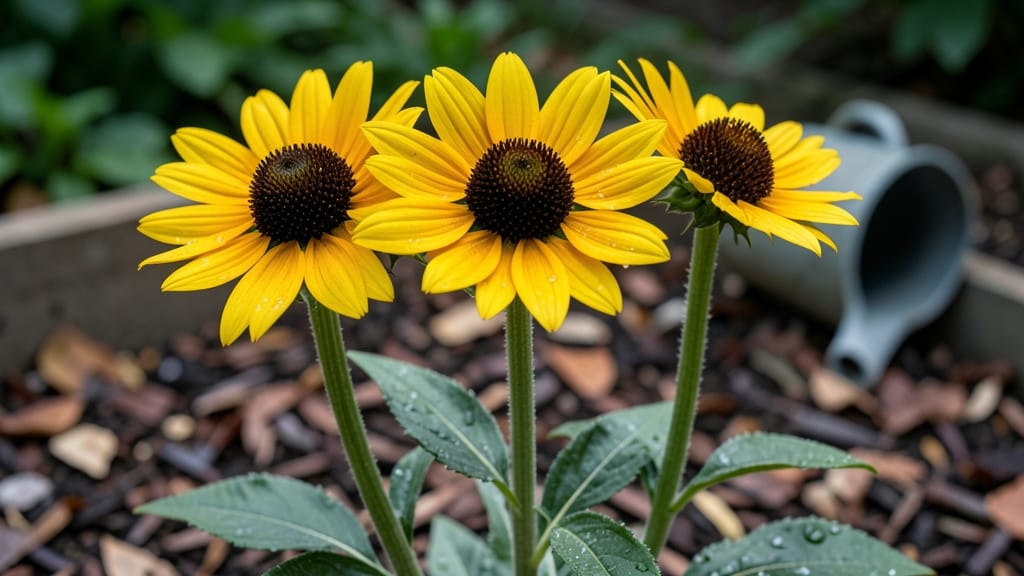
Deer-proof flowers and shrubs are the secret weapon for gardeners who’ve lost too many plants to hungry deer. 🌿 After years of watching my hostas get munched down to the ground, I finally discovered varieties that deer seem to avoid—because of their strong scent, fuzzy texture, or bitter taste.
The right plants can transform your yard into a deer-resistant paradise without fences or repellents.
These tough plants thrive even when deer ignore them. Think lavender with its piney fragrance, Russian sage with its silvery foliage, or butterfly bush that deer find unappealing. Most have fine hairs, milky sap, or aromatic oils that deer dislike.
The best part? Many of these plants also attract pollinators and add stunning color to your landscape.
You’ll end up with a garden that stays lush and vibrant—no more waking up to half-eaten blooms. These plants also require less maintenance than fussy annuals, so you save time and money. Plus, they often spread or self-seed, making your yard even more resilient over time.
Regional variations matter—some plants work better in dry climates, while others thrive in wetter areas. I’ll share the top performers for different zones, plus how to combine them with physical barriers or repellents for extra protection. Let’s get your garden back from the deer!
📚 In This Guide
- What you need
- Instructions
- Tips and common mistakes
- Wrapping up and next steps
What you need
- ● Deer-resistant plants: 1–5 Lavender plants (depending on garden size)
- ● 3–10 Russian Sage (Perovskia atriplicifolia)
- ● 2–6 Boxwood shrubs (Buxus spp.)
- ● 5–15 Salvia plants (e.g., Salvia nemorosa)
- ● 1–3 Yarrow (Achillea millefolium) per section
- ● 1–2 Daffodils (Narcissus spp.) bulbs (per 10 sq. ft.)
- ● 3–8 Hellebores (Lenten Rose) for shade areas
- ● Soil amendments: 5–10 lbs. Compost (per 10 sq. ft.)
- ● 1–2 lbs. Slow-release fertilizer (10-10-10 or organic)
- ● Tools: 1 Garden trowel (for transplanting)
- ● 1 Pruning shears (for shaping/sanitizing cuts)
- ● 1 Garden hose with spray nozzle (for watering)
- ● 1 Measuring tape (to plan spacing)
- ● Barriers: 1–2 rolls Deer fencing (8 ft. tall, if needed)
- ● 5–10 Repellent sprays (e.g., Plant Skydd or commercial deer repellent)
- ● Mulch: 2–3 bags Pine straw or gravel mulch (to deter digging)
- ● Garden gloves (for comfort)
- ● Plant markers (to label varieties)
How to select and plant deer-resistant flowers and shrubs
Here's how to transform your garden into a deer-proof haven—naturally.
🌱 Step 1: Choose Strong-Scented and Fuzzy-Leaved Plants
Deer avoid plants with strong fragrances or fuzzy, hairy foliage because they dislike the textures and scents. Start with lavender—its pungent aroma deters deer while attracting pollinators. Russian sage is another excellent choice, with its silvery foliage and intense fragrance that deer find unappealing.
For shrubs, boxwood and barberry are classic deer-resistant picks. Boxwood's dense, waxy leaves and barberry's spiny branches create physical barriers. Add salvia or lamb's ear for flowers and foliage that deer ignore. Here's the thing—these plants thrive in full sun and well-drained soil, so pair them with yarrow or shasta daisies for extra resilience.
☀️ Step 2: Plant in Clusters and Use Strategic Placement
Deer are less likely to browse when they encounter dense groupings of plants. Arrange your selections in 3-5 plant clusters spaced 3-4 feet apart to create a natural barrier. Place the most deer-resistant varieties—like allium or foxglove—along property edges or near high-traffic deer paths.
Position taller shrubs, such as butterfly bush or potentilla, as the first line of defense. Their height makes them harder for deer to reach. Underplant with catmint or black-eyed Susan to fill gaps and reinforce the deer-deterrent effect. Real talk: deer may still investigate, but they’ll move on quickly when confronted with these tough plants.
💧 Step 3: Maintain Soil Health and Water Consistently
Healthy plants are less appealing to deer. Amend your soil with 2-3 inches of compost before planting to improve drainage and nutrient uptake. Water deeply once a week during dry spells to keep roots strong—dehydrated plants become easier targets.
Mulch with 2-3 inches of shredded bark to retain moisture and suppress weeds, which can attract deer. Avoid overwatering, though; soggy soil weakens roots and makes plants more vulnerable. You’ll see the difference in just a few weeks—your plants will grow thicker and more robust, making them less tempting to deer.
✂️ Step 4: Prune Regularly to Encourage Dense Growth
Prune back leggy growth in early spring to encourage bushier, denser foliage. For shrubs like boxwood or barberry, trim one-third of the oldest stems to stimulate new growth. Flowers like lavender benefit from a light shearing after blooming to maintain their compact shape.
Deadhead spent blooms on annuals like catmint to redirect energy into new growth. The denser your plants grow, the harder they are for deer to nibble. Don’t skip this step—it’s the key to keeping your garden deer-proof long-term. You’ll notice fewer gaps and more vigorous regrowth within a season.
Tips & tricks for perfect deer-proof landscaping
Creating a garden deer won't touch takes more than just planting the right species—it's about strategic placement and plant care that makes your landscape naturally unappealing to them.
Layer Defense Strategically: In Step 2, when arranging your 3-5 plant clusters, create a "deer buffer zone" by placing your tallest shrubs like butterfly bush or potentilla first along property edges. This forces deer to navigate through your most resilient plants before reaching anything tender. The visual and physical barrier alone often makes them think twice about browsing.
Soil Secret Weapon: The 2-3 inches of compost mentioned in Step 3 isn't just about nutrients—it's about creating a healthy, vigorous root system that deer find less appealing. Mix in a handful of grapefruit peels (optional) when amending soil—the citrus scent repels deer while enriching the soil with nitrogen. The combination of healthy plants and subtle scent deterrents works better than chemical repellents.
Pruning Precision: When you're trimming one-third of the oldest stems in Step 4, focus on creating a "thicket effect" rather than just shaping. Leave some stems slightly longer than others to create an irregular, dense growth pattern that deer find harder to navigate through. This mimics natural underbrush that deer instinctively avoid. The more you prune to encourage density, the more your garden becomes a deer-proof fortress.
Seasonal Scent Rotation: Deer's senses adapt over time, so rotate your deer-resistant plants seasonally. In spring, emphasize foxglove and allium for their strong scents. In summer, add catmint and black-eyed Susan to keep the scent profile fresh. This rotating scent strategy prevents deer from becoming accustomed to any single aroma, making your garden a moving target for their sensitive noses.
Pro Tips for Deer Proof Flowers And Shrubs
- Creating a garden deer won't touch takes more than just planting the right species—it's about strategic placement and plant care that makes your landscape naturally unappealing to them.
- Layer Defense Strategically: In Step 2, when arranging your 3-5 plant clusters, create a "deer buffer zone" by placing your tallest shrubs like butterfly bush or potentilla first along property edges.
- Soil Secret Weapon: The 2-3 inches of compost mentioned in Step 3 isn't just about nutrients—it's about creating a healthy, vigorous root system that deer find less appealing.
Frequently asked questions
Got questions about keeping deer away from your garden without fences or chemicals? You’re not alone! Here are some of the most common concerns—and answers—to help you pick the best deer-proof flowers and shrubs for your space.
What are the most deer-resistant flowers I can plant?
Deer tend to avoid strongly scented or fuzzy-textured blooms. Top picks include lavender (its fragrance deters them), dahlias (thorny stems), black-eyed Susans, and bee balm. For shrubs, try butterfly bush or potentilla—both are rarely browsed. Pair these with alliums (onion-family plants) for extra protection!
When is the best time to plant deer-resistant shrubs?
Spring (after the last frost) or early fall (6–8 weeks before your first frost) are ideal. Planting in spring gives roots time to establish before summer heat, while fall planting lets shrubs grow slowly in cool weather. Avoid planting in extreme heat or drought—stressed plants attract deer!
Will deer eventually stop eating my "deer-proof" plants?
Not likely! While no plant is 100% deer-proof, the ones listed are highly resistant due to scent, texture, or toxicity. If deer still nibble, try physical barriers (like wire mesh) or repellents (e.g., garlic-based sprays). Rotate plants yearly to confuse them—deer learn patterns!
Are there any deer-resistant ground covers or perennials?
Try creeping thyme (fragrant and low-growing), heuchera (colorful foliage), or sedum (succulent and tough). For perennials, coneflowers and Russian sage are deer-deterring superstars. Bonus: These plants also attract pollinators!
What do I do if deer keep eating my new plants?
First, identify the damage—deer chew leaves, not stems, so look for jagged edges. Try repellents (like Liquid Fence), motion-activated sprinklers, or planting deer-repelling companions (e.g., marigolds near vulnerable blooms). If all else fails, fencing (at least 8 feet tall) is the last line of defense.
Still stumped? Experiment! Deer preferences vary by region, so track what works (or doesn’t) in your garden. Happy planting!
Wrapping up and next steps
Transforming your garden into a deer-resistant paradise doesn’t have to be a challenge—it just takes the right deer-proof flowers and shrubs! From fragrant lavender to bold daffodils, these tough plants not only survive but thrive while keeping hungry deer at bay. 🌿✨
Now that you’re armed with the best options, take the next step: sketch a layout for your garden, group plants by sunlight needs, and start planting! Whether you’re a seasoned gardener or just beginning, every deer-resistant plant you add is a win for your green space. Happy gardening!