
Flowers
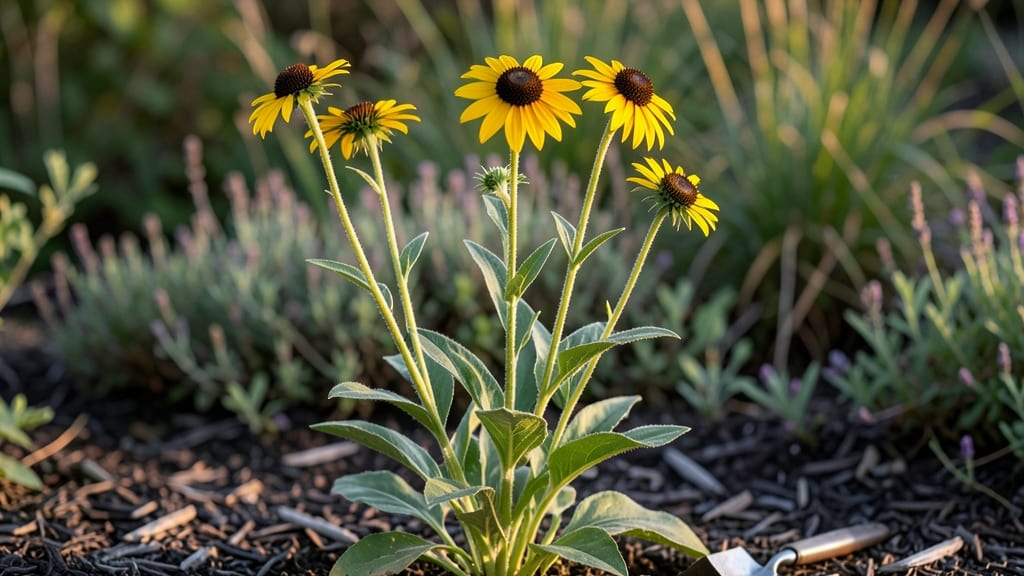
Cone flowers do spread—but not the way you might fear. 🌱 These hardy perennials (like Echinacea and Rudbeckia) grow through rhizomes and self-seeding, which means they’ll gradually fill space without becoming invasive.
The good news? Their spread is predictable, and with a few simple steps, you can steer it exactly where you want.
Most gardeners love this trait because it means fewer gaps in borders and more blooms over time. However, if you prefer neat, contained plants, you can prune back seed heads before they drop or divide clumps every 3-4 years to control their reach.
The key is working with their natural growth rather than fighting it.
What you’ll end up with is a low-maintenance, long-lived garden feature that thrives in full sun and attracts pollinators. The flowers themselves—those cheerful purple, pink, or yellow blooms—keep coming back year after year, making them a favorite for both wild and structured garden styles.
Whether you’re planting in a sunny border or a wildflower meadow, these tips will help you enjoy their beauty without losing control. Let’s make sure your cone flowers enhance your garden, not overrun it.
📚 In This Guide
- What you need
- Instructions
- Tips and common mistakes
- Wrapping up and next steps
What you need
- ● Garden gloves – A pair of durable, nitrile-coated gloves (size medium or large) to protect your hands from thorns and soil.
- ● Sharp pruning shears or loppers – Bypass pruners (for clean cuts) or loppers (for thicker stems, up to 1-inch diameter).
- ● Heavy-duty shovel or digging spade – A flat-edged spade or d-handle shovel for digging up roots (18–24 inches long).
- ● Garden hose or watering can – For pre-watering the soil before digging (1–2 gallons of water per plant).
- ○ Mulch (optional but recommended) – 2–3 inches of organic mulch (e.g., shredded bark, straw, or wood chips) to suppress regrowth.
- ● Root barrier fabric – Landscape fabric (3–4 feet wide) or hard plastic barriers (if permanent control is needed).
- ● Compost or soil amendment – 1–2 bags of high-quality compost (for replanting or amending disturbed soil).
- ● Hand trowel – For fine-tuning around roots or small adjustments.
- ● Wheelbarrow or bucket – To haul dug-up roots or mulch (5–10 gallon capacity).
- ● Measuring tape – To mark planting distances (keep cone flowers 2–3 feet apart to limit spread).
- ● Labeling tags or stakes – If replanting or tracking new growth.
- ● 🔥 Timing matters: Dig up roots in early spring or fall when plants are dormant.
- ● 🌡️ Weather prep: Work on a cloudy day to avoid stressing freshly transplanted roots.
- ● ✨ Disposal hack: Remove dug-up roots immediately to prevent regrowth—compost them only if disease-free.
How to manage coneflower spread in your garden
Here’s how to keep these striking perennials from taking over while keeping your garden thriving.
🌱 Step 1: Understand Coneflower’s Natural Growth Habits
Coneflowers (Echinacea) spread primarily through rhizomes—underground stems that grow horizontally and send up new shoots. A single plant can produce 3-5 new shoots per year under ideal conditions, which is why they often look like they’re multiplying overnight. The good news? Their spread is controllable with the right approach.
Watch for new shoots emerging 3-6 inches away from the original plant in spring. These are your first warning signs. Coneflowers also self-seed, but rhizome spread is far more aggressive. If you notice clusters forming, it’s time to act before they fill your entire garden bed.
✂️ Step 2: Prune Aggressively in Early Spring
The best time to manage spread is right after new growth appears in early spring, before the plant puts energy into flowering. Grab your pruners and cut back any unwanted shoots at the base—right where they meet the soil. This prevents the rhizomes from sending nutrients to new growth.
Here’s the thing—don’t pull them by hand. Tugging can leave pieces of rhizome in the soil, which will just regrow. Instead, dig carefully if needed, but pruning at the base is often enough. You’ll know you’re doing it right when you see no new shoots emerging in the same spot later in the season.
🪴 Step 3: Divide and Relocate Clumps Annually
Every 2-3 years, coneflowers form dense clumps that can crowd out other plants. Dig up the entire clump in early fall or spring when the soil is workable. Use a sharp spade to slice through the rhizomes into 3-4 inch sections, each with at least one bud (that’s where new growth starts).
Real talk: Don’t skimp on spacing. Replant divisions 18-24 inches apart to give them room to grow without competing. If you cram them too close, you’ll just repeat the spread problem. After replanting, water deeply to help the roots establish before summer heat sets in.
☀️ Step 4: Use Barriers to Contain Rhizomes
For established plants you want to keep in place, bury a root barrier (like corrugated metal or plastic) 12-18 inches deep around the perimeter of the planting area. This blocks rhizomes from creeping outward while still allowing water and nutrients to reach the plant. Install barriers in early spring before new growth starts.
If you’re planting coneflowers in a container or raised bed, use heavy-duty landscape fabric at the bottom to prevent rhizomes from escaping. Just remember: check the fabric every few years—it degrades over time and may need replacing.
💧 Step 5: Adjust Watering to Slow Spread
Coneflowers spread faster when they get too much water, which encourages lush rhizome growth. Instead of deep, frequent watering, water deeply but only when the top 2 inches of soil feel dry. This keeps the plant healthy without promoting aggressive spread.
Mulch heavily with 2-3 inches of organic mulch (like shredded bark) to suppress weeds and regulate soil moisture. Weeds compete with coneflowers for resources, and dry soil conditions naturally slow rhizome expansion. You’ll see fewer unwanted shoots if the plant isn’t fighting for water.
Tips & tricks for managing coneflower spread
Keeping coneflowers from taking over your garden doesn't require drastic measures—just a few strategic tweaks can make all the difference.
Timing is Everything: In Step 2, when you're pruning those early spring shoots, don't wait until they've grown too tall. The key is to cut them back right at the soil line as soon as you spot new growth—ideally before they reach 4-6 inches tall. This starves the rhizomes of energy before they can establish new roots. I've seen gardeners wait until shoots are a foot tall, and by then, you're fighting a losing battle with stubborn regrowth.
Divide with Precision: When you're dividing clumps in Step 3, pay special attention to those 3-4 inch sections with buds. Each piece should have at least one healthy bud—this is where new growth will emerge. If you cut sections without buds, you're essentially throwing away planting material. Pro tip: Use a clean, sharp spade to make clean cuts, and dip the blade in rubbing alcohol between cuts to prevent disease spread between sections.
Barrier Installation Secrets: For Step 4, when installing root barriers, don't skimp on depth. Those 12-18 inches are critical—the rhizomes can grow surprisingly deep. I've seen gardeners use old metal edging or even repurposed plastic sheeting from hardware stores. The key is to bury it vertically** around the perimeter, not just lay it flat. This creates a physical wall that rhizomes can't penetrate. For existing plants, install barriers at least 6 inches away from the current plant edge to give roots room to grow without hitting the barrier.
Watering Wisdom: The watering instructions in Step 5 are spot-on, but here's what nobody tells you—coneflowers actually thrive with inconsistent moisture. The 2 inches dry rule works, but you can take it further by watering deeply but infrequently. Once every 7-10 days with 1 inch of water (about 15 minutes with a hose nozzle) is often enough. This mimics their natural drought-tolerant habits and discourages aggressive rhizome growth. Just be sure to water at the base of the plant, not overhead, to prevent fungal issues.
Pro Tips for Do Cone Flowers Spread
- Keeping coneflowers from taking over your garden doesn't require drastic measures—just a few strategic tweaks can make all the difference.
- Timing is Everything: In Step 2, when you're pruning those early spring shoots, don't wait until they've grown too tall.
- Divide with Precision: When you're dividing clumps in Step 3, pay special attention to those 3-4 inch sections with buds.
Frequently asked questions
Got questions about how cone flowers behave in your garden?
Here are the most common concerns—plus practical tips to keep them in check while enjoying their beauty!
How fast do cone flowers spread in a garden?
Cone flowers (Echinacea) typically spread slowly—about 1 to 2 feet per year under ideal conditions. Their rhizomes (underground stems) expand gradually, making them low-maintenance but manageable. With regular pruning and dividing every 3–4 years, you can control their growth effectively.
Can I stop cone flowers from spreading entirely?
While you can’t completely halt their spread, you can minimize it. Use root barriers (buried plastic or metal) to contain rhizomes, or plant them in containers (they thrive in pots!). Deadheading spent blooms also reduces seed-based spread, focusing growth on the roots.
Are cone flowers invasive in my area?
Cone flowers are not considered invasive in most U.S. regions, but they can naturalize aggressively in wild areas. Check your local invasive plant database—some states (like Hawaii) restrict them. If unsure, opt for sterile cultivars (e.g., ‘White Swan’) that produce fewer seeds.
When is the best time to divide or transplant cone flowers?
Divide cone flowers in early spring or fall when temperatures are mild (50–70°F). Avoid transplanting in summer heat, which stresses roots. Dig up clumps, separate rhizomes with a clean knife, and replant immediately. Water thoroughly to help them establish!
What’s a good alternative if I want a low-spreading perennial?
If cone flowers spread too much for your space, try these low-maintenance alternatives:
- Black-eyed Susan (Rudbeckia) – Clump-forming with bright blooms.
- Bee balm (Monarda) – Stays contained with occasional pruning.
- Russian sage (Perovskia) – Woody stems limit rhizome spread.
- Daylilies (Hemerocallis) – Fast but easy to divide.
Wrapping up and next steps
Coneflowers are a gardener’s dream—low-maintenance, stunning, and resilient—but their spreading roots can turn into a challenge if left unchecked. 🌿 The good news? With the right techniques—like pruning, dividing, or strategic planting—you can harness their natural growth for a thriving, balanced garden.
Whether you’re a beginner or a seasoned green thumb, a little planning goes a long way!
Ready to take control? Start small: Monitor your plants this season, experiment with containment methods, and enjoy the beauty of coneflowers without the wild overgrowth. Happy gardening! 🌸