
Flowers
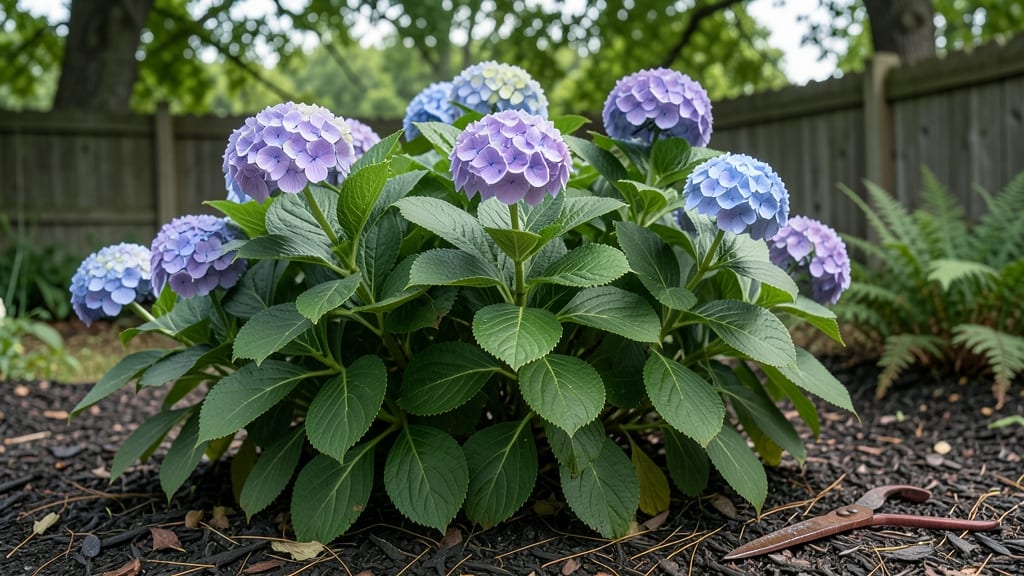
Double flower hydrangeas turn your garden into a dreamy, lush canvas—perfect for anyone who wants blooms that last from summer through fall. 🌸 I’ve learned the hard way that these showstoppers need the right pruning timing, or you’ll end up with sparse flowers instead of dramatic, layered clusters.
The secret isn’t just cutting back—it’s knowing when and how to shape them for maximum impact.
Start with the basics: these hydrangeas thrive in dappled shade with well-draining soil rich in organic matter. They’re not fussy about watering once established, but consistent moisture keeps those petals plump and vibrant.
The real magic happens in late winter or early spring, when you prune back old wood to encourage fresh, flower-packed growth. It’s a foolproof system once you get the timing right.
By summer, you’ll be rewarded with clusters so dense they look like they belong in a floral shop. The blooms stay fresh longer, too, and the plant’s lush foliage provides a stunning backdrop for any garden style.
Whether you’re a beginner or a seasoned gardener, this approach guarantees hydrangeas that steal the show every year.
We’ll cover seasonal adjustments, common pruning mistakes to avoid, and how to keep your hydrangeas thriving through heatwaves and cold snaps. Let’s get those blooms looking their absolute best!
📚 In This Guide
- What you need
- Instructions
- Tips and common mistakes
- Wrapping up and next steps
What you need
- ● Double flower hydrangea plants: Choose healthy, mature plants (3–5 years old) with established root systems. Pro tip: Opt for varieties like 'Endless Summer,' 'Annabelle,' or 'Nikko Blue' for reliable double blooms!
- ○ Pruning shears: Sharp, bypass-style shears (4–6 inches long) for clean cuts. Optional: Loppers for thicker stems (1–2 inches thick).
- ● Gloves: Heavy-duty gardening gloves to protect hands from thorns and sap.
- ● Disinfectant (70% isopropyl alcohol or bleach solution): To sterilize tools between cuts and prevent disease.
- ○ Pruning sealant (optional): For large cuts (1+ inch in diameter) to prevent moisture loss.
- ○ Well-draining potting mix or garden soil: Hydrangeas thrive in acidic (pH 5.2–6.2) soil. Optional: Add peat moss or pine bark to adjust pH.
- ● Mulch (2–3 inches): Organic mulch (pine straw, wood chips) to retain moisture and regulate soil temperature.
- ● Slow-release fertilizer (10-10-10 or acidic fertilizer): Apply in early spring and mid-summer for optimal growth.
- ● Watering can or hose with adjustable nozzle: Hydrangeas need 1–1.5 inches of water per week (more in containers).
- ○ pH testing kit (optional): To monitor soil acidity and adjust with aluminum sulfate (for bluer blooms) or lime (for pinker blooms).
- ● Best pruning time: Late winter/early spring (before buds swell): For old wood bloomers (e.g., 'Nikko Blue').
- ● Right after flowering (early summer): For new wood bloomers (e.g., 'Endless Summer').
- ● Weather conditions: Prune on a dry, overcast day to reduce stress on the plant.
- ● Know your hydrangea type: Double-check if your variety blooms on old wood, new wood, or both to avoid accidental pruning mistakes!
Step-by-Step guide to pruning double flower hydrangeas for stunning year-round color
Here's how I keep my double flower hydrangeas blooming abundantly—season after season.
✂️ Step 1: Identify Last Year's Blooms and Prune Strategically
Double flower hydrangeas bloom on old wood, meaning last year's growth produces this year's flowers. Wait until late winter or early spring—after the worst frost but before buds swell—before pruning. Look for dried flower heads from last season; these mark last year's growth.
Use sharp, clean pruners to cut back only the oldest stems—those that are thick and woody. Remove about 1/3 of the oldest stems at ground level. Never cut into new growth or you'll sacrifice this year's blooms. I mark stems with a ribbon before pruning to avoid confusion.
☀️ Step 2: Shape the Plant for Balance and Airflow
After removing the oldest stems, step back and assess the plant's shape. Double flower hydrangeas respond well to light shaping. Aim for an open center to improve airflow, which prevents fungal diseases like powdery mildew. Cut back any crossing or rubbing branches to reduce stress on the plant.
For a fuller look, trim the remaining stems by 1/4 to 1/3 of their length. Make cuts just above a leaf node or bud, angled slightly away from the bud. This encourages new growth in the right direction. I always prune on a dry, sunny morning when the plant is actively growing.
🌿 Step 3: Deadhead Spent Blooms and Maintain Through Summer
Once the current season's blooms fade, cut the flower stems back to the nearest set of leaves or buds. This encourages the plant to produce new blooms for a longer flowering season. Double flower hydrangeas often rebloom if given the right care, and deadheading keeps them looking tidy.
During summer, monitor the plant for signs of stress like yellowing leaves or wilting. If you notice any, check the soil moisture—hydrangeas prefer consistently moist but well-drained soil. Mulch around the base with 2-3 inches of organic mulch to retain moisture and regulate soil temperature. Avoid heavy pruning during the growing season—just focus on removing dead or damaged growth.
⏰ Step 4: Prepare for Winter and Plan Next Season's Pruning
In late fall, after the first hard frost, cut back any remaining flower stems to 6-12 inches from the ground. This helps protect the plant from winter damage and makes it easier to spot new growth in spring. Double flower hydrangeas are hardy, but a little winter prep goes a long way.
Note the stems you pruned in late winter for next year’s reference. Over time, you’ll develop a rhythm—removing the oldest stems each year while preserving the plant’s structure. I jot down a quick sketch of my hydrangea’s shape after pruning to guide me the following year. This ensures I never over-prune and always keep the plant healthy and blooming.
Tips & tricks for perfect double flower hydrangea pruning
Here's what nobody tells you about keeping your hydrangeas thriving year after year.
Timing is Everything: The late winter to early spring window is critical—this is when your plant is still dormant but ready to wake up. I've learned the hard way that pruning too early can expose tender new growth to late frosts, while waiting too long risks cutting off next year's flower buds. Aim for when forsythia bushes start blooming in your area; that's your cue.
The One-Third Rule: When removing those oldest stems in Step 1, think of it like giving your plant a spa day—you're not taking too much, just enough to breathe. Those thick, woody stems you're cutting back are the ones that have already done their job. I always count the stems first: if I have 12, I remove 4. This balance keeps your plant strong without sacrificing next year's blooms.
Cutting Technique Matters: Those angled cuts just above a leaf node in Step 2 aren't just for looks—they're about directing growth. The angle helps rainwater run off, and cutting above the bud ensures new growth emerges in the right direction. I use my pruners at a 45-degree angle, about 1/4 inch above the bud. This small detail makes a huge difference in how full your plant looks by summer.
Seasonal Maintenance Secret: The 2-3 inches of organic mulch you add in Step 3 isn't just for looks—it's a moisture regulator and temperature stabilizer. In summer, it keeps roots cool; in winter, it insulates against freezing. I always use shredded bark mulch because it breaks down slowly and improves soil structure over time. This simple layering makes all the difference in your plant's resilience.
Pro Tips for Double Flower Hydrangea
- Here's what nobody tells you about keeping your hydrangeas thriving year after year.
- Timing is Everything: The late winter to early spring window is critical—this is when your plant is still dormant but ready to wake up.
- The One-Third Rule: When removing those oldest stems in Step 1, think of it like giving your plant a spa day—you're not taking too much, just enough to breathe.
Frequently asked questions
Got questions about your double flower hydrangea? You’re not alone!
Whether you’re a first-time grower or a seasoned gardener, these answers will help you keep those lush blooms thriving year-round.
How do I prune double flower hydrangeas to encourage more blooms?
Prune double flower hydrangeas (like Hydrangea macrophylla) right after flowering (late spring to early summer). Cut back last year’s stems by 1/3 to promote new growth and blooms. Avoid heavy pruning in fall/winter—it removes next year’s flower buds! For panicle types (like H. paniculata), prune in late winter to shape and encourage larger blooms.
When is the best time to plant double flower hydrangeas?
Plant double flower hydrangeas in early spring or fall when temperatures are mild. Avoid extreme heat or frost—roots need time to establish. Dig a hole twice as wide as the root ball, amend soil with compost or peat moss for acidity (pH 5.2–6.0), and water deeply. Mulch around the base to retain moisture and protect roots.
Why aren’t my double flower hydrangeas blooming this year?
No blooms? Check these common culprits:
- Wrong pruning time: Late-summer pruning cuts off next year’s buds.
- Poor soil pH: Test for acidity (ideal: 5.2–6.0). Add sulfur or peat moss if needed.
- Over-fertilizing: Too much nitrogen = leafy growth, not flowers. Use balanced fertilizer (10-10-10) in early spring.
- Stress: Drought, extreme heat, or transplant shock can delay blooms.
Give them 6–8 hours of sun (partial shade works too) and consistent watering.
Can I change the color of my double flower hydrangea blooms?
Yes! Double flower hydrangeas (like macrophylla) change color based on soil pH:
- Blue blooms: Acidic soil (pH 5.2–5.5). Add aluminum sulfate or coffee grounds.
- Pink/red blooms: Neutral to alkaline soil (pH 6.0+). Add lime or wood ash.
- Purple blooms: High phosphorus or drought stress.
Test soil annually for best results—color shifts take 4–6 weeks.
What are some low-maintenance alternatives to double flower hydrangeas?
If double flower hydrangeas seem high-maintenance, try these easy-care bloomers:
- Butterfly Bush (Buddleia): Drought-tolerant, attracts pollinators, and blooms all summer with minimal pruning.
- Shrub Roses: Disease-resistant varieties (like Knock Out®) need little pruning and rebloom seasonally.
- Dwarf Gardenias (Gardenia jasminoides): Fragrant, evergreen, and thrive in partial shade with occasional pruning.
- Spirea (Spiraea japonica): Hardy, colorful foliage, and blooms with almost no fuss.
All love well-draining soil and moderate watering—perfect for busy gardeners!
Wrapping up and next steps
Double flower hydrangeas are a gardener’s dream—bursting with voluminous blooms and year-round charm when pruned just right! 🌸 Whether you’re a seasoned green thumb or a curious beginner, mastering the art of pruning unlocks their full potential, from vibrant summer displays to subtle winter interest.
Start small: pick one bush this season, experiment with the techniques you’ve learned, and watch your garden transform into a lush, colorful masterpiece.
Ready to dive in? Grab your pruners, mark your calendar, and give your hydrangeas the care they deserve—your future self (and your neighbors!) will thank you. 🌿✨