
Blooming
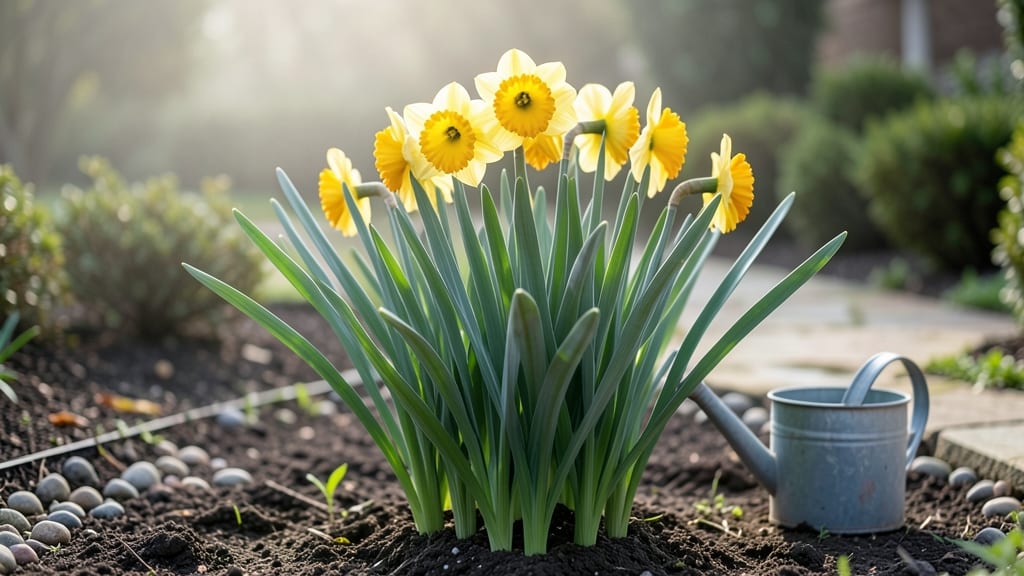
Double flowered daffodils bring lush, velvety petals that turn every spring garden into a showstopper. 🌸 I’ve grown them for years—they multiply effortlessly, bloom reliably, and even naturalize into stunning drifts.
The secret isn’t complicated: these varieties thrive with the same care as standard daffodils, but their extra petals make them worth the extra attention.
Unlike single-flowered types, double blooms often need a little more sunlight—6+ hours daily—to keep their petals full and vibrant. The soil? Just well-draining and slightly alkaline, which most gardeners already have.
Plant bulbs in fall, about 6 inches deep, and forget about them until spring. They reward patience with clusters of blooms that last 2-3 weeks and multiply underground for years.
What you’ll love most is how they bounce back—even after years of blooming, they push through snow and cold to surprise you with fresh growth. The fragrance? Subtle but sweet, like a whisper of spring.
And the best part? Once established, they need almost no maintenance—just occasional division every 3-5 years to keep them thriving.
Perfect for borders, containers, or naturalizing under trees. Here’s how to get those lush, multi-petaled blooms every year without the fuss.
📚 In This Guide
- What you need
- Instructions
- Tips and common mistakes
- Wrapping up and next steps
What you need
- ● Double flowered daffodil bulbs: Choose healthy, firm bulbs (size 12-14 cm or larger for best blooms). Aim for 10-15 bulbs per 10 sq. ft. of garden space.
- ● Well-draining soil: Mix 1 part compost or aged manure with 2 parts garden soil (pH 6.0-7.0). Avoid heavy clay soil.
- ● Slow-release bulb fertilizer: A 5-10-10 NPK ratio (e.g., 1 tbsp per bulb) for planting.
- ● Organic mulch: 2-3 inches of shredded bark, straw, or pine needles to retain moisture.
- ● Garden trowel or bulb planter (for precise planting depth).
- ● Measuring tape or ruler (to ensure 6-inch spacing between bulbs).
- ● Garden hose or watering can (for deep watering after planting).
- ● Gloves (to protect hands from soil and sharp bulb edges).
- ● Bulb food: A granular fertilizer (e.g., Espoma Bulb-Tone) for extra nutrients.
- ● Cage or stakes: For tall varieties (e.g., ‘Ice Follies’) to support stems.
- ● Drip irrigation system: For consistent moisture in dry climates.
- ● Plant labels: To track varieties (e.g., ‘Tête-à-Tête’ or ‘Peeping Tom’).
Step-by-step guide to planting and caring for double flowered daffodils
Here’s how to grow these showstopping blooms with confidence—minimal effort, maximum impact.
🌱 Step 1: Choose the Right Location and Prepare the Soil
Double flowered daffodils thrive in full sun—at least 6 hours of direct light daily. I like to plant them where they’ll get morning sun and afternoon shade in hotter climates, which keeps the flowers from fading too quickly. Avoid soggy spots; these bulbs need well-draining soil to prevent rot.
Loosen the soil to a depth of 12 inches using a garden fork. Amend heavy clay with 2-3 inches of compost or sand to improve drainage. The key here is ensuring water moves away from the bulbs—double flowered varieties are top-heavy and can tip over in wet soil. A slight mound in the planting area helps with drainage.
🪴 Step 2: Plant Bulbs at the Correct Depth and Spacing
Double flowered daffodils need deeper planting than single-flowered varieties—6-8 inches deep for most climates. In colder regions, plant them 8-10 inches deep to protect the bulbs from freezing. Space them 4-6 inches apart in rows, allowing 12 inches between rows for airflow and future growth.
Place the bulbs pointy end up—this ensures the stem grows upward. If you’re unsure which end is up, the pointier side is always the shoot. Cover the bulbs with soil, then water deeply to settle everything. Here’s the thing—don’t overwater now. The bulbs need time to establish roots before moisture becomes critical.
☀️ Step 3: Mulch and Monitor for Early Growth
After planting, spread 2-3 inches of mulch (like shredded bark or straw) around the base to retain moisture and suppress weeds. Keep the mulch 2 inches away from the bulb to prevent rot. Double flowered daffodils often need a little extra protection from winter winds, so a light mulch layer in fall helps too.
You’ll see first green shoots in early spring, usually 4-6 weeks after planting. Wait until the leaves are 4-6 inches tall before fertilizing—this gives the bulbs energy to establish roots first. If you notice yellowing leaves before blooming, it’s often a sign of overwatering or poor drainage, so adjust your care immediately.
✂️ Step 4: Support and Deadhead for Next Year’s Blooms
Double flowered daffodils can get top-heavy with their lush petals. If stems lean or flop, gently tie them to small stakes or use twiggy branches for natural support. Avoid heavy-duty stakes—they can damage the stems. Once the flowers fade, deadhead them by snipping the spent blooms just above the lowest healthy leaf.
Here’s where it gets fun—leave the leaves alone until they turn yellow. The plant needs those leaves to photosynthesize and store energy for next year’s blooms. Only remove them when they’re completely brown and crispy. This ensures your daffodils return year after year with even more dramatic double blooms.
💧 Step 5: Water and Feed for Long-Term Health
Water deeply once a week during the growing season, aiming for 1 inch of water per week. Double flowered daffodils are drought-tolerant once established, but they’ll reward you with bigger blooms if you keep the soil evenly moist. Avoid wetting the foliage to prevent fungal diseases like gray mold.
Fertilize in early spring with a balanced bulb fertilizer (like 10-10-10) or a slow-release granular. Apply it 2-3 inches away from the bulbs and water it in. Skip fertilizer in fall—it encourages late growth that can be damaged by frost. Real talk: over-fertilizing leads to weak stems and fewer blooms, so follow the package rates precisely.
Tips & tricks for perfect double flowered daffodils
Here's what nobody tells you about making these showstopping blooms thrive with minimal fuss.
Sunlight Strategy: While the instructions call for at least 6 hours of direct sun daily, I've found that morning sun with afternoon shade in hot climates actually preserves the vibrant colors longer. The afternoon heat can cause premature fading, so if you're in a warmer zone, consider partial shade during peak afternoon hours. This subtle adjustment makes all the difference for maintaining that showstopping appearance.
Soil Preparation Secret: When amending heavy clay with 2-3 inches of compost or sand, I recommend mixing in a handful of perlite or vermiculite as well. This extra step creates even better drainage without changing the soil structure too dramatically. The bulbs will appreciate the air pockets this creates, especially in clay-heavy soils where water tends to pool around the roots.
Planting Depth Insight: The 6-8 inch planting depth is perfect, but here's the thing about double flowered varieties—they're top-heavy. If you're planting in areas with heavy rainfall or snow melt, consider going to the deeper end of that range (8 inches) to provide extra stability. The extra depth helps anchor those dramatic blooms while still allowing the roots to establish properly.
Fertilizer Timing: Early spring fertilization is key, but I've learned that applying a light top dressing of compost around the base in late fall can give your daffodils a head start. Just keep it 2-3 inches away from the bulbs to prevent rot. This fall feeding helps build soil structure over winter, which means your plants will have better access to nutrients when they begin growing in spring.
Pro Tips for Double Flowered Daffodils
- Here's what nobody tells you about making these showstopping blooms thrive with minimal fuss.
- Sunlight Strategy: While the instructions call for at least 6 hours of direct sun daily, I've found that morning sun with afternoon shade in hot climates actually preserves the vibrant colors longer.
- Soil Preparation Secret: When amending heavy clay with 2-3 inches of compost or sand, I recommend mixing in a handful of perlite or vermiculite as well.
Frequently asked questions
Are double flowered daffodils harder to grow than single-flowered varieties?
Not at all! Double flowered daffodils thrive under the same care as their single-petaled cousins—sunlight, well-draining soil, and minimal fuss. The key difference? Their extra petals make them slightly more delicate in windy conditions, but they’re just as resilient once established. Pro tip: Plant them in sheltered spots or cluster bulbs together for natural support.
When is the best time to plant double flowered daffodils for spring blooms?
For vibrant spring displays, plant bulbs in fall (6–8 weeks before the first hard frost), ideally between September and November. This timing ensures roots establish before winter, so they burst into color early. Troubleshooting: If you miss fall planting, spring bulbs (like Paperwhite) can be a quick alternative, though they won’t naturalize.
Why aren’t my double flowered daffodils reblooming yearly?
Reblooming can be tricky! These daffodils often need 6–8 weeks of warm weather after flowering to store energy for next year. If they’re not reblooming, check for:
- Overcrowding (dig and divide bulbs every 3–5 years).
- Poor drainage (they hate soggy soil).
- Lack of sunlight (they need 6+ hours daily).
How do I protect double flowered daffodils from pests like squirrels or deer?
These beauties are toxic to deer and squirrels (thanks to their lycorine content), but determined critters might still nibble. Try these tricks:
- Plant bulbs 6+ inches deep to deter digging.
- Use mesh cages or repellent sprays (like garlic-based options) early in the season.
- Interplant with alliums or fritillaries—their strong scent confuses pests.
Can I cut double flowered daffodils for indoor arrangements, and how long will they last?
Cut stems at a 45-degree angle early in the morning, and place them in cool water (35–40°F) with a flower food. With proper care, they’ll last 5–7 days indoors. Design tip: Remove lower leaves to avoid bacterial growth, and recut stems every 2 days for fresh blooms.
What’s the best companion plant for double flowered daffodils?
Pair them with low-growing perennials like heuchera, ajuga, or creeping thyme to highlight their height. For contrast, try tulips or hyacinths (plant daffodils first—they’re more pest-resistant). Avoid planting near freesias or snowdrops, as they compete for nutrients. Color combo: Purple alliums pop against yellow daffodils!
Wrapping up and next steps
Double flowered daffodils are the perfect blend of beauty and ease—they bring vibrant color to your garden with almost no fuss! Whether you’re a seasoned gardener or just starting, these stunning blooms prove that elegance doesn’t require extra effort.
Now that you’re equipped with the right knowledge, it’s time to plant, admire, and enjoy their year-round charm.
Ready to transform your space? Pick your spot, grab some bulbs, and get growing! 🌱✨