
Watering
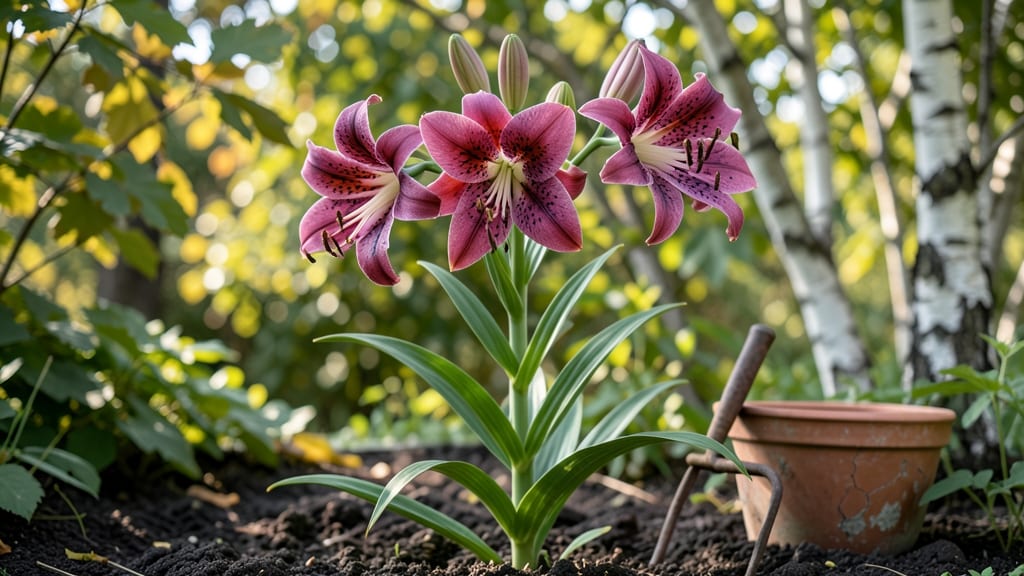
Double flowered lilies turn your garden into a luxurious floral display, but growing them right means understanding their unique needs—especially how to keep those lush petals blooming season after season. 🌸 I’ve learned the hard way that these beauties demand precision care, from soil prep to deadheading, or you’ll end up with floppy stems and fewer blooms.
The secret lies in mimicking their natural habitat: rich, well-draining soil and consistent moisture without soggy roots.
These lilies aren’t fussy about sunlight—full sun to partial shade works—but they’ll reward you with bold, layered blooms if you meet their watering needs. Think of them like thirsty divas: they love 1-1.5 inches of water per week, but their roots hate standing water.
Mulching helps retain moisture while protecting roots in winter, and that’s where many gardeners trip up. I’ve seen double flowered lilies last 5-7 years with proper care, making them a perennial worth the effort.
What sets double flowered lilies apart is their excessive petal layers, which can weigh down stems. That’s why staking or pruning becomes part of the routine—cutting back spent blooms encourages more flowers, and removing lower leaves prevents disease.
The payoff? A garden that looks like a high-end bouquet without the price tag, all summer long. Let’s get those blooms thriving.
They’re not high-maintenance, but they do need seasonal adjustments: winter protection in cold zones, pest watch for aphids, and a spring fertilizer boost to fuel new growth. The key is consistency—skip a step, and you’ll notice it in fewer blooms or weaker stems.
Trust me, your neighbors will ask how you got lilies this showstopping every year.
📚 In This Guide
- What you need
- Instructions
- Tips and common mistakes
- Wrapping up and next steps
What you need
- ● Ready to cultivate stunning double flowered lilies with vibrant, long-lasting blooms? Here’s everything you’ll need to get started—whether you’re a seasoned gardener or a curious beginner! 🌸
- ● Pro tip: 💡 If you’re in a warm climate, consider planting bulbs in fall (September–October) to mimic their natural dormancy cycle!
How to cultivate double flowered lilies for stunning, prolonged blooms
Here’s the method I’ve refined over seasons to coax those lush, layered blooms back again and again.
🌱 Step 1: Select and Prepare the Perfect Planting Site
Double flowered lilies thrive where they get full sun—at least 6-8 hours daily—and soil that drains like a dream. I always test drainage first by digging a 12-inch deep hole and filling it with water. If it doesn’t drain within 2 hours, amend the soil with 3-4 inches of compost mixed into the top 12 inches of soil. This prevents the classic lily problem of rotten bulbs.
Here’s the thing—these lilies love rich, slightly acidic soil (pH 6.0-7.0). If your soil leans alkaline, work in 1-2 cups of sulfur per 100 square feet and retest after a month. I plant mine in late summer or early fall, giving the roots time to establish before winter. The key is spacing: 6-12 inches apart, depending on the variety. Crowding leads to fewer, smaller blooms.
☀️ Step 2: Plant and Stake for Support
Double flowered lilies grow tall—often 4-6 feet—so I always stake them at planting. Drive a 3-foot bamboo stake 3 inches deep next to each bulb, then gently tuck the bulb in with its roots spread out. Cover with soil, leaving the top ¼ inch exposed—this ensures the bulb doesn’t rot while allowing it to breathe.
Water deeply right after planting, then again when the soil feels dry to the touch. The first year, these lilies focus on root growth, so don’t expect blooms. That’s okay—it’s building strength for future seasons. I mulch with 2-3 inches of shredded bark to retain moisture and regulate soil temperature, which is especially critical in hot climates.
✂️ Step 3: Prune for Health and Prolonged Blooms
Once blooms fade, I never cut stems at the base—this weakens next year’s growth. Instead, I wait until the foliage yellows naturally, then trim stems 2 inches above the ground. This redirecting energy back to the bulb ensures it stores enough nutrients for next season’s blooms. Real talk: If you cut too early, you’ll starve the bulb.
After flowering, I fertilize with a balanced, slow-release fertilizer (10-10-10) to replenish nutrients. Double flowered lilies are heavy feeders, so I apply it in early spring and again after blooming. Water deeply after fertilizing to prevent root burn. And here’s a pro tip: If your lilies produce fewer blooms, they might need more phosphorus. Switch to a 5-10-10 formula next season.
🌿 Step 4: Overwinter for Year-Round Success
In colder zones (USDA Zones 3-6), I mulch heavily with 4-6 inches of straw or leaves before the first frost. This insulates the bulbs and prevents heaving. In milder climates, a 2-inch layer of mulch suffices. The goal is to keep soil temps above 40°F—any colder, and the bulbs risk damage.
In early spring, I remove the mulch once soil temps rise above 50°F and new shoots appear. This prevents rot and encourages early growth. I’ve found that dividing clumps every 3-4 years rejuvenates blooms. Dig up the bulbs in early fall, separate offsets, and replant immediately. The more you divide, the more blooms you’ll get next season.
Tips & tricks for perfect double flowered lilies
Took me years of trial and error to figure out these secrets—here’s how to get those showstopping blooms every season.
Soil Test Timing: The 2-hour drainage test in Step 1 is non-negotiable for preventing bulb rot. I’ve seen perfectly healthy lilies drown when planted in soil that looks fine on the surface. If water lingers after 2 hours, mix in 3-4 inches of compost—this improves both drainage AND nutrient retention. For extra insurance, add a handful of perlite to the bottom of the planting hole.
The Staking Strategy: Those 3-foot bamboo stakes in Step 2 aren’t just for show—they’re critical for preventing wind damage, especially in exposed garden beds. I’ve seen lilies snap at the base during summer storms, ruining both the bloom and next year’s growth. Plant stakes at a 15-degree angle away from prevailing winds for maximum stability. Use soft garden twine (not wire) to tie stems loosely—too tight and you’ll restrict growth.
Fertilizer Timing Trick: The instructions mention applying 10-10-10 fertilizer twice, but here’s what nobody tells you: Split that second application into two smaller doses—once immediately after blooming and again 6 weeks later. This two-stage approach prevents nutrient burn while keeping the bulbs energized for next season’s growth. And if you notice yellowing leaves after fertilizing, flush the soil with water to prevent salt buildup.
Winter Mulch Layering: That 4-6 inch mulch recommendation in colder zones is a game-changer, but how you layer it matters. Start with 2 inches of straw directly on the soil to insulate, then add 2-4 inches of leaves on top. The leaves create an air pocket that regulates temperature swings. In milder climates, stick to 2 inches total—too much mulch can cause rot when spring warmth arrives.
Pro Tips for Double Flowered Lily
- Took me years of trial and error to figure out these secrets—here’s how to get those showstopping blooms every season.
- Soil Test Timing: The 2-hour drainage test in Step 1 is non-negotiable for preventing bulb rot.
- The Staking Strategy: Those 3-foot bamboo stakes in Step 2 aren’t just for show—they’re critical for preventing wind damage, especially in exposed garden beds.
Frequently asked questions
Got questions about double flowered lilies? You're not alone!
Here are some of the most common inquiries—plus quick, practical answers to help you grow lush, blooming beauties with ease.
What’s the best time to plant double flowered lilies for maximum blooms?
Plant them in early spring (after the last frost) or early fall (6-8 weeks before frost). This gives roots time to establish before summer heat or winter dormancy. For container growing, plant anytime the soil is workable—just adjust watering to match seasonal needs!
How often should I water double flowered lilies, especially in extreme heat?
Water deeply 1-2 times per week (more in scorching weather), ensuring the soil stays moist but not soggy. Mulch around the base (2-3 inches of organic matter) to retain moisture and protect roots. Pro tip: Water at the soil level—not over the leaves—to prevent fungal issues.
When and how should I trim double flowered lilies to encourage more blooms?
Trim spent blooms immediately (deadhead) to redirect energy to new growth. After flowering, cut back foliage to 6 inches tall in late fall or early spring. Avoid heavy pruning mid-season—this can stress the plant and reduce next year’s blooms.
What pests or diseases should I watch for, and how do I treat them?
Common issues include aphids, spider mites, or botrytis (gray mold). For pests, spray with neem oil or insecticidal soap. For fungal issues, improve airflow, avoid overhead watering, and apply copper fungicide if needed. Prevention tip: Inspect leaves weekly during peak growing season!
Can I grow double flowered lilies in containers, and what’s the ideal setup?
Use a large pot (at least 12 inches deep) with well-draining soil and a mix of perlite or sand. Choose dwarf varieties like ‘Stargazer’ or ‘Casa Blanca’ for containers. Place in full sun (6+ hours/day) and fertilize monthly during the growing season.
Do double flowered lilies need winter care, or can they survive on their own?
Most are hardy to USDA zones 3-9, but mulch heavily (4-6 inches) in colder zones to insulate roots. In containers, move pots to a garage or sheltered spot before frost. Resume normal care in spring once temperatures rise above 50°F (10°C).
Wrapping up and next steps
Double flowered lilies are a showstopper in any garden, offering lush blooms that last nearly year-round with the right care. By mastering precise trimming, consistent watering, and seasonal maintenance, you’ll transform your yard into a vibrant paradise. 🌸
Ready to level up your gardening game? Start by observing your lilies’ growth—adjust your techniques as needed—and soon, you’ll be the envy of the neighborhood with your stunning, blooming masterpiece! 🌿