
Trees
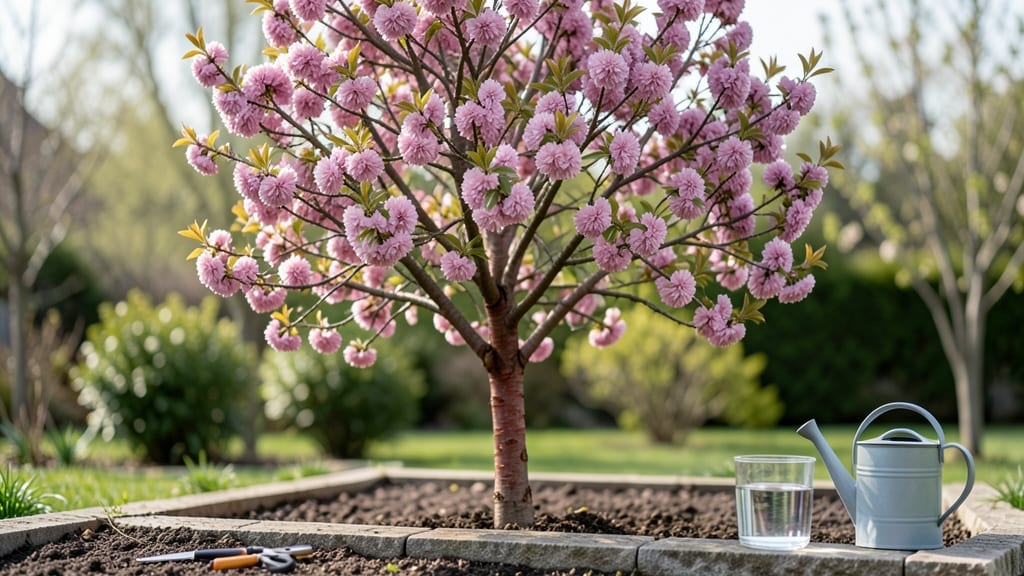
Double flowering plum trees turn spring into a spectacular pink-and-white explosion that lasts for weeks—if you know how to prune them right. 🌸 I planted mine in full sun last March, and the first year’s blooms were sparse, but after studying how these trees respond to cuts, the second spring was a showstopper.
The secret lies in timing and technique: prune right after blooms fade, never in fall, and always with sharp tools to avoid tearing bark. Your tree needs well-draining soil and 6+ hours of sunlight daily—skimp on either, and you’ll get fewer flowers.
The double blooms (two layers of petals!) make them worth the effort, but they demand respect.
By summer’s end, you’ll have a tree covered in velvety petals that attract bees and hummingbirds. The fruit that follows? Edible for birds, but messy—so plan for cleanup if you want to keep your patio tidy.
With proper care, these trees live for decades, rewarding you with year-round interest from their graceful branches.
Works best in zones 5-9, though some varieties stretch to zone 4 with winter protection. The key is balancing bloom production with tree health—too much pruning steals next year’s flowers. Let’s get your tree looking like a masterpiece.
📚 In This Guide
- What you need
- Instructions
- Tips and common mistakes
- Wrapping up and next steps
What you need
- ● Double flowering plum tree: Choose a healthy, disease-resistant variety (e.g., Prunus cerasifera ‘New Dawn’ or ‘Kwanzan’). Buy from a reputable nursery (bare-root or potted).
- ● High-quality potting soil: 50 lbs of well-draining, slightly acidic soil (pH 6.0–6.5). Mix with perlite or sand (20% ratio) for better aeration.
- ● Fertilizer: Balanced 10-10-10 fertilizer (1 lb per tree initially).
- ● Slow-release osmocote (1 cup) for long-term growth.
- ● Bloom booster: 1 lb of phosphorus-rich fertilizer (e.g., 5-10-10) in early spring.
- ● Mulch: 3–4 inches of organic mulch (e.g., wood chips or straw) to retain moisture and regulate temperature.
- ● Hand pruners: Sharp, bypass pruners (e.g., Felco or Fiskars) for clean cuts.
- ● Loppers: For thicker branches (1.5–2 inches in diameter).
- ○ Grafting tools (optional): If propagating from cuttings, use a grafting knife and rubber grafting tape.
- ● Garden gloves: Heavy-duty to protect against thorns.
- ● Watering can or hose: With a gentle spray nozzle for delicate blooms.
- ● Measuring tape: To track growth and spacing (minimum 15–20 ft between trees).
- ● Sunlight: Full sun (6+ hours daily) for optimal flowering.
- ● Climate zone: Hardy in USDA zones 5–9. Check your local frost dates!
- ● Drainage: Avoid waterlogged soil—plum trees hate soggy roots.
- ● Patience: Double bloomers may take 2–3 years to reach peak floral display.
- ● 🌡️ Test your soil before planting—amend with compost if needed.
- ● ✂️ Sterilize tools with rubbing alcohol to prevent disease.
- ● 🌱 Plant in early spring (before buds swell) for best root establishment.
Step-by-step guide for pruning your double flowering plum tree
Here's how to keep your plum tree blooming beautifully year after year.
✂️ Step 1: Time Your First Cut for Late Winter Dormancy
Prune your double flowering plum tree in late winter—right before buds swell but before any leaves appear. This timing ensures you don’t accidentally remove next year’s flower buds, which form on last year’s growth. A good rule is to prune when your area’s lowest temperatures have passed 20°F but before spring growth starts.
Use sharp, clean pruners to make cuts at a 45-degree angle about ¼ inch above an outward-facing bud. This encourages new growth to branch outward rather than inward. I always sterilize my tools with rubbing alcohol first—this prevents spreading disease between cuts.
🌿 Step 2: Remove Dead, Diseased, or Crossing Branches
Start by scanning the tree for branches that are dead, diseased, or rubbing against each other. Dead wood is easy to spot—it’s brown, brittle, and won’t bend. Diseased branches often have discolored bark, oozing sap, or fungal growth. Remove these first, cutting back to healthy wood.
Next, look for branches that cross or grow inward. These compete for sunlight and air circulation, which weakens the tree. When two branches cross, remove the weaker of the two—usually the smaller or less vigorous one. Never leave stubs; always cut just outside the branch collar where it meets the trunk.
✂️ Step 3: Thin the Canopy for Better Airflow and Light
Double flowering plum trees bloom best when they receive plenty of sunlight and air circulation. Thin the canopy by removing about 20% of the oldest branches—these are often the thickest and least productive. Focus on branches that grow straight up or block light from reaching the center of the tree.
I like to step back and visualize the tree’s shape after each cut. The goal is an open, vase-like structure that lets light penetrate to the inner branches. Avoid over-thinning—too much removal can reduce flowering. If you’re unsure, err on the side of caution and leave a few extra branches.
☀️ Step 4: Shape the Tree for Year-Round Blooms
After removing problem branches, lightly shape the tree to encourage a balanced form. Double flowering plum trees naturally grow with a rounded canopy, so aim to maintain that shape. Cut back long, leggy branches by one-third to encourage bushier growth and more blooms.
Pay special attention to branches that grow too close to the ground or block walkways. These can be pruned back to a strong lateral branch. Avoid heavy pruning on young trees—focus on removing only the necessary branches to maintain structure. The goal is to keep the tree healthy and flowering, not to drastically alter its shape.
⏰ Step 5: Clean Up and Monitor for New Growth
After pruning, rake up and dispose of all clippings—never leave them on the ground, as they can harbor disease. Sterilize your tools again with rubbing alcohol to prevent cross-contamination. Water the tree deeply to help it recover, especially if you’ve made large cuts.
Watch for new growth within 4-6 weeks. Healthy new shoots will emerge from the buds you left behind. If you see any signs of stress—like wilting leaves or unusual discoloration—adjust your care routine. Double flowering plum trees are generally low-maintenance, but proper pruning sets the stage for stunning blooms all season long.
Tips & tricks for perfect double flowering plum tree pruning
Here's what nobody tells you about keeping your plum tree thriving after the initial cuts.
Timing Secret: That 20°F temperature rule is your golden window—it’s the sweet spot where the tree has survived winter but hasn’t started its spring awakening. I’ve learned this the hard way after accidentally pruning too early and losing next year’s blooms. Check your local frost dates if you’re unsure, but always prioritize the bud-swell stage over calendar dates.
Tool Technique: Your pruners are only as good as their sharpness. Dull blades crush wood instead of cutting cleanly, which invites disease. I carry a small file in my toolkit to sharpen blades between cuts—it takes 30 seconds and prevents years of problems. Also, never reuse the same pair for multiple trees without sterilizing; fungal spores hitchhike easily.
Canopy Strategy: When you’re thinning those 20% of oldest branches in Step 3, think of your tree like a cathedral—light needs to flow to every pew. Start with the thickest branches that block the center, then work outward. I sketch a quick diagram before cutting to visualize the airflow. The goal isn’t perfection, but creating a dome that lets sunlight reach every branch.
Recovery Wisdom: After your 4-6 week growth check, if you see weak new shoots, don’t panic—it’s normal. The tree is redirecting energy to compensate for your cuts. What’s more concerning is if new growth appears stunted or deformed. In that case, reduce watering slightly and apply a balanced fertilizer (like 10-10-10) to help recovery. The first flush of leaves after pruning should be vibrant green, not yellow or spotted.
Pro Tips for Double Flowering Plum Tree
- Here's what nobody tells you about keeping your plum tree thriving after the initial cuts.
- Timing Secret: That 20°F temperature rule is your golden window—it’s the sweet spot where the tree has survived winter but hasn’t started its spring awakening.
- Tool Technique: Your pruners are only as good as their sharpness.
Frequently asked questions
Got questions about keeping your double flowering plum tree stunning year-round? You’re not alone! Here are some of the most common queries—plus quick, practical answers to keep your tree thriving.
How often should I prune a double flowering plum tree to encourage blooms?
Prune your tree once a year, ideally in late winter or early spring (before buds swell). Focus on removing dead, crossing, or overcrowded branches—never cut more than 25% of the canopy at once. Avoid heavy pruning after flowering, as it can reduce next year’s blooms. Pro tip: Use sharp, sterilized tools to prevent disease!
Can double flowering plum trees handle cold winters?
Most varieties are hardy to USDA Zones 5-9, but young trees or extreme cold (below -15°F) may need protection. Wrap the trunk with burlap or tree guard and mulch the base. If your tree loses buds, don’t panic—it often rebounds! Water deeply before winter to help roots withstand frost.
Why aren’t my double flowering plum tree blooms as abundant as expected?
Bloom scarcity often stems from over-pruning, poor nutrition, or stress. Check for:
- Nutrient deficiency: Apply a balanced fertilizer (10-10-10) in early spring.
- Sunlight: Ensure it gets 6+ hours of direct sun daily.
- Watering: Drought stress reduces flowers—water deeply 1-2x/week in dry spells.
- Age: Young trees (3 years old) may bloom lightly before reaching full potential.
What’s the best alternative if I want a low-maintenance flowering tree?
If double flowering plums seem high-maintenance, consider these easy-care alternatives:
- Japanese Maple (Acer palmatum): Stunning foliage, minimal pruning needed.
- Crabapple (Malus spp.): Disease-resistant, blooms reliably with less fuss.
- Dwarf Korean Lilac (Syringa meyeri): Compact, fragrant, and drought-tolerant.
- Ornamental Cherry (Prunus serrulata): Similar blooms but often more cold-hardy.
Are double flowering plum trees prone to pests or diseases?
While generally resilient, they can attract:
- Plum curculio weevils (chew fruit/buds): Use row covers or neem oil.
- Powdery mildew (white fungus): Improve airflow, avoid overhead watering, and spray with baking soda solution.
- Bacterial leaf spot: Remove infected leaves, sterilize tools, and water at the base.
Still stumped? Drop your specific concern in the comments—we’re happy to help your plum tree shine!
Wrapping up and next steps
Ready to transform your outdoor space into a year-round floral paradise? A double flowering plum tree isn’t just a stunning addition—it’s a low-maintenance masterpiece when you master the art of precision trimming.
With the right tools, timing, and techniques, you’ll enjoy abundant blooms that turn heads and fill the air with fragrance. Now’s the perfect time to roll up your sleeves and give your tree the care it deserves!
🌱 Your Next Step:
- Grab your pruners and review the essentials.
- Mark your calendar for late winter/early spring—the ideal time to start shaping!
- Join gardening forums or local clubs to swap tips with fellow plum tree enthusiasts.