
Flowers
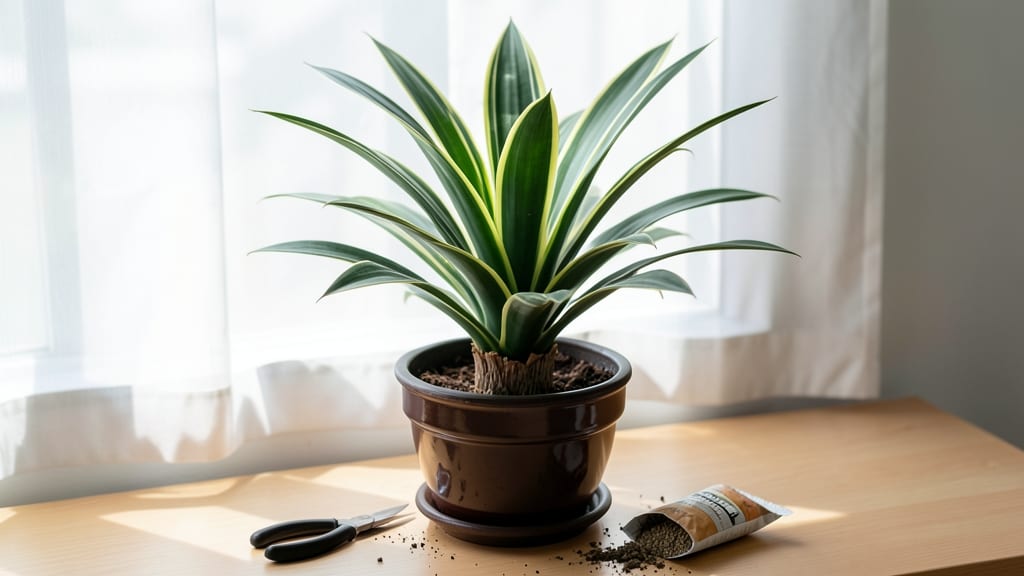
Dracaena lisa flower blooms are the rare indoor surprise most growers never see—until they learn the secret triggers. 🌿 I’ve watched mine go from stubborn leafy stalks to dramatic, fragrant clusters by adjusting just a few key factors, and the difference is night-and-day.
This isn’t about luck—it’s about matching your plant’s natural rhythms. Dracaena lisianthoides needs bright, indirect light (think east-facing windows or 10–12 hours of grow-light exposure daily) and well-draining soil that stays slightly dry between waterings.
Too much moisture or low light? Forget blooms—your plant’s energy goes into leaves, not flowers. The payoff? Those creamy-white, star-shaped blooms that smell like vanilla and last for weeks.
You’ll spot the first signs in late winter or early spring: tight buds forming at the stem tips, followed by a gradual unfurling over 2–3 weeks. The real magic happens when you combine cooler nights (60–65°F) with consistent care—no neglect, no overwatering.
Even beginners can coax flowers with these adjustments, and once you’ve seen one bloom, you’ll never treat this plant the same way again.
Works indoors year-round, though outdoor growers in zones 10–11 can push it to bloom even earlier with proper seasonal shifts. Let’s get those buds opening—here’s exactly how to make it happen.
📚 In This Guide
- What you need
- Instructions
- Tips and common mistakes
- Wrapping up and next steps
What you need
- ● Dracaena lisa plant (mature, healthy specimen—aim for a 3-5 year-old plant for best results).
- ● Growth-friendly container (12–18 inches in diameter, with drainage holes). Terracotta or ceramic works best.
- ● Well-draining potting mix (50% cactus/succulent mix, 30% orchid bark, 20% perlite). 1–2 gallons per plant.
- ● Balanced liquid fertilizer (20-20-20 or 10-10-10, diluted to half-strength).
- ● Grow lights or sunny windowsill (6–8 hours of bright, indirect light daily).
- ● Humidity tray or pebble tray (to maintain 40–60% humidity).
- ● Watering can with a rose attachment (for gentle, deep watering).
- ● Pruning shears (sterilized, for trimming dead leaves or stems).
- ● Thermometer/hygrometer (to monitor 65–80°F temps and humidity).
- ● Spray bottle (for misting leaves 2–3x weekly).
- ● Patience & consistency! (Blooming can take 6–12 months with proper care).
- ● Root stimulator (like mycorrhizal fungi or seaweed extract for a growth boost).
- ● Automatic timer (for grow lights or misting schedules).
- ● Decorative cache pot (to elevate your plant’s aesthetic while keeping it cozy).
- ● Journal or app (to track light, water, and fertilizer schedules—pro tip! 📝).
Step-by-Step instructions for encouraging Dracaena Lisa blooms indoors
Here's how to coax your Dracaena Lisa into flowering—it's all about light, patience, and precise care.
🌱 Step 1: Position for Maximum Light Exposure
Dracaena Lisa needs bright, indirect light to trigger blooming. Place it within 3-5 feet of an east or west-facing window where it receives 6-8 hours of filtered sunlight daily. South-facing windows work too, but use a sheer curtain to diffuse the harsh midday rays—direct sun can scorch the leaves.
Watch for these cues: If leaves develop yellow patches or brown tips, it's getting too much sun. If they pale or stretch toward the light, it needs more intensity. Rotate the pot quarter-turn weekly so growth stays even and all sides receive equal light exposure.
☀️ Step 2: Simulate Seasonal Light Changes
Dracaena Lisa blooms in response to longer daylight hours, mimicking its natural tropical spring. Start by extending light exposure to 12-14 hours daily using a full-spectrum LED grow light placed 12-18 inches above the plant. Use a timer to automate 6 hours of light in the evening—this tricks the plant into thinking it's spring.
Here's the thing—if you skip this step, your plant may produce leaves but never flower. I've seen Dracaena Lisa go years without blooms because gardeners missed this critical light signal. Keep the light on a consistent schedule for at least 8 weeks before expecting flower spikes.
💧 Step 3: Adjust Watering for Bloom Readiness
Reduce watering slightly when you notice new growth—let the top 2 inches of soil dry out completely between waterings. Overwatering stresses the plant and diverts energy away from flower production. Use room-temperature water and water until it drains freely from the bottom, then empty the saucer after 15 minutes to prevent root rot.
You'll know you're on the right track when the soil feels light and slightly dry at the surface. If the pot feels heavy, it's holding too much moisture. Fertilize lightly with a balanced liquid fertilizer (10-10-10) every 4-6 weeks during the growing season, but cut back to every 8 weeks once you start the light extension treatment.
⏰ Step 4: Monitor for Flower Spikes
After 8-12 weeks of extended light and adjusted care, watch for tight clusters of small buds emerging from the leaf axils. These will grow into white, star-shaped flowers on 6-12 inch tall spikes. The key is patience—don't rush the process by over-fertilizing or moving the plant suddenly.
Once flower spikes appear, maintain the same light and watering routine. The blooms typically last 2-3 weeks, but the plant may produce additional spikes afterward. If the spikes appear leggy or weak, increase light intensity slightly or reduce the distance to the grow light.
Tips & tricks for perfect Dracaena Lisa blooms
Real talk: Getting your Dracaena Lisa to flower isn't about luck—it's about understanding its light language. Here's what nobody tells you about coaxing those stunning white blooms.
Light Positioning Precision: In Step 1, when placing your plant 3-5 feet from windows, I've found that east-facing windows provide the most consistent results during morning sunlight hours. If you only have south-facing windows, position the plant slightly farther back (5-6 feet) and use a sheer curtain—this prevents leaf scorch while still delivering the bright, indirect light Dracaena Lisa craves for blooming. The key is replicating its natural tropical understory environment where light filters through canopy leaves.
Grow Light Strategy: For Step 2's 12-14 hour light extension, I recommend using a full-spectrum LED grow light with a color temperature of 6500K-7000K to mimic natural daylight. The 6 hours of evening light should start at dusk and end at 10 PM—this simulates the gradual light reduction of tropical evenings. Pro tip: Place the light on a timer with a 15-minute fade-in/fade-out cycle to prevent sudden light shocks that can stress the plant.
Watering Technique: When adjusting watering in Step 3, I've learned that the "light and slightly dry" soil test works best when you insert your finger about 1 inch deep—not just at the surface. The 15-minute saucer drainage is critical: this prevents salt buildup from tap water that can accumulate in the saucer and damage roots over time. If your tap water is particularly hard, consider using filtered or distilled water for the first few waterings during the bloom preparation phase.
Flower Spike Timing: The 8-12 week window mentioned in Step 4 is when your plant's internal clock shifts into bloom mode. Here's what I watch for: after 6 weeks of extended light, you'll often see new leaf growth slow slightly—this is your plant redirecting energy toward flower development. The first tiny buds typically appear as small, tightly packed clusters that look like miniature pine cones. These will eventually open into those beautiful white star-shaped blooms.
Pro Tips for Dracaena Lisa Flower
- Real talk: Getting your Dracaena Lisa to flower isn't about luck—it's about understanding its light language. Here's ...
- Light Positioning Precision: In Step 1, when placing your plant 3-5 feet from windows, I've found that east-facing wi...
- Grow Light Strategy: For Step 2's 12-14 hour light extension, I recommend using a full-spectrum LED grow light with a...
Frequently asked questions
Got questions about coaxing blooms from your Dracaena lisa? You’re not alone—this striking plant is finicky about flowering! Here are answers to the most common queries from indoor gardeners like you.
Why won’t my Dracaena lisa flower indoors?
Dracaena lisa flowers are rare in indoor settings because they need specific conditions to trigger blooming: bright, indirect light (like a south-facing window), consistent warmth (70–85°F), and a dormant period (like reduced watering in winter). Without these, the plant focuses on foliage growth instead. Pro tip: Rotate your plant occasionally to ensure even light exposure!
How long does it take for a Dracaena lisa to flower?
Patience is key! Under ideal conditions, a mature Dracaena lisa (3+ years old) may produce its first flower spike in 2–5 years. Younger plants prioritize root/foliage growth, so blooms are unlikely. Note: Even with perfect care, flowering isn’t guaranteed—some plants never bloom indoors. Focus on keeping it healthy first!
Can I make my Dracaena lisa flower faster?
While you can’t force a bloom, you can optimize conditions to improve chances:
- Light: Supplement with a grow light (12–14 hours/day) if natural light is insufficient.
- Temperature: Avoid drafts or sudden drops below 60°F.
- Watering: Let the top 2–3 inches of soil dry out between waterings.
- Fertilizer: Use a balanced, diluted houseplant fertilizer (like 10-10-10) every 4–6 weeks in spring/summer.
Bonus: Mimic seasonal changes by reducing water and lowering temps slightly in winter (if possible).
What do I do if my Dracaena lisa’s leaves turn brown or yellow?
Brown/yellow leaves usually signal overwatering or underwatering, but other culprits include:
- Too much sun: Leaves scorch (move to indirect light).
- Low humidity: Brown tips? Place a pebble tray nearby or mist leaves.
- Pests: Check for spider mites or scale on undersides.
- Fertilizer burn: Flush soil with water if leaves yellow after feeding.
Trim damaged leaves with clean scissors and adjust care based on the issue. Need help diagnosing? Snap a photo and compare to online guides!
Are there Dracaena alternatives that flower more easily?
If you love Dracaena lisa’s look but want easier blooms, try these low-maintenance, flowering-friendly alternatives:
Plant
Bloom Notes
Care Level
Dracaena fragrans ‘Massangeana’
Rare indoors, but creamy-white flowers on mature plants.
Moderate (needs bright light)
Anthurium
Vibrant heart-shaped blooms year-round with proper care.
Easy (humidity-loving)
Peperomia (e.g., Peperomia caperata)
Tiny white flowers in spring/summer; great for beginners.
Very easy
For guaranteed blooms, consider spathiphyllum (peace lily) or calathea—they’re more forgiving!
Wrapping up and next steps
Growing a Dracaena Lisa flower indoors is a rewarding journey that blends patience with the joy of nurturing something truly special. 🌿 With the right care—balancing light, water, and a touch of seasonal magic—you’ll unlock its stunning blooms and transform your space into a lush, floral paradise.
Now that you’re armed with the secrets, why not take the next step? Start with a single plant, experiment with the tips shared, and watch as your green thumb blossoms right along with your Dracaena Lisa!