
Flowers
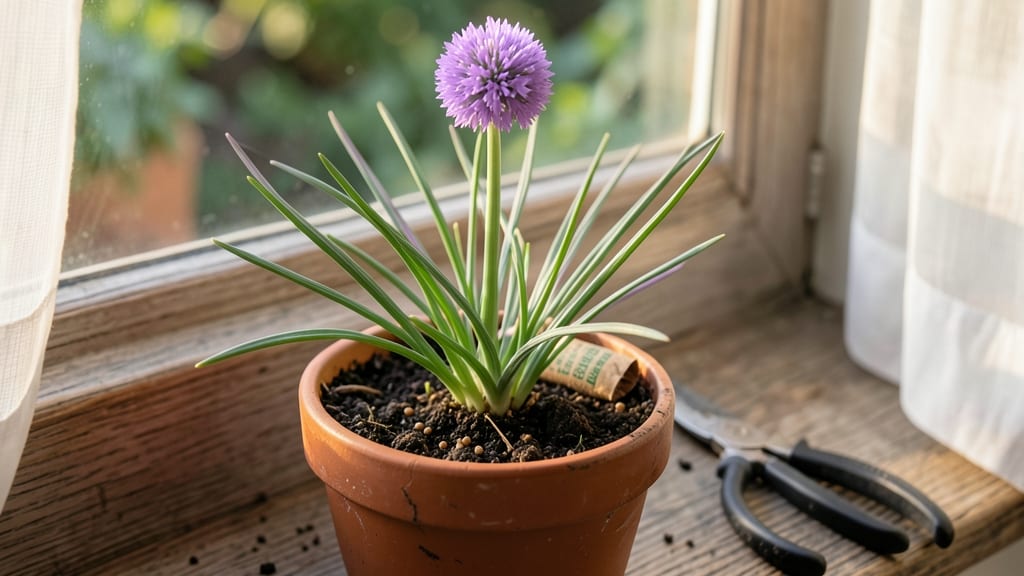
When chive flowers reach their peak purple bloom, you’ve got a kitchen goldmine waiting to be dried. 🌿 I’ve turned my garden’s delicate lavender blooms into a pantry staple—adding them to soups, salads, and even homemade vinegar for a subtle onion-garlic punch.
The secret lies in harvesting at just the right moment and drying them properly to preserve their flavor and color.
You’ll need fresh chive flowers (the whole flower, not just the petals), a clean drying surface or mesh bags, and patience—about 2-3 weeks of gentle drying time. The process is simple: bundle stems together, hang upside-down in a dry, dark place, or spread them on a screen for air-drying.
For speed, a low oven setting (170°F) works, but watch closely to avoid burning.
Once fully dried, store the flowers in an airtight container away from light and moisture. They’ll keep their flavor for up to a year, ready to elevate dishes with a pop of color and subtle savory notes.
Think beyond garnishes—infuse oils, brew teas, or mix into dried herb blends for a unique twist.
Pro tip: Avoid humidity during drying, or you’ll risk mold. And if pests are a concern, freeze the flowers for 24 hours before drying to kill any eggs. With these steps, you’ll have a pantry full of edible blooms that taste as good as they look.
📚 In This Guide
- What you need
- Instructions
- Tips and common mistakes
- Wrapping up and next steps
What you need
- ● Fresh chive plants or flowers: 1–2 mature chive plants (or ~1 cup of freshly picked blooms). Look for Allium schoenoprasum with vibrant purple or pink flowers.
- ● Drying method: Air-drying: String, twine, or a small mesh bag
- ● Oven/food dehydrator: Baking sheet + parchment paper (or dehydrator trays)
- ● Storage containers: Airtight jars, bags, or tins (glass preferred for freshness).
- ● Pruning shears or scissors (for clean harvesting).
- ● Paper towels or clean cloth (to blot moisture before drying).
- ● Food dehydrator (speeds up drying; set to 95–115°F/35–46°C).
- ○ Desiccant packets (optional, for long-term storage).
- ● Label & marker (to track harvest dates).
- ● Access to fresh chive flowers (grown at home, purchased, or foraged—ensure they’re pesticide-free!).
- ● A well-ventilated, dry space (for air-drying; avoid humidity).
- ● Patience! Drying takes 1–3 weeks depending on the method.
How to harvest and dry chive flowers for culinary use
Transform those delicate purple blooms into a flavorful, shelf-stable seasoning.
🌿 Step 1: Harvest Flowers at Peak Freshness
Pick chive flowers in the morning after dew has dried but before the sun intensifies. Choose stems with fully opened buds—tight buds won’t dry properly, and wilted blooms lose their delicate flavor. Use clean, sharp scissors to snip 3-4 inch stems just above a leaf node. Avoid flowers with yellowing petals or brown edges—they’ll turn bitter when dried.
Here’s the thing—chives are light-sensitive. Harvest on an overcast day or in shade to prevent petals from scorching. You’ll know you’ve picked at the right time when the stems snap cleanly and the buds feel crisp to the touch, not mushy.
💧 Step 2: Clean and Prepare for Drying
Gently shake stems over a clean bowl to remove debris, then rinse under cool water. Pat dry immediately with a paper towel—moisture is the enemy during drying. Remove any remaining leaves from the stems, leaving just the flower clusters. This prevents mold and ensures even drying.
I like to bundle stems in small 3-4 inch groups with rubber bands. This keeps them upright and maximizes airflow. If you skip this step, flowers may dry unevenly or stick together, making them harder to store later.
☀️ Step 3: Dry Flowers Using One of Three Methods
Choose a method based on your space: Air-dry by hanging bundles upside down in a dark, dry spot with good airflow (like a pantry or closet). Oven-dry at 170°F for 1-2 hours on a baking sheet lined with parchment. Dehydrator-dry at 95°F for 2-3 hours, rotating trays halfway through.
Check daily—flowers are ready when petals crumble slightly between fingers but still hold their shape. If you leave them too long, they’ll turn brittle and lose flavor. Store dried blooms in an airtight container away from light for up to 6 months.
✂️ Step 4: Store and Use Dried Chive Flowers
Once completely dry, strip petals from the stems by gently pulling them apart. Store in a small jar with a tight lid, keeping it in a cool, dark place. The aroma should be fresh and grassy—if it smells stale, the flowers dried too long or were stored improperly.
Use dried chive flowers like you would fresh ones: sprinkle over soups, salads, or scrambled eggs. A little goes a long way—they’re potent! For best results, crush lightly before adding to dishes to release their flavor.
Tips & tricks for perfect dried chive flowers
Here's how to turn your harvest into vibrant, flavorful seasoning that lasts for months.
Harvesting Precision: The morning after dew dries is your golden window—those 3-4 inch stems with fully opened buds are perfect. I've ruined batches by picking too early (tight buds) or too late (wilted flowers). Look for stems that snap cleanly and buds that feel crisp, not mushy. This ensures maximum flavor retention during drying.
Drying Method Strategy: For oven drying at 170°F, spread flowers in a single layer on parchment—crowding traps moisture and creates uneven drying. If using the dehydrator at 95°F, rotate trays halfway through the 2-3 hours to ensure even exposure. I've found dehydrated flowers maintain their color best when rotated.
Storage Secret: Once completely dry, strip petals from stems and store in a small jar with a tight lid. The key is keeping them in a cool, dark place—light and heat are the enemies of flavor. I've had dried flowers last up to 6 months when stored properly, though they're best used within the first 3 months for peak flavor.
Quality Check: Flowers are ready when petals crumble slightly between fingers but still hold their shape. If they're completely brittle, they've lost flavor. This is your cue to strip them from stems immediately and store. I've learned this the hard way—over-dried flowers taste dull and bitter.
Pro Tips for Dry Chive Flowers
- Here's how to turn your harvest into vibrant, flavorful seasoning that lasts for months.
- Harvesting Precision: The morning after dew dries is your golden window—those 3-4 inch stems with fully opened buds are perfect.
- Drying Method Strategy: For oven drying at 170°F, spread flowers in a single layer on parchment—crowding traps moisture and creates uneven drying.
Frequently asked questions
about dry chive flowers—because every gardener and chef deserves clarity! Here are answers to the most common queries to help you grow, harvest, and use these edible blooms like a pro.When is the best time to harvest dry chive flowers?
Harvest chive flowers when they’re fully open but still vibrant—usually in late spring to early summer. For drying, pick them on a sunny morning after dew has evaporated. Avoid harvesting if rain is forecasted, as moisture can spoil your dried blooms.
How long does it take to dry chive flowers?
Drying time varies based on humidity and airflow, but most chive flowers are fully dry in 7–14 days. Hang small bundles upside down in a well-ventilated, dark place (like a pantry) or use a dehydrator at 95°F (35°C) for 2–4 hours. Test for dryness by gently rubbing a bloom—if it crumbles, it’s ready!
Can I substitute dry chive flowers for fresh chives in recipes?
Use dried chive flowers sparingly—they’re potent and concentrated. A general rule: 1 teaspoon dried = 1 tablespoon fresh. Crush them lightly before adding to soups, salads, or garnishes for a bold, onion-like kick. They’re also great in teas or as a decorative (and tasty!) garnish.
Are dry chive flowers safe for bees and pollinators?
Yes! Chive flowers are bee-friendly and attract pollinators while they’re in bloom. Once dried, they lose their pollinator appeal, but you can still leave some blooms on the plant to support local ecosystems. Just harvest selectively to balance your culinary needs and nature’s!
What if my dried chive flowers develop mold or smell bad?
Mold or funky odors mean your flowers weren’t dried properly. If this happens, discard them immediately—moldy herbs can harbor harmful bacteria. To prevent this, ensure proper airflow during drying, avoid humidity, and store dried flowers in airtight containers away from light. When in doubt, start fresh!
Wrapping up and next steps
Dry chive flowers aren’t just pretty—they’re a versatile, flavor-packed ingredient that can transform your cooking with minimal effort! Whether you’re sprinkling them over salads, blending them into sauces, or crafting stunning edible garnishes, these blooms bring a mild onion-herb punch that’s chefs’ secret weapon. 🌸
Ready to level up your dishes? Start small—pick a recipe from this guide, gather your dried flowers, and experiment with confidence. Your taste buds (and Instagram feed) will thank you!