
Flowers
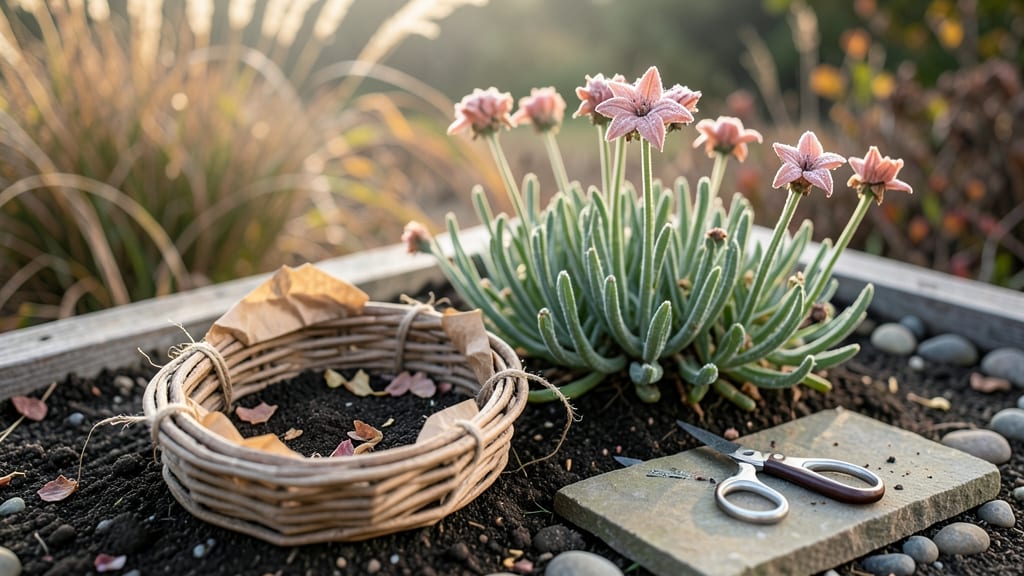
Drying sedum flowers lets you keep their vibrant colors and delicate shapes long after summer fades—perfect for winter arrangements that still feel fresh. 🌿 I’ve dried sedum clusters every fall for years, and the secret lies in harvesting at the right moment: when blooms are fully open but still crisp, usually in late August or early September.
The hardy stems hold their form beautifully, making them ideal for drying without wilting or losing color.
You’ll need just three things: sharp pruning shears, brown paper bags, and a quiet spot with good airflow. The process is simple—cut stems at an angle, strip leaves to reduce moisture loss, then hang upside down in bundles or lay flat between newspaper.
Within 2-3 weeks, the petals will crisp while keeping their original shape, ready for crafting or decorating.
Once dry, sedum flowers stay bright and sturdy for months, perfect for wreaths, potpourri, or framed arrangements. Their papery texture even holds up well in low-light spaces where fresh flowers would fade. Store them in airtight containers with silica gel to keep moisture at bay—your winter decor will thank you.
Pro tip: Avoid direct sunlight during drying, or colors may fade faster. If you’re short on space, air-drying on a screen works just as well. The key is patience—rushing leads to brittle stems. With this method, your dried sedum will look like it was picked yesterday, even in January.
📚 In This Guide
- What you need
- Instructions
- Tips and common mistakes
- Wrapping up and next steps
What you need
- ● Fresh sedum flowers – Harvest at peak bloom (preferably in the morning) for best color retention.
- ● Scissors or pruning shears – Sharp, clean tools to avoid crushing stems.
- ● Newspaper or drying paper – 2-3 sheets per batch (absorbs moisture well).
- ● Twine, rubber bands, or floral wire – For bundling stems (3-5 inches of twine per bunch).
- ● Cardboard or a drying rack – A flat, elevated surface (like a wire rack or cardboard box with holes).
- ● A well-ventilated space – Choose a dry, dark area (50–70°F is ideal).
- ● Silica gel crystals – For faster drying (if you’re in a hurry).
- ● Spray bottle with water – To lightly mist stems if they dry too quickly.
- ● Air-tight containers or kraft paper bags – For long-term storage once fully dried.
- ● Drying flowers with stems – If you want to preserve them as-is, skip cutting (but expect slower drying).
Step-by-step instructions for preserving sedum flowers
Here's how to keep those vibrant blooms looking fresh through winter—no fancy tools needed.
🌿 Step 1: Harvest at Peak Beauty
Pick sedum flowers on a dry morning after the dew has evaporated. Look for clusters where the petals are fully open but haven't started wilting—this is the sweet spot for drying. Use clean, sharp scissors or pruners to cut stems at a 45-degree angle about 6 inches below the flower head. This longer stem gives you more control when arranging later.
Real talk: If you wait until flowers start drooping, they'll dry flat and lose their shape. Harvest when at least 70% of the stems have fully opened blooms. I like to gather them just before a rain shower—clean petals hold color better during drying.
💧 Step 2: Clean and Prepare for Drying
Gently shake off any loose dirt or insects, but don't wash the flowers. Water removes natural oils that help preserve color. Lay a clean towel on your workspace and arrange the stems in a single layer. This prevents moisture buildup between stems that can cause mold.
Here's the thing—sedum stems have a waxy coating that protects them naturally. If you notice any damp spots on the petals, pat them dry with a paper towel immediately. You're aiming for bone-dry stems before drying begins, which takes about 1-2 hours depending on humidity.
☀️ Step 3: Choose Your Drying Method
For best results, I use the hanging method which preserves shape and color. Bundle 5-7 stems together with twine or rubber bands, leaving 3-4 inches of stem exposed. Hang them upside down in a dark, dry place with good airflow—like a closet or shed with a small fan blowing gently. This takes 2-3 weeks until stems snap when bent.
If you're short on space, the air-drying tray method works too. Lay stems flat on a screen or mesh tray in a single layer, with 1 inch between clusters. Keep them out of direct sunlight—UV rays fade color fast. You'll know they're ready when the petals become crisp and stems are completely dry to the touch.
✂️ Step 4: Store and Display
Once completely dry, trim stems to your desired length—3-6 inches works well for arrangements. Store them in a paper bag (not plastic) in a cool, dark place. Paper breathes and prevents moisture buildup that causes mildew. Label with the date—they'll keep beautifully for 6-12 months.
When ready to use, simply arrange the dried stems in vases or bouquets. The natural shape holds perfectly, and the color stays vibrant. I like to mix dried sedum with eucalyptus for a rustic winter look—it's a simple way to extend your garden's beauty through the cold months.
Tips & tricks for perfectly preserved sedum flowers
These little details make all the difference when preserving sedum's natural beauty for months.
Harvest Timing: The 1-2 hour drying period before drying begins is crucial—this is when you want stems completely dry to the touch. If humidity is high, extend this to 2 hours. I've found that harvesting just before rain actually helps, as clean petals hold their color better during drying. Don't skip this step, even if flowers look dry!
Bundling Technique: When using the hanging method, leave exactly 3-4 inches of stem exposed—this gives you enough length for arrangements while preventing the stems from touching surfaces that could introduce moisture. I like to use rubber bands instead of twine because they're less likely to leave marks on the stems.
Storage Wisdom: Paper bags are your best friend for storage—they allow moisture to escape while keeping dust out. Label each bag with the date so you can track freshness. I've kept dried sedum for nearly a year this way, with vibrant color intact. The key is storing them in a cool, dark place where temperature stays consistent.
Color Preservation: To maintain that bright sedum hue, avoid direct sunlight during drying—UV rays fade color fast. If you notice any discoloration starting, move your drying location immediately. A closet with a small fan provides perfect airflow without sunlight exposure.
Pro Tips for Drying Sedum Flowers
- These little details make all the difference when preserving sedum's natural beauty for months.
- Harvest Timing: The 1-2 hour drying period before drying begins is crucial—this is when you want stems completely dry to the touch.
- Bundling Technique: When using the hanging method, leave exactly 3-4 inches of stem exposed—this gives you enough length for arrangements while preventing the stems from touching surfaces that could introduce moisture.
Frequently asked questions
Got questions about drying sedum flowers?
You’re not alone! Here are some of the most common queries—plus straightforward answers to help you preserve those gorgeous blooms like a pro.
How long does it take to dry sedum flowers completely?
Drying time depends on your method, but most sedum flowers take 1–3 weeks to fully dry. Hang-drying (the most popular method) usually takes 2–3 weeks in a cool, dark, and well-ventilated space. If you’re using silica gel or a dehydrator, expect 3–7 days for complete dryness. Test by gently tugging a stem—if it snaps easily, they’re ready!
Can I speed up the drying process?
Yes! To shorten drying time, try these tricks:
- Increase airflow: Use a fan on low speed near your drying flowers.
- Reduce humidity: Place a small packet of silica gel or a dehumidifier nearby.
- Switch methods: Silica gel or a food dehydrator (set to 95–110°F) can cut drying time to 3–5 days.
Will my dried sedum flowers lose their color?
Sedum flowers are known for their vibrant, long-lasting color, but some fading is normal. To preserve hues:
- Choose fully open, dry flowers before harvesting.
- Avoid direct sunlight during drying—opt for indirect light or a dark closet.
- Use hang-drying or silica gel for the best color retention.
What do I do if my sedum flowers mold or smell bad?
Mold or funky odors usually mean too much moisture or poor airflow. Here’s how to fix it:
- Act fast: Remove any moldy stems immediately to prevent spread.
- Boost ventilation: Move your flowers to a drier spot or use a fan.
- Try a fresh batch: If mold is widespread, start over with a new harvest.
Can I dry sedum flowers without hanging them?
If you don’t have space for hanging, try these alternative methods:
- Flat drying: Lay stems on a wire rack or paper towels in a single layer. Flip every few days.
- Silica gel: Bury stems in dried silica beads (like those for crafts) for 3–5 days.
- Dehydrator: Arrange flowers on trays (no touching!) at 95°F for 4–6 hours.
How should I store dried sedum flowers for winter?
Once dry, store your sedum flowers in a cool, dark, and dry place to keep them fresh for months. Use:
- Paper bags or envelopes (breathable, prevents moisture buildup).
- Cardboard boxes with tissue paper (protects from light and dust).
- Avoid plastic—it traps humidity and speeds up decay.
Wrapping up and next steps
Drying sedum flowers is a simple yet rewarding way to bring a touch of nature’s beauty into your winter decor! With the right techniques—like air-drying, silica gel, or even the microwave—you can preserve their vibrant colors and delicate shapes for months.
Whether you’re crafting wreaths, potpourri, or dried arrangements, these flowers will keep your space fresh and festive.
Ready to give it a try? Gather your materials, pick your preferred method, and start experimenting! The best part? Every dried sedum bloom is a little piece of summer you can enjoy all year round. 🌸✨