
Flowers
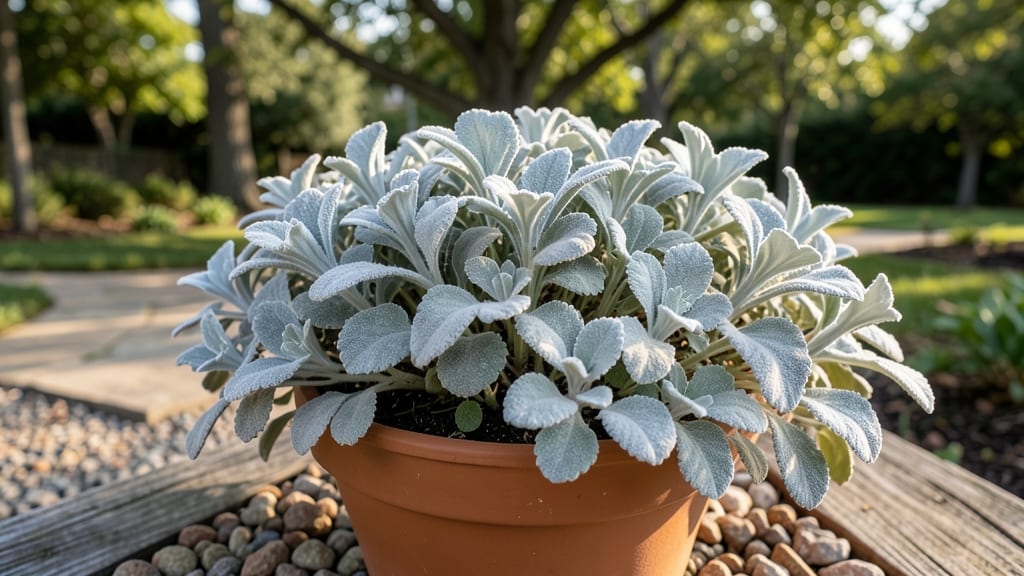
This velvety dusty miller flower brings silver foliage that looks stunning year-round with almost no effort—it thrives where others struggle, surviving droughts, forgetful watering, and even my black thumb.
The secret lies in its love of sun and tolerance for neglect, making it the perfect low-maintenance star for borders or containers.
This hardy perennial handles full sun to partial shade, prefers well-draining soil (even rocky ground), and only needs watering when the soil feels bone-dry. Whether you plant it in the ground or a pot, its fuzzy silver leaves create striking contrast against deep greens or purples.
Pruning just once a year keeps it tidy, and propagation from cuttings is foolproof—just stick a stem in soil, and it roots itself.
By summer, you’ll have a lush, drought-resistant plant that adds texture and movement to your garden with almost no upkeep. The best part? It keeps its silvery charm through winter, making it a year-round workhorse that outshines fussy annuals. Ready to add this effortless beauty to your space?
Works equally well in garden beds, hanging baskets, or as a container specimen—no green thumb required. Let’s get you growing!
📚 In This Guide
- What you need
- Instructions
- Tips and common mistakes
- Wrapping up and next steps
What you need
- ● Dusty Miller Plants: 1–3 nursery-grown plants (e.g., Jacobaea maritima or Senecio cineraria), 4–6 inches tall, with healthy foliage.
- ● OR Dusty Miller seeds (if starting from scratch—germination can be slow!).
- ● Well-Draining Soil: 1–2 bags of cactus/succulent mix or regular potting soil amended with perlite or sand (1 part perlite to 3 parts soil).
- ● Containers or Garden Space: For pots: 6–12-inch diameter containers with drainage holes (1 per plant).
- ● For gardens: Full sun to partial shade spot (6+ hours of sunlight).
- ● Drainage: Small rocks or gravel (½ cup per pot) for the bottom layer.
- ● Watering Can or Hose: With a gentle spray nozzle.
- ● Garden Trowel or Spade (for transplanting).
- ● Pruning Shears (to trim dead leaves or shape plants).
- ● Slow-Release Fertilizer (e.g., 10-10-10, 1 tbsp per plant, 2x/year).
- ● Mulch (gravel or decorative stones to retain moisture and deter weeds).
- ○ Gloves (optional—dusty miller’s fuzzy leaves can be itchy!).
Step-by-step instructions for growing dusty miller flowers
Here's how I grow these silvery, drought-tolerant beauties that thrive with almost no fuss.
🌱 Step 1: Choose the Right Location and Soil
Dusty miller plants adore full sun—at least 6 hours daily—but they tolerate partial shade if your summers are scorching. I place mine where they get morning sun and afternoon shade if needed. The soil should drain well; amending with sand or perlite helps if your native soil is heavy.
These plants hate soggy roots, so raise beds or use containers if your yard stays damp. The ideal soil mix is loose and well-aerated. You'll know it's right when water drains through in 10-15 minutes after watering.
🪴 Step 2: Plant at the Correct Depth and Spacing
Dig holes twice as wide as the root ball but only as deep as the container held the plant. Dusty miller roots are shallow, so don't bury them too deep. Space plants 18-24 inches apart for full, bushy growth. Crowding leads to weak stems and fewer flowers.
Gently remove the plant from its container, loosen the roots if they're circling, and place it in the hole. Fill around the roots with soil, pressing lightly to eliminate air pockets. Water deeply right after planting to help the soil settle.
☀️ Step 3: Water and Fertilize Sparingly
Dusty miller is drought-tolerant once established, so water only when the top 2 inches of soil feel dry. Overwatering causes root rot, and these plants recover poorly. I usually water once a week in summer, less in winter.
Fertilize lightly in spring with a balanced 10-10-10 formula, but skip heavy feeding—too much nitrogen produces lush foliage at the expense of flowers. A handful of compost in the planting hole is all you need for most seasons.
✂️ Step 4: Prune for Shape and Encourage Blooms
Pinch back tips of young plants in early spring to encourage bushier growth. Cut back leggy stems by one-third after flowering to promote new growth. Always use clean, sharp pruners to avoid tearing the leaves.
Deadhead spent blooms regularly, but don't trim too late in the season—you want to preserve the silvery foliage for winter interest. Prune back to half the plant's height in late fall to keep it tidy and prevent winter damage.
Tips & tricks for perfect dusty miller flowers
These simple strategies will help your silvery foliage thrive with almost no effort—once you know the right moves.
Sunlight Secret: While dusty miller loves that full sun, I've found the best spot is where it gets morning sun and afternoon shade during peak summer months. This prevents leaf scorch while still giving it enough light to maintain that signature silvery hue. In hotter climates, even partial shade works fine—just watch for leggy growth if it's too shady.
Soil Test Trick: Before planting, do this quick test: Scoop up a handful of your native soil and squeeze it tightly. If it holds its shape for more than 10-15 minutes after watering, it's too heavy. Amend with coarse sand or perlite to improve drainage—this is non-negotiable for dusty miller. I've seen plants drown in just a few days if the soil doesn't drain properly.
Planting Depth Caution: That "only as deep as the container" rule in Step 2 is critical. Dusty miller roots are shallow and sensitive to being buried too deep. I've made the mistake of planting too deeply, which led to weak stems and poor growth. Use your finger to judge—just cover the roots, no more. The top of the root ball should sit just above soil level.
Watering Wisdom: The "top 2 inches dry" guideline is perfect, but here's how I check: Stick your finger about 2 inches deep into the soil. If it feels dry to the touch, it's time to water. I water in the morning so any excess moisture has time to evaporate before nightfall. This drought-tolerant plant will actually tell you when it's thirsty by wilting slightly—just give it a drink and it'll perk right up.
Pro Tips for Dusty Miller Flower
- These simple strategies will help your silvery foliage thrive with almost no effort—once you know the right moves.
- Sunlight Secret: While dusty miller loves that full sun, I've found the best spot is where it gets morning sun and afternoon shade during peak summer months.
- Soil Test Trick: Before planting, do this quick test: Scoop up a handful of your native soil and squeeze it tightly.
Frequently asked questions
How often should I water Dusty Miller?
Dusty Miller is drought-tolerant once established, so water only when the top inch of soil feels dry. Overwatering is the #1 killer—stick to every 1-2 weeks in summer and even less in winter. Pro tip: Mulch around the base to retain moisture and discourage weeds!
Can I grow Dusty Miller year-round, or is it seasonal?
This silvery beauty thrives in USDA Zones 5-9 and can stay evergreen in mild winters, but it’s tender perennially in colder zones. Treat it as an annual if frost hits below 20°F. For year-round color, grow in containers and move indoors ( bright light, 50% humidity) or overwinter in a greenhouse.
What’s the best way to revive a leggy or sparse Dusty Miller?
If your plant looks woody or bare at the base, it’s time for a hard prune! Cut back 1/3 of the stems in early spring to encourage bushier growth. For severe cases, propagate cuttings in water or soil—rooting is easy! Bonus: Pruned stems make great filler for bouquets.
Are there non-silver Dusty Miller varieties?
While Jacobaea maritima (classic Dusty Miller) is silver-gray, you’ll find variegated or deep green cultivars like ‘Cilicia’ or ‘Silver Spray’. For a bold contrast, pair with purple or burgundy flowers—like salvia or heuchera—to make the foliage pop!
Why are my Dusty Miller leaves turning yellow or brown?
Yellowing? Overwatering or root rot are likely culprits. Brown edges? Underwatering or low humidity (common in hot climates). Check for pests (like spider mites) on the undersides of leaves. Fix it: Adjust watering, improve drainage, and spray leaves with water to boost humidity.
Wrapping up and next steps
Ready to transform your garden with the low-maintenance elegance of the dusty miller flower? 🌿 Whether you’re a seasoned gardener or just starting out, this silvery beauty proves that stunning foliage doesn’t require constant effort.
Start small—plant a few in containers or along your garden beds—and watch how they add texture and charm with almost no fuss.
Now that you’re armed with pro tips and answers to common questions, why not take the next step? Share your dusty miller journey on social media with #DustyMillerMagic or experiment with pairing it alongside other drought-tolerant plants. Happy gardening—your future garden will thank you! 🌸