
Shrubs
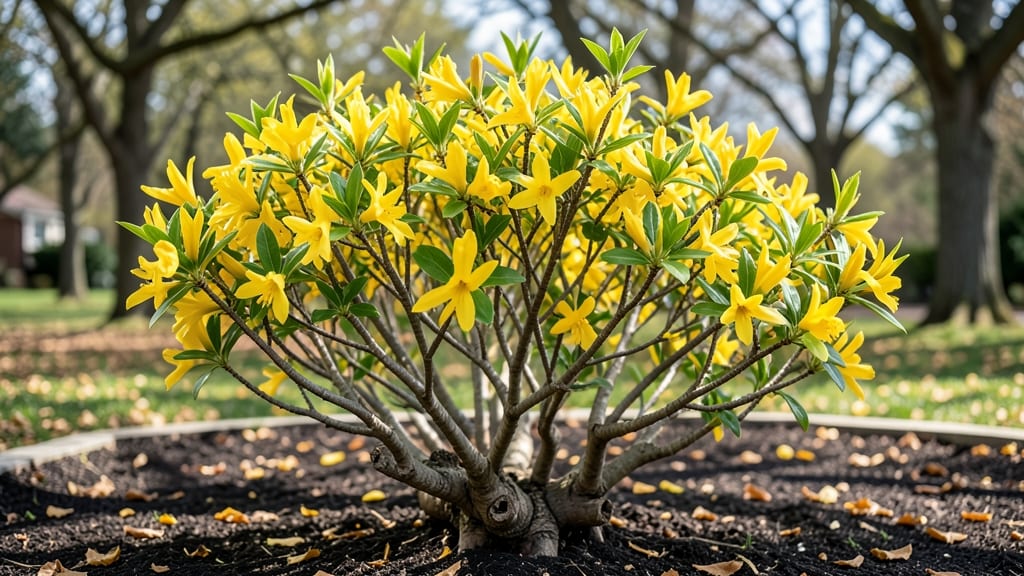
Nothing beats the burst of color when early flowering shrubs punch through frost-kissed soil. 🌸 These plants are the unsung heroes of spring, bringing vibrant blooms long before summer arrives—especially in cool climates where growing seasons feel short.
My first year planting forsythia taught me just how transformative they can be: their golden yellow flowers turned a dull corner into a cheerful beacon by March.
Most thrive in partial sun, though some like mahonia handle shade better. The key is well-draining soil—amend heavy clay with compost—and planting in late summer or early fall so roots establish before winter.
Prune right after blooming to encourage next year’s flowers, and avoid cutting back too late in the season. These shrubs reward patience with weeks of color when others are still bare.
Imagine quince’s fragrant white blossoms in April or mahonia’s holly-like leaves with blue berries—both bloom when snow still lingers. With proper care, you’ll get earlier and more abundant flowers than store-bought plants, plus fewer pests.
The secret? Consistent moisture in dry spells and a light feeding in early spring. Your yard will feel like a springtime sanctuary before anyone else’s.
Regional tweaks matter: Northern gardeners plant in late summer, while Southern zones can start in fall. For cool climates, mulch heavily to protect roots from freeze-thaw cycles. These shrubs aren’t just pretty—they’re the backbone of early-season interest. Let’s get yours blooming ahead of schedule!
📚 In This Guide
- What you need
- Instructions
- Tips and common mistakes
- Wrapping up and next steps
What you need
- ● Early flowering shrubs: 3–5 plants (e.g., Forsythia, Pieris japonica, Hamamelis, or Viburnum bodnantense)
- ● Choose cold-hardy varieties rated for your USDA zone (e.g., Zones 3–7 for most early bloomers).
- ● Soil amendments: 5–10 lbs of compost or well-rotted manure per plant
- ● 2–3 lbs of peat moss or coconut coir (for drainage in heavy clay soils)
- ● Fertilizer: Balanced 10-10-10 granular fertilizer (½ cup per plant) or slow-release organic option like fish emulsion.
- ● Mulch: 2–3 inches of pine bark nuggets or shredded leaves (to retain moisture and regulate soil temp).
- ● Hand trowel or garden spade (for digging holes)
- ● Pruning shears (sterilized with rubbing alcohol)
- ● Garden hose with spray nozzle or watering can
- ● Measuring tape (to ensure proper spacing)
- ● Gloves (heavy-duty for digging, lightweight for handling plants)
- ● Sunlight: Full sun to partial shade (6+ hours of sunlight for most varieties).
- ● Soil pH: Slightly acidic to neutral (6.0–7.0). Test your soil with a pH test kit if unsure.
- ● Planting time: Early spring (before buds swell) or fall (4–6 weeks before first frost).
- ● Spacing: 3–6 feet apart (check plant tags for specifics).
- ● Avoid planting too close to structures or other shrubs to prevent competition.
- ● Epsom salt (1 tbsp per plant) for magnesium boost in clay soils.
- ● Slow-release fertilizer spikes for convenience.
- ● Soil moisture meter to track hydration in dry climates.
- ● Plant tags or labels to track varieties and care notes.
Step-by-Step guide for planting and caring for early flowering shrubs
Cool-season bloomers need the right timing and prep to shine early.
🌱 Step 1: Choose and Prepare Planting Sites
Select shrubs suited to your USDA hardiness zone—look for varieties like weigela, rhododendron, or pieris that tolerate your region's lowest winter temperatures. These thrive in partial shade to full sun, but avoid harsh afternoon sun in hotter zones. Test soil moisture by digging a 6-inch hole—if it stays damp for 24 hours, your site drains well.
Amend heavy clay soil with 2-3 inches of compost mixed into the top 12 inches of native soil. For sandy soil, incorporate 1 inch of organic matter like leaf mold. The goal is to create a well-draining, slightly acidic (pH 5.0-6.0) environment—most spring bloomers wilt in alkaline or compacted soil. I always spread a 3-inch layer of mulch (like shredded bark) around the base after planting to retain moisture and regulate soil temperature.
🪴 Step 2: Plant at the Right Time and Depth
Plant bare-root shrubs in early spring (4-6 weeks before last frost) or container-grown plants in fall—both avoid summer heat stress. Dig a hole twice as wide as the root ball but no deeper. The top of the root ball should sit 1 inch above ground level—burying too deep suffocates stems and invites rot.
Loosen roots gently if pot-bound, then place the shrub in the hole and backfill with native soil mixed with 1 cup of compost. Press firmly around the edges to eliminate air pockets, but avoid compacting the soil. Water deeply (1 gallon per plant) to settle the root zone. You'll know it's right when water drains freely after 30 minutes—no standing pools.
☀️ Step 3: Water and Fertilize for Early Bloom
Water once weekly for the first 6-8 weeks after planting, providing 1-2 gallons per shrub depending on size. Let the top 2 inches of soil dry between waterings—overwatering in cool weather leads to root rot. I use a soaker hose to deliver moisture slowly at the base, avoiding wetting leaves (which promotes fungal diseases).
Apply a slow-release fertilizer (like 10-10-10) in early spring before buds form, following label rates. For acid-loving shrubs (like azaleas), use an iron supplement if new growth appears yellow. Avoid high-nitrogen fertilizers—they encourage leafy growth at the expense of flowers. Instead, focus on balanced nutrition to support both foliage and blooms.
✂️ Step 4: Prune Strategically After Flowering
Prune immediately after blooms fade (late spring) to shape shrubs and encourage next year's flowers. Remove dead, crossing, or weak branches first, cutting back to the nearest outward-facing bud. For weigela, I trim one-third of the oldest stems to the ground—this rejuvenates growth and prevents overcrowding.
Never prune in fall or winter—you risk removing next year's flower buds. After pruning, apply a 2-inch layer of mulch around the base (keeping it 3 inches away from stems) to protect roots from winter temperature swings. This also suppresses weeds and retains soil moisture during dry spells.
Tips & tricks for perfect early flowering shrubs
A few strategic moves can make all the difference between shrubs that merely survive and ones that thrive with vibrant spring blooms.
Soil Test Timing: The 24-hour soil moisture test in Step 1 is your best indicator of drainage. If your soil stays soggy beyond this window, you're dealing with poor drainage—amend with more organic matter or consider raised beds. For clay-heavy soils, mix in 2-3 inches of compost deeper than the top 12 inches to improve drainage throughout the root zone. This prevents waterlogging that can suffocate roots during cool-season growth.
Planting Depth Check: That 1-inch above-ground rule in Step 2 isn't just about aesthetics—it's critical for root health. Burying too deep creates anaerobic conditions that invite rot, while planting too shallow exposes roots to temperature extremes. I always use a level to verify depth, especially with container-grown plants where root balls can be misleadingly compacted.
Watering Strategy: The once-weekly guideline in Step 3 assumes average spring rainfall—adjust based on your climate. In dry regions, water every 5-6 days instead, and always check that top 2 inches of soil before watering. A soaker hose isn't just about efficiency; it delivers water directly to roots while keeping foliage dry, which is especially important for disease-prone varieties like pieris.
Pruning Precision: When trimming weigela's oldest stems in Step 4, cut back to just above a leaf bud that faces outward. This encourages bushier growth and prevents the plant from becoming leggy. I find that using clean, sharp pruners reduces tearing, and sterilizing them with rubbing alcohol between cuts prevents spreading diseases from old growth.
Pro Tips for Early Flowering Shrubs
- A few strategic moves can make all the difference between shrubs that merely survive and ones that thrive with vibrant spring blooms.
- Soil Test Timing: The 24-hour soil moisture test in Step 1 is your best indicator of drainage.
- Planting Depth Check: That 1-inch above-ground rule in Step 2 isn't just about aesthetics—it's critical for root health.
Frequently asked questions
Got questions about early flowering shrubs? You’re not alone!
Here are some of the most common concerns—plus quick, practical answers to help you pick, plant, and enjoy these cool-climate beauties with confidence.
What are the best early flowering shrubs for Zone 5 or colder climates?
Top picks for chilly regions include Weigela, Forsythia, Viburnum, and Azalea. These thrive in cooler temps (down to -20°F or lower) and burst into color as soon as spring arrives. Pieris japonica (Andromeda) is another standout for its early blooms and evergreen foliage.
When is the best time to plant early flowering shrubs?
Plant in early spring (as soon as the ground is workable) or fall (4–6 weeks before frost). Avoid extreme heat or cold—roots need time to establish before winter. Pro tip: Water deeply after planting and mulch to retain moisture!
How do I encourage more blooms on my early flowering shrub?
Most early bloomers (like Forsythia) flower on old wood, so avoid pruning until after they bloom. For shrubs like Weigela, light pruning in late winter/early spring promotes bushier growth. Feed with acid-loving fertilizer (for azaleas/rhododendrons) or balanced 10-10-10 for others in early spring.
Are early flowering shrubs prone to pests or diseases?
Common issues include aphids, spider mites, and powdery mildew (especially in humid climates). Prevent pests with neem oil or insecticidal soap. Improve airflow by spacing plants properly, and water at the base (not overhead) to reduce mildew. Watch for leaf spots—remove affected leaves promptly!
Can I grow early flowering shrubs in containers?
Dwarf varieties like Dwarf Forsythia or Compact Weigela thrive in pots (15+ gallons for mature size). Use well-draining soil and a container with drainage holes. Move containers to a sheltered spot in winter if temps drop below 10°F. Note: Container-grown shrubs may need more frequent watering and fertilizer.
Do early flowering shrubs need winter protection?
Most are hardy, but young plants or tender varieties (like Camellia sasanqua) benefit from a 3–4 inch mulch layer around the base. Wrap containers in burlap or use frost blankets for extreme cold snaps. Pro tip: Avoid heavy snow buildup—gently brush it off to prevent branch damage.
Wrapping up and next steps
Early flowering shrubs are the perfect way to bring vibrant color and life to your garden before spring even settles in! Whether you’re in a chilly climate or just eager for a burst of blooms, these hardy plants prove that beauty thrives with the right choices.
From azaleas to winter jasmine, your garden’s springtime potential is just a few weeks (and a little planning) away.
Ready to transform your outdoor space? Start small: Pick one or two shrubs that match your climate and style, then watch your garden bloom with confidence! 🌸