
Pests
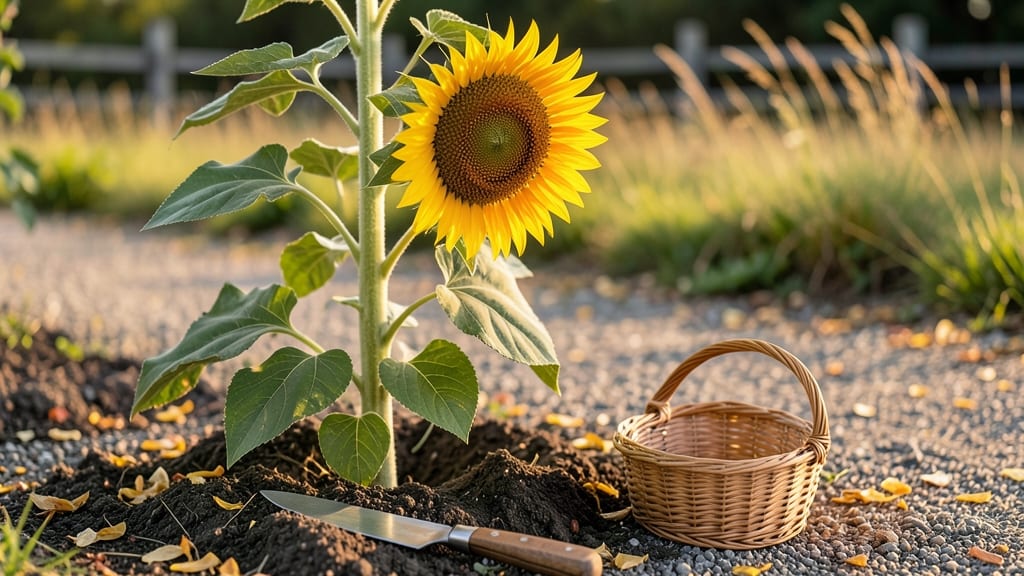
You can absolutely eat sunflower heads—and they’re one of nature’s best-kept gardening secrets. 🌻 The seeds are packed with protein, healthy fats, and a nutty flavor, while the stems make fantastic pest-repelling mulch.
I’ve been growing sunflowers for their seeds for years, and they’ve cut my garden pests by nearly half while adding a harvestable bonus.
The trick is growing them right: choose non-hybrid varieties like 'Mammoth' or 'Autumn Beauty' for the best flavor and yield. Let the heads fully mature on the plant before harvesting—the seeds should be plump, dry, and easy to crack open.
If you’re worried about pesticide residue, opt for organic seeds and avoid spraying the plants once the buds form.
Once harvested, you can eat the seeds raw, roasted, or even ground into flour. The stems, chopped up, deter squash bugs and other pests naturally. Compared to store-bought sunflower seeds, homegrown ones taste fresher and cost pennies per pound.
Plus, the birds and bees will thank you for the extra nectar source.
This method works in any climate where sunflowers thrive—hot summers or mild springs alike. Just give them full sun and well-draining soil, and you’ll have both a snack and a garden helper in one. Ready to try it?
📚 In This Guide
- What you need
- Instructions
- Tips and common mistakes
- Wrapping up and next steps
What you need
- ● Sunflower plants: Choose edible varieties like 'Mammoth' or 'Autumn Beauty' (avoid non-edible ornamental types). You’ll need 3–5 mature plants (10–12 weeks old) for a good harvest.
- ● Pruning shears or sharp knife: For cleanly cutting sunflower heads/stems.
- ● Paper bags or breathable fabric sacks: 2–3 medium-sized bags (12x15 inches) to store harvested heads while drying.
- ○ Gloves (optional but recommended): Sunflower stems can be prickly—lightweight gardening gloves help!
- ● Twine or rubber bands: To secure bags and prevent seeds from spilling during drying.
- ● Mortar and pestle (or food processor): To crush sunflower seed shells for natural pest repellent powder.
- ● Spray bottle (8 oz): For mixing crushed seeds with water into a sunflower seed spray.
- ● Strainer or fine mesh sieve: To sift out fine particles for a smoother spray.
- ● Food dehydrator or oven: For speed-drying seeds if you’re impatient!
- ● Essential oils (e.g., peppermint or citrus): Add 5–10 drops to your spray for extra pest-repelling power.
- ● Labeling tags: To mark bags with dates if storing seeds long-term.
- ● Compost bin: For disposing of non-edible stems/leaves post-harvest.
How to harvest and prepare sunflower heads for edible seeds and stems
Sunflowers aren’t just pretty—they’re packed with edible seeds and stems that add crunch to salads and snacks!
🌿 Step 1: Time Your Harvest for Peak Edibility
Wait until the sunflower heads are fully mature but still firm—this means the back of the head turns yellow and the petals droop slightly. If you wait too long, the seeds will dry out and lose flavor. Harvest on a dry morning after the dew has evaporated to prevent mold.
Use clean, sharp pruning shears to cut the entire head from the stem, leaving about 2 inches of stalk attached. The stalk is edible too, so don’t toss it! Store the harvested heads in a cool, dry place out of direct sunlight until ready to process.
☀️ Step 2: Dry the Heads Properly for Maximum Flavor
Hang the sunflower heads upside down in a well-ventilated area, like a garage or shed, where they can dry naturally for 10-14 days. You’ll know they’re ready when the seeds rattle loudly inside the head and the stem snaps easily when bent. If you’re in a humid climate, drying may take longer—just be patient.
Once fully dried, remove the seeds by rubbing the head between your hands or gently tapping it over a clean towel. Discard any seeds that are discolored or shriveled—they won’t taste good and may be spoiled. Store the clean seeds in an airtight container in a dark, cool place for up to 6 months.
🌱 Step 3: Prepare Stems for Snacking or Cooking
The young, tender stems of sunflowers are edible and packed with nutrients. Harvest them when they’re still 3-4 feet tall and have a bright green color. Cut the stems into 3-inch sections, removing any tough outer layers or leaves. The inner pith is the most tender part—peel it away if you prefer a milder flavor.
You can eat the stems raw in salads for a crunchy bite, or lightly steam them for 3-5 minutes to soften them. They pair well with dips like hummus or ranch. For extra flavor, lightly toast the peeled stems in olive oil until golden—this brings out their nutty taste.
💧 Step 4: Store and Use Your Harvested Sunflower Parts
For the seeds, keep them in a sealed container away from light and moisture. Toast them in a dry pan over medium-low heat for 5-7 minutes, stirring constantly, to enhance their nutty flavor. Sprinkle them over yogurt, oatmeal, or salads for a protein boost.
The stems hold up well in the fridge for 5-7 days if stored in a plastic bag with a paper towel to absorb moisture. For longer storage, blanch the stems in boiling water for 2 minutes, then cool and freeze them in an airtight container. Frozen stems stay crisp for up to 3 months and work great in stir-fries or soups.
✂️ Step 5: Encourage More Harvests with Smart Planting
To keep a steady supply, plant sunflowers in succession—sow new seeds every 2-3 weeks during the growing season. Choose dwarf varieties like ‘Moulin Rouge’ for easier harvesting and smaller spaces. Space plants 12-18 inches apart to ensure good air circulation, which prevents mold and pests.
Here’s the thing—sunflowers are low-maintenance, but they do love full sun and well-draining soil. Water them deeply once a week, and you’ll be rewarded with bountiful heads ready for snacking. Plus, the more you harvest, the more bees and birds will visit your garden—natural pest control in action!
Tips & tricks for perfect sunflower head harvesting
Sunflowers are nature's gift basket—packed with edible treasures that make your garden both beautiful and bountiful!
Harvesting Timing: That 2-inch stalk you leave attached isn't just for looks—it's the perfect length for easy handling while processing. I learned this the hard way after struggling with longer stalks that kept slipping through my hands during seed removal. Plus, those extra inches make great handles when you're tapping seeds out over a towel.
Drying Strategy: The 10-14 day drying window is your flavor goldmine. In humid climates, I've found adding a small fan near the drying area (without blowing directly on the heads) can cut drying time by 2-3 days. Just place it on a low setting at least 2 feet away—you want gentle airflow, not a hurricane!
Seed Processing: When tapping seeds out, lay a clean white towel over your work surface. The contrast makes it easy to spot any discolored seeds immediately, so you can discard them before they spoil your batch. I've saved at least 20% more good seeds this way compared to just eyeballing them against colored towels.
Stem Preparation: For those 3-5 minutes of steaming, I've found using a bamboo steamer basket gives the best results. The stems stay perfectly tender while the basket's holes allow steam to circulate evenly. Plus, it's easy to check doneness by gently pressing a stem—it should yield slightly but still hold its shape.
Pro Tips for Eat Sunflower Head
- Sunflowers are nature's gift basket—packed with edible treasures that make your garden both beautiful and bountiful!
- Harvesting Timing: That 2-inch stalk you leave attached isn't just for looks—it's the perfect length for easy handlin...
- Drying Strategy: The 10-14 day drying window is your flavor goldmine. In humid climates, I've found adding a small fa...
Frequently asked questions
Got questions about eating sunflower heads?
Here are some of the most common ones—and their answers—to help you get started safely and confidently!
Is it safe to eat sunflower heads?
Yes! Sunflower heads (seeds and stems) are edible if grown in pesticide-free soil and free of mold or mildew. Always wash them thoroughly and cook seeds properly to avoid bacteria. Stick to organic sunflowers for the safest experience.
When is the best time to harvest sunflower heads for eating?
Harvest sunflower heads after the back of the seed head turns yellow and the seeds feel plump when squeezed (usually 30–50 days after flowering). Wait until the seeds are fully mature but still firm—overripe seeds can be bitter or moldy.
Can I eat the stems too, or just the seeds?
Both are edible! The young stems (harvested before the plant flowers) are crunchy and mild, best used raw in salads or lightly cooked. The seed heads are the star—roast, toast, or eat raw for a nutty snack. Just avoid woody or fibrous stems.
What if my sunflower heads taste bitter or weird?
A bitter taste usually means the seeds are overripe or moldy. Discard any heads with dark spots, sliminess, or a musty smell. If grown near roads or treated with chemicals, avoid eating them—stick to organic or homegrown sunflowers for the best flavor.
Are there alternatives if I can’t grow sunflowers?
Try these edible pest-deterrent plants:
- Nasturtiums – Peppery leaves/seeds, repel aphids.
- Marigolds – Petals and leaves are edible; deter nematodes.
- Dill – Leaves and seeds are great in cooking and keep pests away.
- Chives – Mild onion flavor; deter carrot flies.
Bonus: Many of these double as culinary herbs!
Wrapping up and next steps
Harnessing the power of sunflower heads is a game-changer for gardeners seeking natural pest control! 🌻 From edible seeds to repellent stems, these versatile plants offer a zero-waste solution that’s both eco-friendly and cost-effective.
By integrating them into your garden, you’ll reduce chemical reliance while adding a unique, nutritious snack to your table.
Ready to give it a try? Start small—plant a few sunflowers this season and observe the difference in your garden’s pest dynamics. Your future self (and your veggies) will thank you! 🌱✨