
Flowers
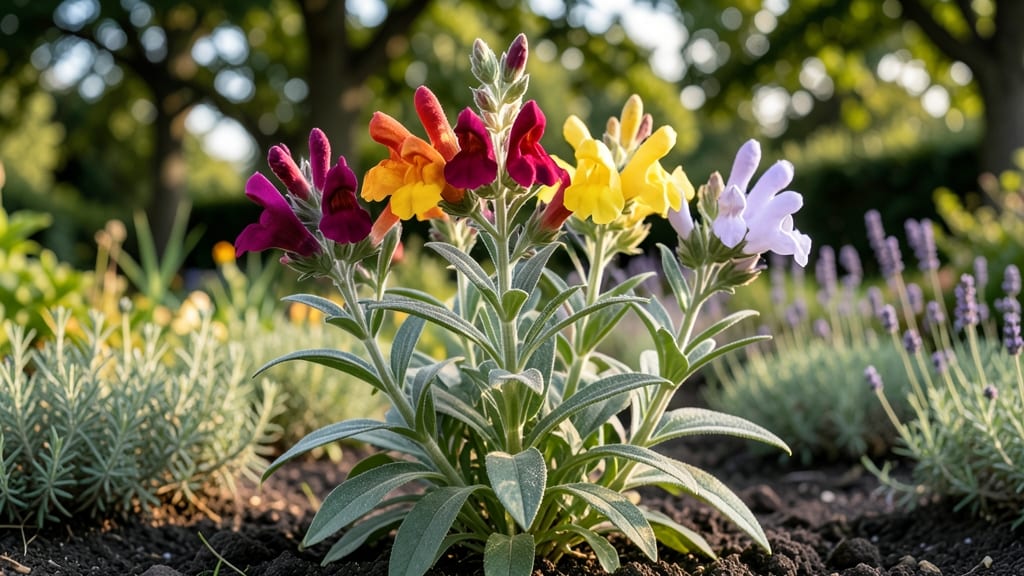
The snapdragon flower color doesn’t just bloom—it transforms your garden into a shifting canvas of crisp whites to fiery reds, shifting with the light like a living watercolor. 🌸 I’ve always loved how their hues dance from morning’s soft glow to evening’s golden hour.
The variety is staggering: blush pinks that whisper, deep purples that command attention, even bi-colors that look like tiny fireworks in the border.
What makes snapdragons a designer’s dream is their versatility. Plant cool whites and soft lavenders together for a dreamy cottage garden, or mix fiery reds with sunny yellows for a bold, pollinator-friendly statement.
They bloom from early summer until frost, giving you months of color without the fuss of annual replacements. The key? Grouping them by height and color intensity—tall spikes in back, jewel tones up front.
Imagine your garden in July: snapdragons swaying like a rainbow flag, their colors deepening as the season progresses. The textural contrast of their spiky blooms against rounded foliage adds depth, while their fragrance (especially in the evening) draws in bees and butterflies.
They thrive in full sun but tolerate partial shade, making them perfect for borders, containers, or even cutting gardens.
Start with a mix of colors—try the classic ‘Antique’ series for heirloom charm or modern ‘Matrix’ for uniform spikes. The secret to their long-lasting hues? Deadheading spent blooms and keeping the soil consistently moist. Your garden will thank you with season-long drama that no other annual delivers.
📚 In This Guide
- What you need
- Instructions
- Tips and common mistakes
- Wrapping up and next steps
What you need
- ● Snapdragon seeds or seedlings: Choose from varieties like Antirrhinum majus, offering colors from cool whites to deep reds. Buy 10–20 seeds or 3–5 seedlings per color for a full display.
- ● Well-draining potting mix: 1–2 bags (10–15 quarts each) of high-quality, organic soil blend (e.g., Miracle-Gro or FoxFarm).
- ● Containers or garden beds: For containers: 5–10-inch pots (1–2 per plant) with drainage holes.
- ● For gardens: Full sun (6+ hours/day) with loose, fertile soil (pH 6.0–7.0).
- ● Fertilizer: Balanced, water-soluble fertilizer (e.g., 10-10-10 NPK) or slow-release granules.
- ● Garden tools: Trowel, pruners, and gloves for planting/pruning.
- ● Watering can or hose: With a gentle spray nozzle to avoid damaging stems.
- ● Mulch: Organic mulch (e.g., straw or shredded bark) to retain moisture.
- ○ Stakes or cages: Optional for tall varieties (e.g., ‘Rocket’ series) to prevent flopping.
- ● Color chart: Print or bookmark a snapdragon color guide to plan your palette!
How to select and maintain snapdragon colors for vibrant season-long blooms
Here's how to choose and care for snapdragons to keep their stunning colors bright all season long.
🌿 Step 1: Choose the Right Color Varieties for Your Climate
Snapdragons thrive in cool weather and come in 100+ colors, from crisp whites to deep velvety reds. For spring and fall plantings, opt for series like 'Matrix' or 'Rocket'—these tolerate temperature swings better than heat-sensitive varieties. If your summers stay mild, you can even extend blooms into early summer with pink or lavender types, which handle slightly warmer days.
Here's the thing—color intensity fades in extreme heat. If you live in a hot region, focus on cool-toned snapdragons (blues, purples, whites). They'll stay vibrant longer than fiery reds or oranges, which often bleach out under 85°F+ temperatures. Check seed packets for heat tolerance ratings—some modern hybrids are bred to last.
☀️ Step 2: Position for Optimal Light and Color Retention
Snapdragons need full sun (6+ hours daily) to maintain their deepest hues. Without enough light, colors dull to pastels or even revert to greenish stems. Place them where they get morning sun and afternoon shade in hot climates—this prevents color fading while avoiding leaf scorch.
Watch for color shifts—if your red snapdragons start looking more pink, they're not getting enough sun. A simple fix: move them closer to a south-facing window or supplement with a grow light for 4-6 hours daily during cloudy stretches. The payoff? Brighter blooms that last weeks longer than neglected plants.
💧 Step 3: Water Strategically to Preserve Color Vibrancy
Overwatering causes color bleaching and weak stems, while underwatering makes flowers dull and brittle. Aim for consistent moisture—water when the top inch of soil feels dry. Snapdragons hate soggy roots, which lead to gray mold and color loss. Use a moisture meter or stick your finger in the soil to check.
Here’s the trick for longer-lasting colors: water early in the morning. This gives flowers time to absorb moisture before the heat sets in, preventing premature wilting and color fading. If you see drooping blooms by midday, increase water slightly—but never let them sit in standing water. Drainage is key.
✂️ Step 4: Deadhead and Prune for Continuous Color
Regular deadheading extends the blooming season by 4-6 weeks. Snapdragons produce vertical flower spikes, so pinch off spent blooms just above the third set of leaves from the bottom. This redirects energy to new buds, keeping your plants bursting with color instead of going dormant.
Don’t skip this step—I’ve seen snapdragons stop blooming entirely within weeks if left unpruned. For longer stems, cut back one-third of the plant after the first flush of flowers. This encourages secondary blooms and keeps the plant compact and colorful rather than leggy and sparse.
⏰ Step 5: Adjust Care for Seasonal Color Changes
Snapdragons change color slightly as seasons shift. In cool spring mornings, blooms may appear deeper and more saturated, while summer heat often lightens them. To combat this, feed with a balanced 10-10-10 fertilizer every 2-3 weeks during active growth. This boosts chlorophyll production, helping flowers retain their vibrancy.
As temperatures drop in fall, snapdragons rebloom with renewed intensity. If frost threatens, cut back plants by half and mulch heavily. Many varieties self-seed, so you’ll often see new color pops the following spring without replanting. This is the moment that matters: a garden that keeps giving year after year.
Tips & tricks for perfect snapdragon color vibrancy
Between us, these small but mighty details make all the difference in keeping your snapdragons looking their absolute best.
Variety Selection Matters: When choosing seed packets, pay special attention to the color stability ratings listed on the back. The 'Matrix' series maintains its vibrant hues exceptionally well across seasons, while 'Rocket' varieties show remarkable heat tolerance up to 85°F. For maximum color retention, opt for bi-color varieties—they often have deeper, more saturated tones than single-color blooms. I've noticed that lavender and deep purple snapdragons hold their color better in heat than bright reds or oranges.
Lighting Strategy for Color: The 6+ hours of full sun mentioned in Step 2 isn't just about growth—it's about color intensity. For the deepest hues, position your plants where they receive direct morning sunlight (which is most intense) and dappled shade in afternoons. If you're growing indoors near a window, rotate plants every 2-3 days to prevent color fading on one side. I've seen snapdragons near west-facing windows develop uneven coloration—the side facing the window would stay vibrant while the other side paled noticeably.
Watering Technique for Vibrancy: The early morning watering tip in Step 3 is golden, but here's what nobody tells you—water droplets on petals can cause color spotting. Always water at the base of the plant using a gentle spray nozzle or soaker hose. For container-grown snapdragons, let them sit in a tray of water for 10-15 minutes instead of watering from above. This prevents the color bleaching that occurs when water sits on petals during hot afternoons.
Fertilizer Timing for Season-Long Color: When applying that 10-10-10 fertilizer every 2-3 weeks during active growth, split the dose into two applications—half in early morning and half in early evening. This prevents fertilizer burn that can cause color mottling. I've found that fish emulsion fertilizer (which is higher in nitrogen) actually helps maintain brighter reds and pinks during summer months when natural color intensity tends to fade.
Pro Tips for Snapdragon Flower Color
- Between us, these small but mighty details make all the difference in keeping your snapdragons looking their absolute best.
- Variety Selection Matters: When choosing seed packets, pay special attention to the color stability ratings listed on the back.
- Lighting Strategy for Color: The 6+ hours of full sun mentioned in Step 2 isn't just about growth—it's about color intensity.
Frequently asked questions
Why aren’t my snapdragons changing color like they should?
Snapdragon colors are genetically determined, but environmental factors like light exposure (too little sunlight can dull hues) or nutrient deficiencies (yellowing leaves may signal poor iron/manganese) can affect vibrancy. Ensure they get 6+ hours of sun and balanced fertilizer. If colors fade, prune leggy stems to encourage fresh growth.
Can I mix snapdragon colors in one garden bed for a rainbow effect?
Snapdragons thrive in mixed-color plantings—just space varieties 12–18 inches apart to prevent overcrowding. Choose complementary shades (e.g., deep reds with soft whites) for a cohesive look. Pro tip: Tallest varieties (like ‘Black Knight’) should go in the back, with shorter ones (e.g., ‘Cupcake’ series) in front.
How long do snapdragon blooms last, and why do they wilt so fast?
Individual snapdragon blooms last 5–7 days, but the plant produces flowers season-long (spring to frost). Wilting often happens due to overwatering (roots need drainage) or heat stress (mulch helps). Deadhead spent blooms to encourage new ones—just pinch off flowers before they seed.
Are there snapdragon colors that attract more pollinators?
Yes! Bright reds, oranges, and purples (like ‘Fireworks’ or ‘Hot Shot’ series) are bee and butterfly magnets. Whites (e.g., ‘Alaska’ series) attract night-flying moths. For maximum pollinator action, plant near herbs like lavender or basil—they create a dynamic ecosystem!
What’s the easiest way to grow snapdragons in pots?
Use well-draining containers (10+ inches deep) with potting mix amended with perlite. Plant seeds ¼-inch deep, 12 inches apart, and keep soil moist (not soggy). For pots, dwarf varieties like ‘Tombstone’ or ‘Matrix’ work best. Move pots to partial shade if temps exceed 85°F to preserve vibrant colors.
Wrapping up and next steps
Snapdragon flowers are a vibrant canvas of color, offering everything from cool whites and soft pinks to bold purples and fiery reds—each hue bringing its own charm to your garden.
Whether you’re drawn to classic varieties or rare shades, understanding their seasonal blooms and care needs ensures a stunning, long-lasting display. 🌸
Now that you’re inspired, why not pick your favorite snapdragon color and bring it to life? Start by selecting healthy plants, planning your garden layout, and enjoying the process—your future floral masterpiece awaits!