
Pests
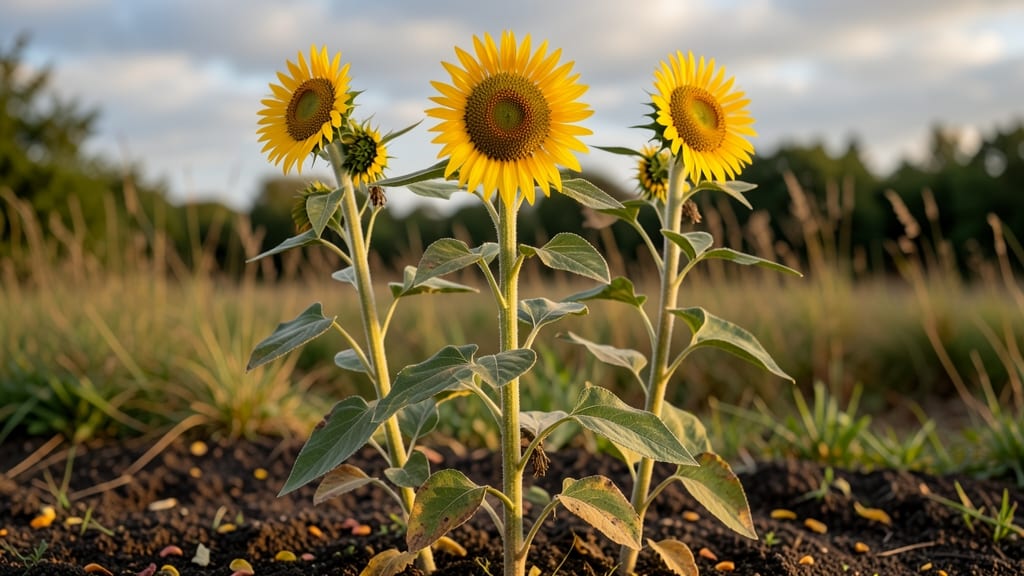
The false sunflower (Heliopsis helianthoides) is the low-maintenance superstar of native perennials—tough as nails, drought-tolerant, and packed with golden-yellow blooms that last from summer through fall.
I’ve grown mine for years, and the only time I’ve ever pruned it was to trim back dead stems in early spring, which took less than five minutes. Most of the work? Just letting it be.
This plant thrives in poor soil, resists deer, and attracts pollinators like a magnet, making it a no-fuss addition to any garden.
What makes this perennial so easy is its adaptability—it handles full sun to partial shade, tolerates dry spells once established, and even rebounds after frost damage. You’ll need well-draining soil (even rocky or sandy works), and that’s about it.
Plant it in early spring or fall, water it occasionally until roots settle, and then step back. Within a season, you’ll have a sturdy, 3- to 5-foot-tall plant covered in cheerful daisy-like flowers that bloom continuously.
Beyond its beauty, false sunflower is a powerhouse for wildlife: bees, butterflies, and birds adore its nectar-rich blooms, and its deep roots help prevent soil erosion.
If pests bother it (rarely), they’re usually aphids or spider mites, which you can wash off with water or blast away with a strong spray. The real magic? It rarely gets diseases, so you won’t waste time fussing over fungal issues like you might with other perennials.
Perfect for wildflower meadows, cottage gardens, or even as a cut flower—just snip stems and watch them last for days in a vase. Whether you’re a first-time gardener or a seasoned pro, this plant proves that beauty and ease go hand in hand.
Let’s get yours planted and thriving with minimal effort.
📚 In This Guide
- What you need
- Instructions
- Tips and common mistakes
- Wrapping up and next steps
What you need
- ● False Sunflower Seeds or Nursery Plants: 5–10 seeds (if starting from scratch) or 3–5 young plants (for faster results).
- ● Ensure seeds are fresh (or from a trusted supplier) for best germination.
- ● Well-Draining Soil Mix: 1 part native soil + 1 part compost (for optimal drainage and fertility).
- ○ Optional: Add a handful of perlite or sand if your soil is heavy clay.
- ● Garden Space: Full sun to partial shade (6+ hours of sunlight daily).
- ● Space plants 12–18 inches apart to allow airflow and growth.
- ● Watering Can or Hose: For consistent moisture (especially during the first few weeks).
- ● Pruning Shears or Hand Pruners: Sharp, clean shears (sterilize with rubbing alcohol if reusing).
- ● Mulch (2–3 inches of straw or shredded leaves) to retain moisture and suppress weeds.
- ● Fertilizer (balanced 10-10-10 or compost tea) for nutrient boosts (apply sparingly).
- ● Garden Gloves (to protect hands during planting or pruning).
- ● Stakes or Trellis (if growing in windy areas to support taller stems).
- ● Pest Control Spray (neem oil or insecticidal soap for aphids or spider mites).
How to plant and maintain false Sunflower (Heliopsis helianthoides)
This hardy native perennial needs almost no fuss once established.
Choose the Perfect Planting Spot
False sunflowers thrive in full sun to partial shade, but they'll grow tallest and most vibrant with at least 6 hours of direct sunlight daily. I always plant mine where they'll get morning sun and afternoon shade—this prevents the stems from getting too leggy in hot climates. The key is finding a spot with well-draining soil; these plants hate soggy roots.
Check your site's drainage by digging a 6-inch deep hole and filling it with water. If it doesn't drain within 30 minutes, amend the soil with 2-3 inches of compost or plant in a raised bed. False sunflowers tolerate a wide range of soil types, but they reward you most when planted in slightly acidic to neutral soil (pH 6.0-7.5). A simple soil test kit will tell you if adjustments are needed.
Plant at the Right Time and Depth
Spring is the best time to plant false sunflowers, as soon as the soil is workable and nighttime temperatures stay above 45°F. You can also plant in early fall, giving roots time to establish before winter. Dig a hole twice as wide as the root ball but only as deep—planting too deep suffocates the roots.
Gently remove the plant from its container and loosen any circling roots with your fingers. Place it in the hole so the top of the root ball sits level with the surrounding soil. Backfill with native soil, pressing lightly to remove air pockets. Water deeply right after planting to settle the soil and encourage root contact. You'll know it's done right when the soil surface looks slightly firm but not compacted.
Water Consistently During Establishment
Keep the soil evenly moist but not soggy for the first 4-6 weeks after planting. Water deeply 1-2 times per week, depending on rainfall, until the plant shows new growth. You'll see this as bright green leaves emerging from the center. Overwatering is the biggest mistake here—false sunflowers are drought-tolerant once established, but they need consistent moisture to root in.
After the first month, reduce watering to once a week unless your area experiences extreme heat or drought. Let the top 2 inches of soil dry out between waterings—this teaches the roots to seek moisture deeper in the soil. Mulch with 2-3 inches of organic mulch (like shredded leaves or wood chips) to retain moisture and suppress weeds. Just keep the mulch 2 inches away from the stem to prevent rot.
Minimal Pruning for Healthy Growth
False sunflowers are one of the easiest perennials to maintain because they rarely need pruning. The only time I prune is in early spring, just as new growth begins. Cut back any dead or damaged stems to 2-3 inches above the ground, and remove any weak or crossing branches. This encourages a bushier, fuller plant and prevents disease.
If your plant gets too leggy or floppy, you can trim it back by one-third in early summer. The flowers will still bloom, but the stems will be sturdier. Deadhead spent blooms throughout the season to encourage more flowers, but don't worry if you skip this—false sunflowers are happy to self-seed and naturalize over time. The real magic happens when you let them go wild in the garden.
Tips & tricks for perfect false Sunflower growth
These practical insights will help you grow the hardiest, most vibrant false sunflowers with minimal effort.
Sunlight Strategy: While false sunflowers tolerate partial shade, I've found they produce the most dramatic blooms when planted where they receive morning sun and afternoon shade—especially in hotter climates. This sunlight pattern prevents the stems from becoming too leggy while still providing enough energy for robust growth. If you're in a particularly sunny region, consider providing some afternoon shade during peak summer months to maintain that perfect balance.
Soil Preparation Secret: The drainage test in Step 1 is critical—don't skip it! I've learned the hard way that soggy roots can quickly kill these perennials. If your soil doesn't drain within 30 minutes, don't just add compost—consider creating a raised bed. This gives you better control over drainage while still allowing the roots to access the moisture they need during establishment. The 2-3 inches of compost recommendation is perfect for improving soil structure without creating waterlogged conditions.
Watering Wisdom: Those first 4-6 weeks of consistent moisture are make-or-break for false sunflowers. I've found that watering deeply in the morning gives the roots time to absorb moisture before the heat of the day. After the initial establishment period, the "let the top 2 inches dry out" rule works beautifully—it trains the roots to seek moisture deeper in the soil, which is exactly what you want for a drought-tolerant perennial. Just remember to keep that mulch 2 inches away from the stem to prevent any potential rot issues.
Pruning Precision: When you're doing that early spring pruning in Step 4, take your time to remove only the truly dead or damaged stems. I've seen gardeners get overzealous and cut back too much, which can actually set back new growth. The key is to leave plenty of healthy stems—false sunflowers are naturally resilient and will bounce back beautifully with just minimal shaping. And if you notice leggy growth developing, that one-third trim in early summer can work wonders without sacrificing flower production.
Pro Tips for False Sunflower Heliopsis Helianthoides
- These practical insights will help you grow the hardiest, most vibrant false sunflowers with minimal effort.
- Sunlight Strategy: While false sunflowers tolerate partial shade, I've found they produce the most dramatic blooms when planted where they receive morning sun and afternoon shade—especially in hotter climates.
- Soil Preparation Secret: The drainage test in Step 1 is critical—don't skip it!
Frequently asked questions
about False Sunflower (Heliopsis helianthoides)—here’s what gardeners often wonder before planting!Is False Sunflower invasive in my region?
False Sunflower is native to North America and generally well-behaved, but it can self-seed aggressively in some areas. Check your state’s invasive species list—it’s usually not banned but may need monitoring in wildflower meadows. In gardens, its spreading habit is often an asset!
How long does it take to bloom after planting?
Expect blooms 60–90 days after planting from seeds or first year if started from nursery plants. Early spring planting (March–April) maximizes summer/fall flowers. Patience pays off—once established, it blooms reliably for years with minimal care!
What pests or diseases should I watch for?
False Sunflowers are tough but may face Japanese beetles, aphids, or powdery mildew in humid climates. Handpick beetles, spray water on mildew, or use neem oil as a preventative. Deadhead spent blooms to reduce pest attraction and improve airflow.
Can I grow False Sunflower in containers?
Yes! Choose a 12–15 inch pot with drainage holes and well-draining soil. Dwarf varieties like ‘Feuerball’ work best. Containers limit root spread but still yield cheerful blooms. Just water regularly—containerized plants dry out faster than in-ground ones.
What’s the best companion plant for False Sunflower?
Pair it with black-eyed Susans, coneflowers, or Russian sage for a low-maintenance pollinator garden. It thrives in full sun to partial shade and tolerates poor soil, making it a versatile neighbor. Avoid planting near mint—its aggressive roots can outcompete!
Wrapping up and next steps
Growing False Sunflower (Heliopsis helianthoides) is a breeze—this hardy native perennial rewards you with vibrant blooms and minimal fuss! 🌻 Whether you're a beginner or a seasoned gardener, its resilience and pest resistance make it a standout choice for any landscape.
With just a little attention to soil and sunlight, you’ll enjoy its cheerful flowers year after year.
Ready to bring this beauty to your garden? Start by selecting a sunny spot and prep the soil—then watch your False Sunflower thrive with confidence! 🌱 For extra tips, explore our FAQs or dive into companion planting ideas to maximize your garden’s potential.