
Fertilization
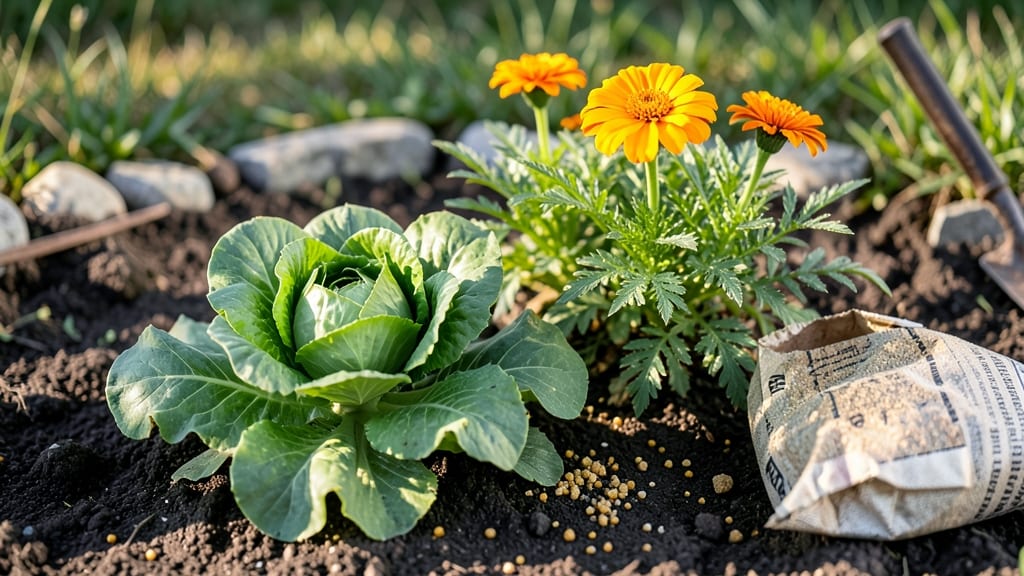
A nutrient-packed fertilizer for flowers and vegetables is the secret weapon behind my garden’s shockingly lush blooms and record-breaking tomatoes—not just this year, but every year since I switched from generic blends.
The difference isn’t just in the numbers on the bag; it’s in how plants react—thicker stems, deeper roots, and flavors so vibrant they taste like summer in a bite.
Organic options like compost, fish emulsion, or worm castings feed the soil ecosystem, while synthetic fertilizers deliver quick fixes—but both have their place. My tomatoes thrive with a balanced 10-10-10 pre-planting dose, followed by foliar sprays of seaweed extract during flowering.
Roses? They beg for phosphorus-heavy feedings when buds form, and lettuce? It’s all about gentle, nitrogen-rich top-dressings to keep those leaves crisp.
You’ll spot the results fast: glossy leaves, heavy blossoms, and vegetables that don’t just grow bigger but taste better. The key is reading your plants—yellowing leaves mean too much nitrogen, stunted growth?
Probably phosphorus. And yes, I’ve learned the hard way that more isn’t always better (looking at you, 2017’s burnt zucchini patch).
Whether you’re working with raised beds, containers, or in-ground plots, the principles stay the same: feed the soil, not just the plant, and time your applications like a pro. Let’s get those roots growing strong—your garden’s about to outperform every expectation.
📚 In This Guide
- What you need
- Instructions
- Tips and common mistakes
- Wrapping up and next steps
What you need
- ● Compost: 2–3 gallons (homemade or store-bought—rich, dark, and crumbly is ideal!)
- ● Banana peels: 1 cup (chopped for potassium-rich goodness)
- ● Eggshells: ½ cup (crushed for calcium)
- ● Coffee grounds: 1 cup (used, for nitrogen and acidity-loving plants)
- ● Wood ash: ½ cup (for potassium and pH balance—use sparingly!)
- ● Manure (composted): 1–2 cups (cow, horse, or chicken—never fresh!)
- ● Water: 5 gallons (for diluting liquid fertilizers)
- ● Garden gloves: 1 pair (to protect your hands from sharp shells or manure)
- ● Mixing bucket or bin: 5-gallon capacity (plastic or metal)
- ● Shovel or trowel: For transferring compost/mixtures
- ○ Blender or food processor: (Optional) To pulverize eggshells or banana peels
- ○ Spray bottle: (Optional) For liquid fertilizer application
- ○ pH test kit: (Optional) To monitor soil acidity/alkalinity
- ● Access to organic waste (kitchen scraps, yard clippings, or store-bought compost)
- ○ A well-draining soil test (optional but helpful—know your garden’s needs!)
- ● Patience! Organic fertilizers work slowly but sustainably—plan to apply every 4–6 weeks.
Step-by-Step guide to applying organic fertilizer for flowers and vegetables
Here’s how to feed your garden the right way—without guesswork.
Test Your Soil First
Before adding fertilizer, test your soil’s pH and nutrient levels. Most vegetables thrive in slightly acidic to neutral soil (6.0–7.0), while flowers like azaleas and hydrangeas prefer acidic (5.0–6.0). A simple home test kit or lab analysis reveals what’s missing—nitrogen for leafy greens, phosphorus for blooms, or potassium for root strength.
I’ve seen gardeners skip this step and end up over-fertilizing, which burns roots or causes nutrient imbalances. If your soil is already rich, you might only need a light top-dressing. Adjust your fertilizer blend based on the results—this saves money and prevents waste.
Choose the Right Organic Fertilizer
For vegetables, I recommend a balanced organic fertilizer like 5-5-5 or 3-4-6 (nitrogen-phosphorus-potassium ratio) to support all growth stages. Flowers often benefit from a higher phosphorus blend, like 3-9-6, to encourage blooming. Look for slow-release options—compost, worm castings, or bone meal—to avoid frequent applications.
Granular fertilizers are easiest for beginners. Spread them evenly over the soil surface and water lightly to activate. Liquid fertilizers, like fish emulsion or compost tea, work faster but require more frequent applications. I mix a 1 tablespoon of granular fertilizer per square foot for most gardens, but adjust based on plant needs.
Apply Fertilizer at Key Growth Stages
Timing matters. For vegetables, apply fertilizer when seedlings are 2–3 inches tall and again 4–6 weeks later during active growth. For flowers, feed lightly at planting, then again when buds form. Over-fertilizing early can lead to lush foliage but few flowers—something I learned the hard way with my first peony bushes.
Water the soil deeply before and after applying fertilizer to help nutrients penetrate the root zone. Avoid contact with plant leaves—organic fertilizers are less harsh than synthetic ones, but they can still cause minor burns. If using a slow-release granular, a single application every 6–8 weeks keeps plants fed without stress.
Monitor and Adjust for Plant Health
Watch for signs of deficiency or excess. Yellowing leaves often mean nitrogen deficiency, while dark green, slow-growing plants may be over-fertilized. Flowers that bolt (send up seed stalks) too early likely need more phosphorus. Adjust your fertilizer blend or application rate based on what you observe.
I keep a small notebook by my garden to track what I’ve applied and how the plants respond. For example, my tomatoes thrive with a weekly dose of fish emulsion during fruiting, but my marigolds only need a monthly top-dressing of compost. Your garden’s needs will evolve—stay flexible and responsive.
Maintain Soil Health Long-Term
Organic fertilizers improve soil structure over time, but they’re not a magic fix. Mix in 2–3 inches of compost annually to rebuild organic matter, especially in container gardens where nutrients deplete faster. Mulch with straw or wood chips to retain moisture and slow nutrient loss.
Rotate crops yearly to prevent nutrient depletion and disease buildup. If you notice stunted growth despite fertilizing, dig a small soil sample to check for compaction or pests. Healthy soil is the foundation—fertilizer just gives it a boost.
Tips & tricks for perfect organic fertilizer application
Here's what nobody tells you about getting the most out of your organic fertilizer—without wasting a single penny.
Soil Testing is Non-Negotiable: That pH test in Step 1 isn't just a suggestion—it's the foundation. I've seen gardeners spend $50 on fertilizer only to discover their soil was already perfect for their plants. For vegetables needing 6.0-7.0 pH, aim for that sweet spot before applying anything. Flowers like hydrangeas? Test first—you might need to adjust your fertilizer blend entirely for their 5.0-6.0 range.
Granular vs. Liquid: Choose Wisely: The instructions mention both, but here's the real difference: Granular fertilizers like 5-5-5 or 3-4-6 release nutrients slowly over weeks, perfect for busy gardeners. Liquid options like fish emulsion work faster but require more frequent applications—every 2-4 weeks during growing season. I use granular for my vegetable beds and save liquid fertilizers for container plants that need quick nutrient boosts.
Timing is Everything: That 2-3 inch seedling stage in Step 3 is critical—don't rush it! Young plants have delicate root systems that can't handle heavy feeding. For flowers, the budding stage is your second chance to really push blooms. I mark my calendar with these key stages and set reminders because missing these windows means missing peak growth potential.
The Watering Secret: Deep watering before AND after applying fertilizer isn't just about activation—it's about protection. The first watering helps dissolve and distribute nutrients, while the second flushes any excess away from plant roots. I use a soaker hose for this step to ensure even moisture without disturbing the soil surface where I've just applied fertilizer.
Pro Tips for Fertilizer For Flowers And Vegetables
- Here's what nobody tells you about getting the most out of your organic fertilizer—without wasting a single penny.
- Soil Testing is Non-Negotiable: That pH test in Step 1 isn't just a suggestion—it's the foundation.
- Granular vs.
Frequently asked questions
What’s the best fertilizer for flowers vs. vegetables?
Flowers thrive with balanced fertilizers (like 10-10-10) or phosphorus-heavy options (5-10-5) for blooms. Vegetables need nitrogen-rich fertilizers (e.g., 12-6-6) for leafy growth or potassium-focused (like 5-10-15) for fruiting plants. Organic options like compost or fish emulsion work for both!
When should I fertilize flowers and vegetables?
For vegetables, fertilize at planting, then every 4–6 weeks. For flowers, start when buds form and repeat monthly. Avoid overdoing it—too much fertilizer burns roots! Water well before and after applying to help absorption.
Are DIY fertilizers cheaper than store-bought?
Try compost tea, banana peels (for potassium), or eggshells (calcium). Coffee grounds add nitrogen, and grass clippings work as a free mulch. Store-bought fertilizers are convenient, but DIY saves money and reduces waste.
What if my plants look fertilized but aren’t growing?
Check for over-fertilization (yellow leaves = too much nitrogen) or underwatering (fertilizer needs moisture to activate). Test your soil’s pH—most plants prefer 6.0–7.0. If growth stalls, try a foliar spray (like seaweed extract) for quick nutrients.
Can I fertilize in extreme heat or rain?
Skip fertilizing during peak sun (10 AM–4 PM) or heavy rain—nutrients wash away or burn plants. Early morning or evening is ideal. If rain is forecast, water first to help fertilizer soak in, then reapply if needed. Slow-release granules are great for unpredictable weather!
Wrapping up and next steps
Choosing the right fertilizer for flowers and vegetables is your secret weapon for a thriving garden—whether you're growing vibrant blooms or bountiful veggies! 🌱 From organic compost to balanced NPK blends, the perfect mix fuels healthy roots, lush foliage, and abundant harvests.
Remember, consistency is key: feed your plants regularly, monitor their needs, and adjust as they grow.
Ready to transform your garden? Start small, experiment with a few fertilizers, and watch your plants flourish! Grab your gloves, pick your favorite organic option, and get growing—your future harvest (or show-stopping flowers) will thank you. 🌸🍅